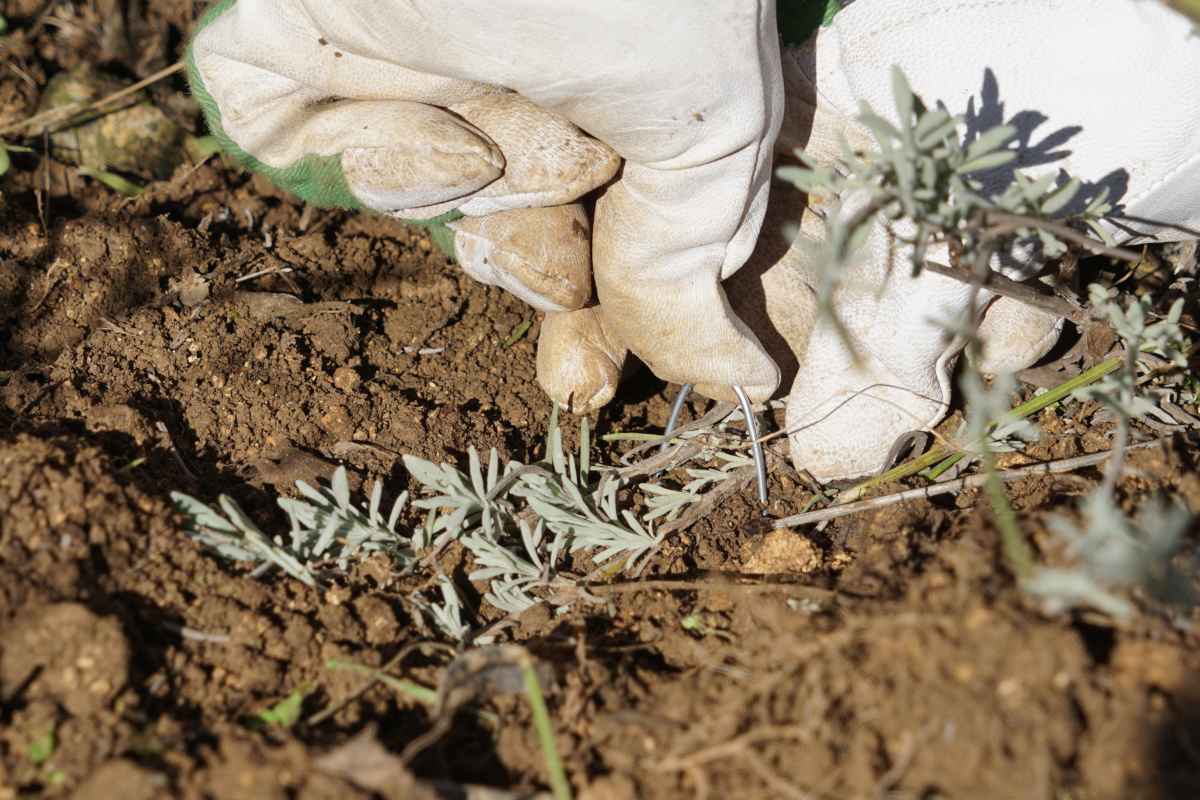
A supple young stem bent down to the ground, its bark nicked lengthwise and buried a couple of inches deep: that is layering, also called marcotting. Since the branch keeps feeding off its parent while it roots, it suits plants that refuse to root as cuttings — water it faithfully and by spring you can cut a rooted plant free.
This lets the plant produce new roots without yet cutting stems off, which increases the survival rate of your new plant.
Also very affordable, the true gardener truly swells with pride when finally cutting the stem, a bit like a mid-wife clamping the umbilical cord between mother and child.
Marcotting – another word for layering – is a technique that is often applied to plants that are more difficult to prepare cuttings from.
A few rules on layering
The branch roots while still attached to its parent
The stem must still be quite flexible, prefer new growth.
It must be buried in good-quality substrate, rich and moist.
It is preferable to marcot or layer in summer, during the month of late summer.
Tools for layering
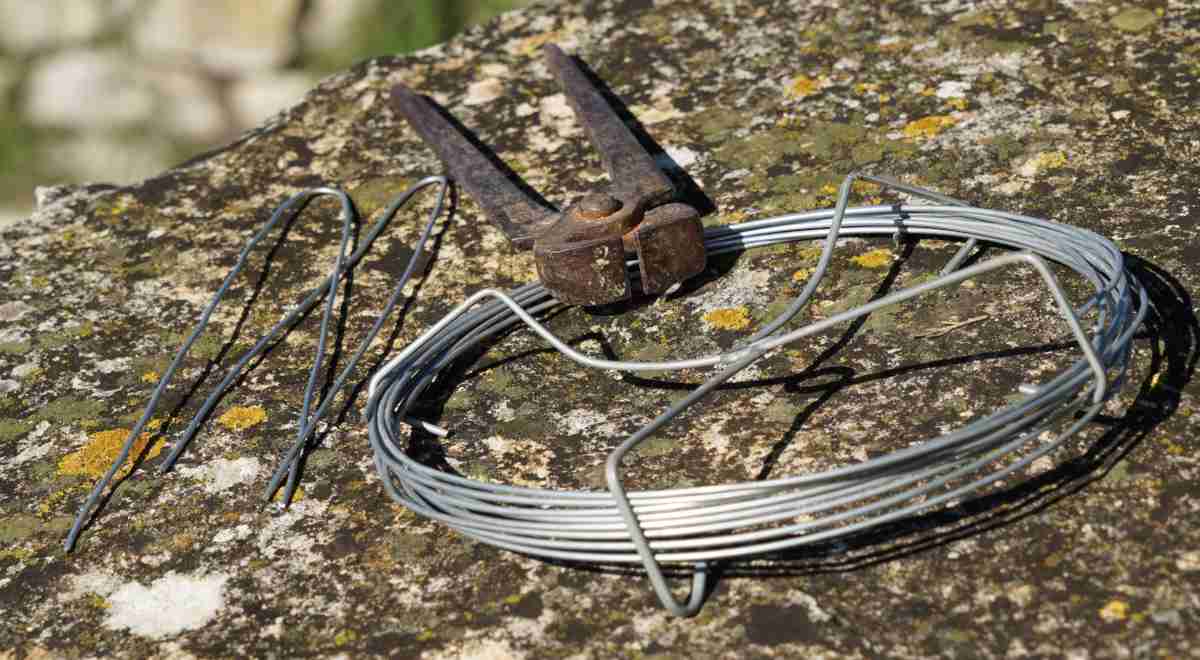
Wire and a wire cutter are all the kit needed
Other than good soil, all you needis :
wire to hold your plants in place
and a wire cutter.
Pinch off any flowers or fruit on the stem you are layering.
Bend the wire into a U and push both legs in deep, so the pegged stem cannot spring back out of the soil.
Layer into soil that has been loosened and enriched with compost, because a compacted or waterlogged spot rots the wound instead of rooting it.
Mark each layer — a shoot pegged down to root while still attached to the parent plant — with a stake, so that hoeing and mowing do not disturb or sever it.
How to layer
Choose a stem (new growth) towards the base of the tree, plant or shrub. It must be flexible enough to reach down to the ground without breaking.
Clean the ground and remove roots, debris and weeds.
Remove leaves and twigs from the portion of the stem that will be buried.
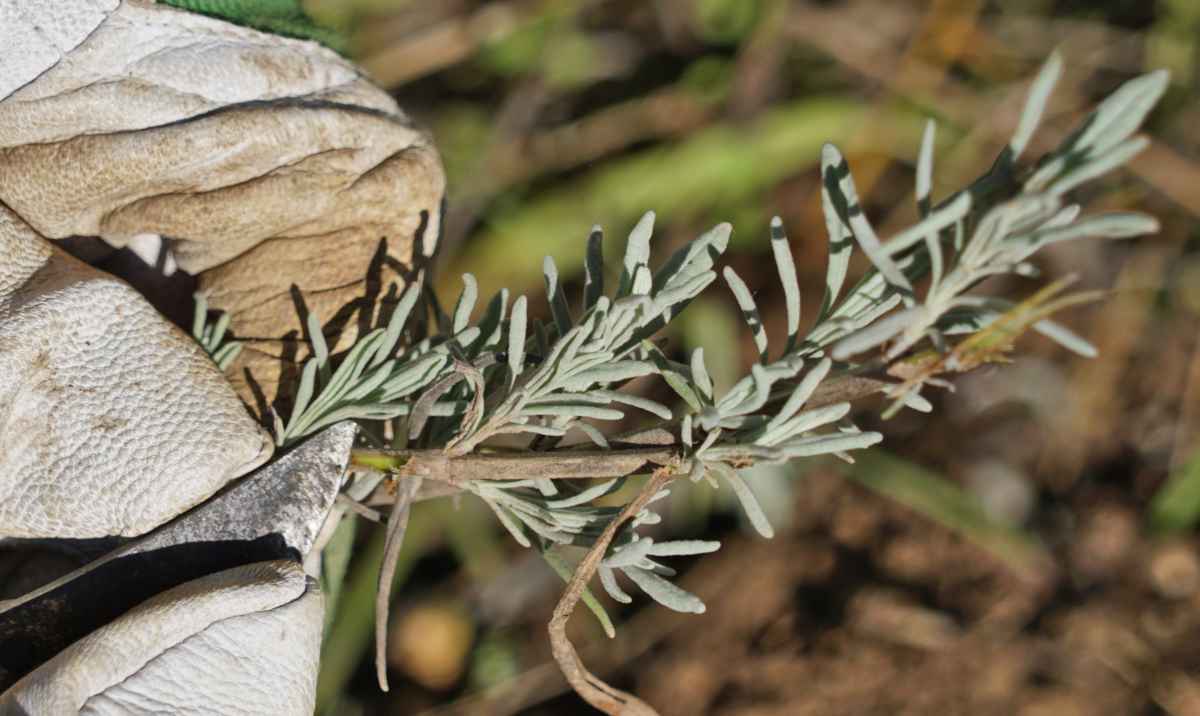
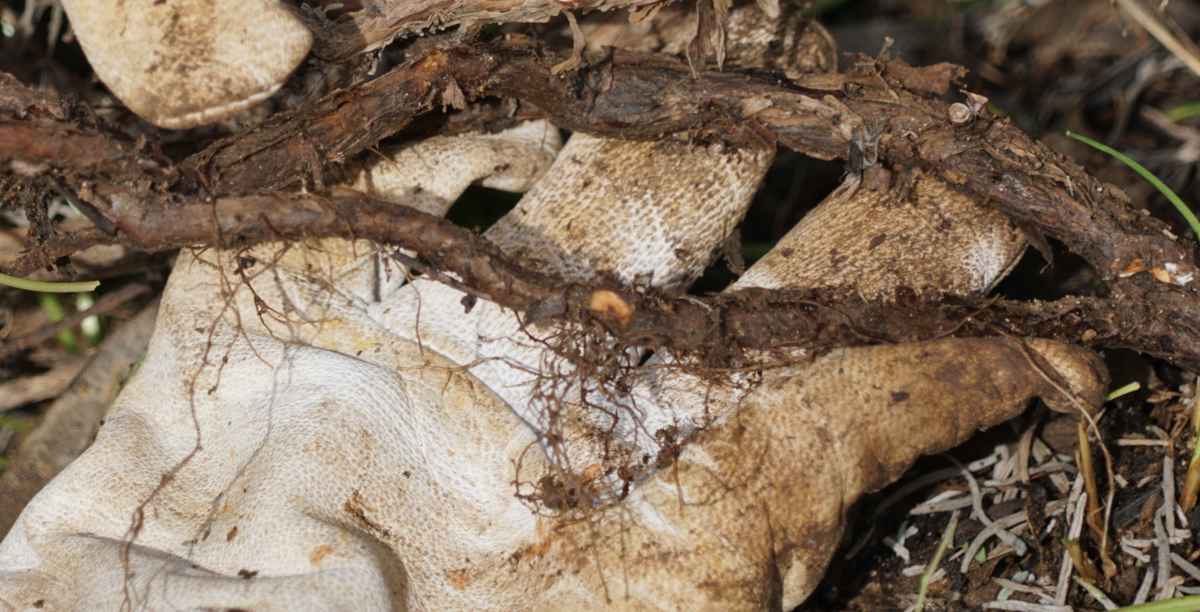
Score the bark lengthwise without breaking the branch
Score (scrape, wound, mark, notch…) the bark lengthwise lightly without breaking the branch. (see image)
Bury this portion of the stem about 2 inches (5 cm) deep.
While still fine if not done, it is best to dip the stem in cutting rooting agent powder.
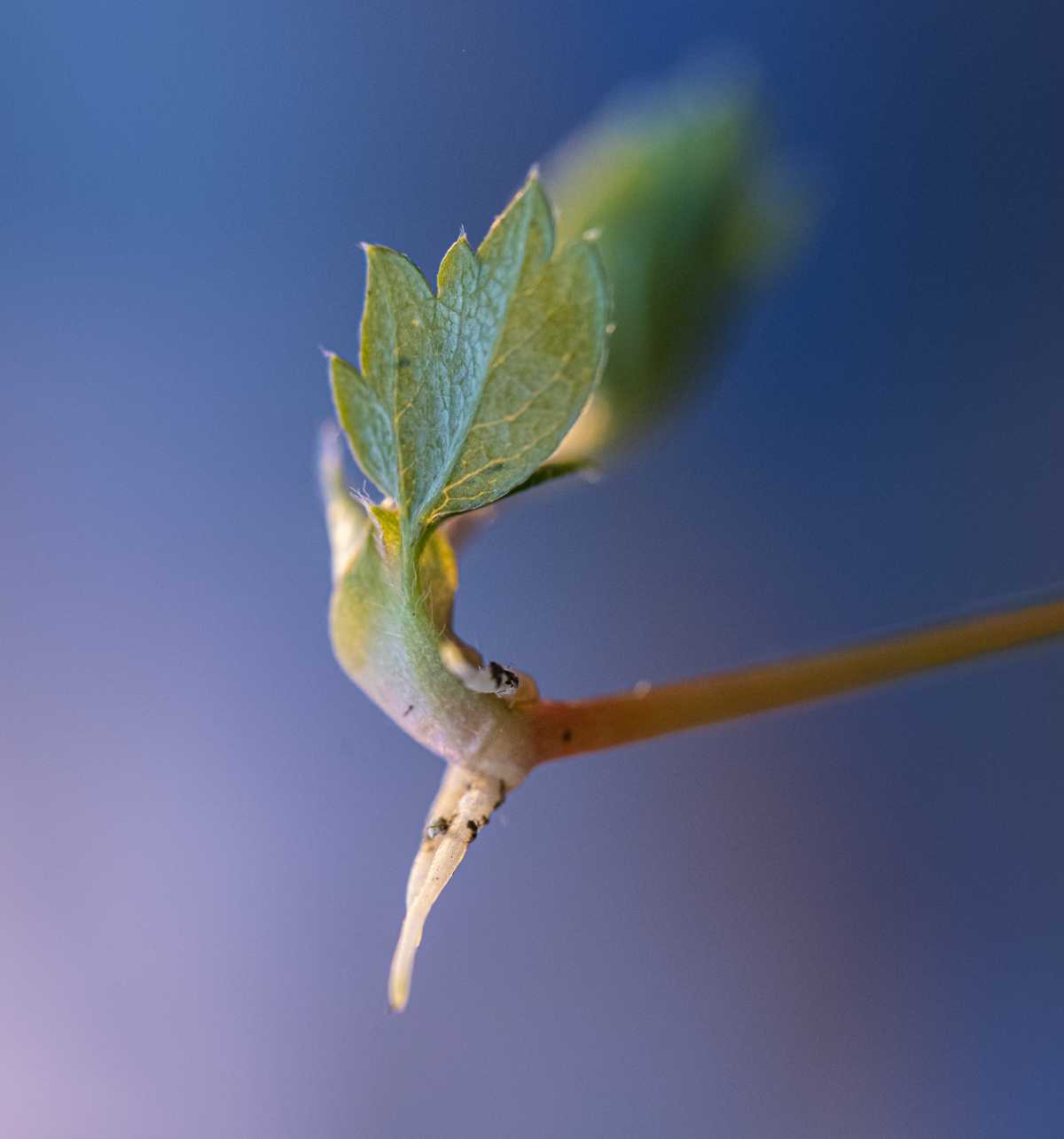
Roots form on the buried section before any cutting
Stake the portion of the branch that is not buried with a pole so that it stands as vertical as is possible.
Water regularly. In the following spring, you’ll be able to cut the stem that has since produced new roots, and plant it in its new home!
On the main photo of this article, above, the author works on layering lavender
Variations and different types of layering
Whole stem layering: The entire length of the stem is buried, and shoots sprout naturally at regular intervals. Used for layering sugar cane and bana grass for instance.
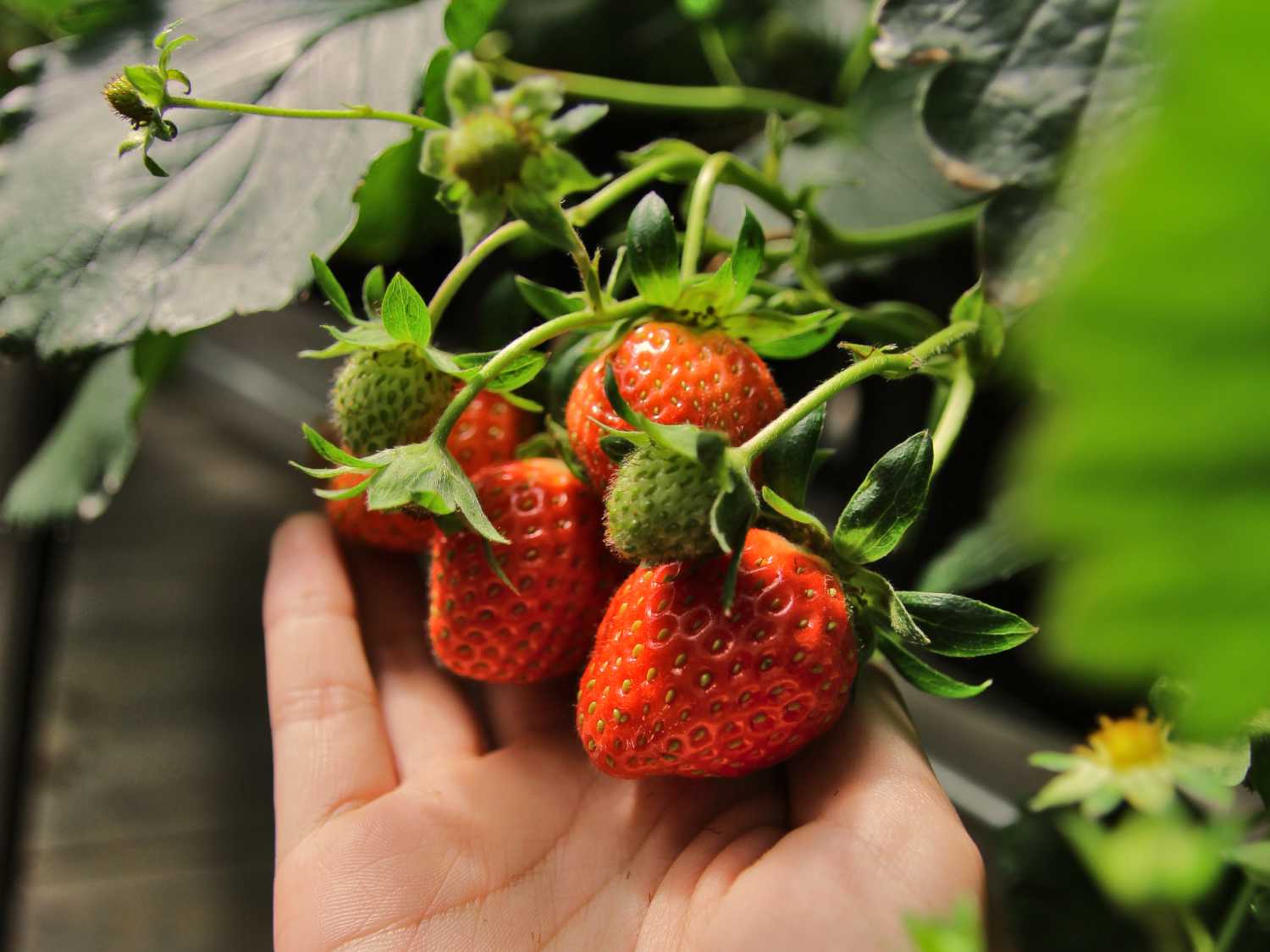
Runners rooted straight into pots, as with strawberries
Air-layering (marcotting often refers to this): The stem is slit, and is then wrapped in a bundle filled with moist soil mix so that it can develop roots. Often used for citrus. Example here: air-layering lavender
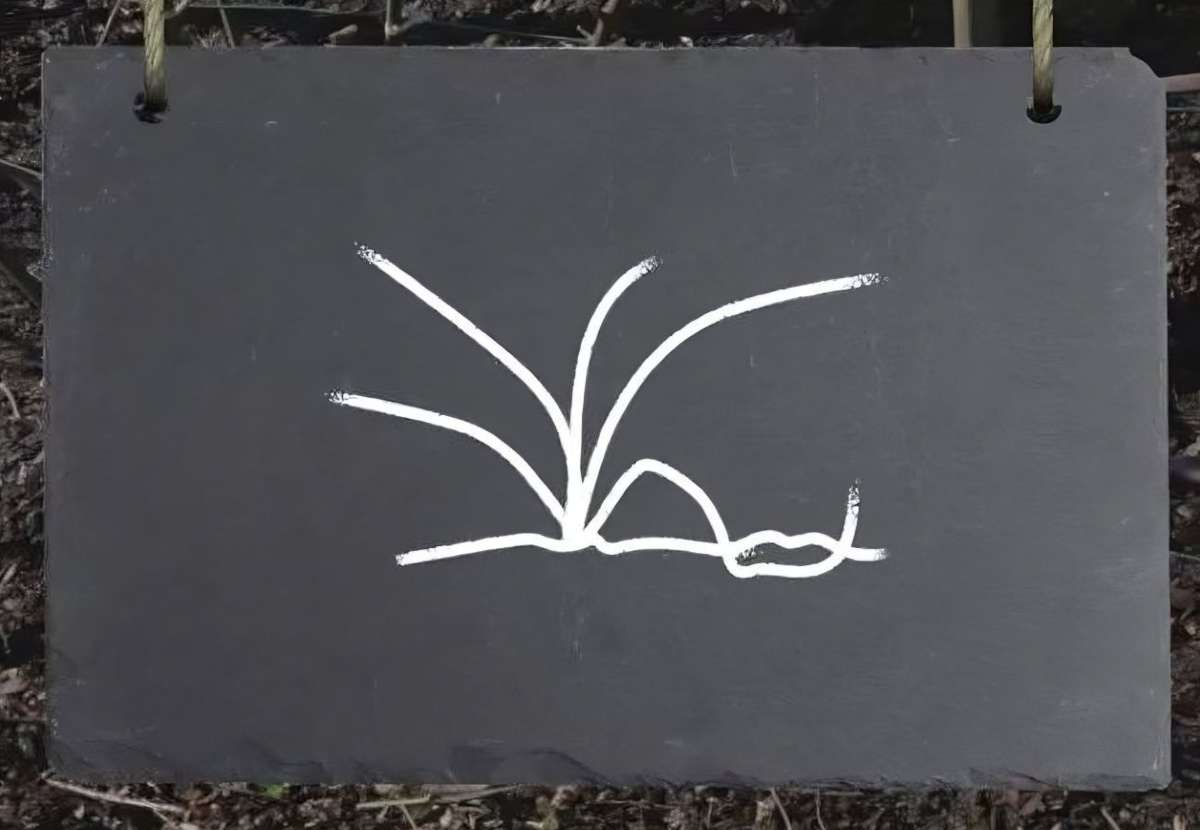
Loch Ness Layering: A long branch is bent down and buried, and portions of it are raised along the way, looking quite like a certain monster… Ideal for blackberry and other long-vining plants like pothos, passion vine…
Which type of layering to choose
Layering comes in several forms, and the one to pick depends on how long and flexible the stem is. Here is what each method involves and the plants it suits best.
Which type of layering to choose
Type of layering
What you do
Best suited to
Whole stem layering
The entire stem length is buried and shoots sprout at regular intervals
Sugar cane, bana grass
Runners layered into pots
A pot holds the buried stem; the new shoot simply stays in it
Strawberries, ribbon plant
Air-layering (true marcotting)
The stem is slit and wrapped in a bundle of moist soil mix to root
Citrus, ficus trees, lavender
Loch Ness layering
One long branch is buried and raised again in sections along its length
Blackberry, pothos, passion vine
In every case the stem stays attached to its parent until roots have formed.
A few ideas of plants to layer
All plants that have long stems like climbing plants, vines, clematis, wisteria, and also the slightly more difficult air-layering for ficus trees. Plants like the hybrid Pennisetum purpureum and the entire dracaena family can also be spread by laying a stem down and burying it in spots.
Hydrangeas layer very easily: peg a low shoot into the soil and leave it.
Written by Gaspard Lorthiois | Loves helping out, especially when it comes to growing things. Worked in herbal medicine, runs a farm, and dabbles in tech. Master's degree and engineer.