Italian Bugloss: Growing Guide, Care Tips & Varieties
0
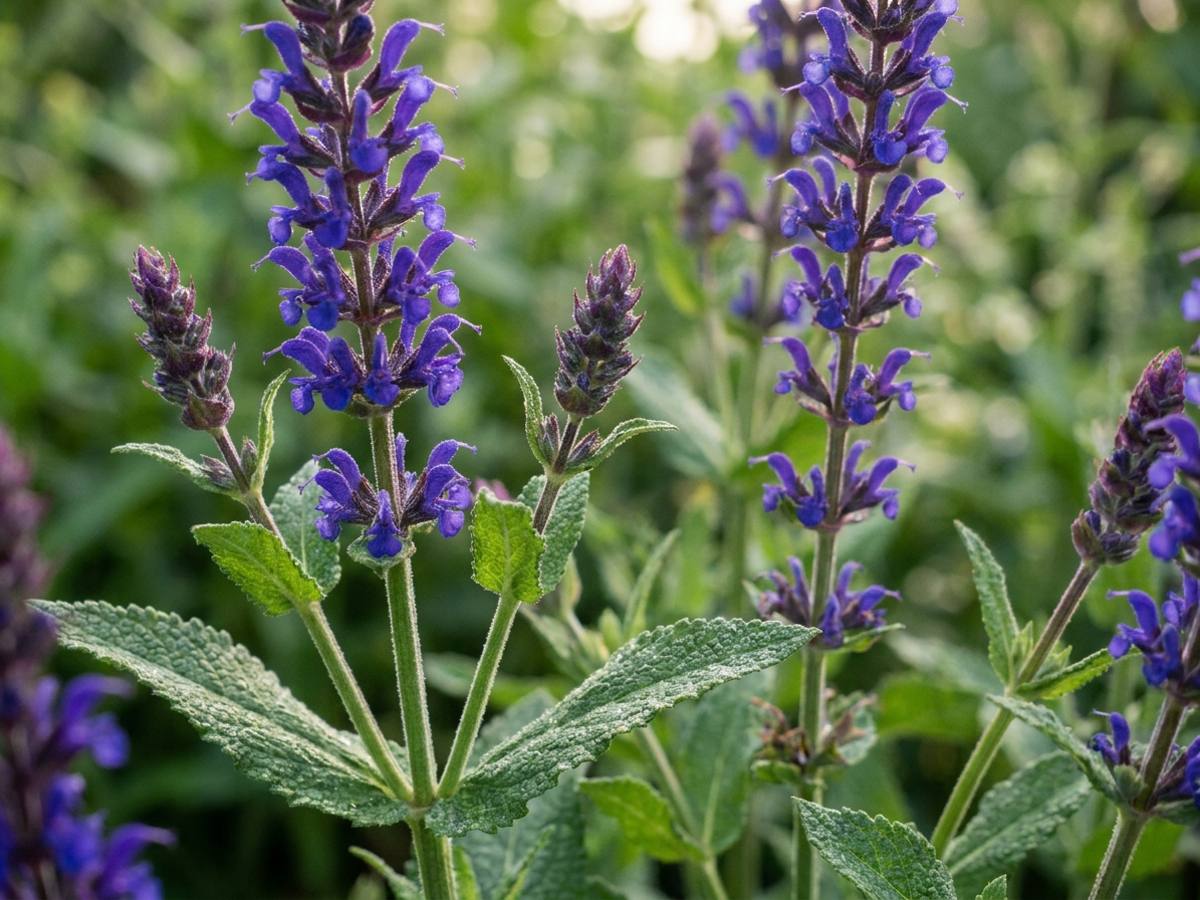
Anchusa azurea, commonly known as Italian bugloss or alkanet, is a striking herbaceous perennial prized for its vivid blue forget-me-not-like flowers that bloom prolifically from late spring through summer. This cottage-garden favourite reaches considerable height and makes a dramatic focal point in borders, wildflower schemes and Mediterranean-style plantings. Its deep taproot and robust constitution make it especially valuable in well-drained, sunny spots where many softer perennials struggle.
Growing conditions
Anchusa azurea thrives in full sun, where it flowers most abundantly and develops sturdy, bushy growth. Whilst it tolerates partial shade, flowering diminishes noticeably in sites receiving less than six hours of direct sun daily. Choose an open position that receives morning light, which helps dry the foliage and reduce fungal issues.
This plant prefers well-drained, sandy or gravelly soil and is notably tolerant of poor, infertile ground where nitrogen-rich soils can actually promote leafy growth at the expense of flowers. Chalky or slightly alkaline conditions suit it best; it dislikes heavy clay or waterlogged soil, which invariably causes root rot. Light cultivation and the addition of grit or coarse sand to heavy soils will improve drainage considerably.
Anchusa azurea is fully hardy across the UK and most temperate regions, withstanding winter temperatures to −15 °C or lower. It performs best in areas with cool to moderate summers; in very hot Mediterranean climates, afternoon shade and consistent moisture help prevent stress.
How to plant Anchusa
Plant container-grown specimens in spring (March to May) or early autumn (September to October) to allow establishment before extreme weather. Bare-root plants are best planted in late autumn or winter whilst dormant.
Space plants 60–90 cm apart; they develop substantial width and need room for air circulation to reduce mildew.
Plant with the crown at soil level; do not bury the crown, as this invites rot.
Dig a hole slightly larger than the root ball and enrich backfill soil with grit if drainage is questionable.
Water thoroughly after planting and keep moderately moist (not soggy) for the first 4–6 weeks.
Propagate from root cuttings taken in late autumn, or divide established clumps in spring, though the deep taproot makes division challenging; seed is often easier.
Anchusa azurea growing in a naturalistic garden border
Care through the seasons
Spring: Remove any winter-damaged stems and tidy dead growth. Apply a balanced fertiliser (such as fish, blood and bone) in late April if soil is naturally poor. Staking tall varieties with twiggy brushwood or sturdy canes in May prevents wind damage later in the season.
Summer: Deadhead spent flower spikes regularly to encourage continued flowering throughout July and August. Water during prolonged dry spells, particularly in the first season, but resist overwatering once established. Thin crowded stems in June to improve air flow and reduce powdery mildew risk.
Autumn: Cut stems back to 10–15 cm above ground after the first sharp frost. Divide mature clumps (three years or older) in September if desired, taking care with the taproot. Apply a 5 cm mulch of grit or coarse compost in October to protect the crown and aid winter drainage.
Winter: The plant is dormant and requires no care, but ensure waterlogging does not occur. Snow rarely damages it; protective fleece is unnecessary in the UK unless temperatures drop below −20 °C.
Best varieties to grow
Several cultivars offer refined colours and improved habit for garden use.
Anchusa azurea ‘Loddon Royalist’ — A compact, reblooming form reaching 60–75 cm with rich cobalt-blue flowers; excellent for smaller borders and merits the RHS Award of Garden Merit.
Anchusa azurea ‘Opal’ — A shorter cultivar (75–90 cm) bearing pale porcelain-blue flowers with a white eye; favoured for cottage gardens.
Anchusa azurea ‘Dropmore’ — A tall, vigorous North American variety reaching 120–150 cm with intense gentian-blue flowers.
Anchusa azurea ‘Morning Glory’ — A mid-height form (75–100 cm) with generous spikes of sky-blue bloom; particularly floriferous when deadheaded.
Pests, diseases and common problems
Powdery mildew: Whitish coating on leaves occurs in humid, poorly ventilated conditions. Thin stems to improve air circulation, avoid overhead watering, and spray affected plants with a sulphur-based fungicide or potassium bicarbonate solution in early morning.
Root rot: Yellowing leaves and collapsed plants indicate waterlogging or fungal infection of the taproot. Ensure soil drains freely and never plant in clay-heavy ground without substantial grit incorporation; remove and destroy affected plants.
Self-seeding:Anchusa azurea sets copious seed and can spread prolifically in loose, disturbed soil. Deadhead spent flowers before seed ripens if control is required, or cut back plants before seedpods mature in late August.
Leggy, weak growth: Excessive shade or nitrogen-rich soil promotes tall, sparse stems that flop. Increase sun exposure and avoid high-nitrogen feeds; divide plants every three years to rejuvenate vigour.
🌿 Nature & Garden Newsletter
Gardening tips, recipes & seasonal advice, twice a week.