Anise Hyssop: Growing Guide, Care Tips & Varieties
0
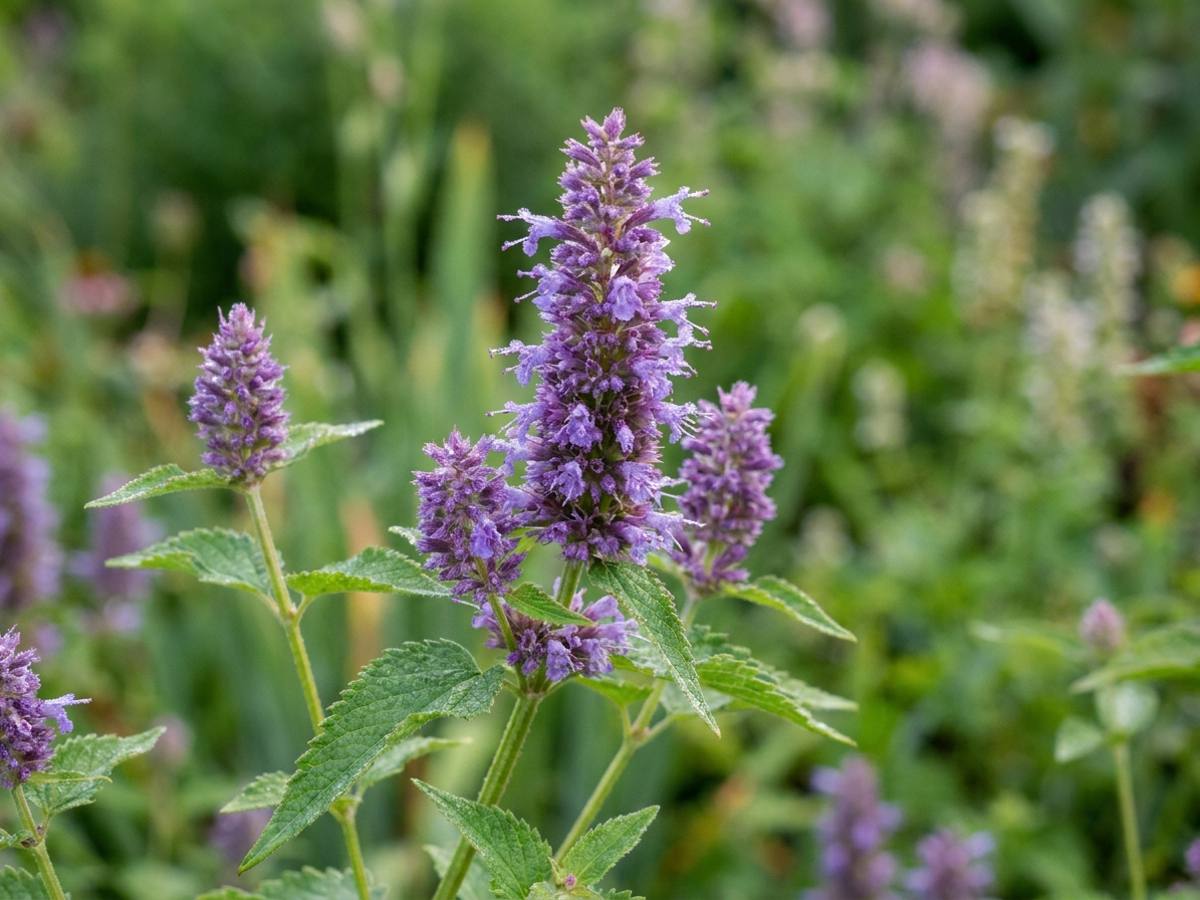
Anise hyssop is one of those rare plants that earns its place three times over: upright spires of soft lavender-blue flowers from midsummer to autumn, aromatic foliage that smells convincingly of aniseed when brushed, and an almost magnetic pull on bees and butterflies. Native to the prairies and dry meadows of North America, it forms neat clumps that hold themselves upright without staking. Crush a leaf between your fingers and you will understand why it has been valued as a herbal tea plant for centuries.
Growing conditions
Give anise hyssop the sunniest, most open spot you can offer. At least six hours of direct sun produces sturdy stems, dense flower spikes and the strongest leaf aroma. In shade the plants stretch, flop and flower far less generously.
Drainage matters more than fertility. A light, gritty or sandy loam suits it perfectly, and it copes happily with chalk and thin, stony ground. Heavy, wet clay is the one soil that will defeat it, so improve such sites with grit and coarse organic matter, or plant on a raised ridge or gentle slope.
Cold rarely kills anise hyssop; winter wet does. Plants regularly survive −20 °C in a dry, free-draining position, yet may rot in a mild but soggy British winter, so avoid low-lying frost pockets and areas where water sits after rain.
How to plant Agastache
Plant in mid to late spring, once the soil has warmed and hard frosts have passed. Spring planting gives the roots a full growing season to establish before their first winter, which markedly improves survival rates compared with autumn planting.
Spacing: allow 40–50 cm between plants so air circulates freely around the stems, reducing mildew and giving each clump room to bulk up.
Depth: set the crown exactly level with the surrounding soil — burying it invites rot, whilst planting too high exposes the roots.
Soil preparation: fork the base of the hole thoroughly and mix in a couple of handfuls of horticultural grit on heavier ground. Skip rich manures, which encourage soft, floppy growth.
Watering in: soak generously at planting, then water weekly for the first six to eight weeks only. Once established, plants prefer to be left alone.
Propagation: sow seed at 18–21 °C in early spring for flowers the same year, or take 8 cm softwood cuttings in early summer, which root within three weeks.
Agastache foeniculum growing in a naturalistic garden border
Care through the seasons
Spring: Growth emerges late — often not until mid or late April — so mark the position and resist digging over the crown. Clear away any old stems left for winter structure and scatter a light dressing of general-purpose fertiliser or leaf mould. Pinching out the shoot tips once, when stems reach 20 cm, produces bushier plants with more flower spikes.
Summer: Established clumps are genuinely drought-tolerant and need watering only during prolonged dry spells; container-grown plants are the exception and need regular attention. Deadheading spent spikes in July and August triggers a useful second flush that carries the display into autumn. Leave a few late spikes intact if you want seed for next year’s self-sown seedlings.
Autumn: The dried flower spikes look handsome frosted and feed goldfinches, so delay cutting back until late winter if you can. Divide congested clumps in early autumn only in warm, well-drained gardens — elsewhere wait for spring. Avoid heavy organic mulches over the crown, which trap moisture and cause rot.
Winter: Plants die back completely to a dormant crown and disappear from view. In cold, wet regions a 5 cm collar of grit or coarse sand around the crown gives better protection than any amount of fleece.
Best varieties to grow
The straight species is superb, but several selections and closely related hybrids extend the colour range and flowering season.
Agastache foeniculum ‘Golden Jubilee’ — chartreuse-gold foliage topped with lavender-blue spikes, brilliant for lighting up a border and easily raised from seed.
Agastache foeniculum ‘Alabaster’ — clean ivory-white flowers on 90 cm stems, a cool partner for grasses and pale roses.
Agastache ‘Blue Fortune’ — a vigorous hybrid of A. foeniculum and A. rugosa, holding an RHS Award of Garden Merit for its exceptionally long-lasting, sterile powder-blue spikes.
Agastache ‘Black Adder’ — deeper violet-blue with dusky calyces, more compact at around 80 cm and outstandingly attractive to bumblebees.
Pests, diseases and common problems
Powdery mildew: a white bloom on leaves in humid, crowded conditions. Thin overcrowded stems, improve spacing to 50 cm and water the soil rather than the foliage; remove and bin affected leaves.
Root and crown rot: stems blacken at the base and collapse, almost always after winter wet. There is no cure once advanced, so prevention through grit, raised planting and sharp drainage is essential.
Slugs and snails on new shoots: spring growth is soft and vulnerable, and whole crowns can be grazed away. Ring emerging shoots with sharp grit or crushed shell, and hunt on damp evenings for a fortnight after growth appears.
🌿 Nature & Garden Newsletter
Gardening tips, recipes & seasonal advice, twice a week.