Phlomis russeliana: expert tips for growing this drought-tolerant perennial
0
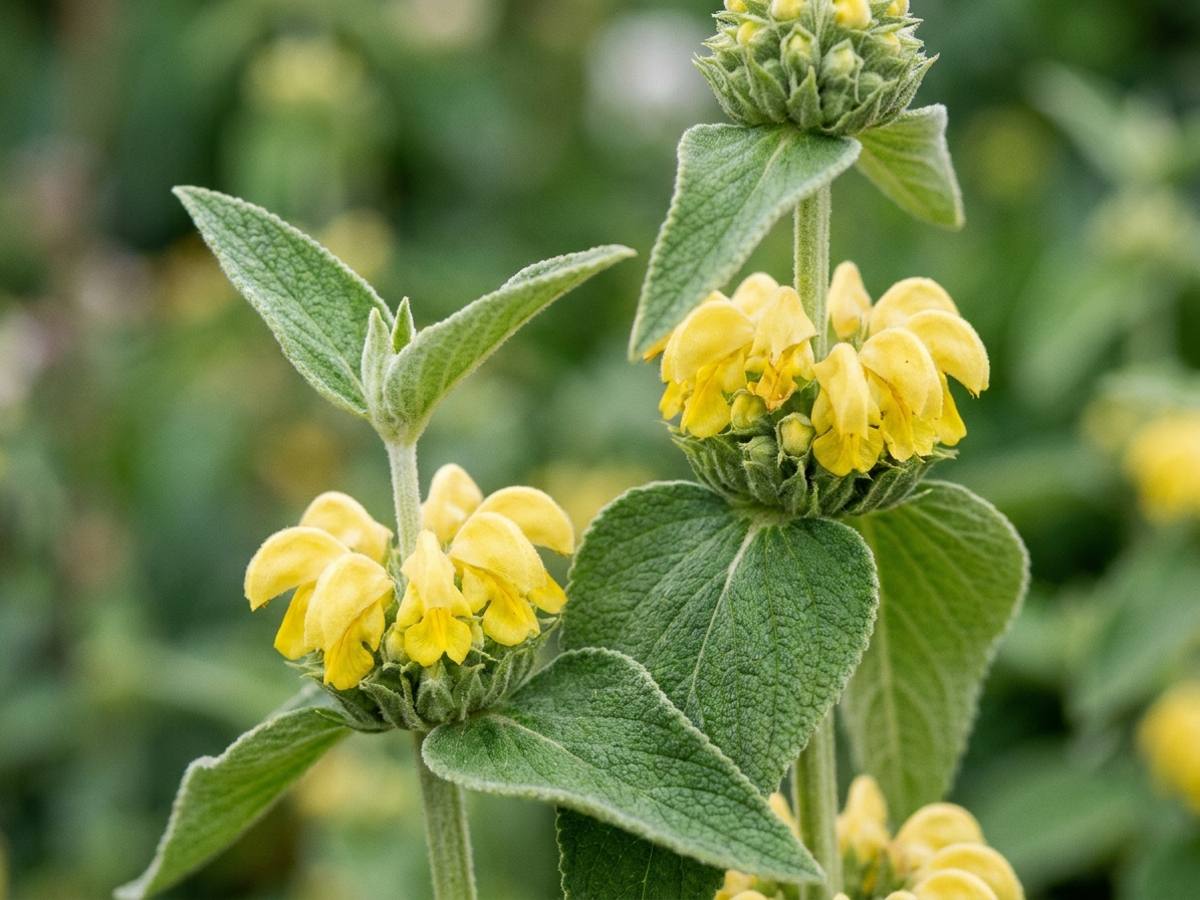
Phlomis russeliana is one of those quietly architectural perennials that earns its place twice over: soft butter-yellow hooded flowers stacked in whorls up sturdy stems in summer, then rigid seed heads that hold their shape through frost and snow. Its large, heart-shaped, sage-green leaves form a dense weed-smothering carpet that stays presentable almost all year. Best of all, it thrives on neglect, poor soil and drought — a genuine low-maintenance plant that still looks deliberate.
Growing conditions
Give Turkish sage as much sun as you can — a minimum of six hours a day produces the strongest stems and the most flower whorls. It will grow perfectly well in light shade beneath deciduous trees, though stems tend to lean towards the light and may need discreet support. Open, airy sites suit it far better than damp, enclosed corners.
Drainage matters more than fertility. This is a plant of Turkish hillsides, so it revels in poor, gritty, stony or chalky soils and copes admirably with clay provided winter wet drains away. A neutral to alkaline pH is ideal, but it is thoroughly unfussy between about pH 6 and 8.
It is reliably hardy across the British Isles, northern Europe and much of North America, shrugging off hard frosts once established. In hot, humid summer climates, allow extra spacing so air circulates freely around the foliage.
How to plant Phlomis
Plant in spring — from March to May — so the crown establishes a strong root system before its first winter. Autumn planting works in mild, free-draining gardens, but avoid it on heavy soil where young plants can rot.
Spacing: allow 50–60 cm between plants; the leafy rosettes knit together within two seasons to form continuous ground cover.
Depth: set the crown at soil level, never buried — sunken crowns hold moisture and rot in winter.
Soil preparation: fork over the planting area and, on clay, work in a generous bucketful of horticultural grit rather than rich compost.
Watering in: soak thoroughly after planting, then water weekly through the first summer only; established plants rarely need any.
Propagation: lift and split congested clumps in spring, or detach rooted rhizome offsets from the edges with a spade — each piece with roots and a leaf rosette will grow away readily.
Phlomis russeliana growing in a naturalistic garden border
Care through the seasons
Spring: Cut down last year’s seed heads in March, just as fresh rosettes expand, and tidy away any leaves blackened by frost. Feeding is largely unnecessary — a light mulch of garden compost around, but not over, the crown is plenty. Overfeeding produces floppy stems that collapse in the first summer downpour.
Summer: Established clumps are strikingly drought-tolerant and generally need no watering at all. Leave the faded flowers in place: the spherical calyx whorls are the plant’s greatest ornament and removing them sacrifices the autumn and winter display. If clumps creep further than you want, slice around the perimeter with a spade and remove the strays.
Autumn: Resist the urge to cut back — the stems stand rigidly through wind and rain and look magnificent rimed with frost. This is a good moment to divide very old, hollow-centred clumps in mild regions, and to lift and replant offsets. Clear fallen tree leaves from the rosettes so they do not smother or rot the foliage.
Winter: The basal leaves persist in a semi-evergreen state, becoming tatty after severe cold, and no protection is needed in most gardens. On very heavy soils, a surface mulch of grit around the crown helps prevent winter rot.
Best varieties to grow
Named cultivars of P. russeliana itself are scarce, so gardeners usually combine the species with closely related phlomis for a longer season and different colours.
Phlomis russeliana — the species holds an RHS Award of Garden Merit and remains the best choice for ground cover and winter structure.
Phlomis tuberosa ‘Amazone’ — taller, to 1.5 m, with slender dark stems and rosy-lilac whorls; superb in prairie-style planting.
Phlomis ‘Edward Bowles’ — a shrubby hybrid with grey-felted leaves and soft sulphur-yellow flowers, slightly less hardy but wonderful in gravel gardens.
Phlomis fruticosa — the evergreen Jerusalem sage, an AGM shrub with golden-yellow flowers and aromatic silvery foliage for hot, dry banks.
Pests, diseases and common problems
Crown and root rot: yellowing, collapsing rosettes in a wet winter signal waterlogging. Improve drainage with grit, raise the planting position slightly, or move the plant to a sunnier, sharper site.
Powdery mildew: a white bloom on leaves in hot, dry, crowded conditions. Thin or divide congested clumps to improve airflow, water at the base in prolonged drought and remove badly affected foliage.
Slugs and snails: young spring rosettes are occasionally grazed, leaving ragged holes. Use wool pellets, sharp grit or evening hand-picking; mature plants outgrow the damage easily.