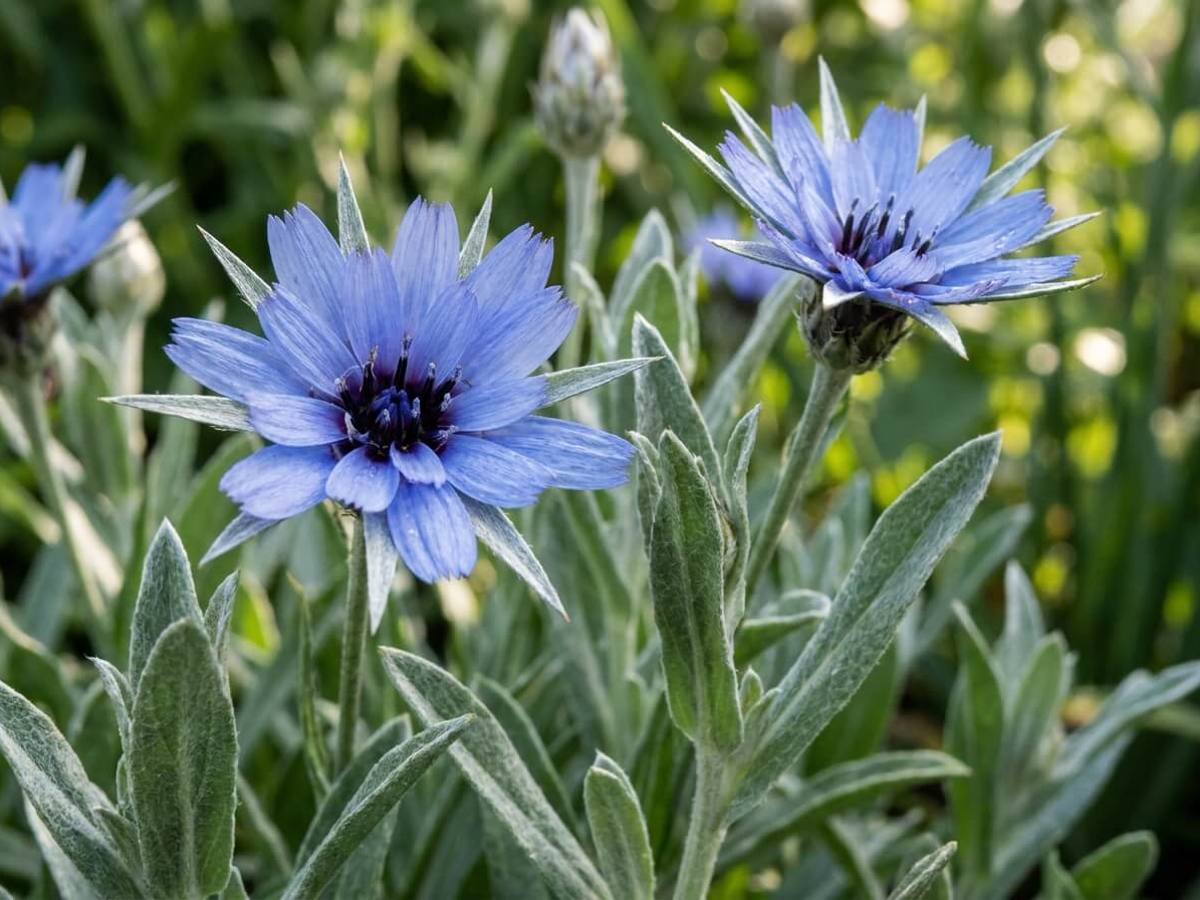
Catananche caerulea, better known as Cupid’s dart, scatters wiry stems topped with lavender-blue cornflower-like blooms above a low tuft of narrow, greyish leaves. It is a mainstay of gravel gardens and sunny borders, flowering tirelessly from midsummer into autumn on the poorest of soils. Its most charming trait is the silvery, papery bud — like a tiny straw lantern — which makes the flowers superb for drying.
Growing conditions
Give Cupid’s dart the sunniest, most open spot you have. A native of dry hillsides in southern Europe and North Africa, it needs at least six hours of direct sun to flower well and to keep its stems from flopping. In shade or crowded planting it stretches, sulks and rarely lasts more than a season.
Drainage matters more than fertility. Light sandy, stony or chalky soils suit it perfectly, and it thrives on a neutral to alkaline pH. Rich, manured ground produces soft growth and fewer flowers, whilst heavy clay that stays wet in winter is the surest way to lose the plant.
Cold is rarely the problem — winter wet is. In damp maritime climates, plant on a slope, a raised bed or a gravel scree, and consider treating it as a biennial to be renewed from seed every couple of years.
How to plant Catananche
Spring is the ideal planting season, from late March to May, once the soil has begun to warm. Autumn planting is possible on very free-draining ground, but young plants set out in October seldom root well enough to survive a wet winter.
Spacing: Set plants 30–40 cm apart so air circulates freely around the crowns and the wiry stems support one another.
Depth: Plant so the crown sits exactly level with the soil surface, never in a dip where water can collect.
Soil preparation: Fork in coarse grit or sharp sand at roughly a bucketful per square metre on any soil that feels sticky when wet; skip the compost and manure.
Watering in: Water thoroughly once at planting to settle the roots, then only during prolonged dry spells in the first summer.
Propagation: Sow seed in March or April at 15–18 °C for germination in two to three weeks, or take root cuttings in late winter from a mature clump.
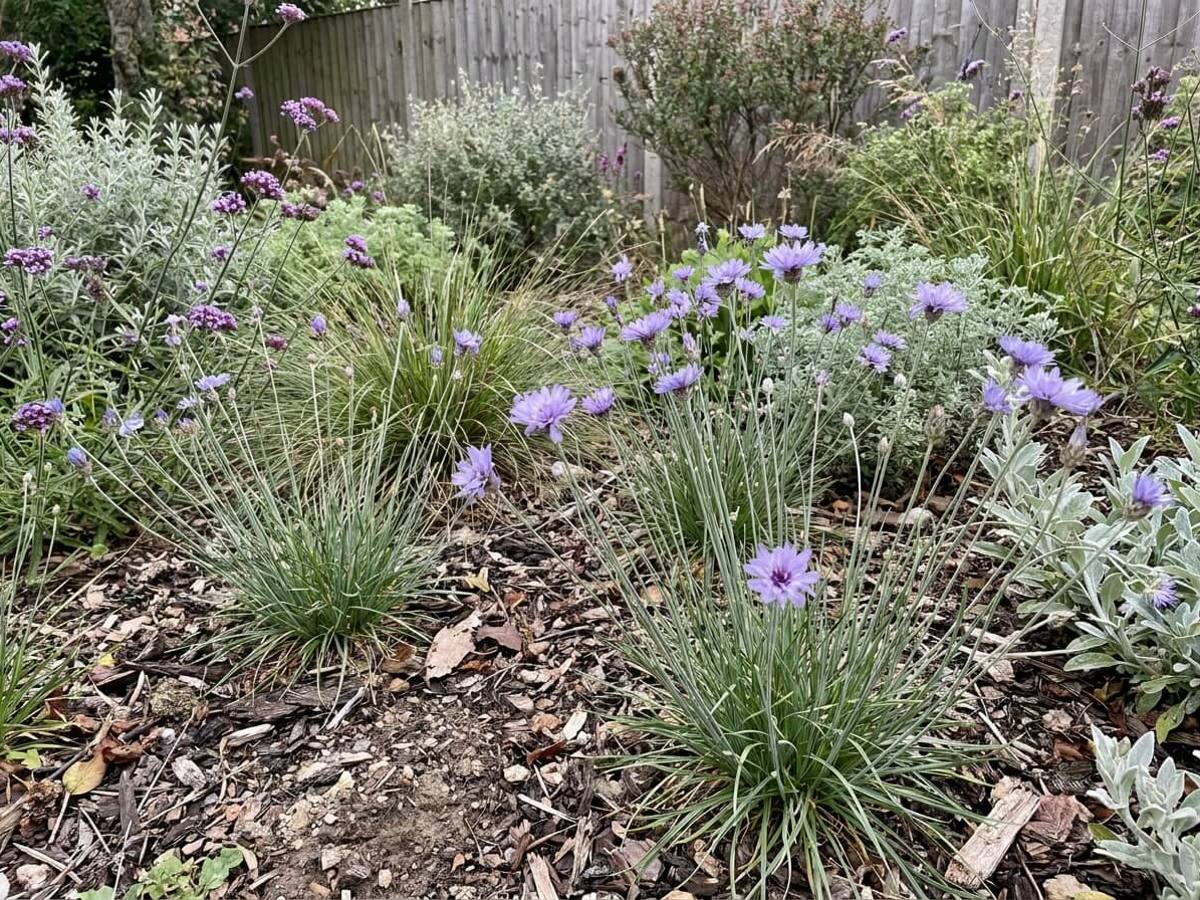
Catananche caerulea growing in a naturalistic garden border
Which Catananche to choose
A handful of named selections improve on the wild species for flower size and colour. Use the table to decide before you buy, then plant them all the same way.
Which Catananche to choose
Variety
Flower colour
Size
Why grow it
‘Major’
Richer lavender-blue
Flowers up to 5 cm across
Best-known form; holds the RHS Award of Garden Merit
‘Bicolor’
Creamy white rays around a deep violet-blue eye
As the species
Striking planted beside silver foliage
‘Alba’
Pure white
As the species
Lights up gravel plantings and pastel schemes
‘Blue Giant’
As the species
Taller and more vigorous, reaching 80 cm
A seed strain useful for cutting and drying
Whichever you choose, sharp drainage and full sun matter far more than the name on the label.
Which Catananche to choose
A handful of named selections improve on the wild species for flower size and colour. Use the table to decide before you buy, then plant them all the same way.
Whichever you choose, sharp drainage and full sun matter far more than the name on the label.
Care through the seasons
Spring: Tidy away any leaves left from winter as soon as new growth appears, usually in March. Skip the fertiliser altogether, or apply no more than a light scattering of potash if plants flowered poorly the previous summer. This is also the moment to lift and divide congested clumps, or to sow a fresh batch of seedlings as insurance.
Summer: Water only in extended droughts — established plants are genuinely drought-tolerant and resent soggy roots. Deadhead regularly, snipping spent flowers back to a side bud, and you will keep the display running from June until the first frosts. For dried arrangements, cut stems just as the buds split to show colour and hang them upside down in a dark, airy place.
Autumn: Leave a few seed heads to ripen if you want self-sown seedlings, otherwise cut flowering stems back in October. Resist a hard cut-back of the basal rosette; the old foliage helps shed rain from the crown. A collar of grit or gravel around each plant, rather than an organic mulch, is the best autumn protection.
Winter: The plant retreats to a low, semi-evergreen tuft and needs no cover in cold, dry conditions. In wet regions, a cloche or a pane of glass propped over the crown prevents rot far more effectively than fleece.
Best varieties to grow
A handful of selections improve on the species for flower size and colour range.
‘Major’ — the best-known form, with larger, richer lavender-blue flowers up to 5 cm across; holder of the RHS Award of Garden Merit.
‘Bicolor’ — creamy white ray florets surrounding a deep violet-blue eye, striking beside silver foliage.
‘Alba’ — a pure white form that lights up gravel plantings and mixes easily with pastel schemes.
‘Blue Giant’ — a taller, more vigorous seed strain reaching 80 cm, useful for cutting and drying.
Pests, diseases and common problems
Crown and root rot: Plants collapse or fail to reappear after a wet winter, with blackened crowns. Improve drainage with grit, plant on a mound, and keep organic mulches well away from the base.
Slugs and snails: Young rosettes and spring shoots are grazed to stubs overnight. Ring plants with sharp grit, water in the morning rather than the evening, and collect molluscs after rain.
Powdery mildew: A white bloom on the leaves during hot, dry spells, usually where plants are crowded. Thin neighbouring growth to improve airflow, water at the roots and remove badly affected leaves promptly.