Water bills are soaring this July as heatwaves grip both the UK and US, but smart gardeners are cutting costs in half by switching to drought-resistant techniques. Real homeowners share how they’ve slashed water use, saved time, and kept their gardens thriving without the guilt or the bill shock.
July is the month when garden taps run hardest. Across the UK, temperatures are hovering near 28°C, whilst American gardeners in the Southwest face sustained heat above 35°C. Most gardens lose roughly 25mm of water per week through evaporation alone, before you even consider plant demand.
This is the moment lawns brown, borders wilt, and water companies issue restrictions. Metered customers see their bills spike 30 to 50 percent compared to spring months. The good news: there are proven techniques that cut consumption dramatically without sacrificing colour or yield.
Standard overhead watering wastes up to 40 percent of water through evaporation and runoff, particularly in hot, windy conditions. A gardener watering a modest 100 square metre border with a sprinkler for two hours daily can use up to 8,000 litres per week. Over an eight-week summer, that’s 64,000 litres and a bill increase of £80 to £150 depending on your region.
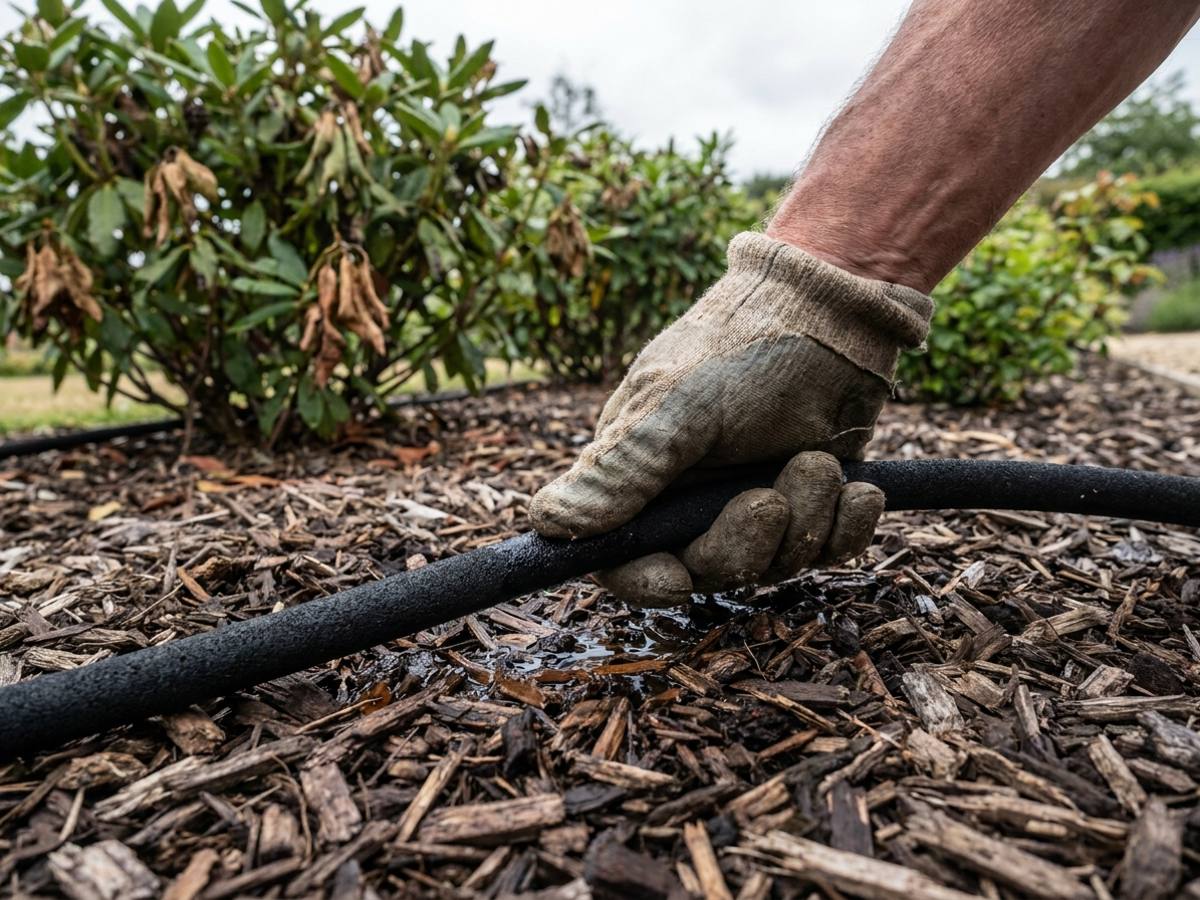
Sarah Mitchell from Surrey reports her metered bill jumped from £45 in May to £112 in July last year, purely from garden watering. “I wasn’t even aware I was overdoing it,” she says. This year, after installing drip irrigation and mulch, her July bill stayed at £58. “The payback was three weeks of water savings. Now I’m £150 ahead.”
Start these techniques now to see immediate results on your next bill:
Watch your soil moisture rather than clock-watching. Stick a finger 5cm into the soil; if it feels dry, water deeply and less often rather than frequent shallow drinks. In the coming weeks, many gardeners will see their August bills reflect July’s new habits, giving a clear picture of savings.
The shift to water-wise gardening isn’t a sacrifice. It’s a smarter way to garden, and your bank account will thank you.