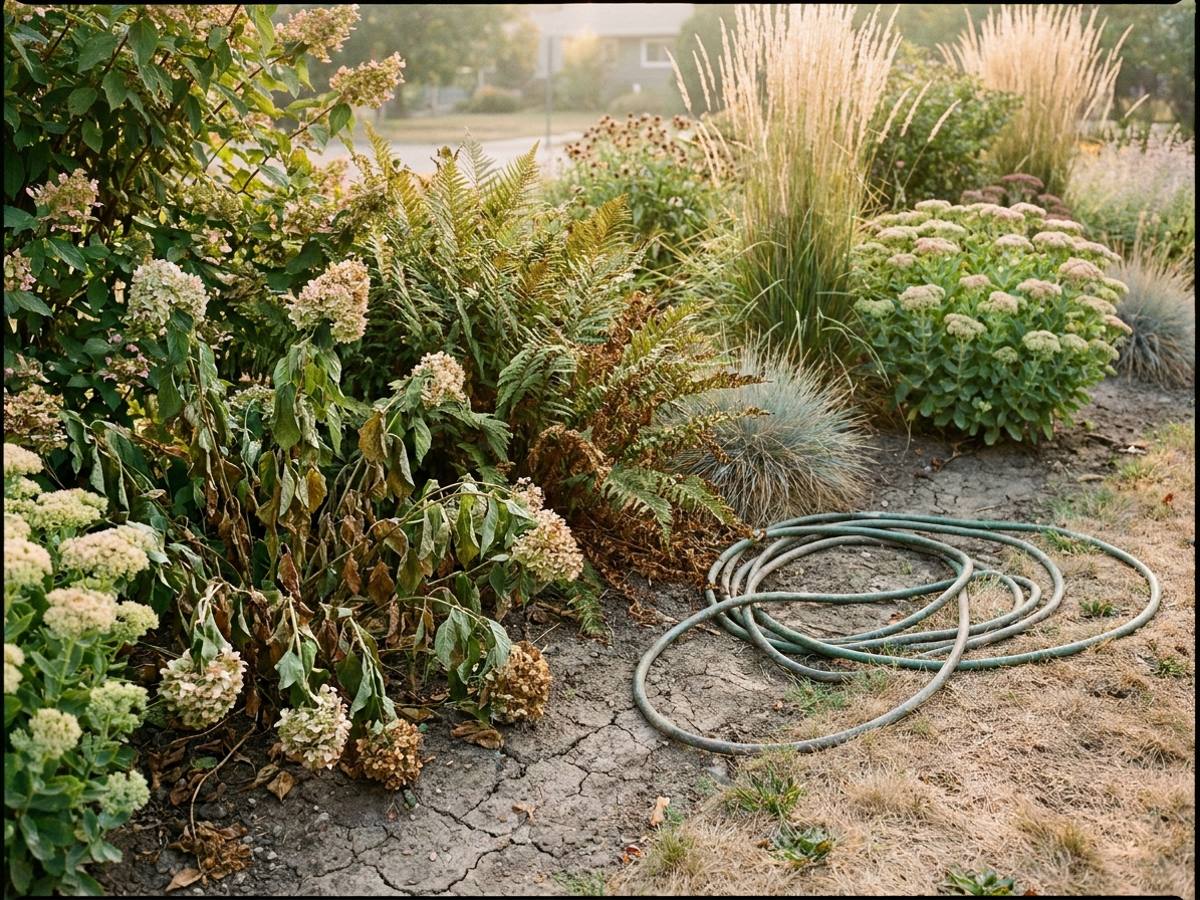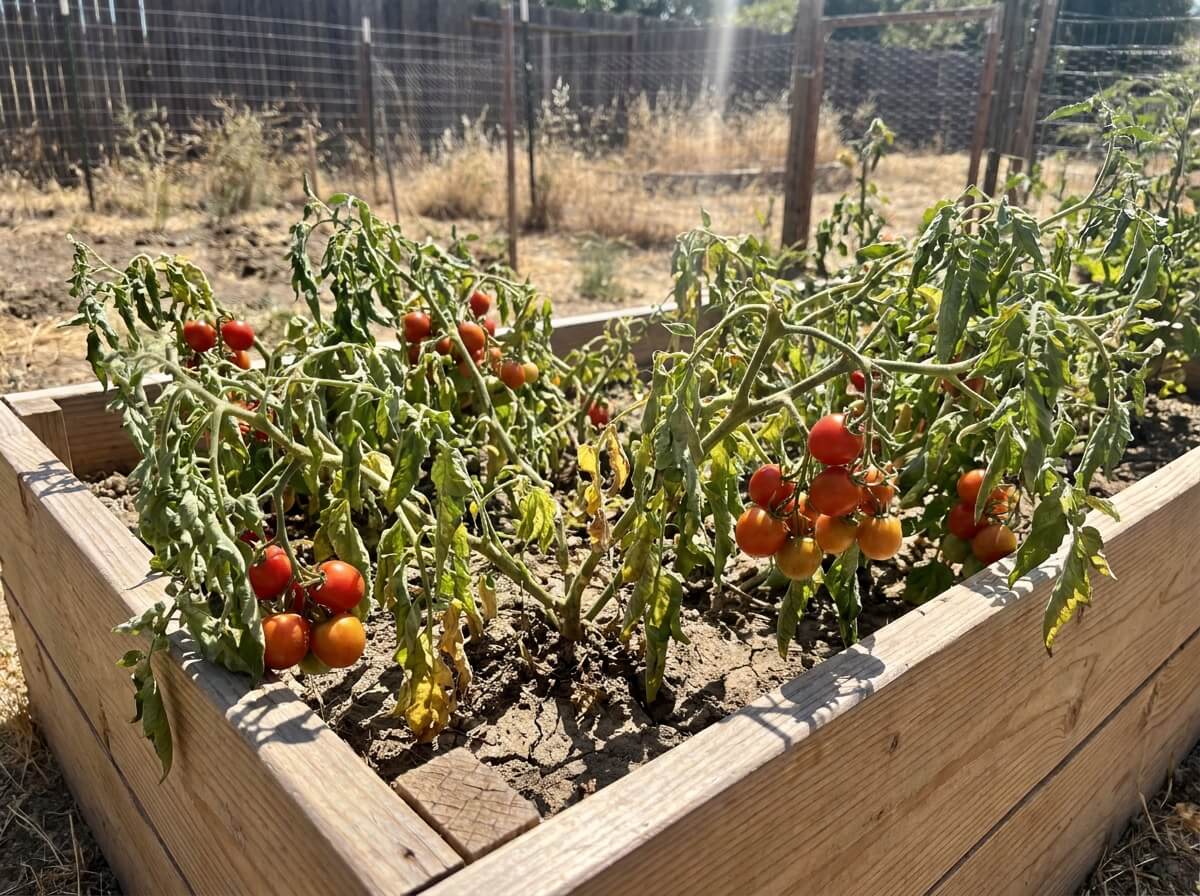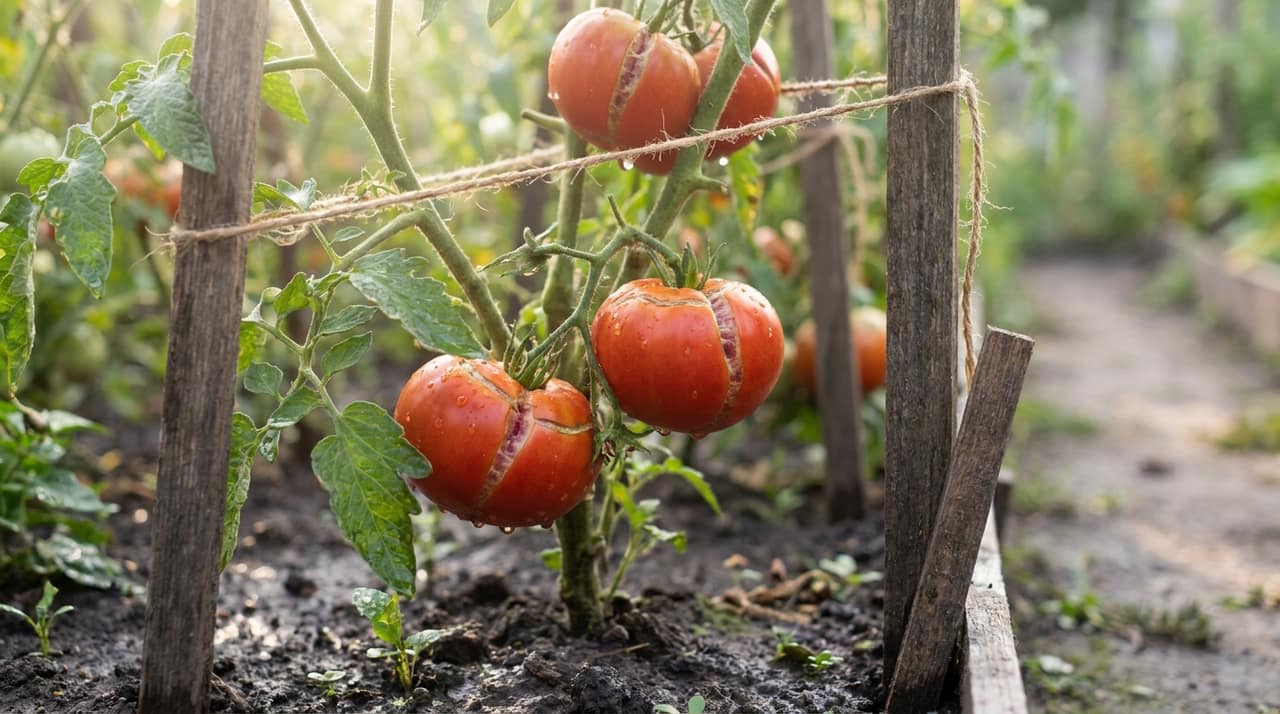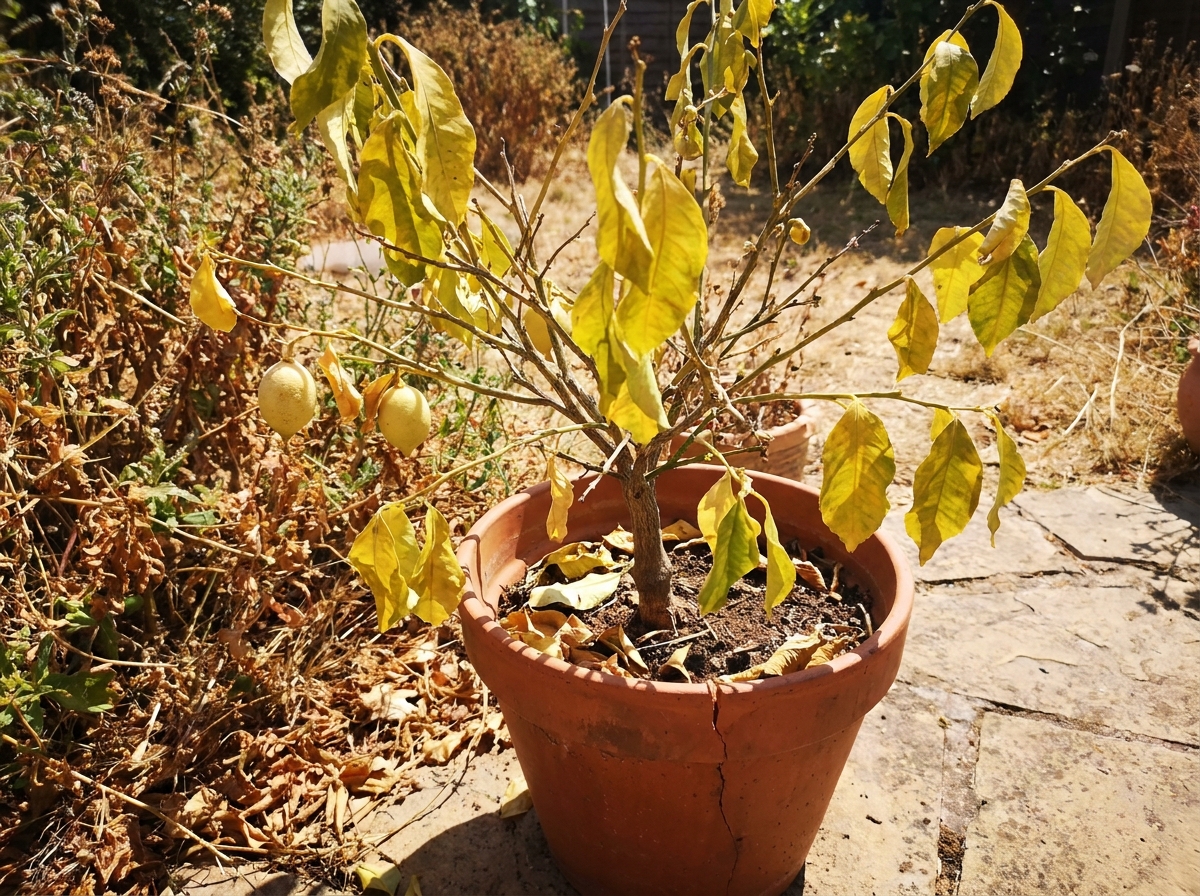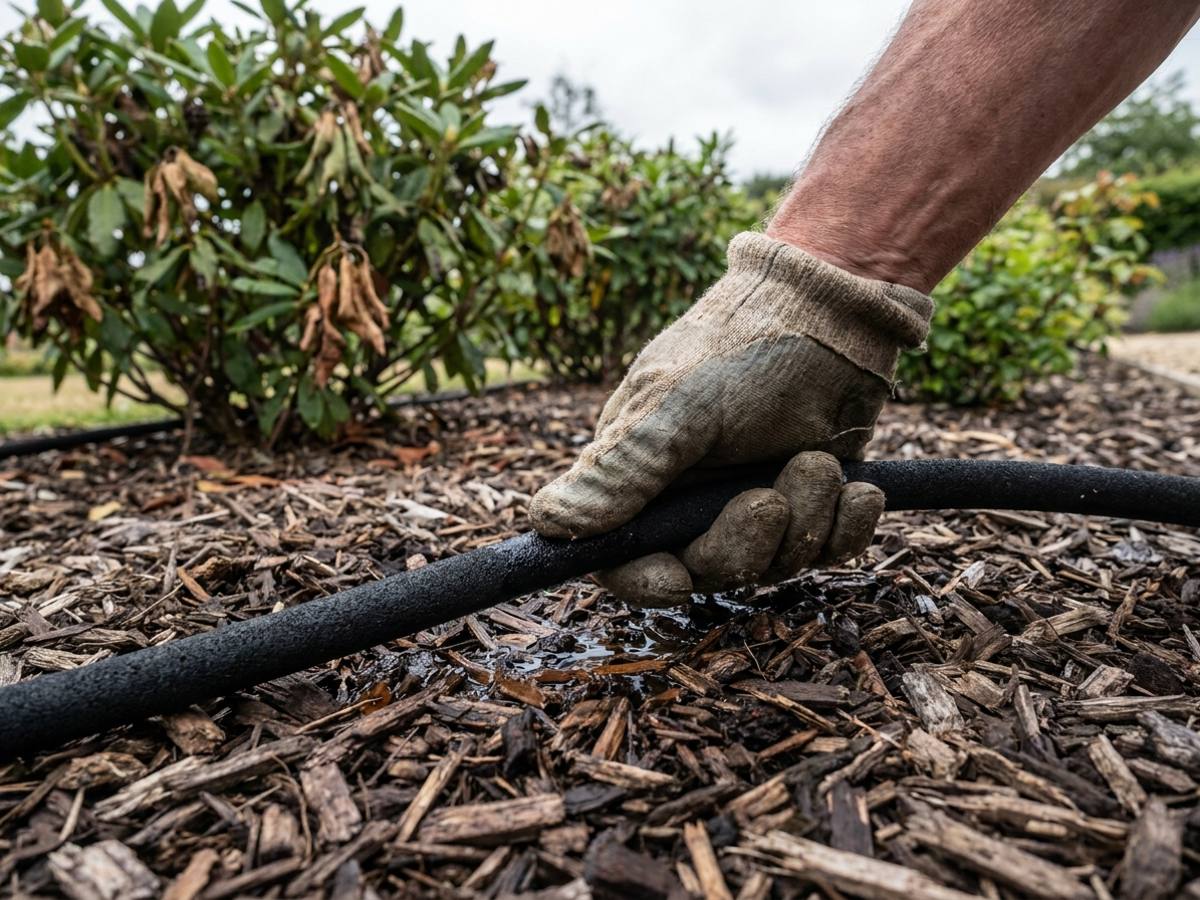
Water restrictions are tightening across the UK this August, and your daily soaking routine is now your enemy. Gardens don’t need constant moisture, they need smart strategy. Learn which plants to sacrifice, which to save, and how deep soaking beats daily dribbles every time.
By late summer, the UK’s soil has typically baked hard after weeks of heat and inconsistent rainfall. This August marks the peak of water restrictions in southern and eastern regions, forcing gardeners to make real choices about what stays hydrated and what goes thirsty. The timing is brutal because many perennials, vegetable crops, and newly planted shrubs are at their most vulnerable.
Shallow, daily watering encourages roots to stay near the surface where they dry out fastest. Plants become dependent on frequent drinks and develop weak, shallow root systems that collapse the moment restrictions tighten. A study by the Royal Horticultural Society found that gardens watered daily during drought conditions used 40 percent more water than those on a strategic deep-soak schedule, yet showed poorer plant health overall.
The solution shifts your mindset entirely. Instead of asking “should I water today,” ask “does this plant deserve rescue, and if yes, how deep can I go?” Ornamental grasses, established trees, and native perennials can survive on rainfall alone. Your vegetable beds and tender perennials need intervention, but only twice weekly, and only with thorough soaking that penetrates 20 centimetres down.
Before turning on a tap, decide what each bed actually deserves. The article splits the garden into three camps: plants that cope on rainfall, plants worth a deep soak, and plants that can be given up.
| Plant group | Priority in a drought | Watering approach |
|---|---|---|
| Ornamental grasses, established trees, native perennials | No rescue needed | Rainfall alone; leave them to it |
| Sedums and Mediterranean herbs such as rosemary and lavender | Naturally drought-tolerant | No intervention; save the water for thirstier beds |
| Vegetable beds and tender perennials | Worth rescuing | Twice weekly only, soaking 20 centimetres down |
| Annual bedding, thirsty petunias, newly planted conifers | Sacrifice first | Remove now and redirect water to vegetables and established shrubs |
Once the sacrifices are made, the remaining plants can be given proper deep soaks instead of daily dribbles.
Start these shifts today to align with restrictions and build drought-resilient beds:
Watch your soil texture closely over the next four weeks. If it remains crumbly and holds its shape when squeezed, your watering strategy is working. If plants show stress despite your efforts, prioritise shade and acceptance over additional watering. September typically brings relief with cooler nights and more reliable rain across most UK regions, so your August sacrifice sets up autumn recovery beautifully.