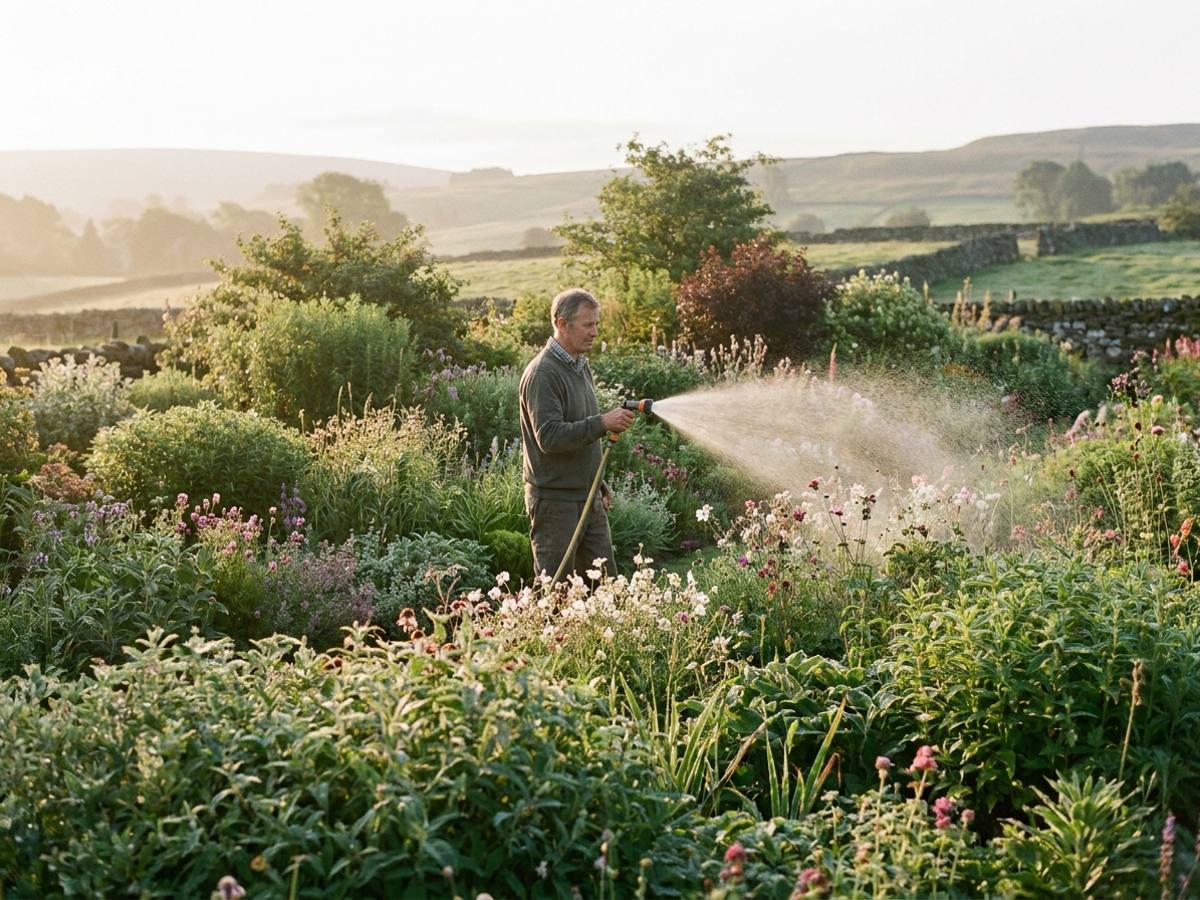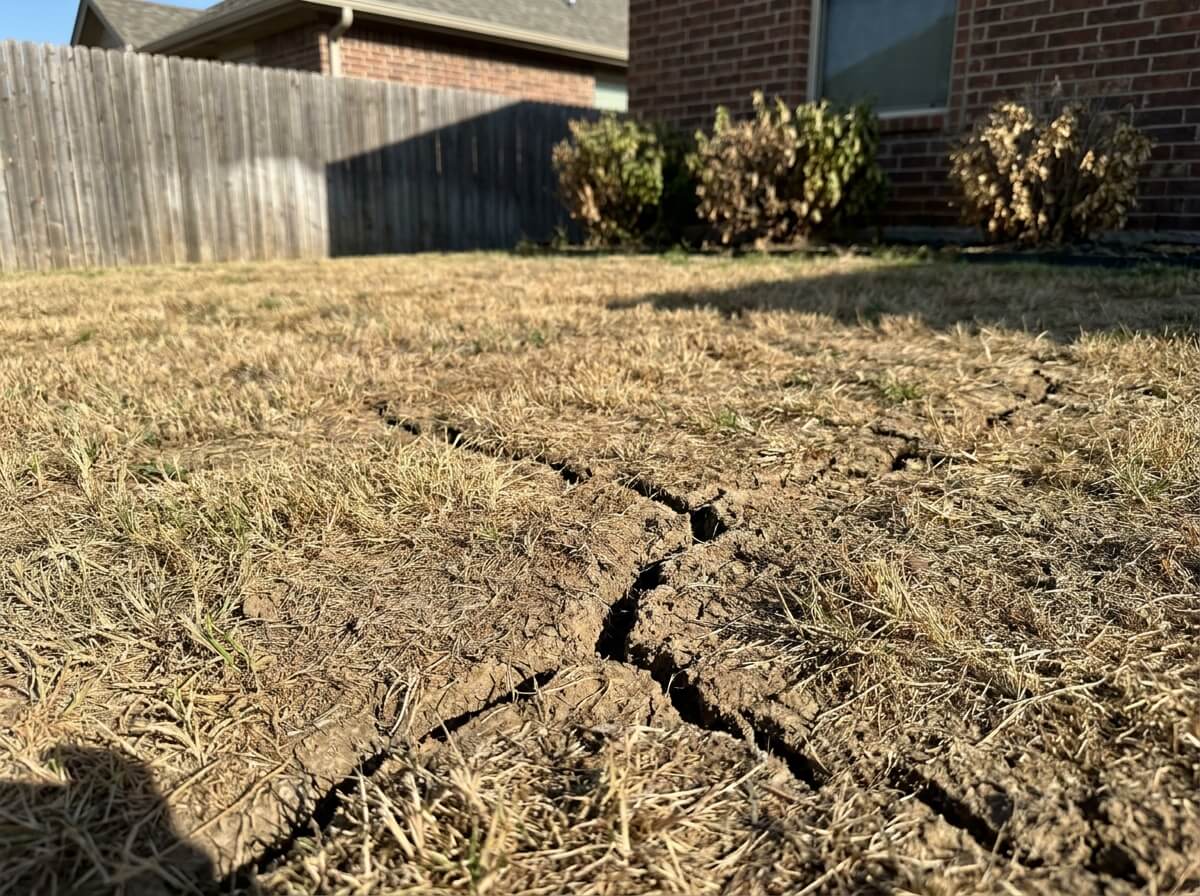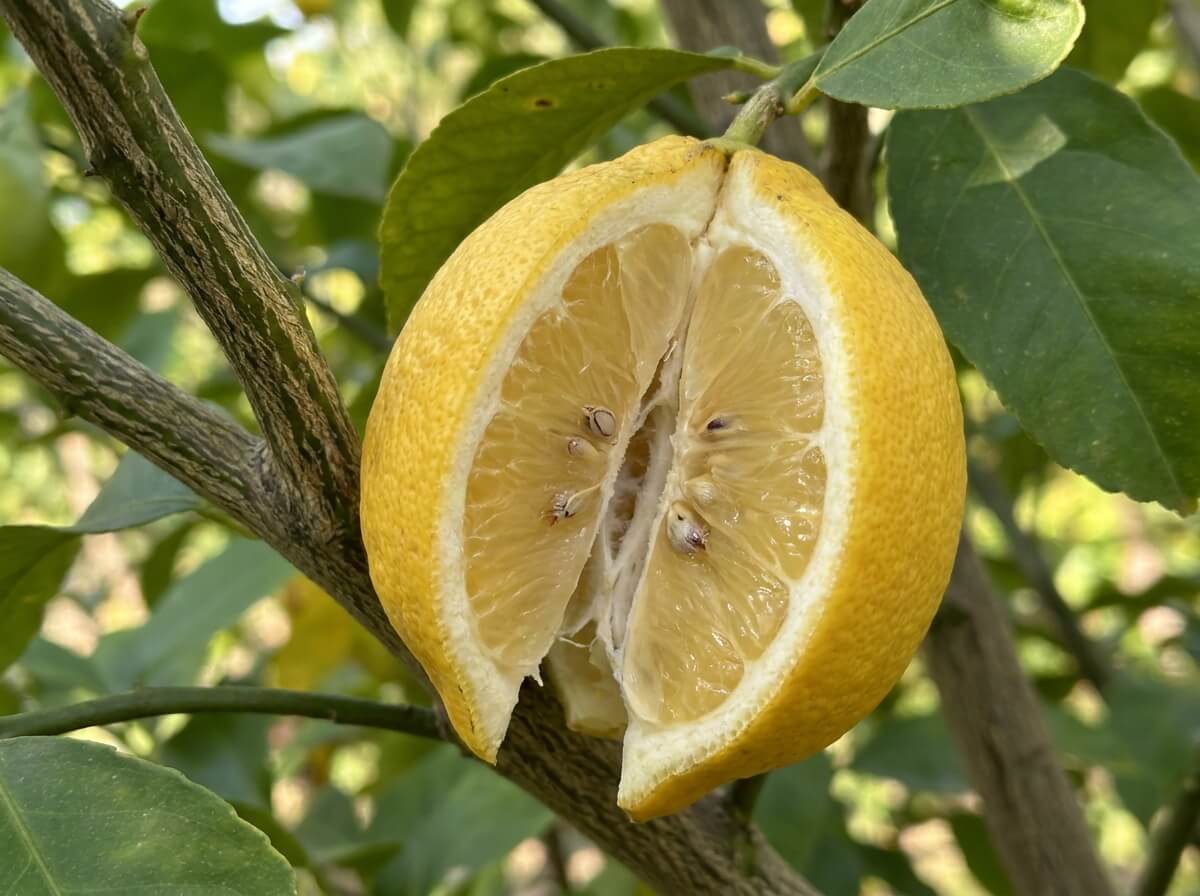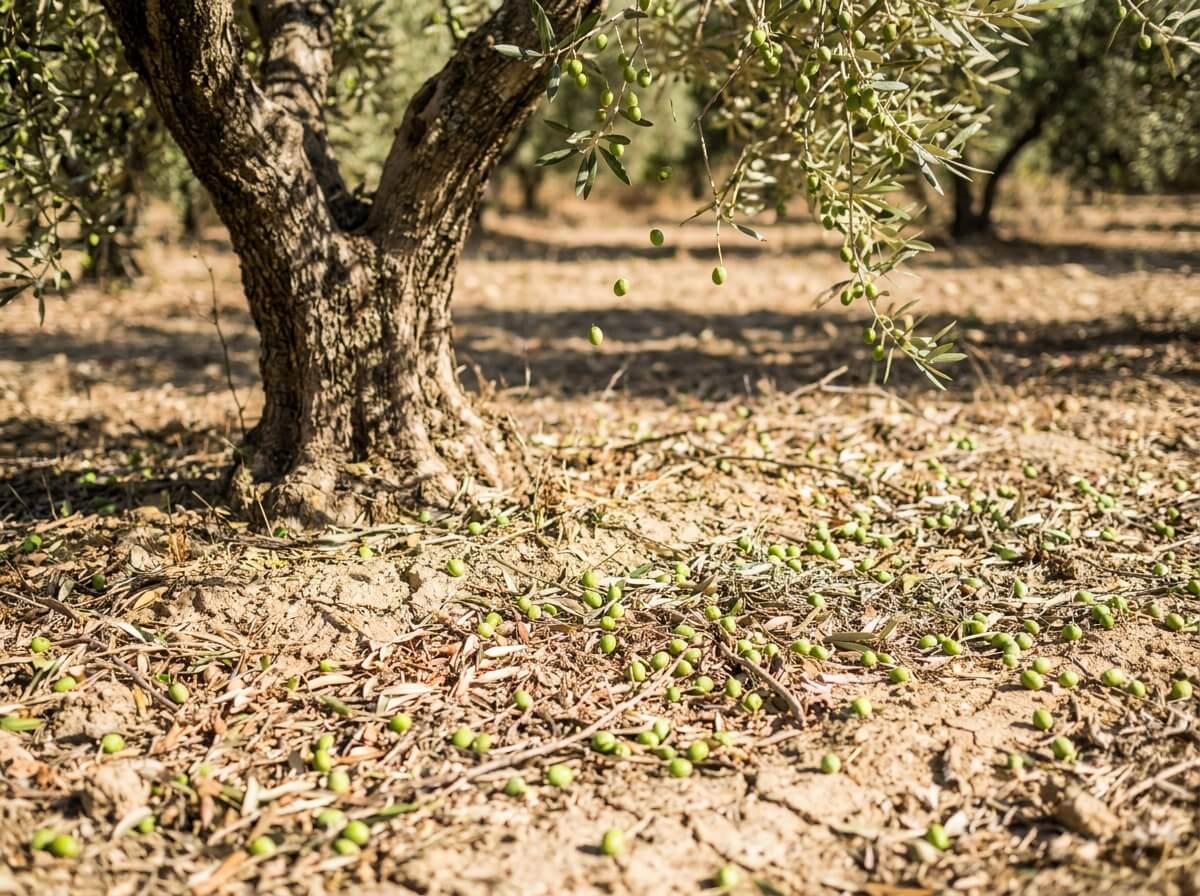
The old rule about deep weekly watering is failing gardens across the UK and US this July. Shallow daily watering is actually outperforming the conventional wisdom, especially during heatwaves. We explain the soil science that’s turned decades of garden advice upside down, and why your watering strategy needs to shift right now.
July’s combination of intense heat, low humidity, and unpredictable rainfall has exposed a fundamental flaw in traditional deep watering guidance. Right now, across both the UK and US, gardeners are watching their prize plants wilt despite following the classic advice of one thorough soak per week. The heat is arriving earlier and lasting longer than gardeners planned for, and the weekly watering schedule simply cannot keep pace with evaporation rates.
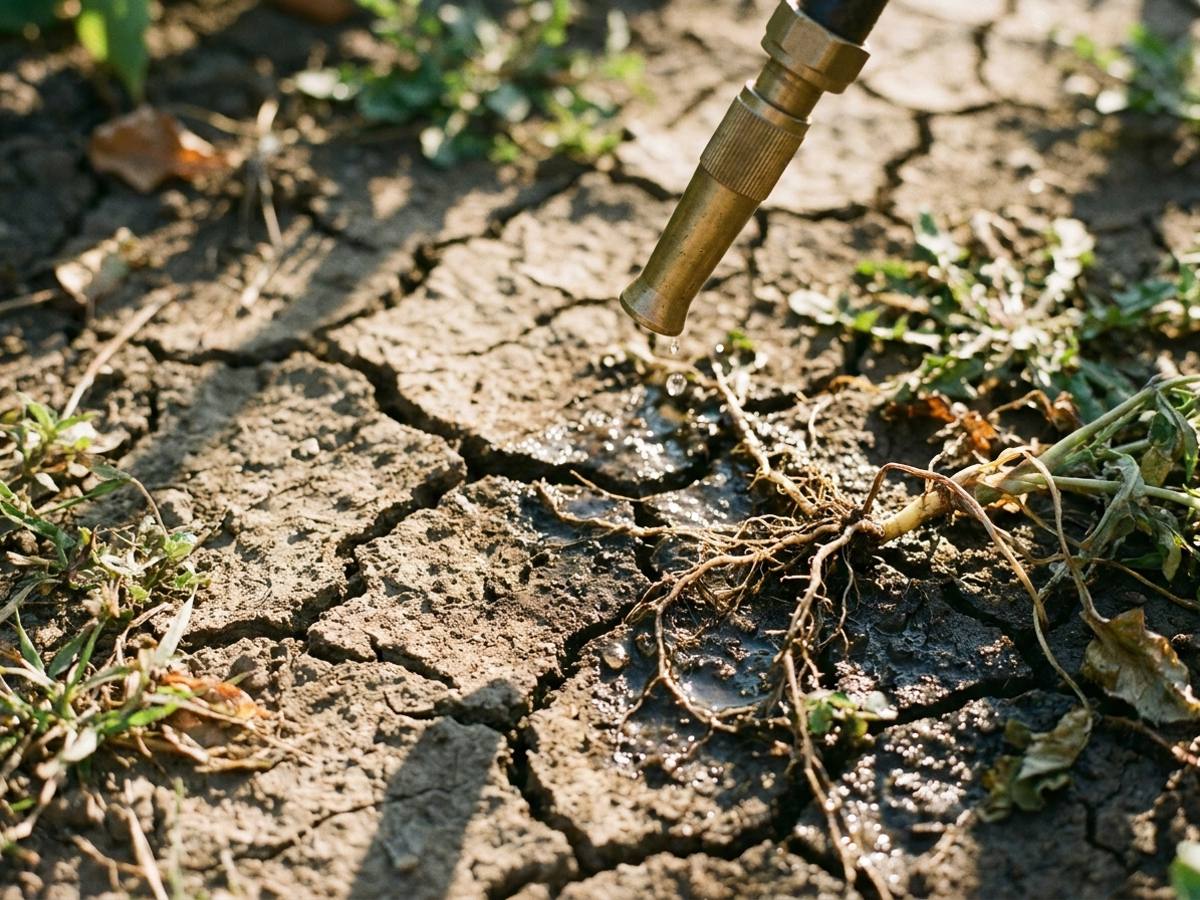
Deep watering once weekly sounds logical: it encourages roots to grow downwards, seeking moisture in deeper soil layers. The problem is that during intense heat, the top 15 centimetres of soil dries out catastrophically fast, leaving feeder roots gasping. These shallow roots are where most plants absorb water and nutrients during peak growing season. When the surface layer becomes bone-dry, plants go into stress mode, even though water sits untapped deeper below.
Research from horticultural centres in both regions shows that shallow, frequent watering keeps the root zone consistently moist without waterlogging. Daily morning watering, delivered gently over 10 to 15 minutes, mimics the way natural rainfall works in temperate climates. It allows soil to absorb moisture fully whilst maintaining air pockets essential for root respiration. This approach is particularly crucial for containers, raised beds, and newly planted specimens, which dry out far more rapidly than established garden borders.
Start with these practical changes immediately:
Watch your plants closely over the next four weeks. Signs of stress like crispy leaf edges, premature wilting, or flower drop indicate your watering isn’t matching your garden’s actual needs. As August approaches and overnight temperatures cool slightly, you may reduce frequency without causing damage. The key is flexibility: gardening isn’t formulaic, especially during unpredictable summers like this one.