Coffee grounds in the garden look like a free, obvious win. They are organic. They smell earthy, and half the internet insists they are miraculous.
But used wrong — and most gardeners do use them wrong, especially in summer heat — they compact into a mould-trapping crust. They lock out water, and slowly suffocate the roots you are nurturing. Here is what actually works.
The issue is not the coffee. It is the layer.
Spread more than 1cm thick, coffee grounds form a hydrophobic barrier. Water beads off the surface instead of reaching the roots. In summer, when soil dries fast and plants need every drop, that crust can be the difference between a stressed plant and a dead one. The fine particles also compact quickly in heat, cutting off oxygen to the soil microbiome underneath.
Then there is the pH myth. Coffee grounds are often cited as strongly acidic, but used coffee grounds typically measure between pH 6.5 and 6.8 — nearly neutral, according to Penn State Extension. Dumping them on blueberries expecting a pH drop is mostly garden folklore; this advice is a bit dodgy. Fresh, unused grounds are more acidic. But those should not go near your beds at all.
A thin mulch of grounds around acid-lovers? Probably fine.
A thick collar around your roses every week through summer? You will see it in the leaves before you realise the cause — yellowing between the veins. Stunted new growth. Sometimes a faint smell of mould at soil level on humid mornings.
Overuse also triggers nitrogen lock-up in some soil types. Grounds have a carbon-to-nitrogen ratio that can temporarily tie up available nitrogen as microbes work to decompose them — leaving your plants lacklustre and languid exactly when they should be surging. And if you are dealing with a plant already showing signs of silent decline, like a languishing lavender or olive, piling on grounds will not do wonders for it. The hidden stress already weakening your olive or lavender needs a different fix entirely. You can not see it yet, but it is not quite right.
The most effective use of coffee grounds right now is not as a mulch. It is as a compost accelerator.
Tip them straight into your compost bin in thin layers — no more than 2cm at a time — alternating with dry brown material like cardboard or straw. The nitrogen in the grounds heats the pile fast.
If you want to apply them directly to beds, follow these rules:
Plants that genuinely benefit include hydrangeas, camellias, rhododendrons, and blueberries. All of them are most content in slightly acidic, well-draining soil. For a dry garden featuring silver and blue drought-tolerant shrubs, skip the grounds entirely. Those plants prefer alkaline, lean soil and will not thank you for the organic load.
Watch for these within 10–14 days of application:
Any of these signals means the grounds are sitting, not breaking down. Pull them back, loosen the top layer with a hand fork. Route future batches to the compost bin instead. Problem sorted.
But if the soil recovers and drains cleanly after a week, a light reapplication is fine.
Yes, testing your soil pH twice a year is fiddly. Do it anyway. A £6 kit from any garden centre will tell you more about what your plants need than any internet shortcut ever will, it is bang on. The RHS guidance on soil pH is a proper guide for matching amendments to plants.

Smart tip: Always mix coffee grounds into compost or soil — never pile them on the surface.
No. Acid-loving plants like hydrangeas, blueberries, and camellias tolerate them well.
Lavender, rosemary, and most Mediterranean shrubs prefer alkaline soil — avoid applying grounds near them.
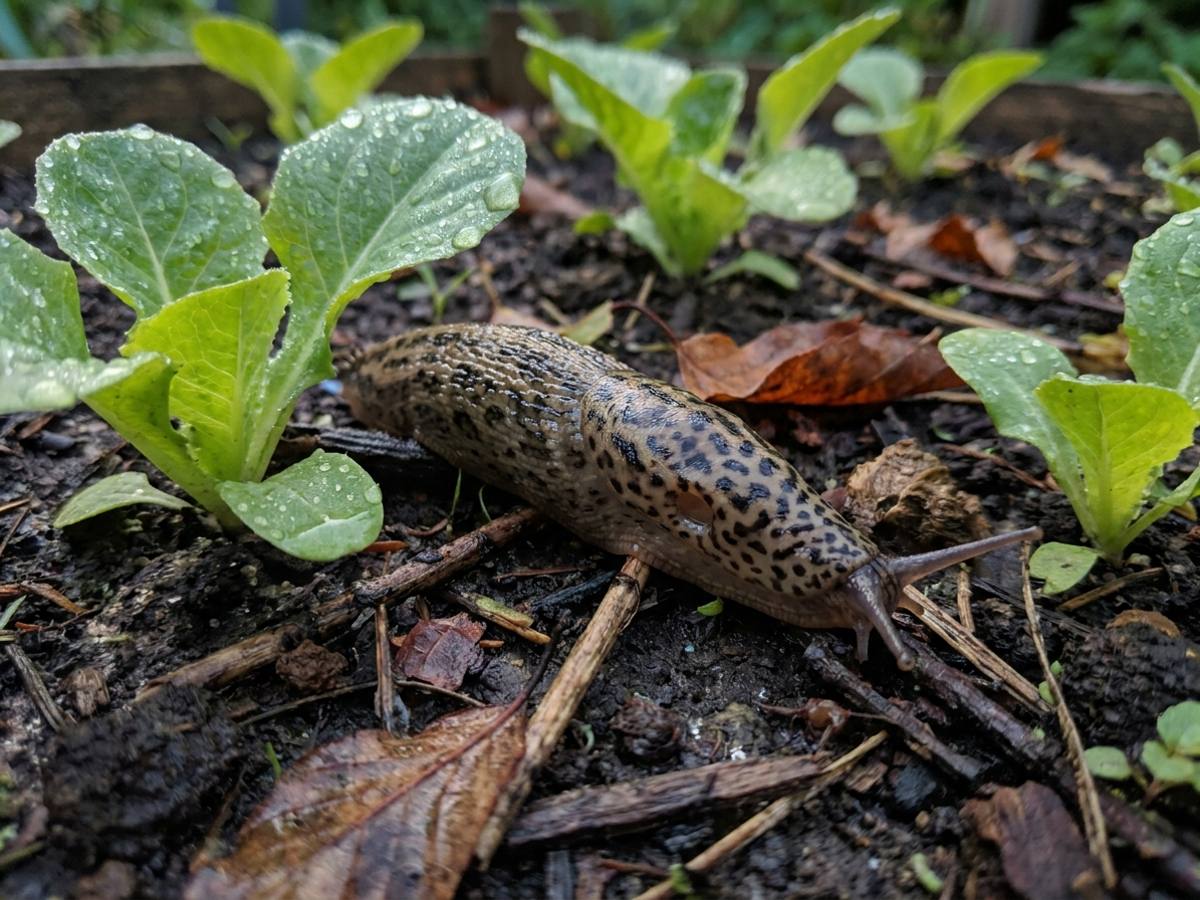
The evidence is weak. A coarse ring of grounds may deter slugs temporarily. But it breaks down within days in wet summer weather and is not a reliable control method.
Add them as often as you have them. But keep them below 20% of the total compost volume. Too many grounds unbalance the carbon-to-nitrogen ratio and slow decomposition.
Generally yes, as long as they are plain spent grounds with no added flavourings or milk residue. Many coffee shops leave bags out for gardeners — just check they have been stored for no more than 3 days or they will already be moulding.