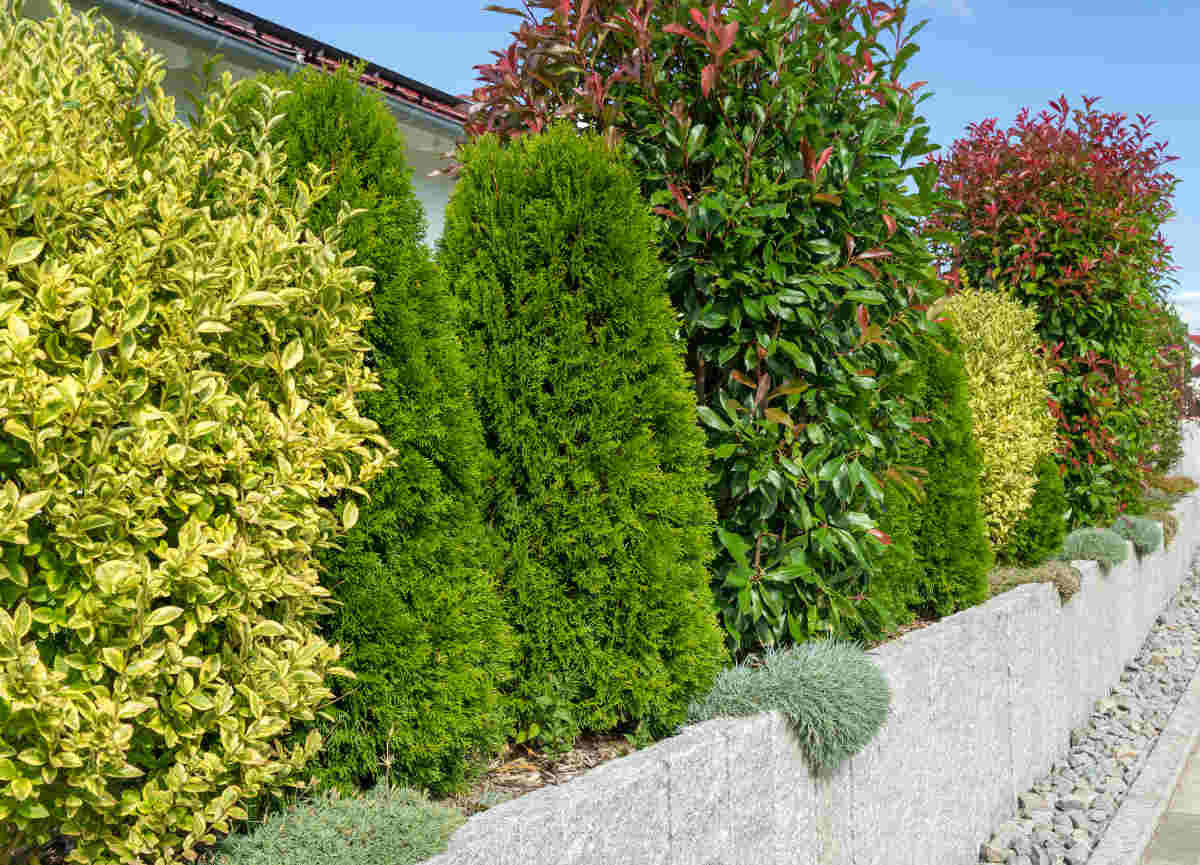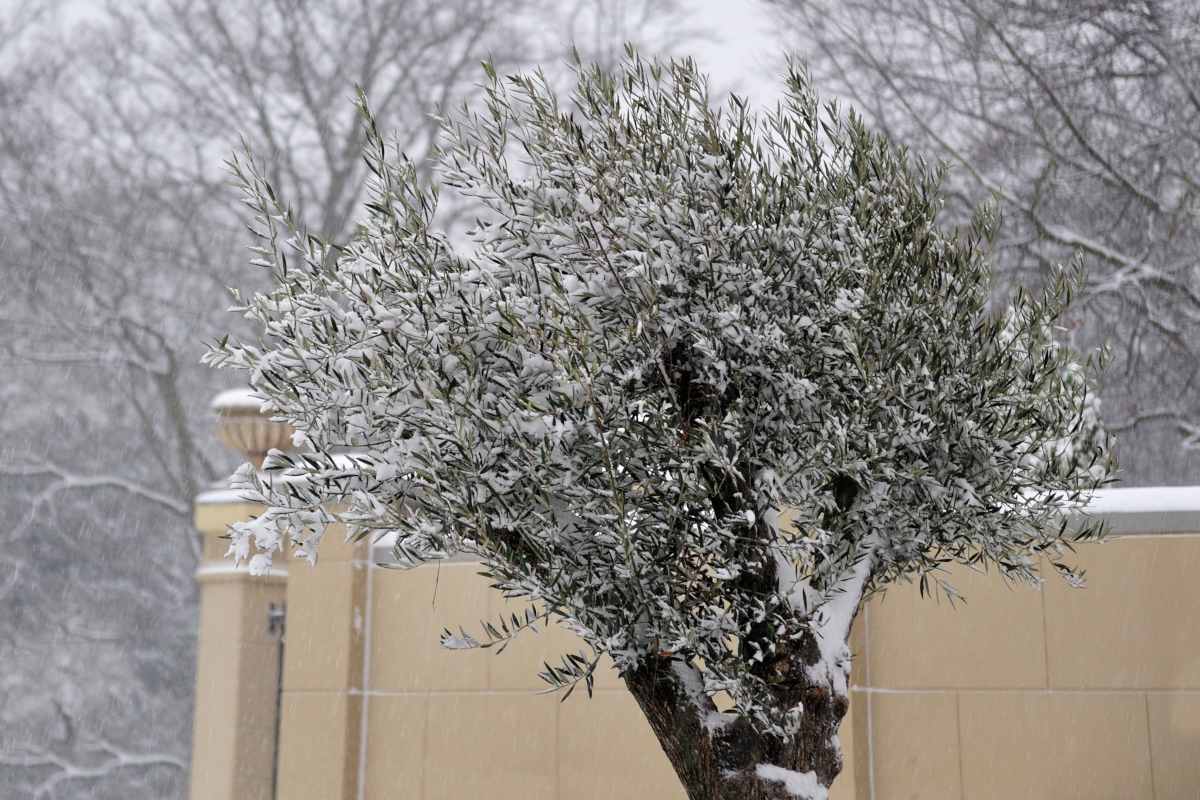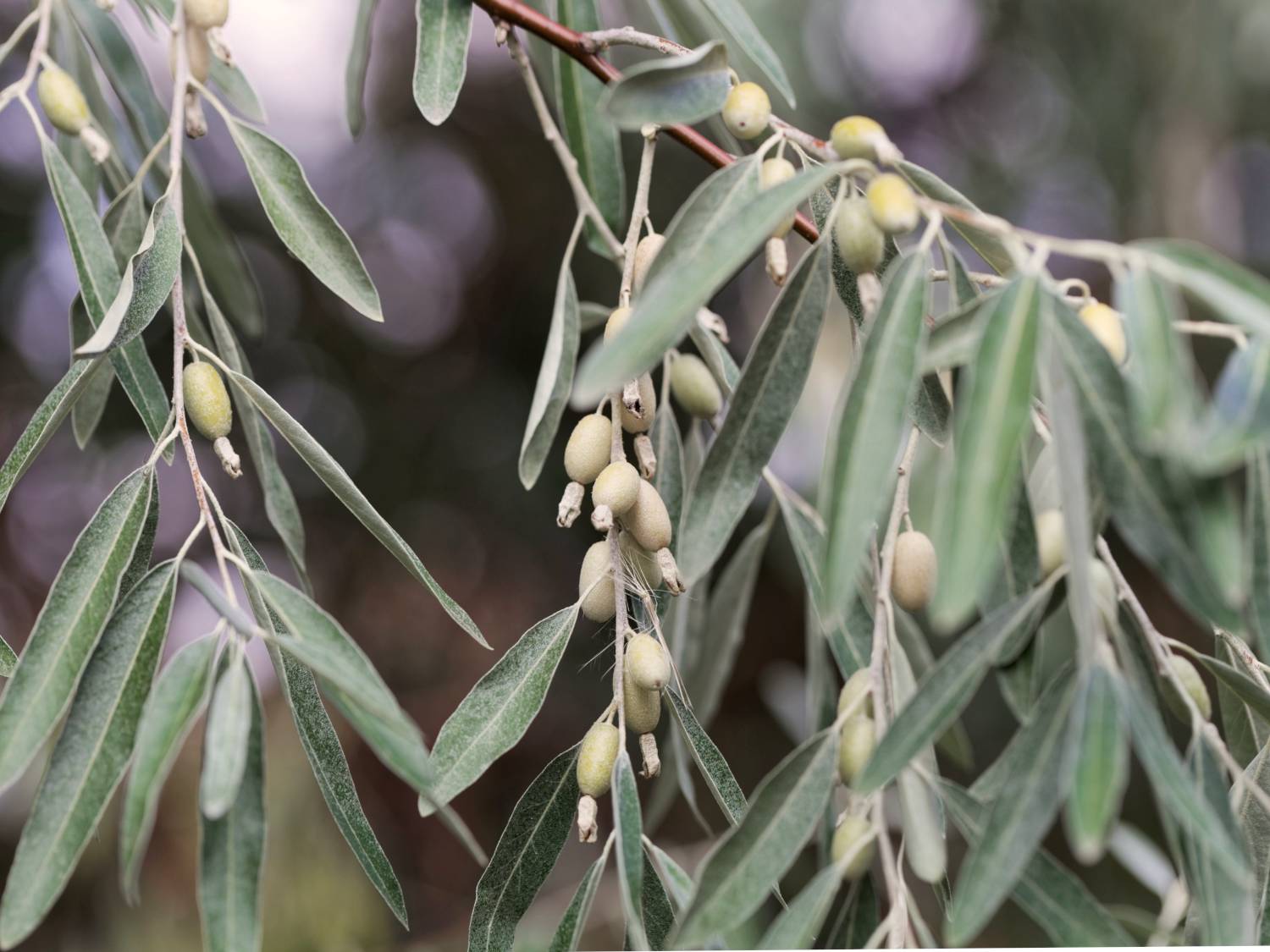
The blooming is discreet and delicate, spreading a fragrant, bee-pleasing scent, and the yellow and silver-coloured fruits that follow stay on the branches for the birds. Russian olive (Elaeagnus angustifolia) is ideal for hedges and handsome as a standalone; give it well-drained soil, never waterlogged or stagnant, and this easy shrub will thrive.
| Name | Elaeagnus angustifolia |
|---|---|
| Family | Elaeagnaceae |
| Type | shrub |
| Height | 6 to 13 feet (2 to 4 meters) |
| Exposure | full sun, part sun |
| Soil | ordinary |
| Foliage | deciduous |
| Flowering | late spring to early summer |
| Fruiting | late summer to mid-autumn |
| Invasive in | United States, Canada |
Its name comes from its native region – Southern Russia – and the resemblance to the olive tree around the Mediterranean. Ideal for hedges and very nice as standalones, these shrubs are easy to care for and very ornamental.
→ Note: Russian olive is an invasive species to control in some areas. Growing it is sometimes illegal according to some state and country regulations.
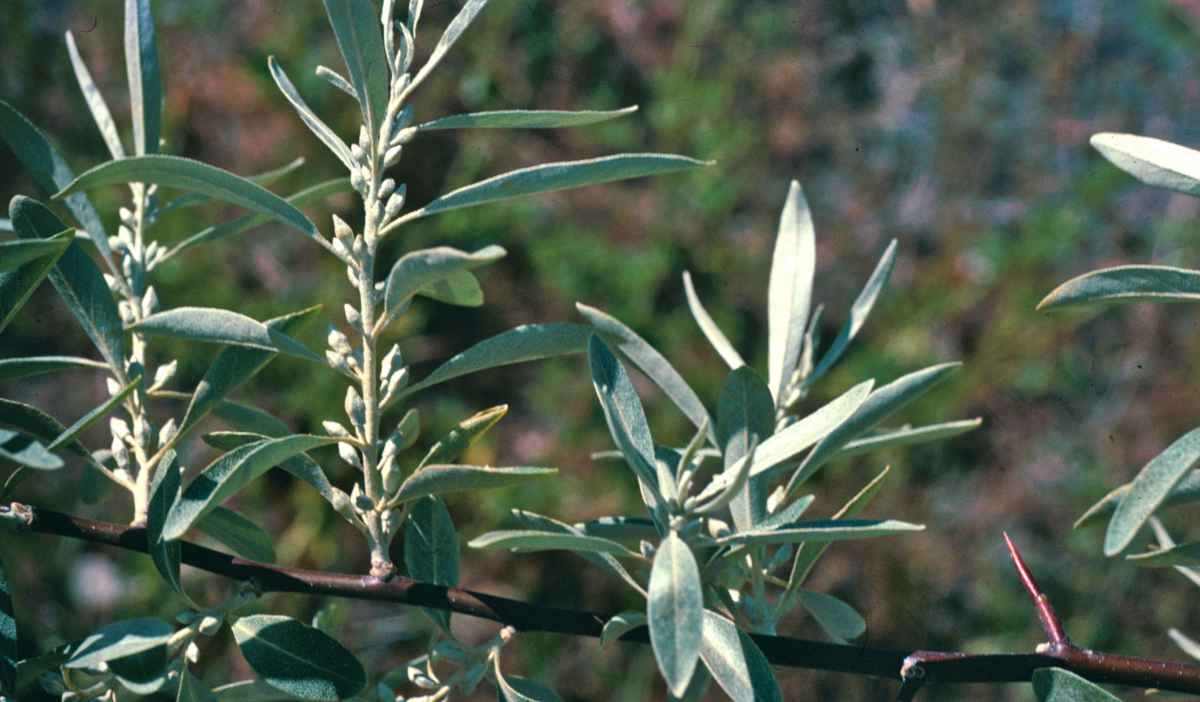
Although best planted in fall, Russian olive trees cope perfectly with being planted all year round if they were purchased potted.
If you plant your Russian olive trees during winter or during summer, avoid frost and freezing and heat waves, respectively.
To make a hedge, space trunks around 3 feet (1 meter) apart.
To increase the number of branches and make your shrubs or hedges more opaque, you can prune the shrubs lightly over the first few years, cutting back about ⅓ of the previous year’s growth.
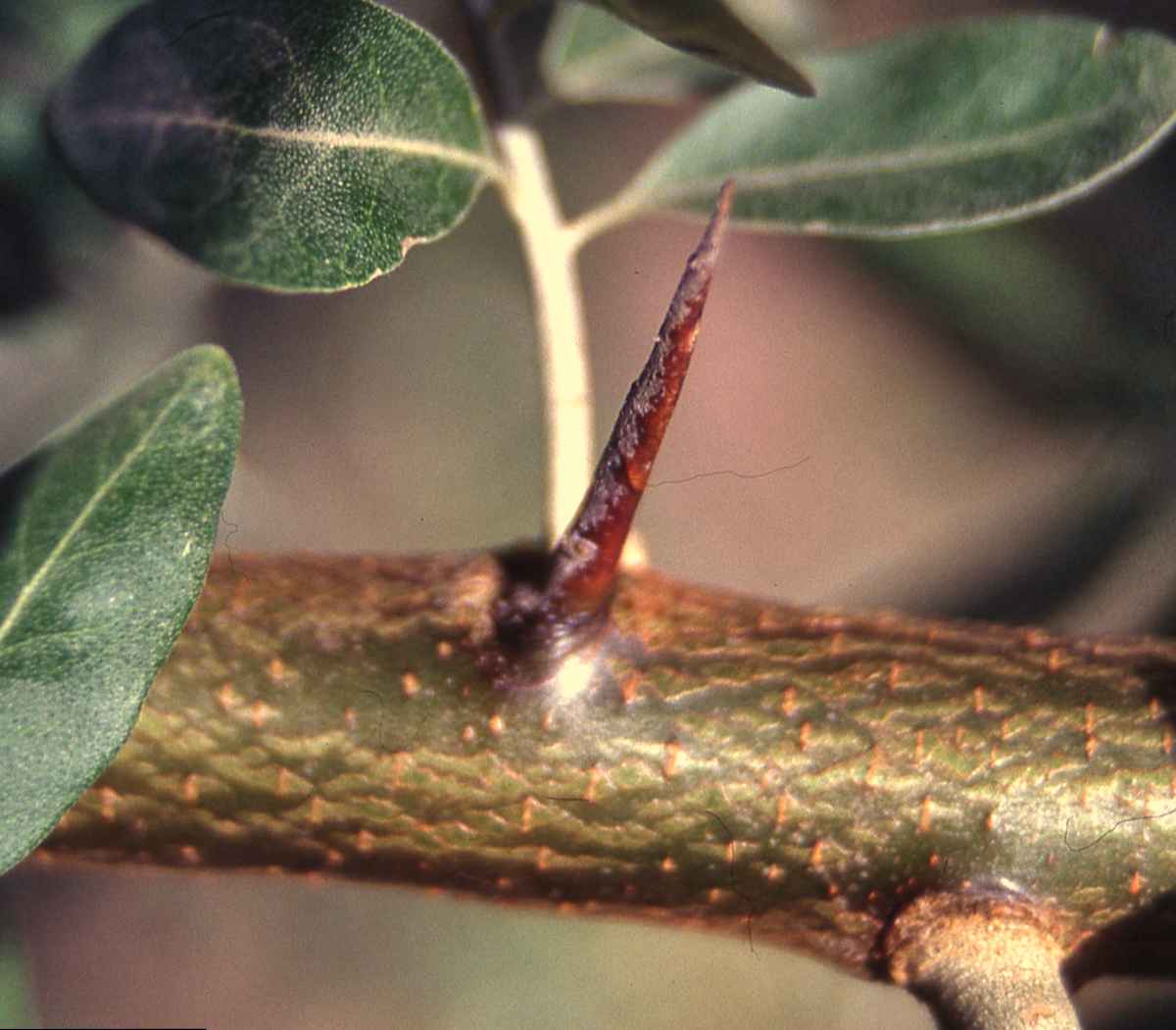
Russian olive can be pruned at the beginning of spring or in fall.
These shrubs grow back after all sorts of pruning, even if these were drastic.
They can thus be given different shapes, such as a big ball or other, without hindering their development.
Cutting Russian olive back severely (hard pruning it) sometimes triggers an unexpected response.
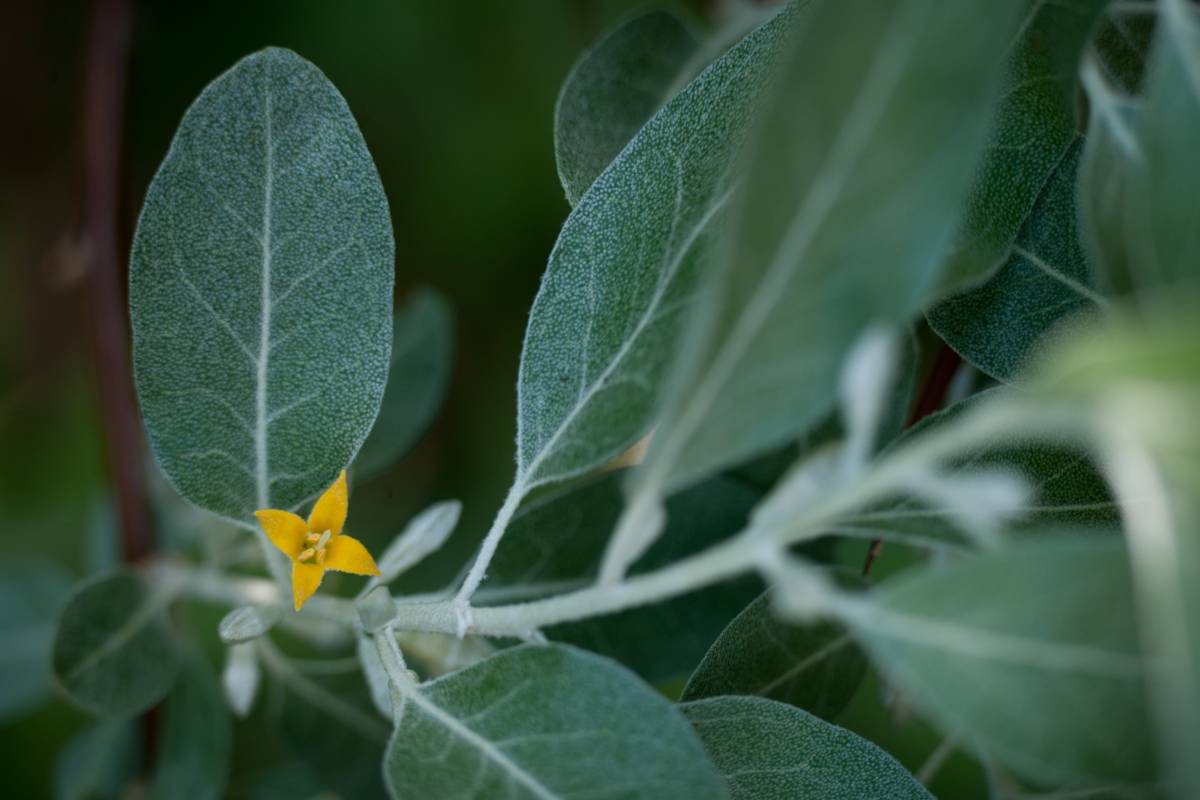
Why does this happen? After cutting back most branches (sometimes called hat-racking), sap circulation is interrupted. The strong root system sends new shoots up in various places along the main roots, thus spreading the reach of the tree.
This is typical of a root-suckering species, which Eleagnus angustifolia definitely is.
The two operations that matter with Russian olive are getting it in the ground at the right moment and pruning it the right way. This table sums up the timing, the gesture and the pitfall for each case described above.
| Operation | When | What to do | Watch out for |
|---|---|---|---|
| Planting a potted specimen | Best in fall, but all year round is possible | Plant in well-drained soil | Potted stock only for out-of-season planting |
| Planting in winter or in summer | Winter or summer | Choose a mild spell | Avoid frost and freezing, and heat waves |
| Planting a hedge | Fall for best results | Space trunks around 3 feet (1 metre) apart | Trunks set too close for an opaque screen |
| Light pruning for density | Beginning of spring or fall, over the first few years | Cut back about ⅓ of the previous year’s growth | Sharp thorns or spikes – wear gloves and thick clothing |
| Hard pruning (cutting back severely) | Any pruning season | Reshaping, even drastic, is tolerated | New shoots pushed up from the roots instead of healing |
Whichever pruning you choose, the shrub grows back – the only real question is whether it grows back where you want it.
Foragers are keen on finding sources of food in the wild. Fruits of the Russian olive tree look like olives, hence the name. However, they aren’t very common as a source of food.
Nonetheless, they’re perfectly edible as long as a few conditions are met:
They’re edible raw, cooked, boiled or steamed and roasted.
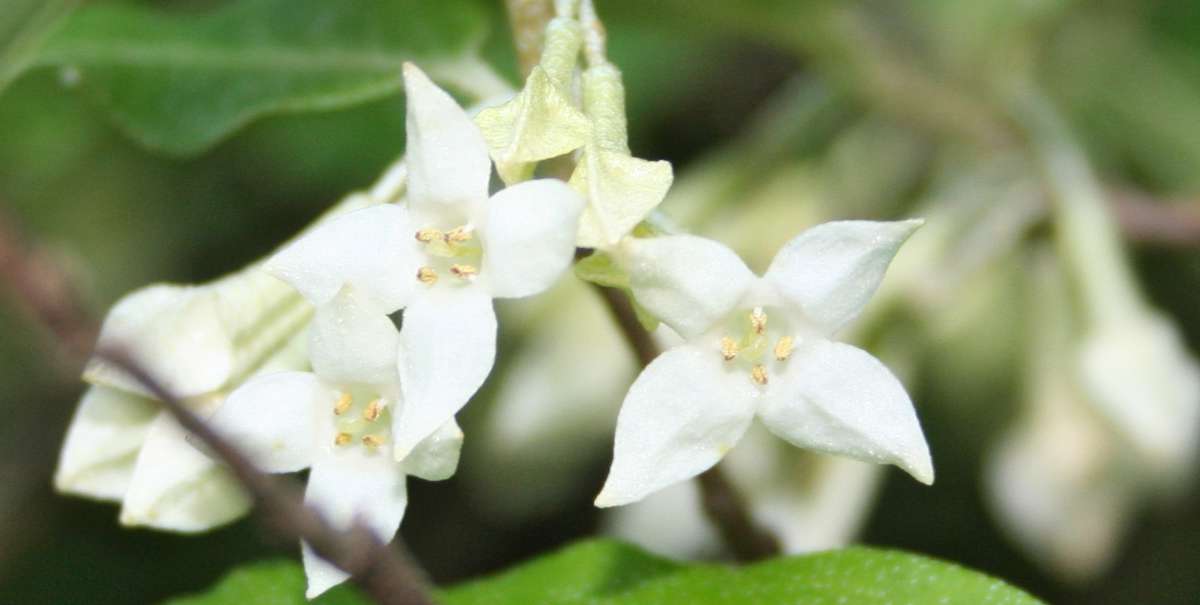
Being more hardy than classical olive trees and very beautiful with their silver-gold hues, Russian olive trees are making a comeback among the favorite plants in our gardens.
In spring, the discrete and delicate blooming will spread a fragrant bee-pleasing odor, and in fall yellow and silver-colored fruits attract birds with their fruits which are edible even for us. They stay attached to the tree even as leaves drop in Fall. A great winter snack for our fowl friends!
A cousin of Russian olive is American silverberry, Elaeagnus commutata. It’s native to North America, unlike Russian olive.
Elaeagnus don’t do well in very wet ground.
Avoid constantly waterlogged soil and stagnant water or your plant will dwindle away.