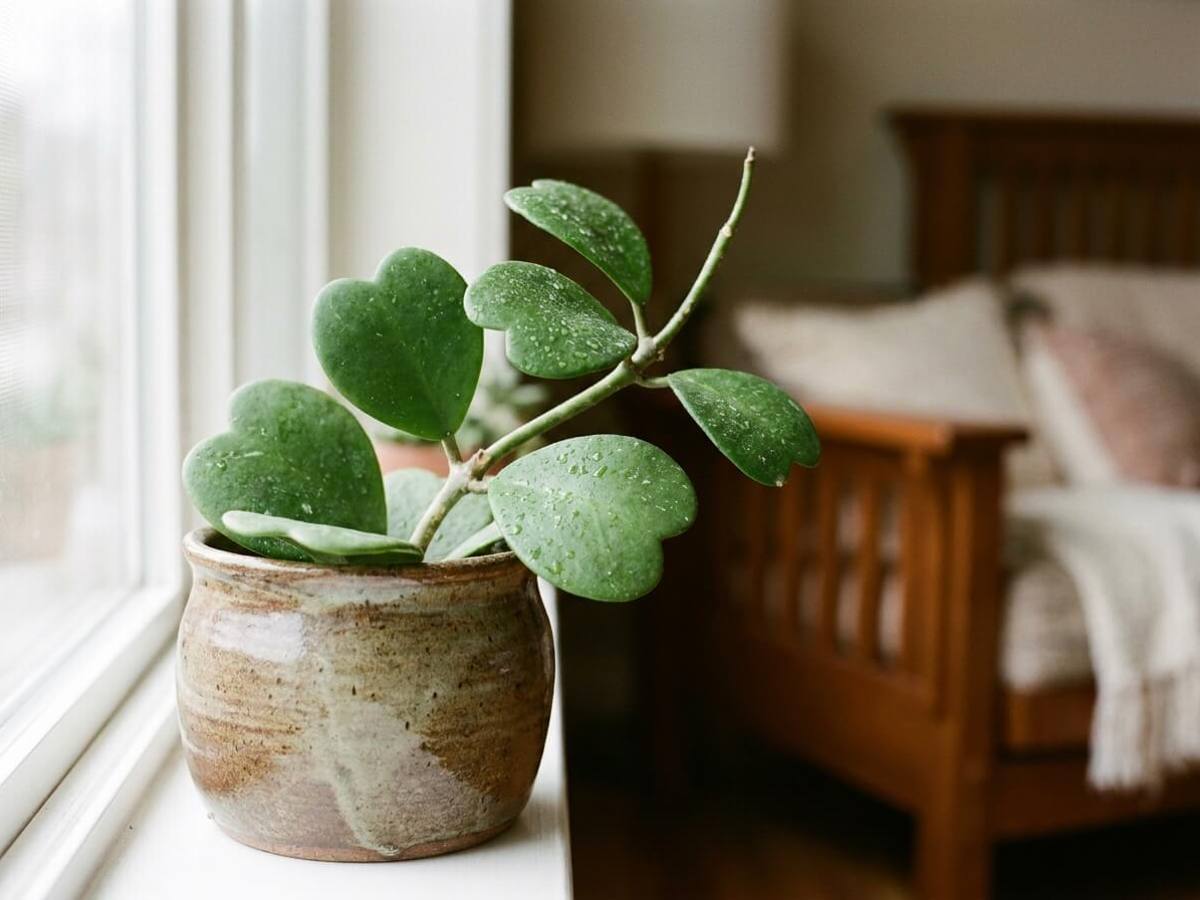
With its thick, glossy, heart-shaped leaves, Hoya kerrii is one of the most instantly recognisable houseplants in the world — usually sold as a single rooted leaf in a tiny pot for Valentine’s Day. Given time and a support to twine around, however, it becomes a substantial succulent climber that produces domed umbels of waxy, chocolate-scented flowers. It is slow, tough and remarkably long-lived, asking for little more than bright light and a dry spell between waterings.
Growing conditions
Bright, filtered light produces the fastest growth and the best chance of flowers. An east-facing windowsill is close to ideal, as is a position a metre back from a south- or west-facing window. Harsh midday summer sun through glass will scorch the leaves, leaving pale bleached patches that never recover.
In the wild this is an epiphyte, scrambling over tree bark rather than rooting in soil. Replicate that with a gritty, airy mix: roughly equal parts orchid bark, perlite and a peat-free houseplant compost, with a handful of horticultural charcoal. A slightly acidic to neutral pH suits it best, and the pot must have generous drainage holes.
It is strictly a conservatory or houseplant in temperate climates, suffering below about 12 °C and risking death near freezing. Gardeners in frost-free subtropical regions can grow it outdoors in dappled shade beneath trees, where it will climb happily into the branches.
How to plant Hoya
Pot or repot in late spring, as light levels rise and the plant moves into active growth. Hoyas flower better when slightly pot-bound, so resist the urge to size up too often.
Allow 30–45 cm between plants in a trough or outdoor position, so air can move freely around the fleshy stems and discourage fungal problems.
Set the plant at the same depth it was growing before, keeping the base of the stems at compost level — burying them invites rot.
Choose a pot only 2–3 cm wider than the old one and fill with a chunky, bark-based mix rather than ordinary compost.
Water in lightly, then wait a week before watering again to let any damaged roots callus over.
Propagate from stem cuttings with at least two nodes taken in early summer; root in damp sphagnum moss or perlite at 22–25 °C.
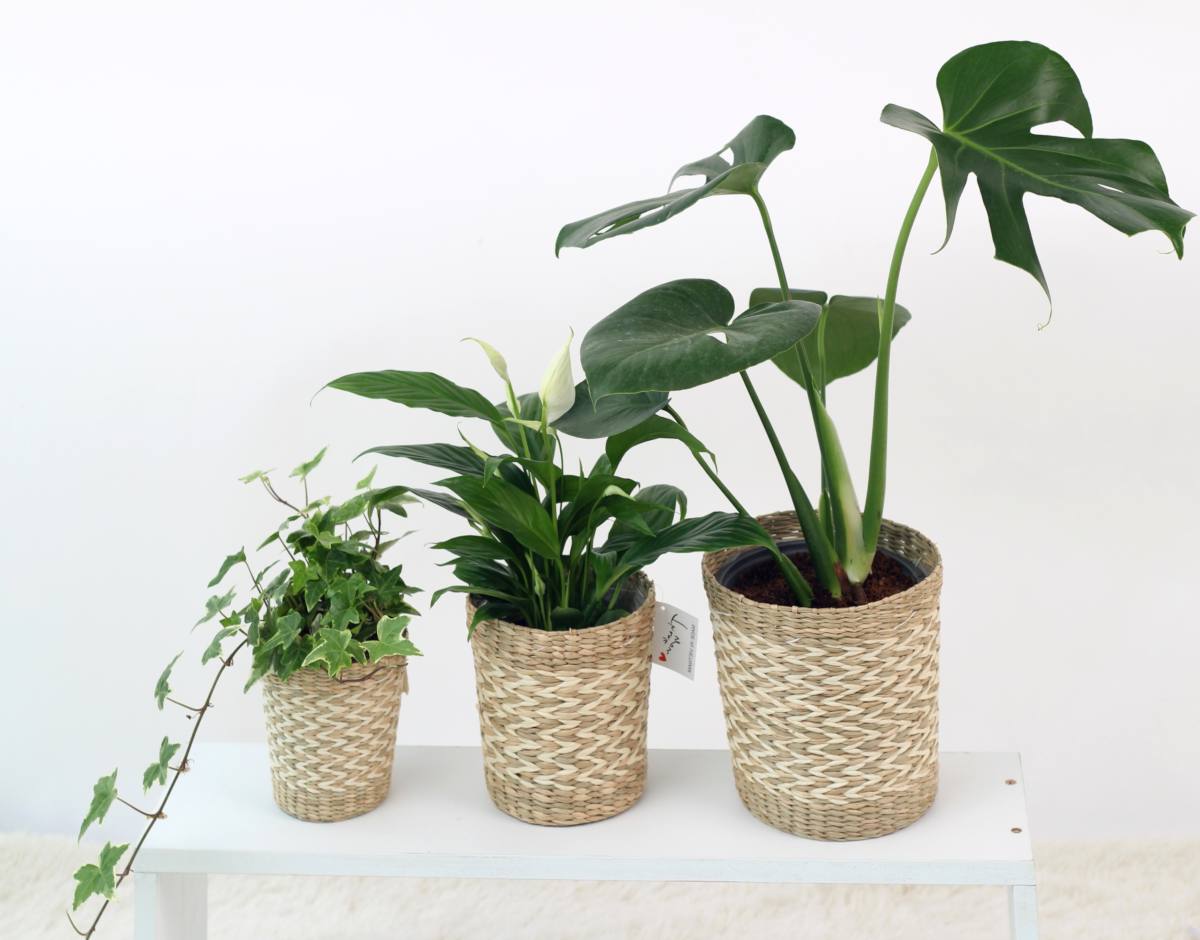
Hoya kerrii displayed as a houseplant in a home interior
Care through the seasons
Spring: Growth restarts as days lengthen, often as a long leafless tendril that looks alarming but will eventually leaf up — never cut it off. Begin feeding every third or fourth watering with a balanced liquid feed at half strength. This is the best moment to repot, take cuttings or add a trellis or hoop.
Summer: Water thoroughly when the top half of the compost is dry, then let it drain completely; never leave the pot standing in water. Flower buds form on short woody spurs called peduncles, which must be left in place as they rebloom year after year. Switch to a high-potassium feed once buds appear, and expect sticky nectar to drip from open flowers.
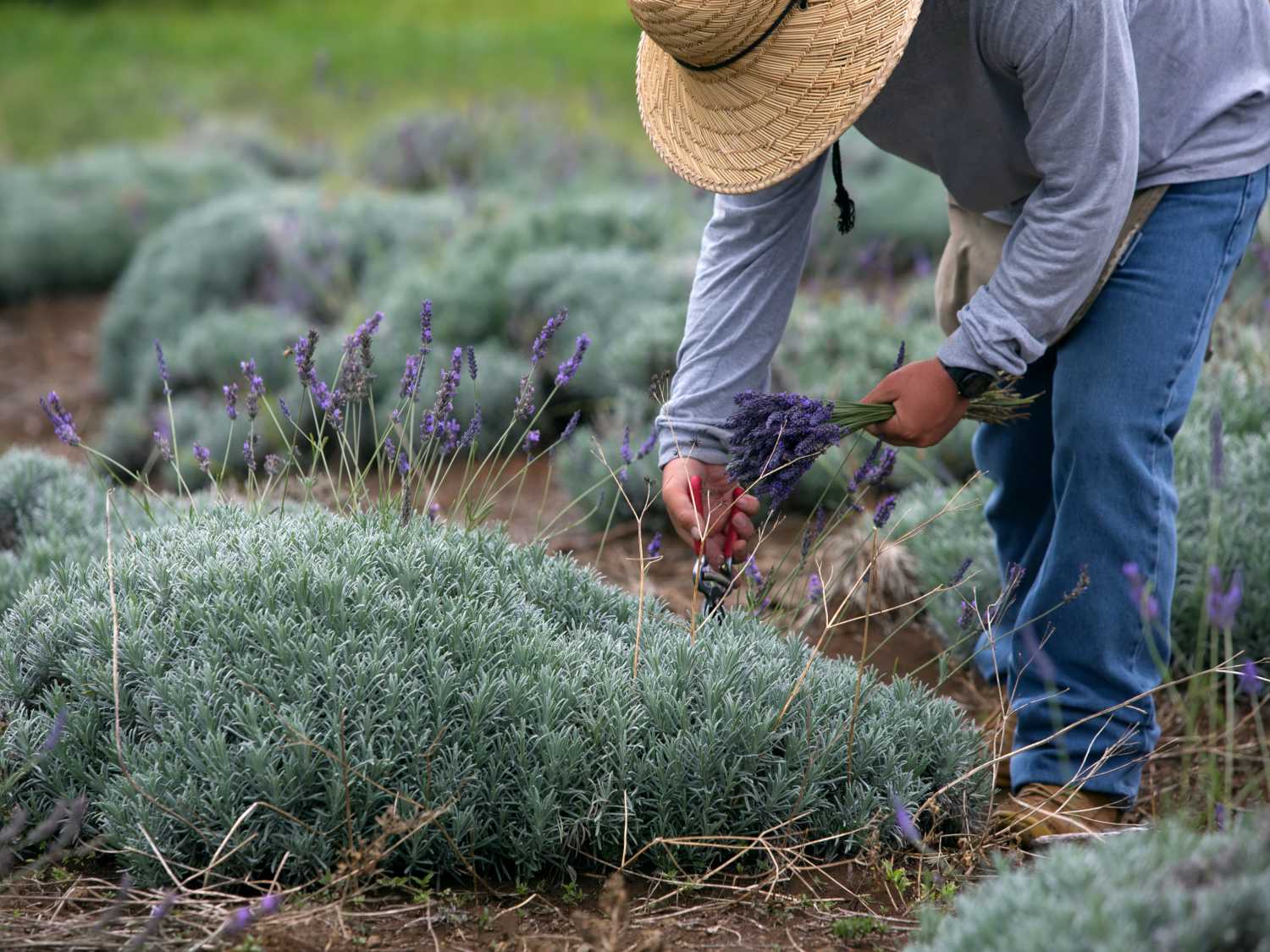
Autumn: Reduce feeding from late September and stretch the interval between waterings as light levels fall. Tidy only dead or damaged growth — hard pruning removes the very spurs that carry next summer’s flowers. Move plants closer to a window to compensate for weaker autumn light.
Winter: Keep the compost barely moist and the temperature above 12 °C, away from cold glass and draughts. A cooler, drier rest of a few weeks often improves flowering the following summer.
Best varieties to grow
Several leaf forms are widely offered, and the variegated ones are slower but far more ornamental.
Hoya kerrii ‘Albomarginata’ — plain green hearts edged with a broad cream-white margin, often flushed pink in bright light.
Hoya kerrii ‘Variegata’ (reverse variegated) — butter-yellow centres with green edges; the slowest grower of all, so buy the largest plant you can.
Hoya kerrii ‘Splash’ — green leaves peppered with silvery flecks, a vigorous and forgiving choice for beginners.
Hoya kerrii ‘Black Leaves’ — foliage that darkens to deep bronze-maroon under strong light, striking against pale walls.
Pests, diseases and common problems
Mealybug: White cottony clusters hide in leaf axils and under the pot rim, causing sticky residue and sooty mould. Dab each colony with a cotton bud dipped in surgical spirit, then spray weekly with insecticidal soap for a month.
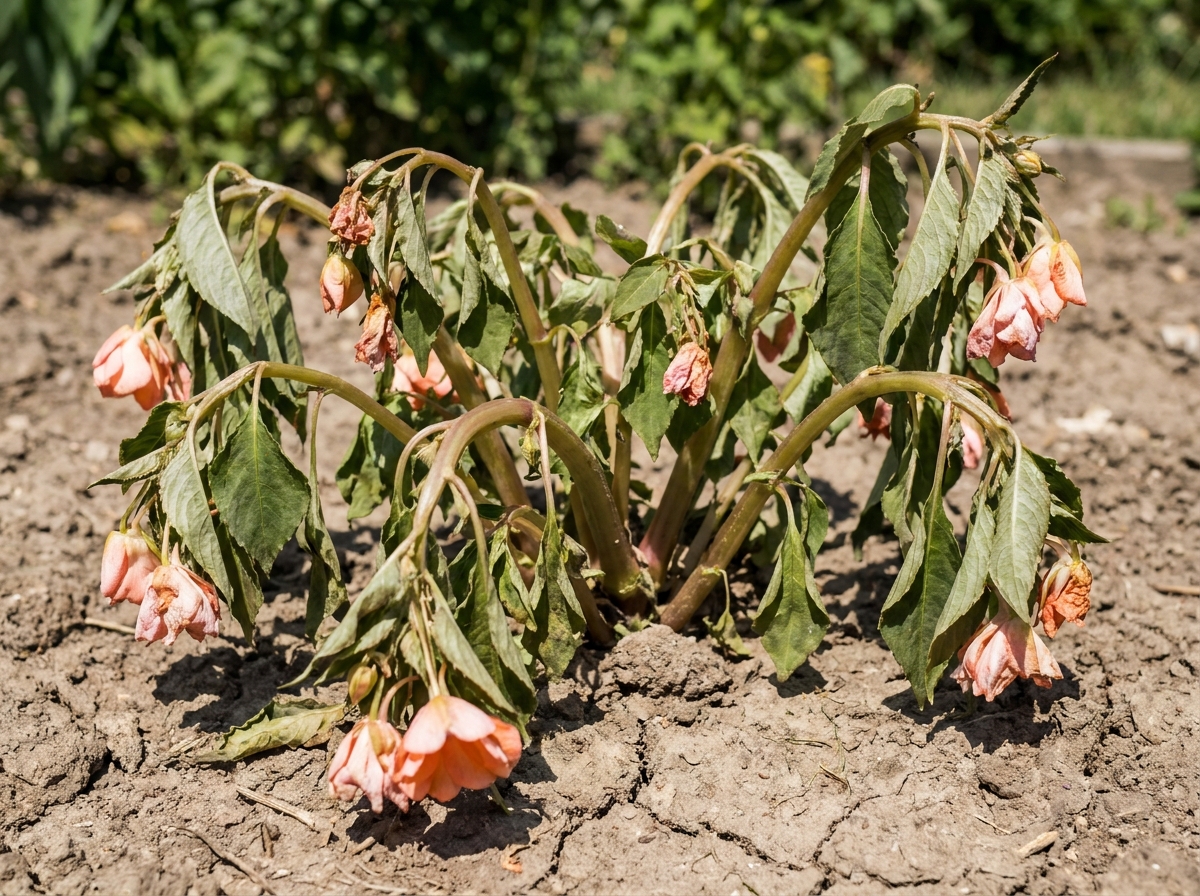
Root rot: Yellowing, soft or shrivelling leaves despite wet compost signal drowned roots. Unpot, cut away blackened roots, and repot into fresh, dry, bark-rich mix, watering sparingly until new growth appears.
Refusal to flower: Usually too little light, too much repotting, or removal of the flower spurs. Move to a brighter spot, leave the plant pot-bound for two or three years, and never snip off the stubby peduncles.