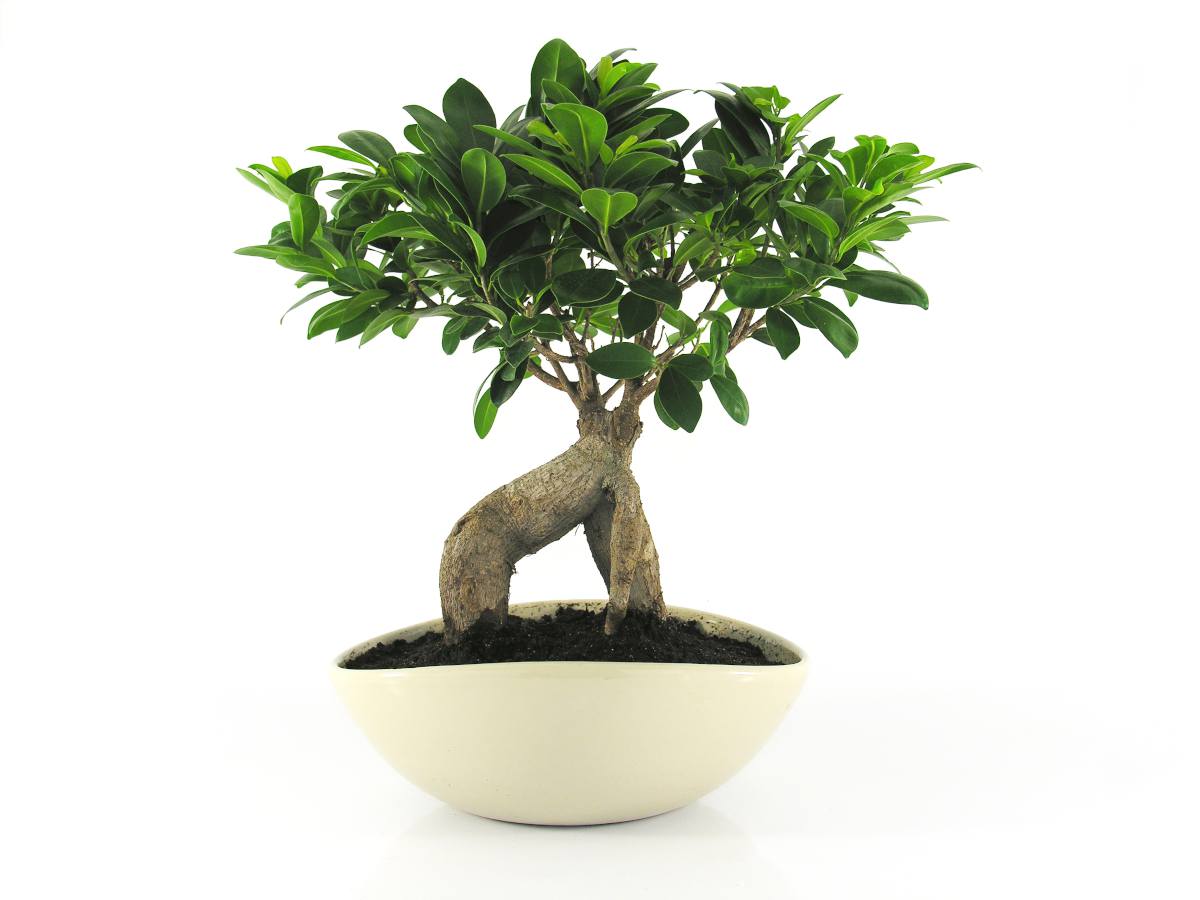
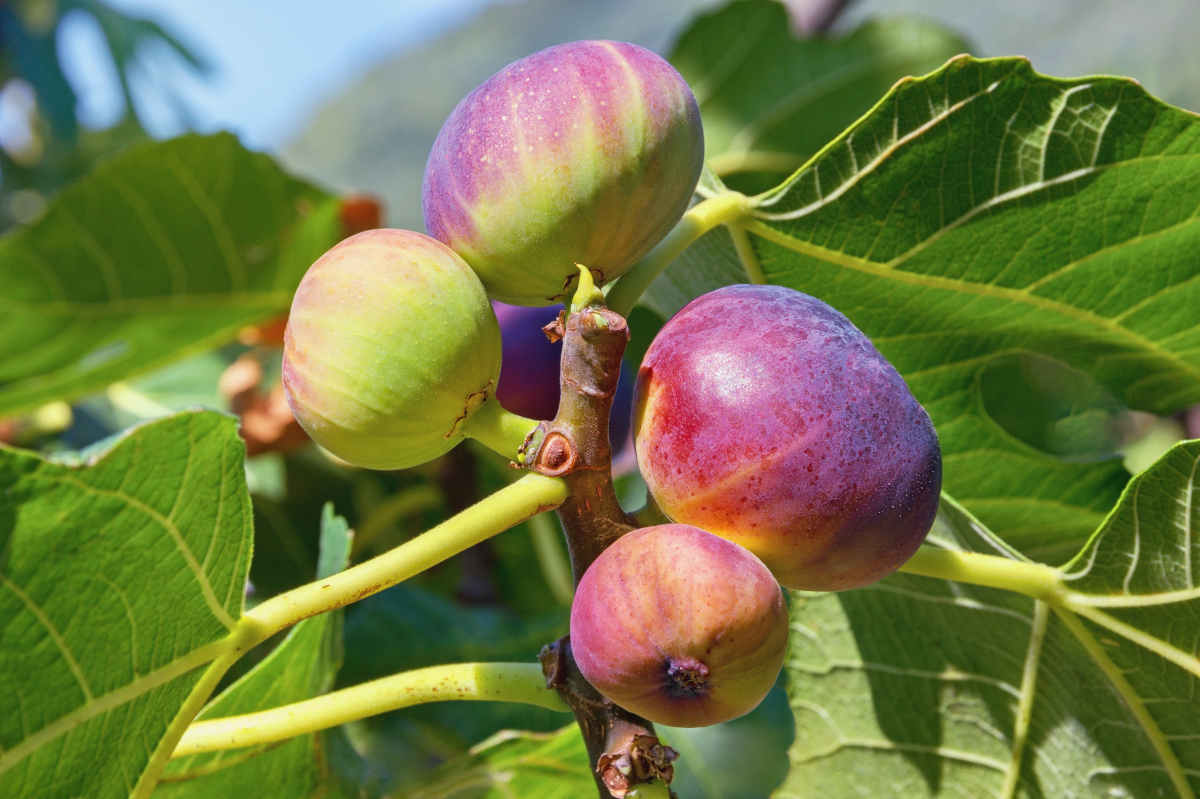
A weeping fig cutting roots readily, which is unexpected for a plant with a reputation for sulking. The obstacle is not the rooting itself but the milky sap: it seals the cut surface within minutes, and a cutting taken without dealing with it simply sits there and does nothing.
Handle that one detail and the success rate goes from disappointing to routine.
Taking the cutting
Choose a healthy stem tip of 10 to 15 cm, semi-ripe: firm at the base, still flexible at the tip. Soft green growth rots, fully woody stems are slow
Cut just below a leaf joint with clean secateurs. That node is where roots form
Stop the sap immediately — this is the step everyone skips. Stand the cut end in tepid water for a few minutes, or blot it until the flow stops, then let the surface dry for half an hour before planting
Remove the lower leaves, keeping three or four at the top. Halve any very large remaining leaf to cut water loss
Take several. Losses are normal and cost nothing
Roots in water look impressive but are brittle. Pot them on while they are short — 2 to 3 cm — rather than waiting for a display like this.
Water or compost?
Both work, and they fail differently.
In water: put the cutting in a clear jar, change the water twice a week, keep it bright but out of direct sun. Roots appear in three to six weeks and the progress is visible, which is why beginners prefer it. The catch is that water roots are fragile and adapt badly to compost — pot on as soon as they reach 2 to 3 cm, not later
In compost: a free-draining cutting mix, one third perlite, kept barely moist. Slower to reassure but the roots are the right kind from the start. Cover with a clear bag to hold humidity, and air it daily
Compost is the better route for a plant you intend to keep. Water is the better route for showing a child how roots form.
The conditions that decide it
Warmth at the base: 20 to 25 °C. A propagator or the top of a fridge does more for the success rate than anything else
Bright indirect light. Direct sun cooks a cutting that has no roots to replace lost water
High humidity until roots form, then reduce it gradually rather than all at once
No fertiliser. There are no roots to take it up, and it encourages rot
Do not tug to check. Wait for new leaves — that is the only reliable sign of rooting
Air layering, for a plant that has gone leggy
When a specimen is bare at the base with all its growth at the top, a cutting throws away the trunk. Air layering keeps it:
Remove a ring of bark 2 cm wide from the stem, below the leafy section
Wrap the wound in damp sphagnum moss, enclose it in clear plastic, seal both ends
Roots appear in the moss within two to three months, visible through the plastic
Cut below the new roots and pot up. The parent regrows from the stump
Potting on, and what comes next
Move into a small pot — a large one holds water the young roots cannot use. The method is the same as repotting any young plant
Group three or four rooted cuttings in one pot for an instantly full plant
Expect leaf drop after potting. It is the species reacting to a change of conditions, not a failure — see why weeping figs shed leaves
Settle the young plant in one position and leave it there
Usually because the milky sap sealed the cut before the stem could take up water. Stand the cut end in tepid water for a few minutes until the flow stops, let it dry briefly, then plant. Cold and soft green stems are the next two causes.
Water or compost — which is better?
Compost, for a plant you mean to keep. Water roots are brittle and adapt badly when moved into compost. If you do root in water, pot on as soon as the roots reach 2 to 3 cm rather than letting them grow long.
How long does a weeping fig cutting take to root?
Three to six weeks with warmth at the base and high humidity, longer in a cool room. Do not tug the cutting to check: new leaves are the only reliable sign that roots have formed.
My plant is bare at the bottom. Can I still propagate it?
Air layering suits that case better than a cutting. Ring off a strip of bark below the leafy section, wrap it in damp moss under plastic, and roots form in the moss within two to three months. Cut below them and pot up; the stump reshoots.
Is the white sap dangerous?
It irritates skin, stains fabric permanently, and is a problem if pets chew the plant. Wear gloves when taking several cuttings and wipe tools afterwards.
Written by Gaspard Lorthiois | Loves helping out, especially when it comes to growing things. Worked in herbal medicine, runs a farm, and dabbles in tech. Master's degree and engineer.