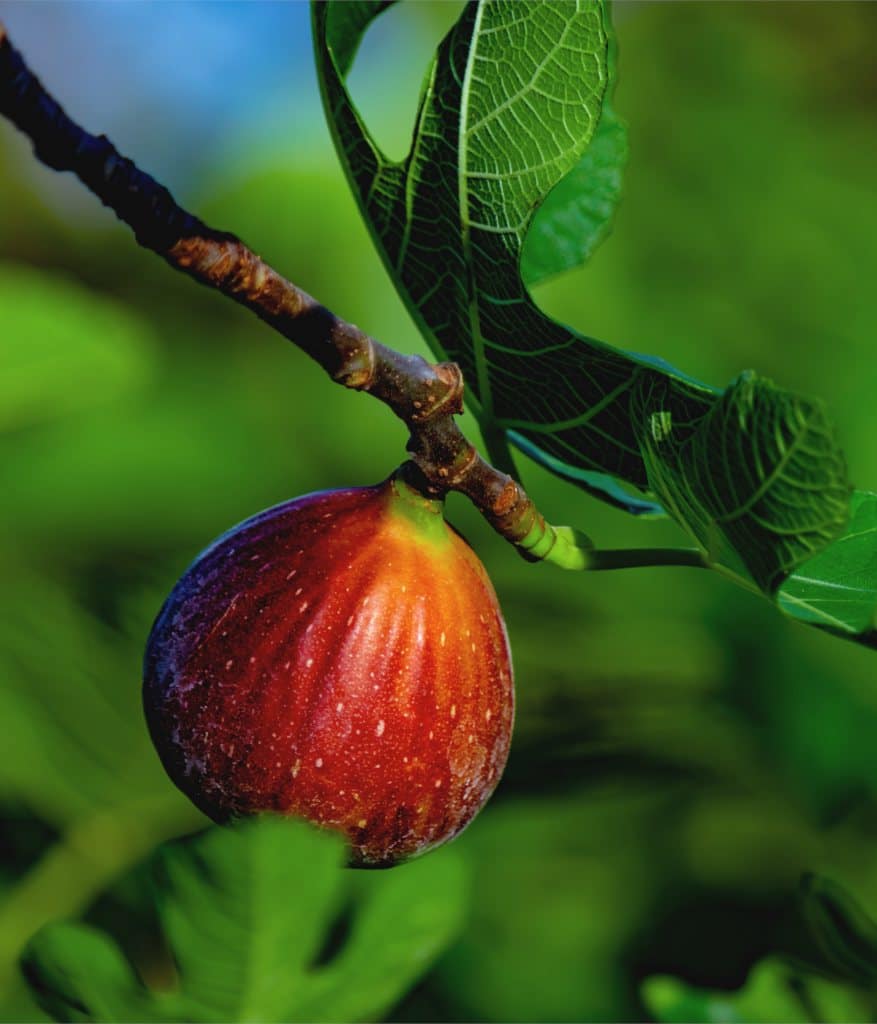
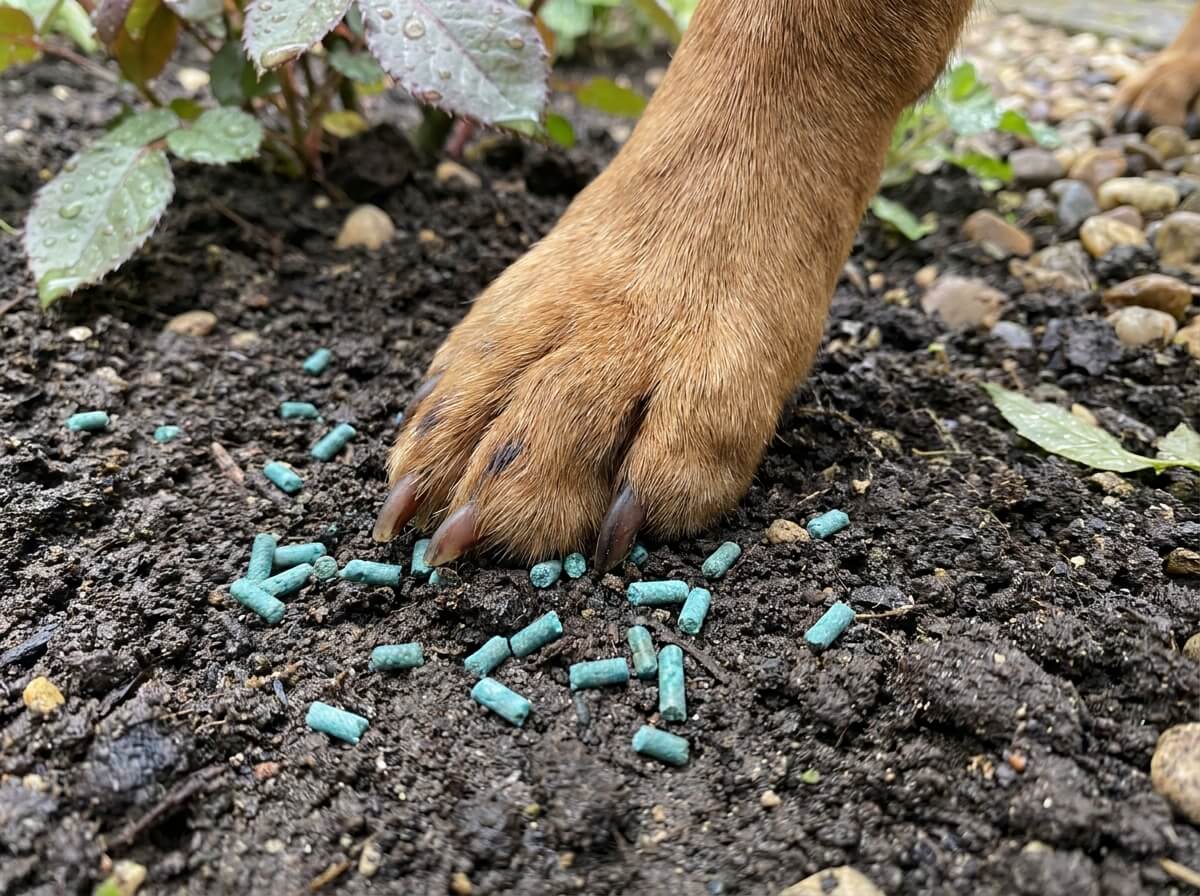
A weeping fig is mildly toxic to cats and dogs, and the confusion around that word is worth clearing up. It is not a lily, and it does not cause organ failure. What it does cause is a burning mouth, drooling, vomiting and, on contact, an itchy rash — enough to make an animal miserable and to justify a call to the vet, not enough to be a genuine emergency in most cases.
The culprit is the same milky sap that makes cuttings awkward to take.
What actually happens, by animal
Cats — drooling, pawing at the mouth, vomiting, loss of appetite. Skin contact with the sap leaves a red itchy patch, often on the muzzle. Symptoms appear within minutes to a few hours
Dogs — the same picture, and usually milder because dogs rarely persist once the burning starts. Larger animals need a larger dose for the same effect
Both — the irritation is local, to mouth, throat, stomach and skin. It does not attack the kidneys or the liver
The seriousness scales with how much was chewed, and with whether the mouth swelling makes swallowing difficult. That last point is the one that turns an unpleasant afternoon into a veterinary visit.
Every broken leaf or stem releases this. It is the whole of the problem — and the reason a chewed plant is worse than a nibbled one.
What to do if an animal has chewed it
Rinse the mouth with water, gently, if the animal will allow it. Offer water or a little milk to dilute the sap
Wash any sap off the coat and paws with mild soap, before the animal grooms and swallows more
Do not induce vomiting. The sap irritates on the way back up as much as it did going down
Call the vet if swelling makes breathing or swallowing difficult, if vomiting persists beyond a few hours, or if the animal is very young, very old or already unwell
Take a photograph of the plant. Ficus benjamina is easily confused with more dangerous species, and the identification changes the advice
Not to be confused with the genuinely dangerous ones
This matters because the responses are not comparable:
True lilies and daylilies destroy a cat’s kidneys and are a real emergency. If there is any doubt about which plant was chewed, read why lilies are lethal to cats first
Dieffenbachia, philodendron, peace lily contain calcium oxalate crystals: a similar burning mouth, a different mechanism
Weeping fig sits at the mild end — irritant, unpleasant, rarely serious
Living with the plant rather than removing it
Most households keep the plant and manage the risk:
Raise it out of reach — a plant stand, a shelf, or a room the animal does not enter. A weeping fig tolerates being left in one position, which suits this well
Sweep fallen leaves promptly. A plant that sheds is a plant that scatters irritant material at floor level — and this species sheds readily, see why weeping figs drop leaves
Cover the compost surface with pebbles if the animal digs; the sap is not the only problem where compost is being eaten
Wear gloves when pruning or taking cuttings, and keep the animal out of the room while you work
Offer cat grass as an alternative target. Most chewing is boredom rather than appetite
If you would rather not keep an irritant plant at all, the other ficus species share the same sap and are no safer — the choice has to be made outside the genus.
It is irritant rather than poisonous in the severe sense. The milky sap causes a burning mouth, drooling, vomiting and skin irritation, but it does not damage internal organs. It is far less dangerous than a true lily, which causes kidney failure.
My cat chewed a leaf. What should I do?
Rinse the mouth if the animal allows it, offer water, and wash any sap from the coat before it is groomed off. Do not induce vomiting. Call a vet if there is swelling, difficulty swallowing, or vomiting that continues for more than a few hours.
Are fallen leaves still irritant?
Yes. Dropped leaves retain the sap, and this species sheds readily. Sweeping under the pot is part of managing the risk, particularly with a cat that plays with anything on the floor.
Does the sap affect people too?
It irritates skin and stains fabric permanently. People who handle the plant often can develop a latex allergy that cross-reacts with rubber and with fig fruit. Wear gloves when pruning or taking cuttings.
Are other ficus species safer?
No. Rubber plant, fiddle-leaf fig and Ficus microcarpa all carry the same latex and present the same irritation. Choosing a safer houseplant means leaving the genus altogether.
Written by Gaspard Lorthiois | Loves helping out, especially when it comes to growing things. Worked in herbal medicine, runs a farm, and dabbles in tech. Master's degree and engineer.