From shiny green leaves, dark or mottled, to blades a foot and a half long, and from gnarled bonsai grown on a winding aerial root, the ficus genus runs to hundreds of species. Several make undemanding houseplants: give them a luminous spot out of direct sun and moderate warmth, and they grow fast — over four metres for a weeping fig.
Whether gnarled bonsai with aerial roots or shrub with giant leaves, take your pick!
The four ficus trees most often sold as houseplants differ in size, in the conditions they accept and in the look they bring. Compare them before you choose.
| Species | Size indoors | Conditions | Known for |
|---|---|---|---|
| Ficus benjamina | Over 13 feet (4 m) tall | Copes with very low light and forgotten watering | Hardy, fast-growing classic; prune if too vigorous |
| Ficus lyrata | Small-tree bearing, leaves to 1½ feet (45 cm) | Luminous spot out of direct sun, 60 to 72°F (15 to 22°C) | Gigantic leaves; the decorating-magazine favourite |
| Ficus elastica | Wild parent tree reaches 130 feet (40 m) | Mist baths and moderate watering once a week | Large shiny leaves, sometimes mottled |
| Ficus microcarpa (ficus ginseng) | 16 inches to 3 feet (40 cm to 1 m) | Cool room in winter, 55 to 60°F (12 to 15°C), shade outdoors in summer | Easy bonsai with gnarly, miniature-tree bearing |
Whichever you pick, a bright spot away from scorching sun and restrained watering suit them all.
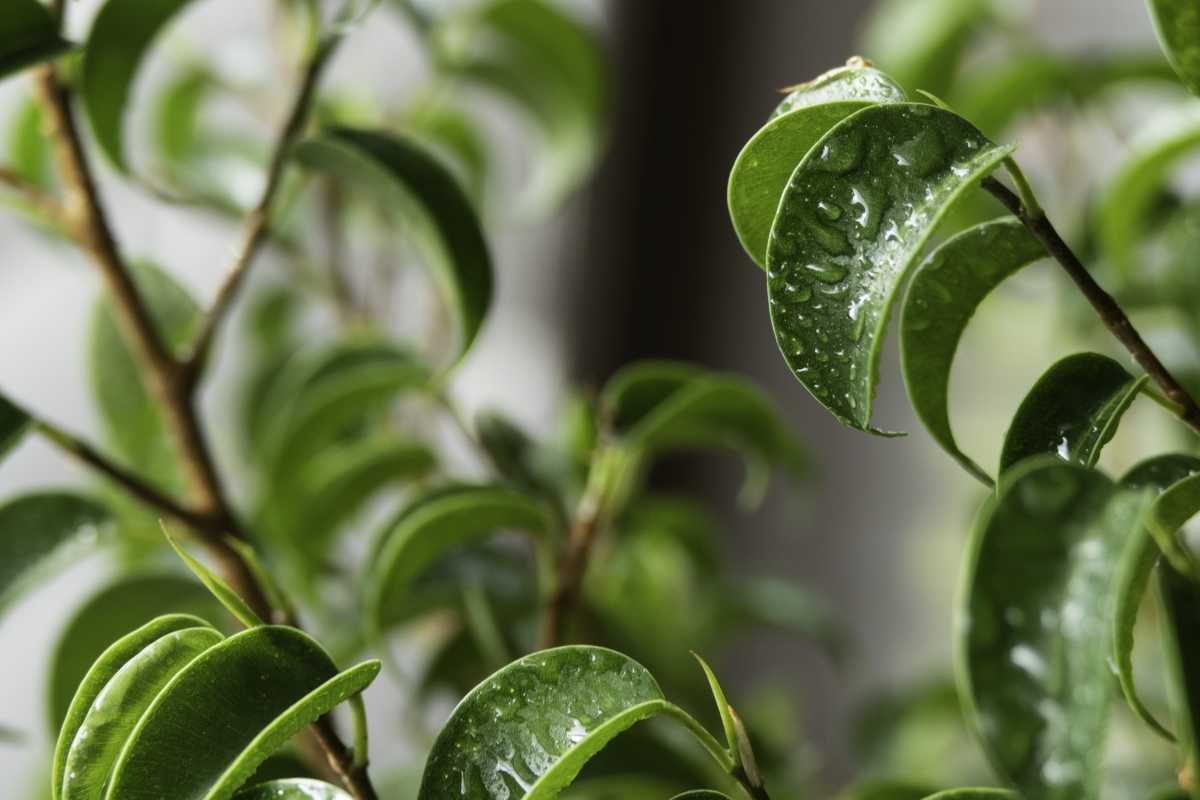
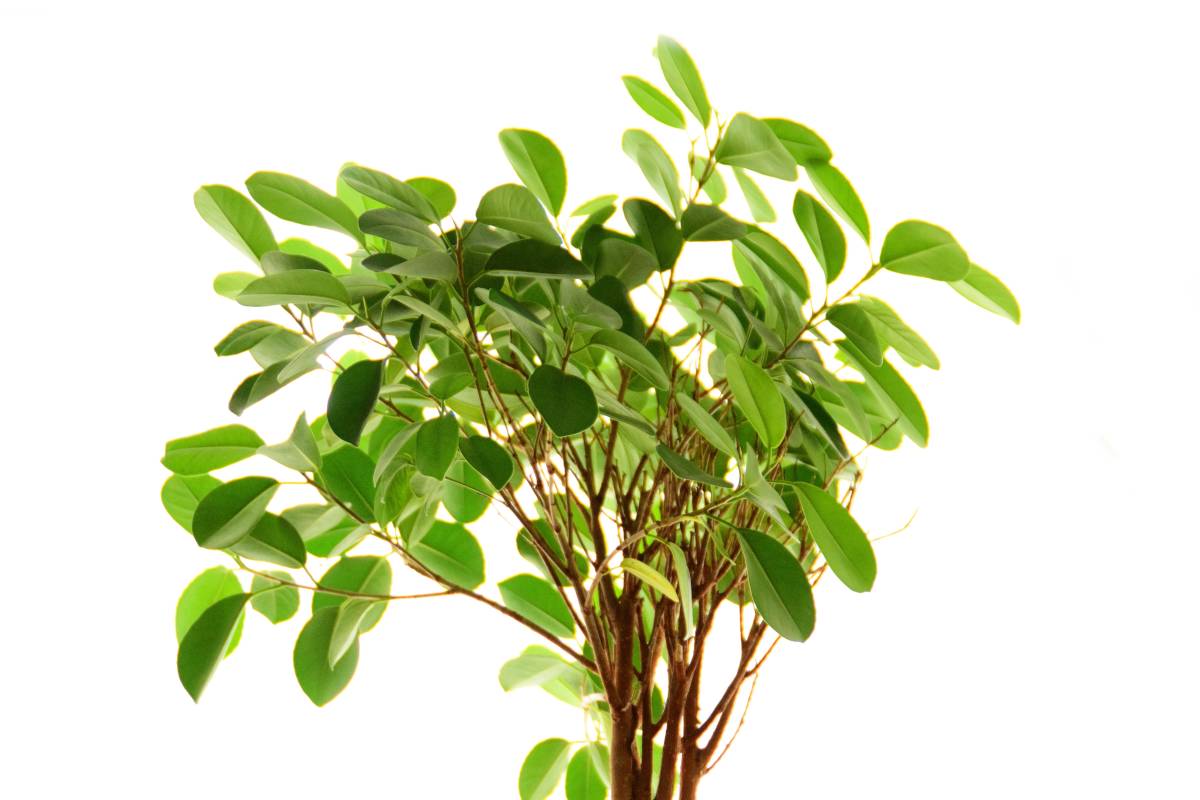
This is the ficus tree that comes to mind when the topic of ficus trees arises: with its shiny green leaves, dark or mottled colors, it has survived the worst of gardeners, since it can survive in very low light and even if watering has been forgotten for a while.
Although it isn’t very original, this ficus tree is nonetheless worth its while thanks to its hardiness and its rapid growth in a luminous room: it can grow over 13 feet (4 meters) tall!
And if it grows too fast for you, don’t worry: just prune it!
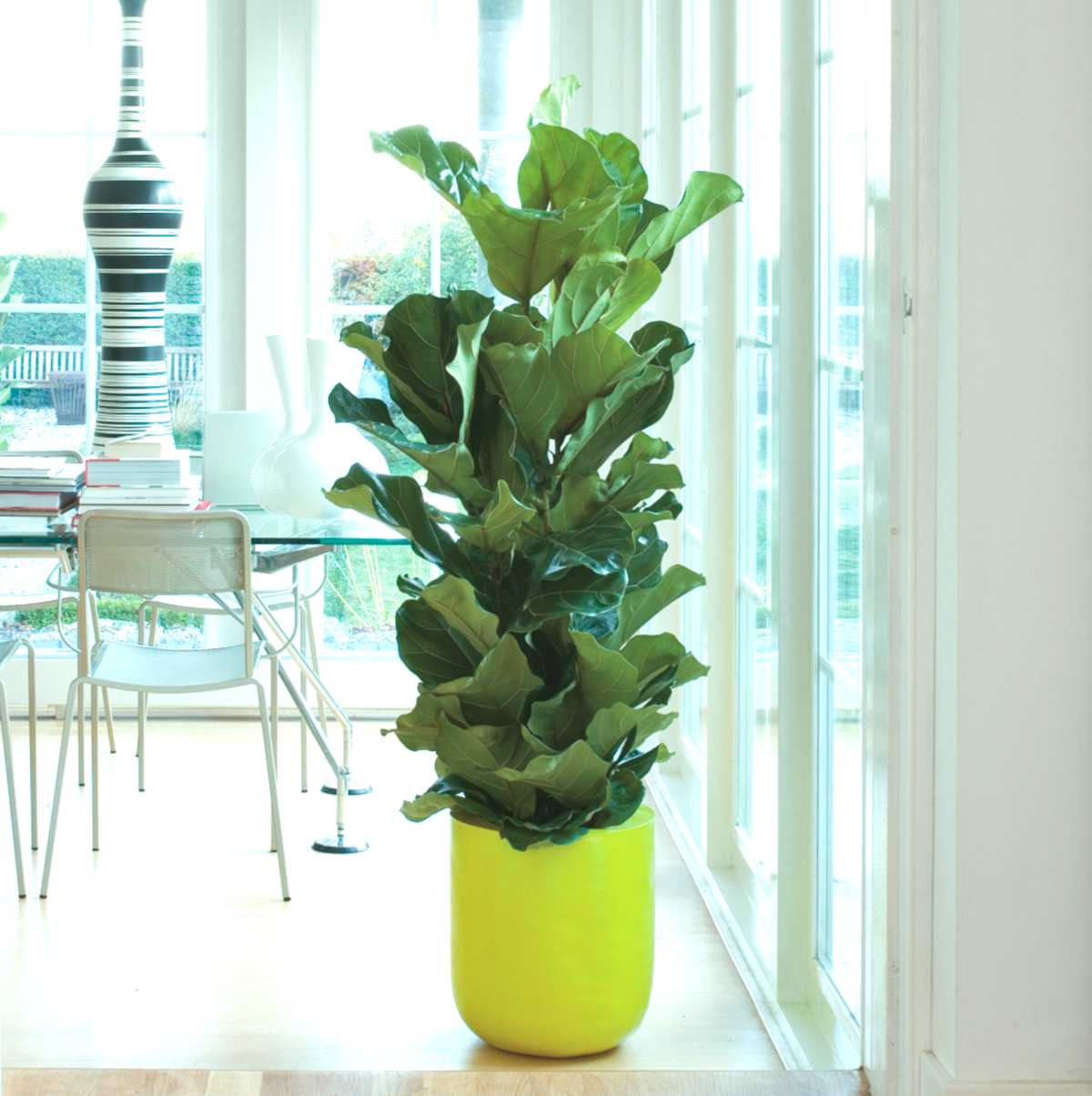
Its bearing similar to that of a small tree and its gigantic leaves – up to 1½ feet (45 cm) in length – the lyra fig is an eye-catcher.
No surprise that it appears in home decoration blogs and magazines.
Apart from its aesthetic assets, lyrata also shares other Ficus’ taste for luminous spots that aren’t in direct sunlight, and for moderate temperatures, too, from 60 to 72°F (15 to 22°C).
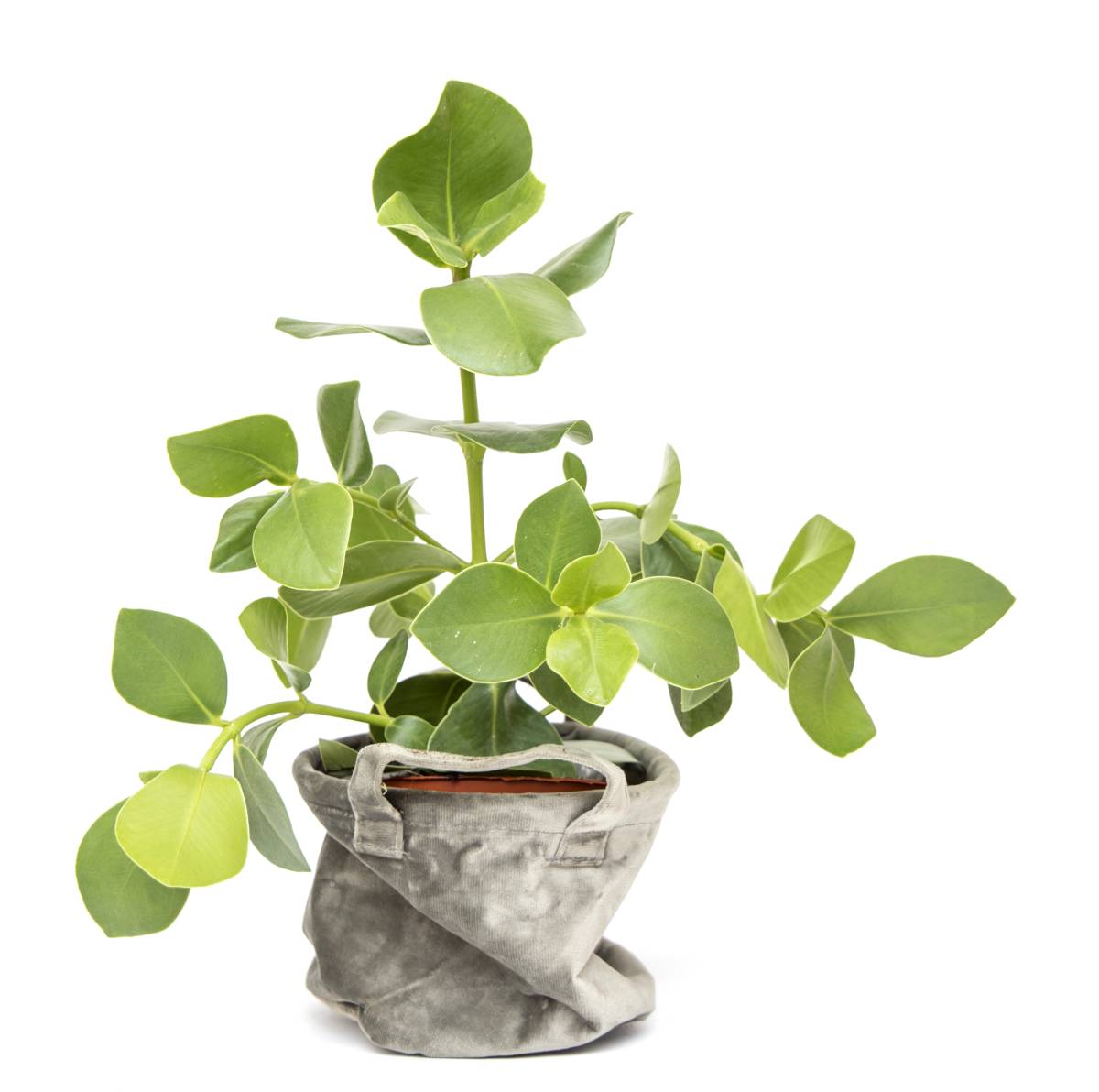
Yep, even rubber is a fig tree!
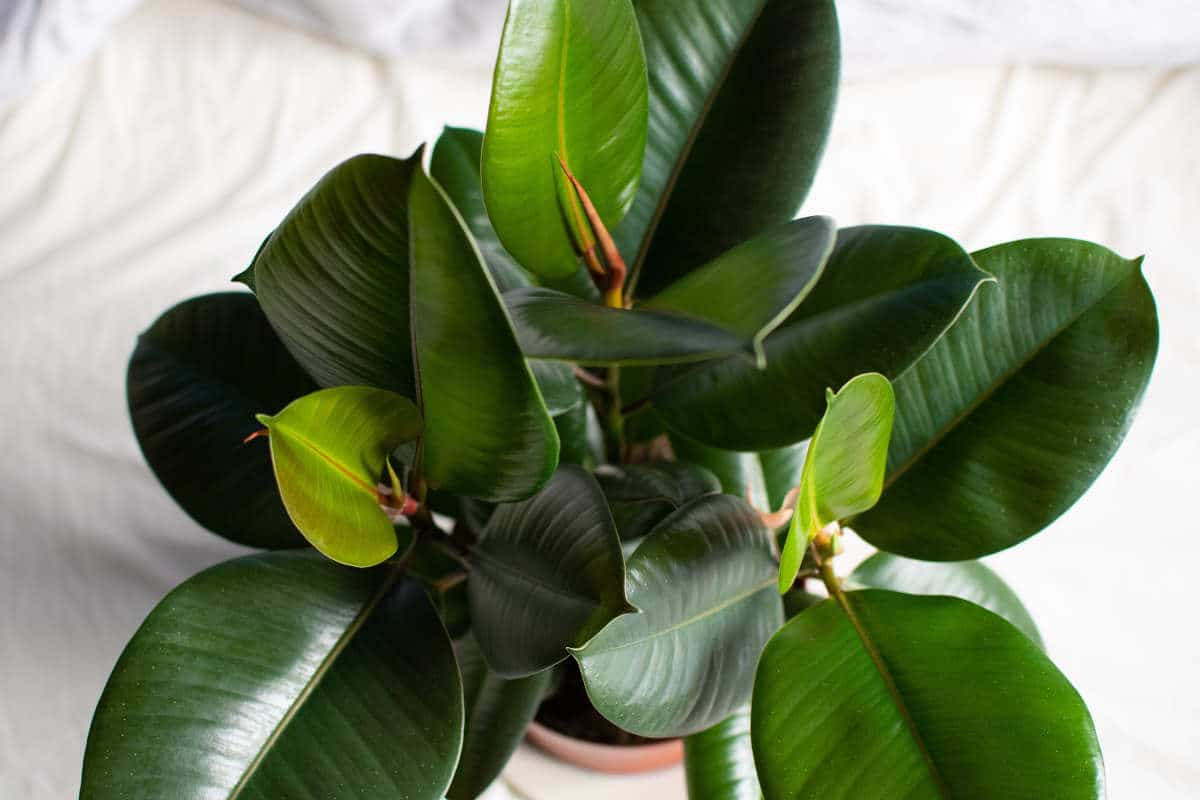
A hybrid coming from an Asian tropical forest tree that grows 130 feet (40 meters) tall, this prize indoor plant boasts large shiny leaves that are sometimes mottled.
Like the other Ficus trees, it will relax thanks to the several mist baths and moderate watering that you can provide once a week when the surface soil has dried.
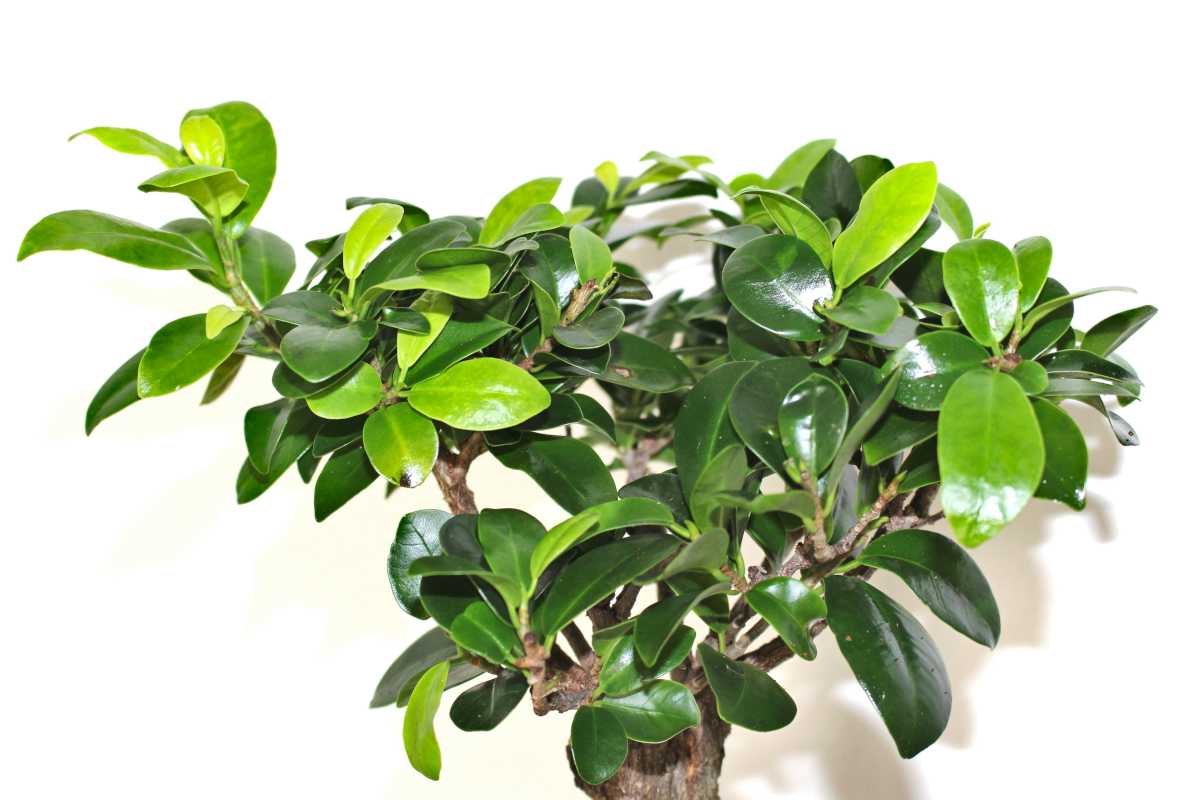
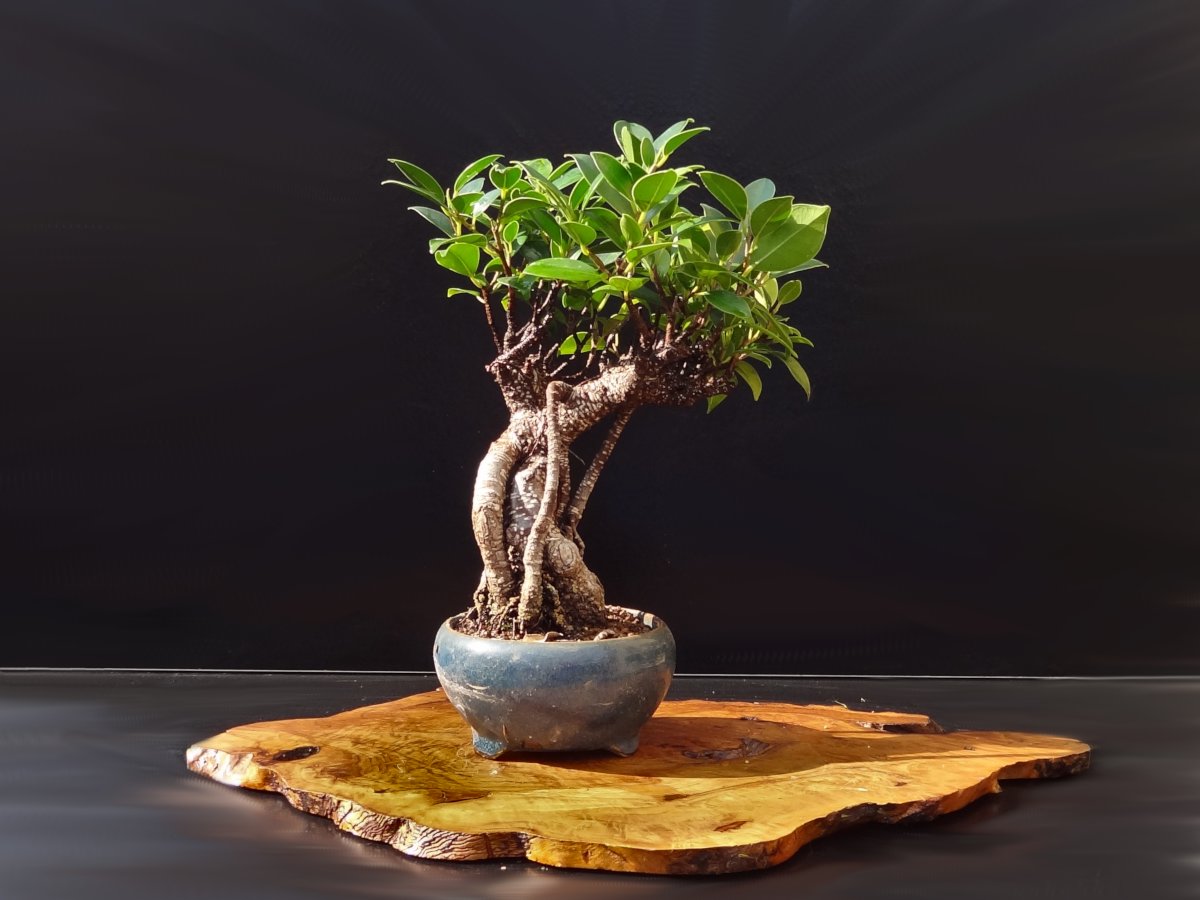
Also called Ficus ginseng, microcarpa is actually a winding aerial root on which leaves grow directly.
Either small or large, 16 inches to 3 feet (40 cm to 1 m), its gnarly bearing looks quite like a miniature tree, which is particularly ornamental. Like all bonsai, it must be regularly pruned and it fears gusts of wind. Often, it’s a grafted species, sometimes combining F. retusa with the F. microcarpa rootstock.
To keep it for a long time, keep it over winter in a cool room, 55 to 60°F (12 to 15°C) and bring it out in the shade in summer. Add fertilizer every year and repot every two years.
Laure Hamann