Home » Health » Figs: traditional uses, poultices and how to enjoy them
Figs: traditional uses, poultices and how to enjoy them
·
1
A poultice of figs is a warm dressing made from cooked figs, mashed or halved and wrapped in cloth, then laid on the skin. It is one of the oldest household preparations on record. Here is what the fig contains, how the poultice was made, how to use the fruit fresh, dried and cooked – and the one part of the plant to keep well away from your skin.
The fig at a glance
Item
Detail
Botanical name
Ficus carica
Family
Moraceae
Part used
The fruit, fresh or dried (the latex of leaves and stems is not for skin use)
Forms of use
Fresh fruit, dried fruit, compote, decoction or syrup, warm poultice
Harvest season
An early crop in early summer on some varieties; the main crop from late summer to mid-autumn
Taste
Sweet and honeyed, faintly jammy, with crunchy seeds; caramel-like and much more concentrated once dried
What it is credited with
Boils and swellings. In traditional herbalism, from Greek, Roman, Arab and mediaeval European practice, a warm fig poultice was laid on boils, abscesses and swellings. Most English speakers meet the idea through Isaiah 38:21, where a lump of figs is applied to King Hezekiah’s boil.
Comfort from moist heat. Warm, damp compresses have a long reputation in domestic care for helping a simple boil come to a head; the fig was simply the traditional way of holding that warmth in place.
Sluggish digestion. Figs are rich in fibre, and naturopathy credits dried figs – often soaked overnight – with a gentle role in occasional constipation.
Dry, tickly throats. Old herbals used a sweet fig decoction or syrup as a soothing gargle, valued for its mucilage rather than for anything it was thought to cure.
The enzyme argument. Herbalists have long pointed to ficin, a protein-digesting enzyme in the latex, as the explanation for the poultice’s reputation. This is tradition’s reasoning, not demonstrated fact.
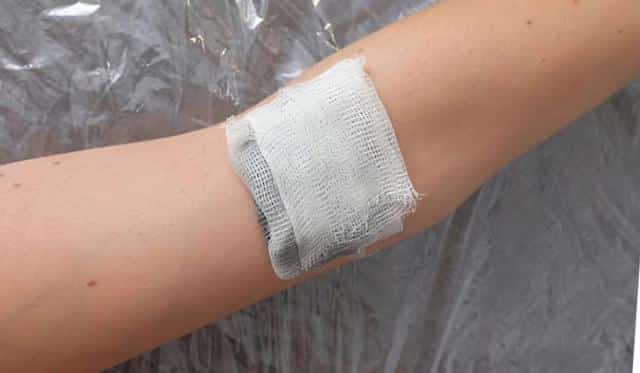
The poultice is simply held in place with gauze and warmth
How to use it
The warm fig poultice
Boil whole figs – three or four is plenty – in water or milk for no more than five minutes, just long enough for the heat to reach the centre. Dried figs need a few minutes longer to soften.
Halve them, or mash them coarsely with a fork.
Wrap in gauze or clean cloth, one or two layers, so the juice does not run onto the skin.
Test the temperature on your wrist. Apply comfortably warm, never hot.
Leave 15 to 20 minutes, three or four times a day, on unbroken skin only.
Make a fresh one each time, and wash your hands before and after. Stop after three days.
The soothing decoction
Simmer three or four dried figs in a mug of water for about ten minutes, covered.
Strain, let it cool to warm, and sip slowly, or use it as a gargle.
Add a slice of lemon or a little thyme if you like; it is naturally sweet, so it needs no sugar.
Eating them
Fresh: at room temperature rather than chilled, which mutes the flavour.
Roasted or pan-cooked: the sugars caramelise; they go as readily with cheese and cured meat as with dessert.
Poached: in wine or honey with a little spice.
Dried: two or three, soaked overnight in water, eaten in the morning with the soaking water – the classic naturopathic habit for fibre.
In compote and jam, or chopped into bread and cakes.
Forms of use compared
Form
Preparation
What it is used for
Warm poultice
Figs boiled 5 minutes, mashed, wrapped in gauze, applied warm for 15–20 minutes
Traditionally laid on boils and small swellings, on unbroken skin
Decoction or gargle
3–4 dried figs simmered 10 minutes in a mug of water, strained
An old soothing drink or gargle for dry, tickly throats
Soaked dried figs
2–3 figs left in water overnight, eaten with the water
Credited in naturopathy with a gentle role in occasional constipation
Fresh fruit
Eaten raw at room temperature, or roasted and poached
Everyday eating, in season
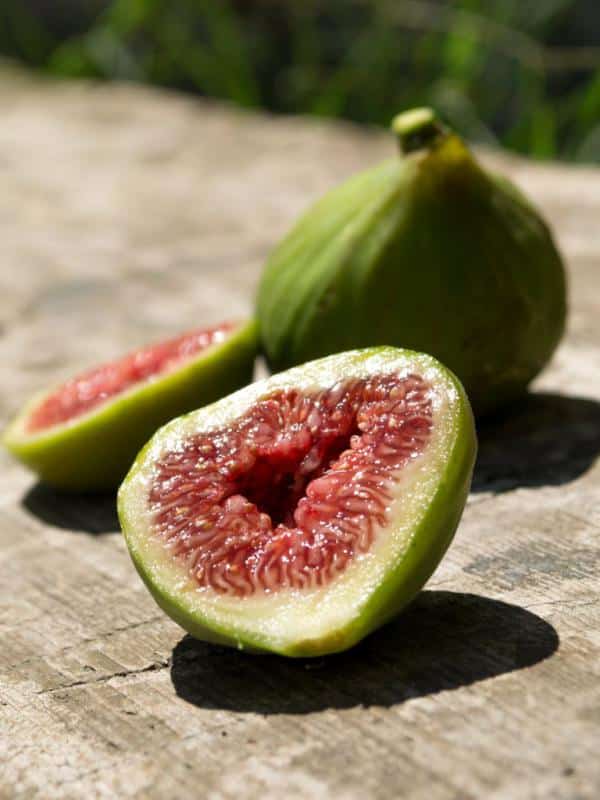
The pink interior is a mass of tiny fruits, each with a seed
Fresh or dried: what changes
Drying concentrates everything, including the sugar. That is the whole difference.
Fresh and dried figs per 3½ oz (100 g)
Item
Fresh figs
Dried figs
Calories
about 74 kcal
about 250 kcal
Fibre
about 3 g
about 10 g
Sugars
about 16 g
about 48 g
Potassium
about 230 mg
about 680 mg
Calcium
about 35 mg
about 160 mg
Best for
eating fresh, in season, as fruit
a concentrated source of fibre, in small quantities
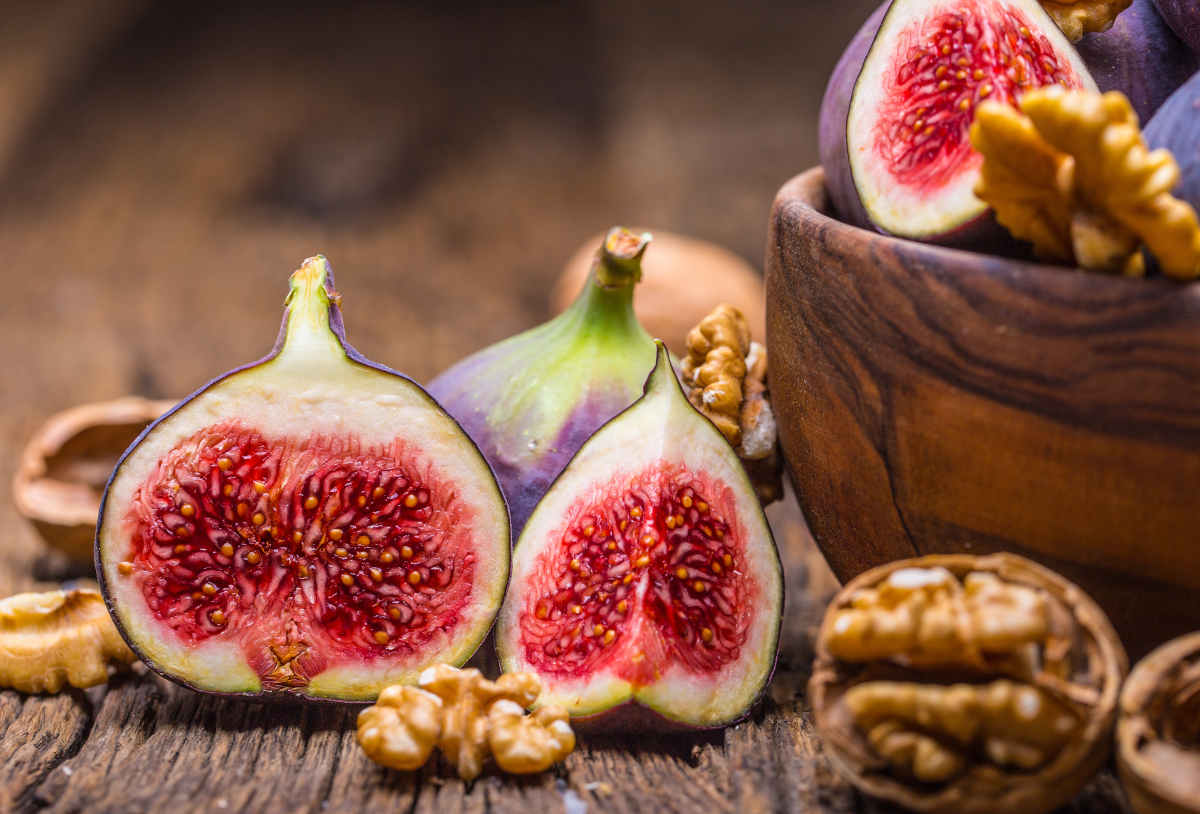
Cooking caramelises the sugars and concentrates the flavour
Frequently Asked Questions
The one thing to remember: in a fig poultice it is the moist warmth that does the work, so keep it comfortably warm, give it three days at most, and never put the sap on your skin.
What is a poultice of figs?
It is a warm dressing made from figs boiled until soft, then mashed or halved, wrapped in gauze and laid on the skin. It is one of the oldest preparations on record. Most English speakers meet the phrase in Isaiah 38:21, where a lump of figs is applied to King Hezekiah’s boil.
How do you make a fig poultice?
Boil whole figs in water or milk for no more than five minutes, then halve or mash them and wrap them in one or two layers of gauze. Test the temperature on your wrist before applying. Leave it on for 15 to 20 minutes, three or four times a day, using a fresh poultice each time and unbroken skin only.
Can I put fig sap on warts?
No. Fig latex contains furocoumarins, which make skin acutely sensitive to sunlight and cause phytophotodermatitis: blistering burns that appear hours later and can mark the skin for months. Wash any sap off with soap and keep the area out of the sun. Warts and corns are a matter for a pharmacist or chiropodist.
Are fresh or dried figs better?
They serve different purposes. Fresh figs are about 74 kcal per 3½ oz (100 g) with 3 g of fibre; dried figs are about 250 kcal with 10 g of fibre and three times the potassium. Dried figs are a concentrated source of fibre – and of sugar, so a small handful goes a long way.
When should I see a doctor instead of using a poultice?
If the boil is on the face, nose, lip or spine; if you have a fever or the redness is spreading; if it is bigger than an inch (2.5 cm) or several appear at once; if you have diabetes, a weakened immune system or take immunosuppressive medication; or if pain is getting worse after two or three days. A dental abscess always needs a dentist, without delay.
This information is provided for general interest and reflects the traditional use of plants. It is not a substitute for medical advice. If you are on medication, pregnant, or in any doubt, ask a healthcare professional.
Written by Gaspard Lorthiois | Loves helping out, especially when it comes to growing things. Worked in herbal medicine, runs a farm, and dabbles in tech. Master's degree and engineer.