Home » Health » Lentils: what they contain, how to cook them, and what tradition makes of them
Lentils: what they contain, how to cook them, and what tradition makes of them
·
0
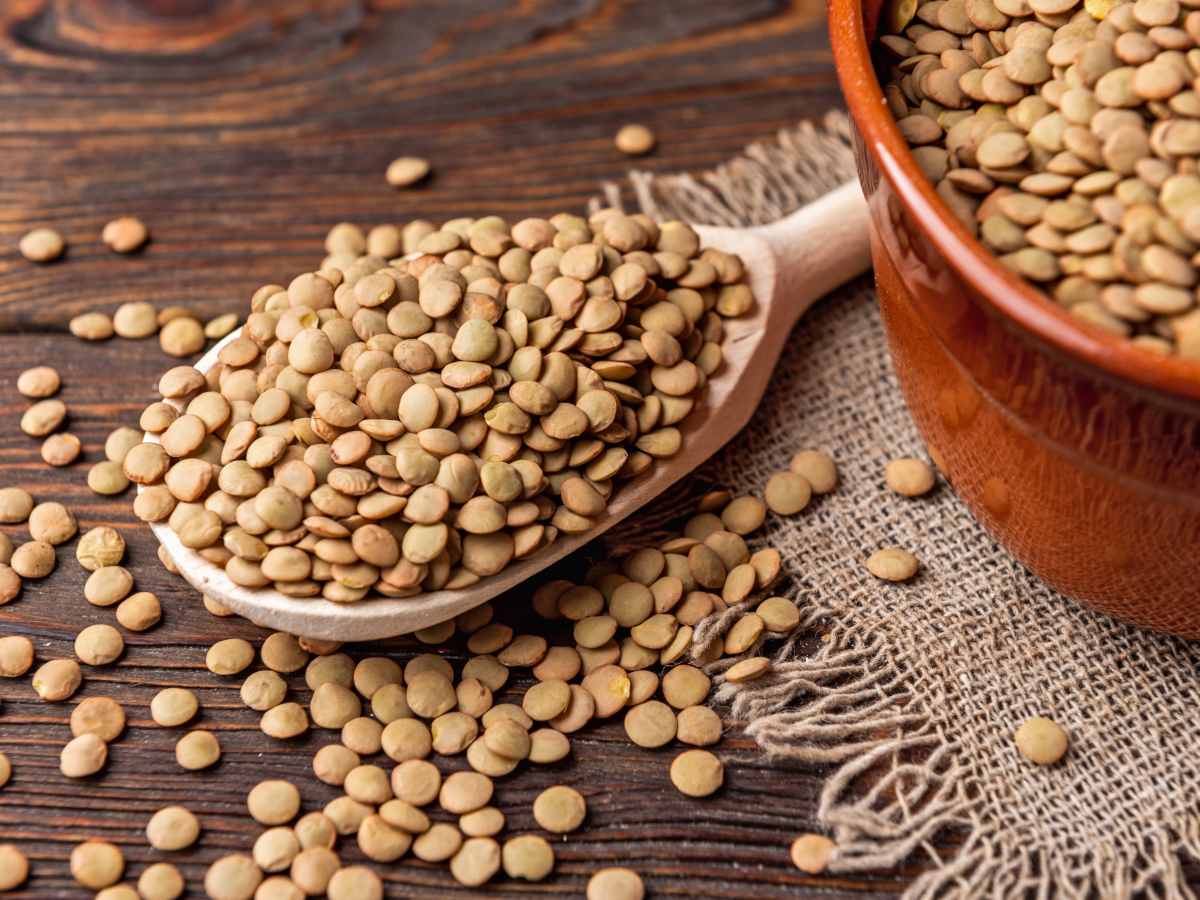
Lentils have been grown for their seeds since the earliest farming villages, and they remain one of the cheapest sources of plant protein on the shelf. This page covers what a lentil actually contains, how to cook one pot properly, which type suits which dish, and what folk kitchen tradition says about eating them gently when they sit heavily.
Boiled whole, soups and purées, cold salads, dhal, sprouts, flour
Harvest season
Late summer to early autumn, when the pods rattle dry
Taste
Earthy, mildly nutty; red lentils sweeter and softer, green ones peppery
Dried lentils store for months in a sealed jar
What it is credited with
Comfortable digestion. Traditional kitchen wisdom treats the fibre in lentils as a friend to sluggish intestines, and cooks have long served them to keep things moving.
Slow-release energy. Naturopathy values lentils for their complex carbohydrates, which are credited with giving a steadier, longer-lasting sense of fullness than refined starches.
Meat-free protein. Vegetarian and vegan traditions across India, the Middle East and the Mediterranean pair lentils with rice, bread or nuts precisely so the meal carries the full set of essential amino acids.
Magnesium-rich food. Herbalists and naturopaths routinely point people towards magnesium-rich foods such as pulses when ordinary tiredness and muscle tension are the complaint.
Convalescent food. In old European cookery, lentil soup was the dish given to someone getting back on their feet after a spell in bed — soft, warm and filling.
Warming winter staple. Ayurvedic cooking treats split red lentils, cooked to a purée with spices, as one of the easiest pulses on a tired digestion.
How to use it
The basic pot
Tip the lentils onto a plate and pick out any small stones or shrivelled seeds.
Rinse quickly under cold running water. No soaking is needed.
Put them in a pan with about three times their volume of cold water.
Do not salt the water at the start — salt toughens the skins.
Bring to the boil, cover, and simmer gently for 20 to 25 minutes for green or brown lentils.
Taste before draining. They should be tender but still hold their shape.
Season with salt once off the heat.
Flavourings that go in with the water
A bay leaf, a sprig of thyme, an onion studded with a clove.
A strip of kombu seaweed, a Japanese habit said by cooks to soften the seeds.
Cumin, ginger, fennel or asafoetida — the spices Indian kitchens add specifically to make pulses sit more lightly.
Garlic and a carrot cut in half, for a soup base.
Three ways to serve them
Warm salad: drained lentils, finely chopped shallot, bacon bits, a sharp mustard dressing. Dress while still warm so they drink it up.
Cream soup: cook them soft, then blend with their liquid and a spoonful of cream or coconut milk.
Side dish: classic with veal, pork, sausage, ham and bacon; also good under a poached egg.
Sprouts
Soak whole (never split) lentils overnight, then drain.
Rinse twice a day in a jar laid on its side until small tails appear, usually two to three days.
Eat them raw in salads or wilt them briefly in a hot pan.
Discard the batch at once if it smells sour or looks slimy.
Which lentil for which dish
Type
Cooking time
Behaviour and best use
Green or brown
20–25 minutes
Holds its shape reasonably well; the everyday soup and side-dish lentil
Puy and other small dark green
25–30 minutes
Firm, peppery, stays whole; the one for cold and warm salads
Red or coral (split)
15–20 minutes
Collapses to a purée; dhal, thick soups, baby-soft textures
Black beluga
20–25 minutes
Small, glossy, keeps its shape; good with fish and under dressings
Growing your own
Lentils are sown in early spring in cool regions, and need a long dry spell to ripen.
The plants are low and wiry, and flop as the pods fill.
Pull the whole plant in late summer to early autumn once the pods are papery, then dry under cover before threshing.
The one thing to remember: rinse, cover with three times their volume of cold unsalted water, simmer covered for 20 to 25 minutes, and salt only at the end.
Do lentils need soaking before cooking?
No. Lentils are the one pulse that goes straight into the pan. A quick rinse under cold water is all they need, plus a glance for small stones. Soaking is only worthwhile if you are sprouting them.
Why are my lentils still hard after half an hour?
Usually because they are old, or because salt or something acidic went into the water too early. Add salt, tomato, vinegar or lemon only once the seeds are already tender. Very hard water can also slow things down.
How do I make lentils easier to digest?
Cook them longer than you think, and use the spices that pulse-eating cultures have always used for this: cumin, fennel, ginger or asafoetida in the cooking water. Bay leaf and a strip of kombu are the European and Japanese versions of the same habit. Start with small portions and build up.
Are lentils enough protein on their own?
Their protein is good quality but low in one essential amino acid, which is why tradition everywhere pairs them with grains or nuts — lentils with rice, dhal with flatbread, lentil salad with a handful of walnuts. Eaten that way over the day, the combination covers the full set.
Green, red or Puy — which should I buy?
Red split lentils for soups, dhal and anything you want smooth, since they collapse in under twenty minutes. Puy or small dark green for salads, because they stay whole. Ordinary green or brown for everything in between.
Images: depositphotos: Ploskaya; Pixabay: Martin Hetto
This information is provided for general interest and reflects the traditional use of plants. It is not a substitute for medical advice. If you are on medication, pregnant, or in any doubt, ask a healthcare professional.
Written by Gaspard Lorthiois | Loves helping out, especially when it comes to growing things. Worked in herbal medicine, runs a farm, and dabbles in tech. Master's degree and engineer.