Home » Health » Potato: what it contains, how to use it, and when to leave it alone
Potato: what it contains, how to use it, and when to leave it alone
·
0
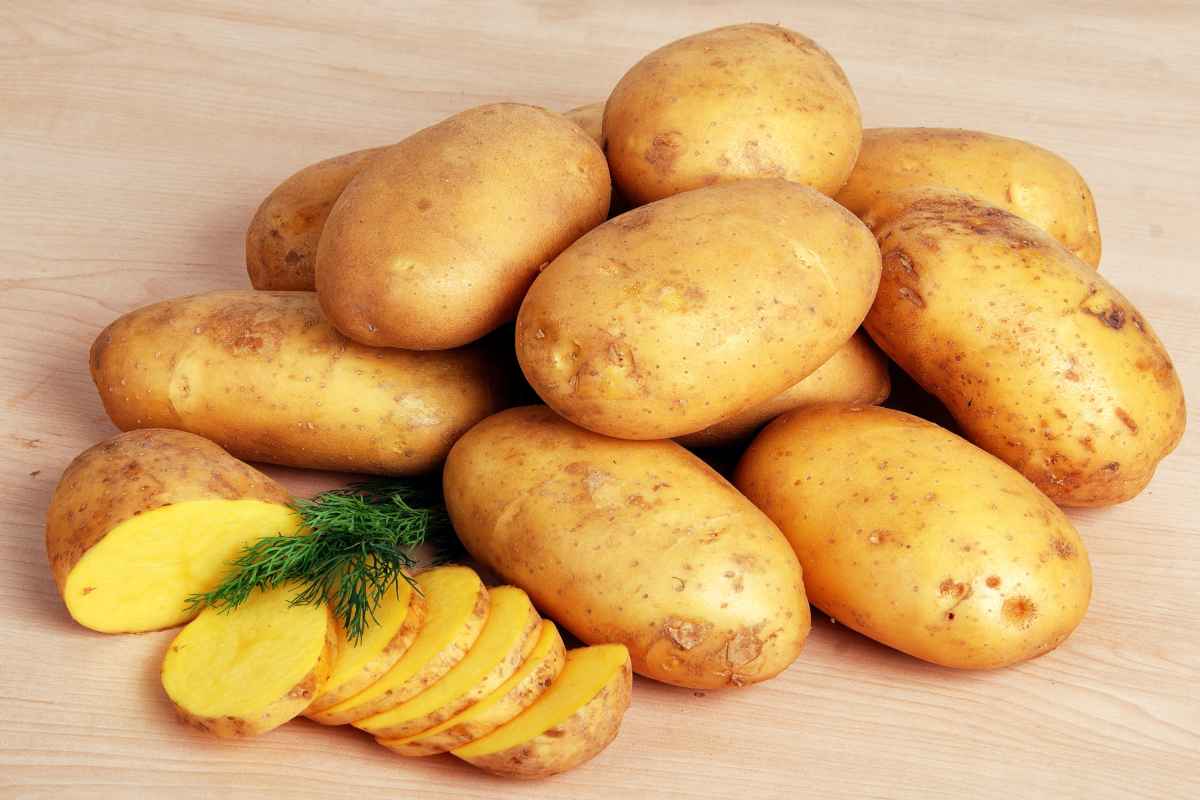
Potato is the most everyday vegetable there is, and one of the most misunderstood. Behind the chips and the mash sits a tuber rich in potassium, complex carbohydrates and vitamin C, with a long folk history of raw juice and grated poultices. Here is what the potato actually contains, how kitchen and traditional practice use it, and the cautions that matter.
A starchy tuber rich in potassium, magnesium and fibre
Potato at a glance
Item
Detail
Botanical name
Solanum tuberosum
Family
Solanaceae (nightshades)
Part used
The tuber only — never the leaves, stems, flowers or green fruits
Forms of use
Steamed, boiled, baked, mashed; raw juice; grated raw poultice; cooled cooking water
Harvest season
Early summer for new potatoes; late summer to mid-autumn for maincrop
Taste
Mild, earthy, faintly sweet when cooked; starchy and chalky when raw, with a green edge
What it is credited with
A potassium-rich food. Boiled in their skins, potatoes retain a good share of their potassium, and naturopathy has long classed them among the mildly diuretic foods of the vegetable patch.
A winter source of vitamin C. Baked in the oven, the potato keeps much of its vitamin C. Historically, it was valued across northern Europe as a reliable winter supply of this vitamin when little fresh produce was to be had.
Slow-release energy. Steamed potato is a staple of sports nutrition and of traditional working-day cooking: complex carbohydrates that release over hours rather than minutes, with magnesium and potassium alongside.
Filling without fat. Naturopathy treats plain potato as a nourishing, low-fat staple that fits comfortably into a light diet — provided it is not deep-fried or turned into hash browns.
Raw juice for the stomach. In European folk medicine, juice pressed from the raw tuber was taken first thing in the morning for a sense of acidity and discomfort in the stomach. It is a traditional use, and one that herbalists still mention; it is not a treatment.
Grated raw as a compress. Some naturopaths recommend raw grated potato applied on the skin for the small bothers of daily life: bumps and bruises, minor superficial burns, tired eyes, aching backs and joints.
Cooled cooking water. Country practice kept the water from boiled potatoes for soaking tired feet and hands, on the strength of its starch content.
How to use it
In the kitchen — always cooked
Steamed: 20–25 minutes for whole small potatoes, 15 minutes halved. The finest are the young, small tubers lifted in early summer, skin on, dressed with butter and parsley.
Boiled in their skins: start in cold salted water, simmer 20–30 minutes according to size. Keeping the skin on limits the loss of potassium and vitamin C into the water.
Baked whole: a hot oven, 45–60 minutes, pricked with a fork. This is the method that best preserves the vitamin C.
Mash, soups, gratins: use more mature maincrop harvests with mealy flesh.
Chips and fries: firm-fleshed varieties such as ‘Charlotte’, ‘Samba’ or ‘Bintje’. Delicious, but this is the one preparation that undoes the potato’s reputation as a light food.
For antioxidants: choose the deeply coloured flesh — blue, purple, red — and cook them whole so the pigments stay put.
Raw juice, the traditional preparation
Choose a firm, unblemished, completely un-green and unsprouted tuber. Scrub it well and peel it.
Grate it and press through a muslin cloth, or pass it through a juicer.
Traditionally taken in a small glass, on an empty stomach in the morning, diluted with water or a little carrot juice — the taste is earthy and frankly unappealing.
Press it fresh each time and drink it straight away; it browns and turns bitter within minutes.
Folk practice used it as a short course of a few days, not as a daily habit.
Grated poultice, for external use
Grate a peeled raw potato coarsely, wrap the pulp in a clean thin cloth.
Lay it on the spot — a bruise, a tired lower back, closed eyelids — for 15 to 20 minutes.
Rinse the skin afterwards. Never apply to broken, weeping or blistered skin.
Steamed, boiled or baked — potato is only ever eaten cooked
Forms of use compared
Form
How it is prepared
What it is used for
Steamed or boiled in skin
15–30 minutes depending on size, skin left on
Everyday staple; the method that retains most potassium
Oven-baked whole
45–60 minutes in a hot oven, skin pricked
Best retention of vitamin C; the winter preparation
Fresh raw juice
Grated and pressed, drunk immediately, diluted
Traditional morning practice for stomach acidity and discomfort
Grated raw poultice
Wrapped in cloth, 15–20 minutes on intact skin
Bruises, minor superficial burns, tired eyes, aching joints
Cooled cooking water
Strained, left to reach hand temperature
Foot and hand soaks in country practice
Light, rich, well-drained soil of neutral pH suits potatoes best
Frequently Asked Questions
The one thing to remember: eat potatoes cooked, in their skins, and throw out anything green or sprouted.
Can I eat potato raw?
Not as food. Raw potato is starchy, indigestible and unpleasant in any quantity. The only traditional raw uses are a small glass of freshly pressed juice, taken diluted, and grated pulp applied externally as a poultice.
What do I do with a potato that has gone green?
Green skin and flesh signal solanine, which is toxic and is not destroyed by cooking. Cut away the green parts generously, and if the tuber is widely green or tastes bitter, throw it out. Store potatoes in the dark to stop it happening.
Is potato fattening?
Plain potato is a filling, low-fat staple of around 75 kcal per 100 g, and naturopathy places it among the nourishing foods of a light diet. What changes the picture is the cooking fat: chips, fries and hash browns are another matter entirely.
Which cooking method keeps the most goodness?
Baking whole in the oven best preserves vitamin C, while boiling or steaming in the skin limits the loss of potassium into the water. Peeling and cubing before cooking is what costs you most.
Are coloured potatoes really better?
Blue, purple and red-flesh varieties carry far higher levels of antioxidant pigments than white-flesh types. Cook them whole and with the skin on so the colour, and the pigments with it, stay in the tuber.
This information is provided for general interest and reflects the traditional use of plants. It is not a substitute for medical advice. If you are on medication, pregnant, or in any doubt, ask a healthcare professional.
Written by Gaspard Lorthiois | Loves helping out, especially when it comes to growing things. Worked in herbal medicine, runs a farm, and dabbles in tech. Master's degree and engineer.