
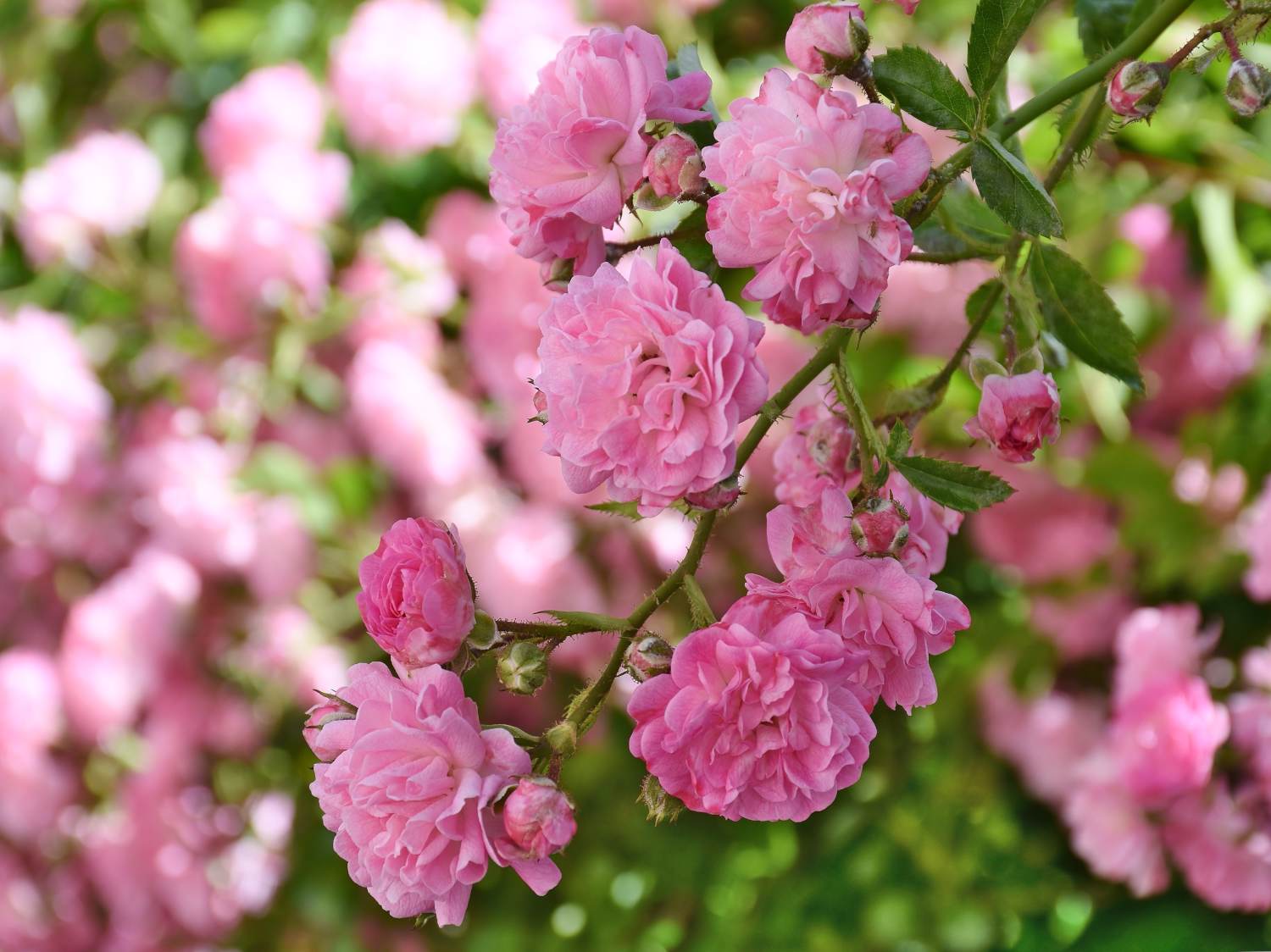
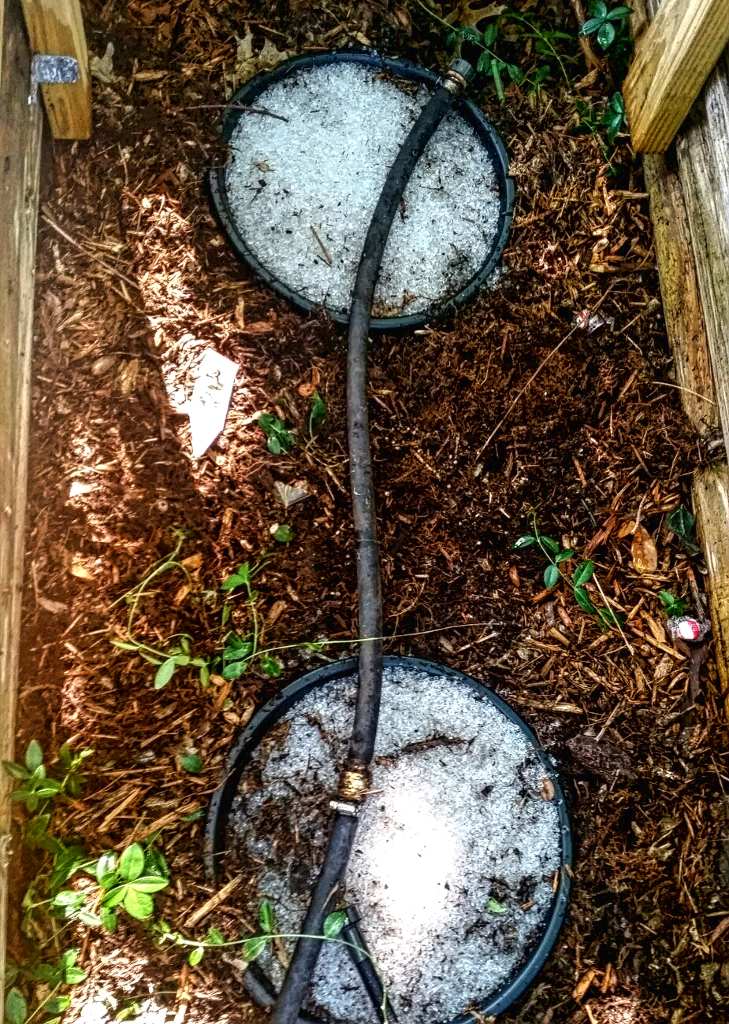
Three hundred and forty rose cultivars rise from more than six hundred perennials, among them ‘Hansa’ and ‘Blanc double de Coubert’ (Rosa rugosa), whose hips stay ornamental right through autumn and winter. This Touraine garden near Chinon shows what disease-resistant gallica roses can do: add water crystals at planting and they thrive with no treatments and no watering.
This expert willingly shares her precious counsels on how to succeed in growing roses:
Add rose tree fertilizer or compost if the soil is too sandy and poor. The graft point must be level with the ground level: half of it below and half of it above.
The ever-delicate step: pruning. Elsie recommends pruning repeat-blooming roses around March 1st depending on the area. Don’t forget to remove wilted flowers to spur new blooms. You can still prune repeat-blooming roses in July, but not too drastically.
To make the most of seasons and please the eye at all times, feel free to choose roses that bear berries that stay ornamental through fall and winter, like rose trees from the Rosa Rugosa family (‘Hansa’ or ‘Blanc double de Coubert’). To attract bees, plant simple-flowered roses that are easy to extract nectar from.
Visiting Elsie’s paradise will also teach you about possible companion plants for roses, like bulbs or stalk perennials like cosmos or beeblossom…
Elsie’s plantings show that the rose you pick depends on what you want from it: health without treatments, winter interest, bees, or a longer season of colour. Here is how the choices described in her garden compare.
| Rose or plant type | Chosen for | What it brings to the garden |
|---|---|---|
| Gallica roses | Disease resistance | Grown with no treatments at all and even without watering |
| Rosa Rugosa family (‘Hansa’, ‘Blanc double de Coubert’) | Decorative berries | Ornamental interest right through fall and winter |
| Simple-flowered roses | Attracting bees | Nectar that is easy for pollinators to extract |
| Bulbs and stalk perennials (cosmos, beeblossom) | Companion planting | Colour around the roses across the seasons |
Over 600 perennials accompany the 340 rose tree cultivars in this Touraine garden.
Personalized tour all year round, just book ahead of time! 6€ per head.
Elsie De Raedt, Le Jardin d’Elsie, 1-5 Route de Huismes. 37 500 Chinon, France
Telephone: +33 2 47 98 07 58 or [email protected]
Marie Petitcerf
Gallica roses flower in a single flush, so plan a visit at the height of their bloom if you want to judge their scent and colour, and a later one to see the Rosa rugosa hips colouring up.
A very nice place