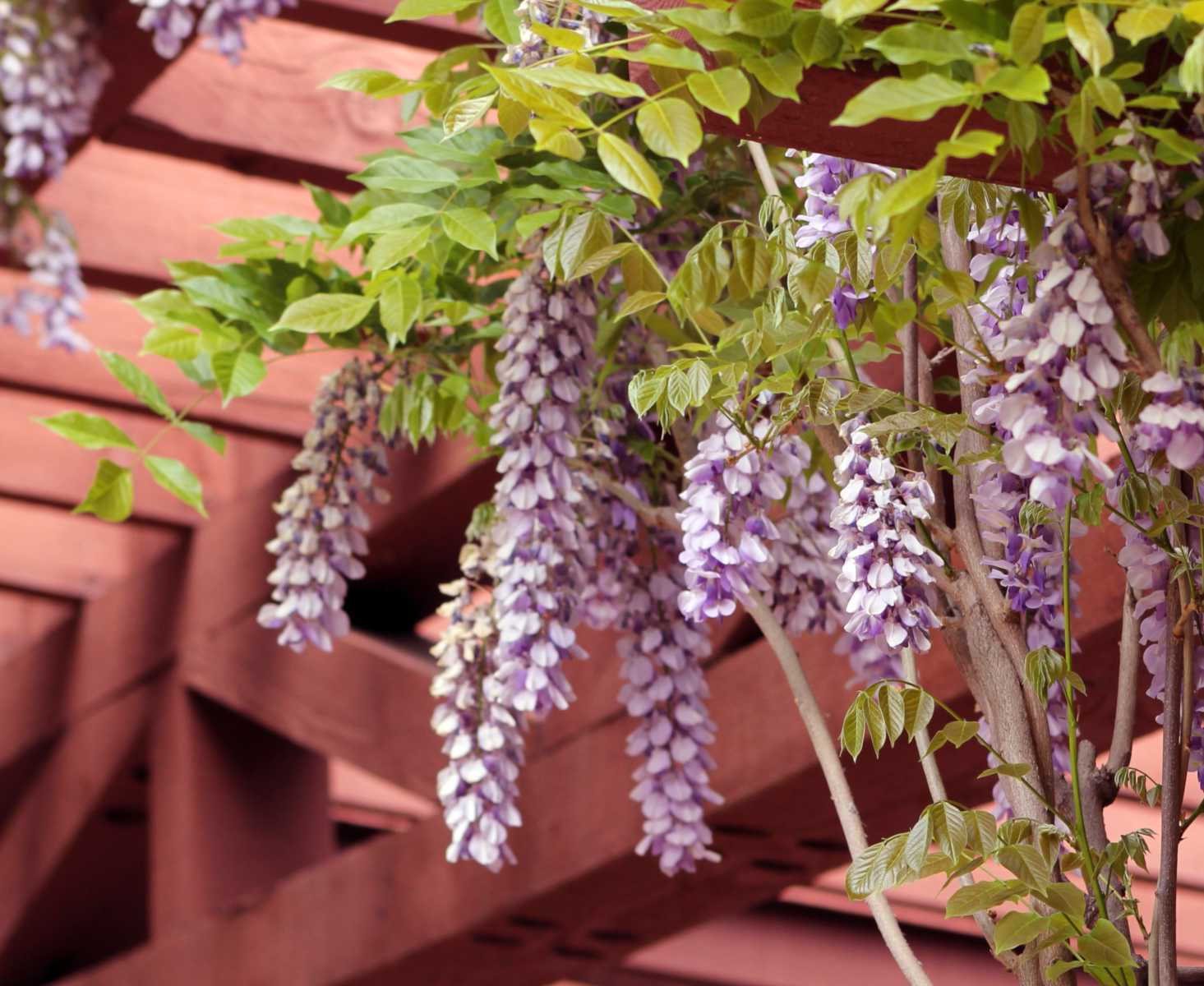
A canopy of wisteria panicles or Virginia creeper leaves turns a bare timber or wrought-iron frame into a pool of cool, breathing shade at the entrance to house and garden. A planted pergola shields a terrace from the sun’s aggressive infra-red rays, provided its beams are strong enough to carry the weight of the climbers above.
An unmistakable feeling of peace calls out from a plant-covered pergola, often set at the entrance of both house and garden.
Modern equator-facing houses designed with the goal of maximizing sunlight count planted pergolas as an essential feature.
These shade-covered terraces or decks are particularly well suited to regions where summers tend to be very hot. Pergolas with plants growing on them are also great outdoor perks for socializing. Imagine setting up a table for lunch in the half-light of cool, breathing plant shade! It is a perfect protection against the sun’s aggressive infra-red rays.
Wood, such as douglas fir, cedar or other autoclave-treated species will stand strong against rotting. Together with wrought iron, these are the two most common materials to set a pergola up, either as a lean-in or an extension of the house.
Not every climber does the same job on a pergola: some are chosen for dense shade, others for scent or for the aspect they will tolerate. Here is how the plants discussed below compare.
| Climber | Main appeal | Scent | Aspect and points to watch |
|---|---|---|---|
| Virginia creeper | Very effective sun-blocker, colours change through the seasons | Not scented | Grown for shade quality rather than flowers |
| Wisteria | Flowing panicles above the beams | Delicious fragrance in spring, gone by summer | Scent fades before it turns heady in the heat |
| Honeysuckle | Soothing fresh scent | Delicately fragrant | Part sun and shade |
| Akebia | Semi-evergreen foliage | Refined citrus-flower perfume in spring | Full sun |
| Clematis | Elegant flowers on a tough plant | Not noted | Resilient choice for a dressed frame |
| Climbing rose | Vast array of cultivars to choose from | Classic rose scent | Avoid thorny ones; keep to the pruning calendar |
Whatever the choice, dense, lush foliage is what decides the quality of the shade underneath.
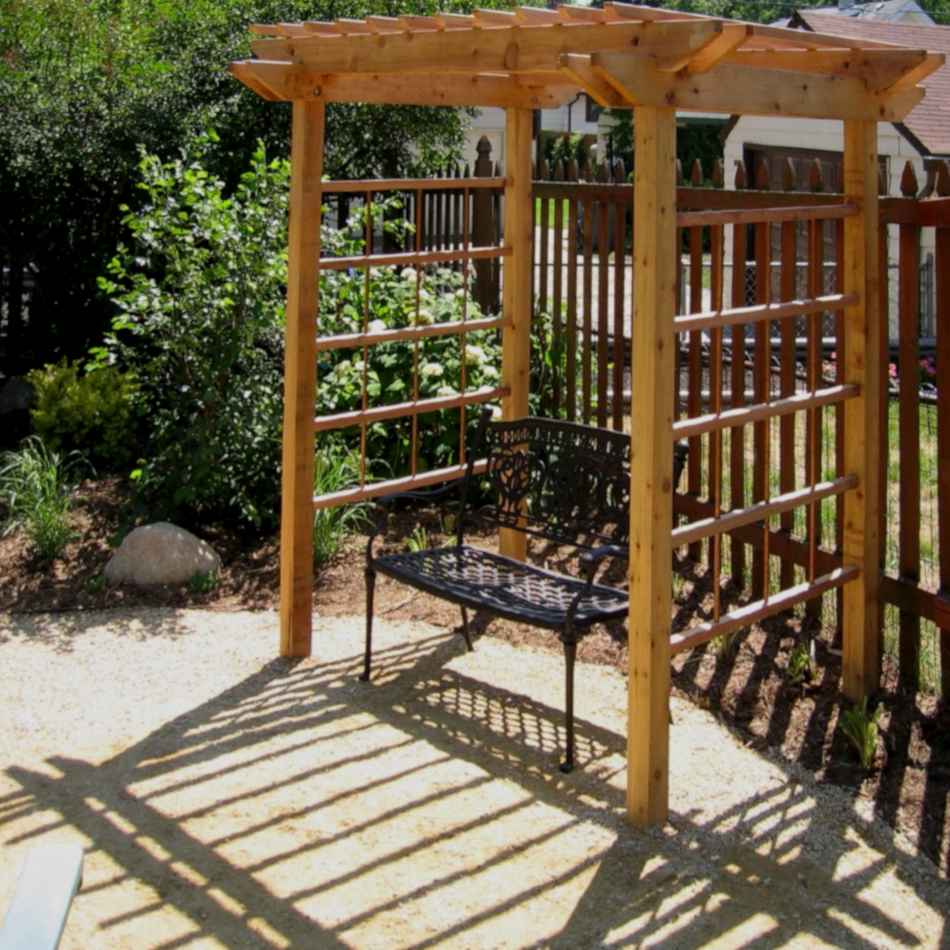
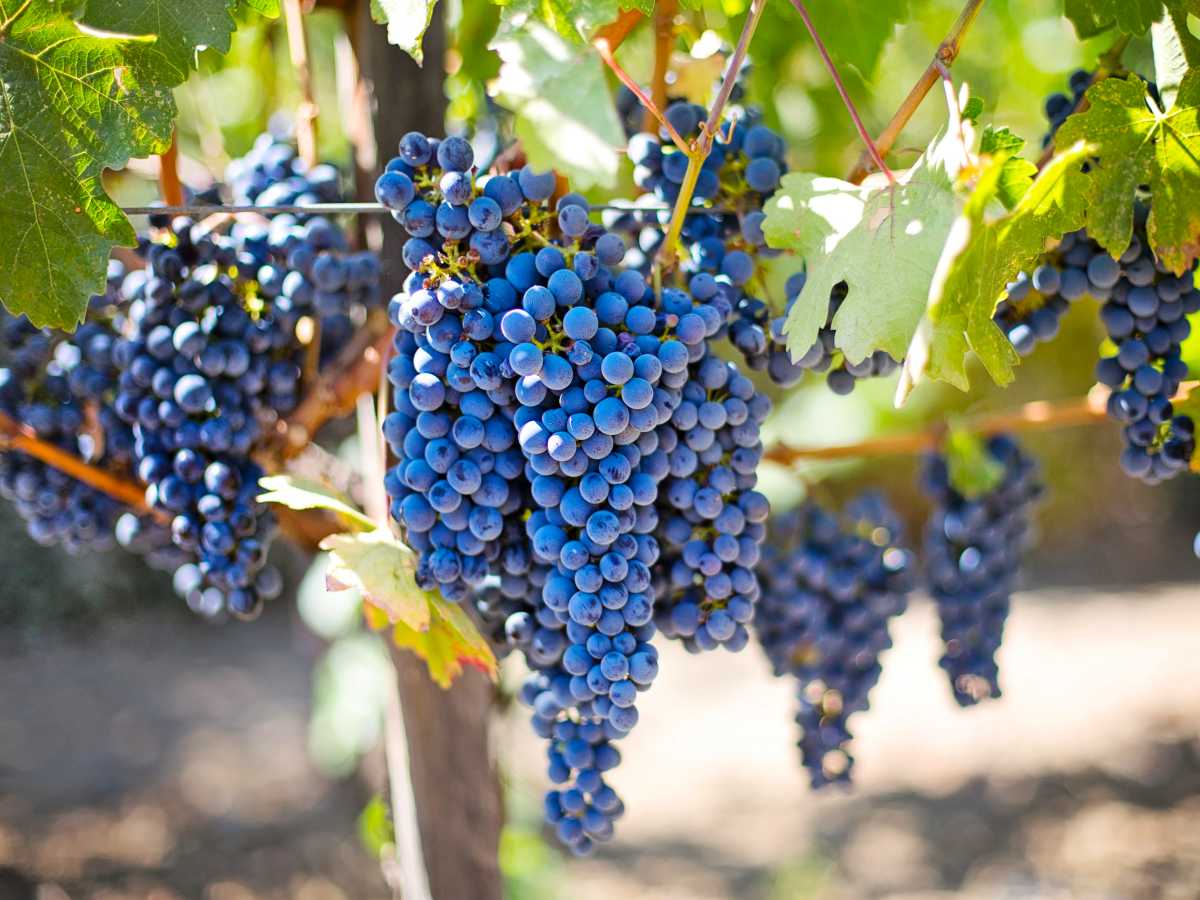
However the look – vintage or trendy modern style – the structure must stand strong to withstand the weight of the climbing plants that will climb atop it. Getting the selection of plants right is crucial. If you want to avoid insects hovering around your cool oasis, avoid fruit-bearing varieties. Best are species that provide dense, lush foliage that will maximize shade quality. A very effective sun-blocker is Virginia creeper. This vine has the added appeal of shining in a host of ever-changing colors as seasons push on.
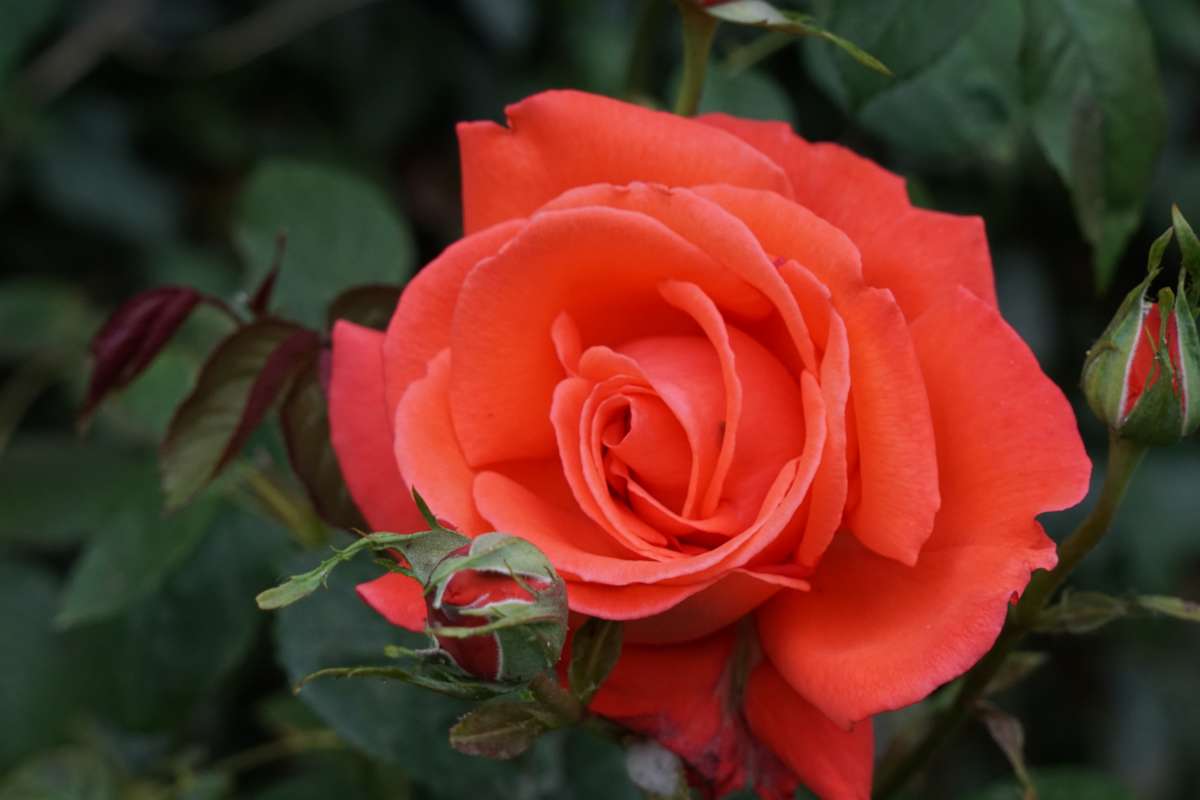
If you wish to revel in fresh soothing scents, opt for wisteria: the flowing panicles release a delicious fragrance in cooler spring, and the flowers disappear in summer when the odor would have felt too powerful and heady. Delicately fragrant honeysuckle thrive with exposures set on part sun and shade. Akebia, which bears semi-evergreen foliage, prefers full sun and releases a perfume similar to refined citrus-flower scents during spring. Clematis is as resilient as it is elegant. If you love roses, you can choose from a vast array of climbing rose tree cultivars, but avoid thorny ones! Be sure to diligently follow-up their pruning calendar to keep them under control.
Fabienne Lisse
Read also: