Home » Gardening » Roses » Romantic English roses, fragrance meets beauty at last
Romantic English roses, fragrance meets beauty at last
·
0
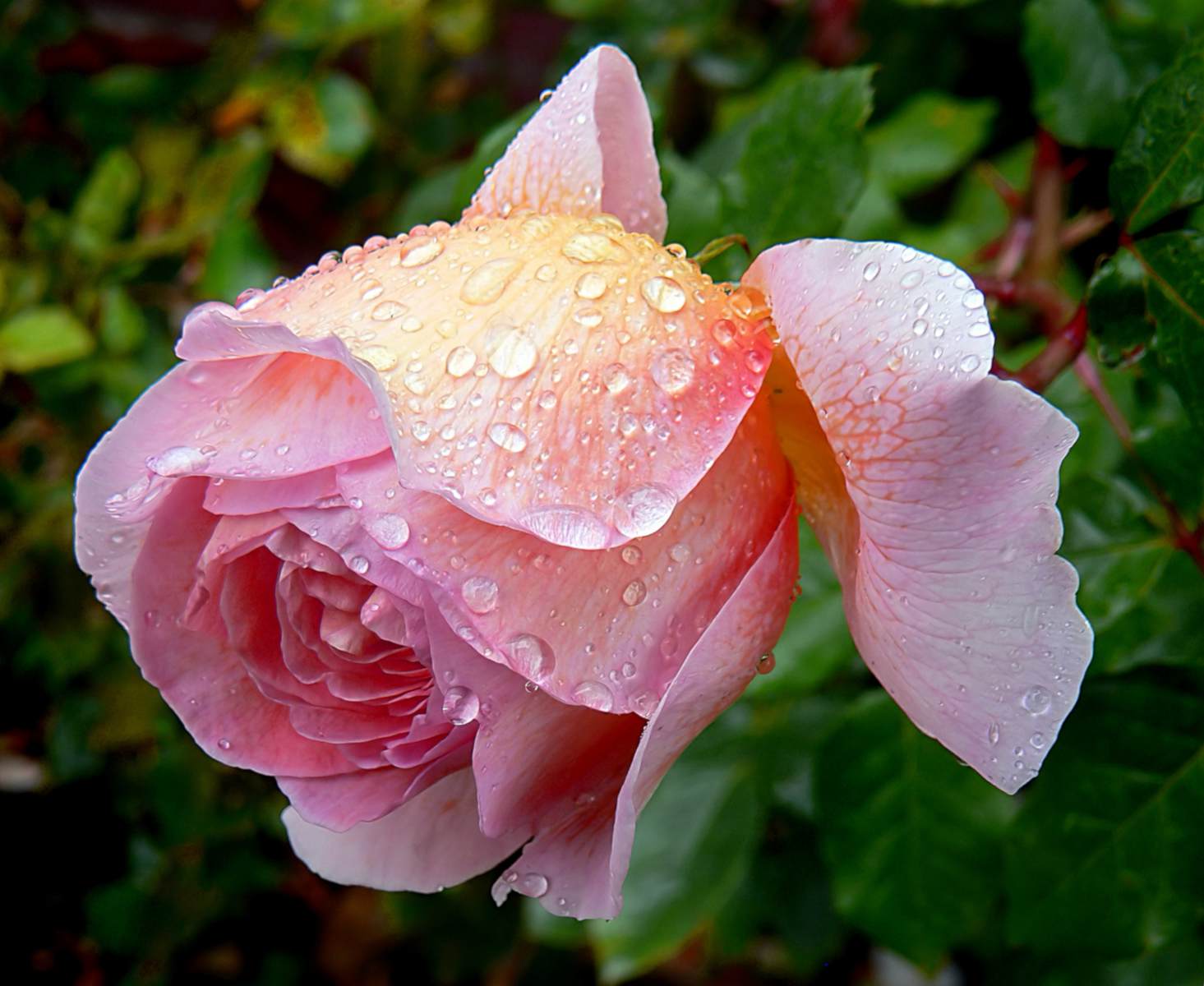
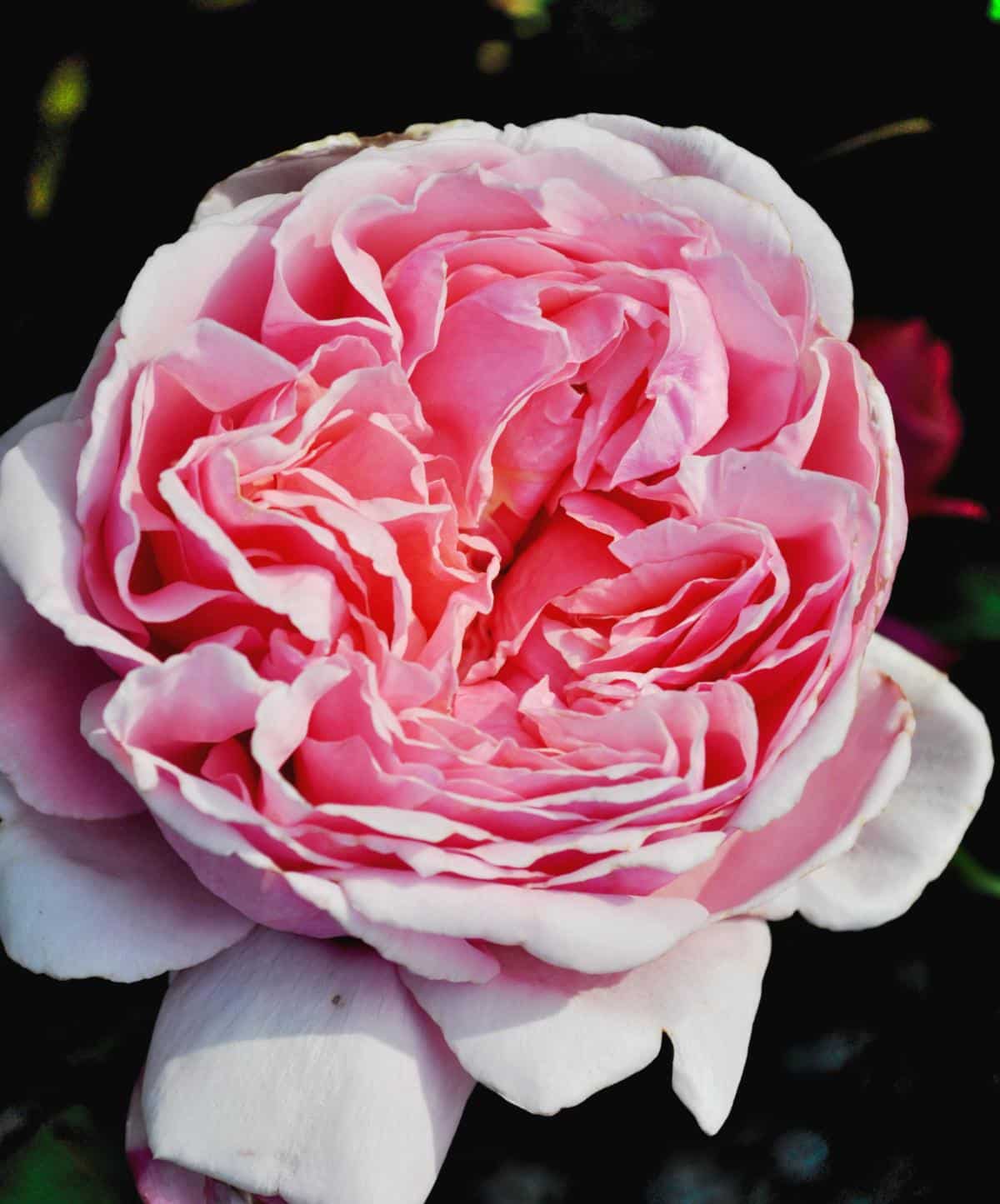
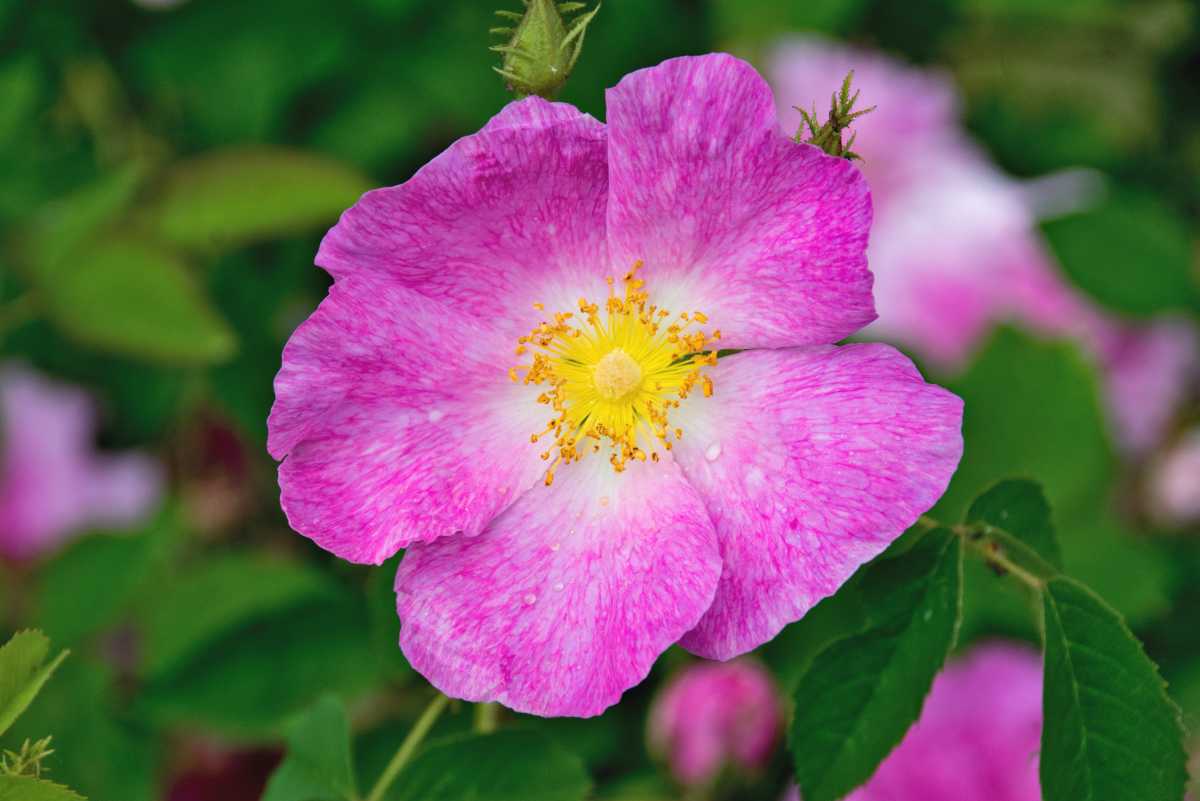
Large soft-petalled pompoms in pastel shades, carrying a rich mellow fragrance of tea, myrrh, fruit, musk or old classic rose: these are English roses (Rosa spp.), crosses of heirloom and modern roses best known for perfume and perfect near houses. Give them good exposure and cool, moist soil kept mulched, and the blooms come huge and scented.
Large soft petal pompoms with pastel colors, rich mellow fragrance: English roses are distinctly recognizable at first glance. One name stands out, David Austin, the horticulturist who created over 200 varieties since the 1960s.
In those days, “modern” roses were bred to be strong, hardy, stiff stemmed with beautiful but bland-smelling flowers. He had the idea to cross these hybrids with heirloom roses.
Results were amazing: huge fragrant blooms with soft-stems on bush rose trees or climbing rose trees. English roses were re-born, and they were perfect to plant near houses!
Five major scents in English roses
For David Austin, half the beauty of the rose is its fragrance. Scent is diligently sought after on each of his creations, and each new rose tree is proofed and checked by a scent expert.
A rose’s perfume doesn’t only come from its petals, it can also waft from the stamens that add notes of musk or cloves.
Specialist have since classified rose fragrances into five dominant types reminiscing of tea, myrrh, fruit, musk and old classic rose.
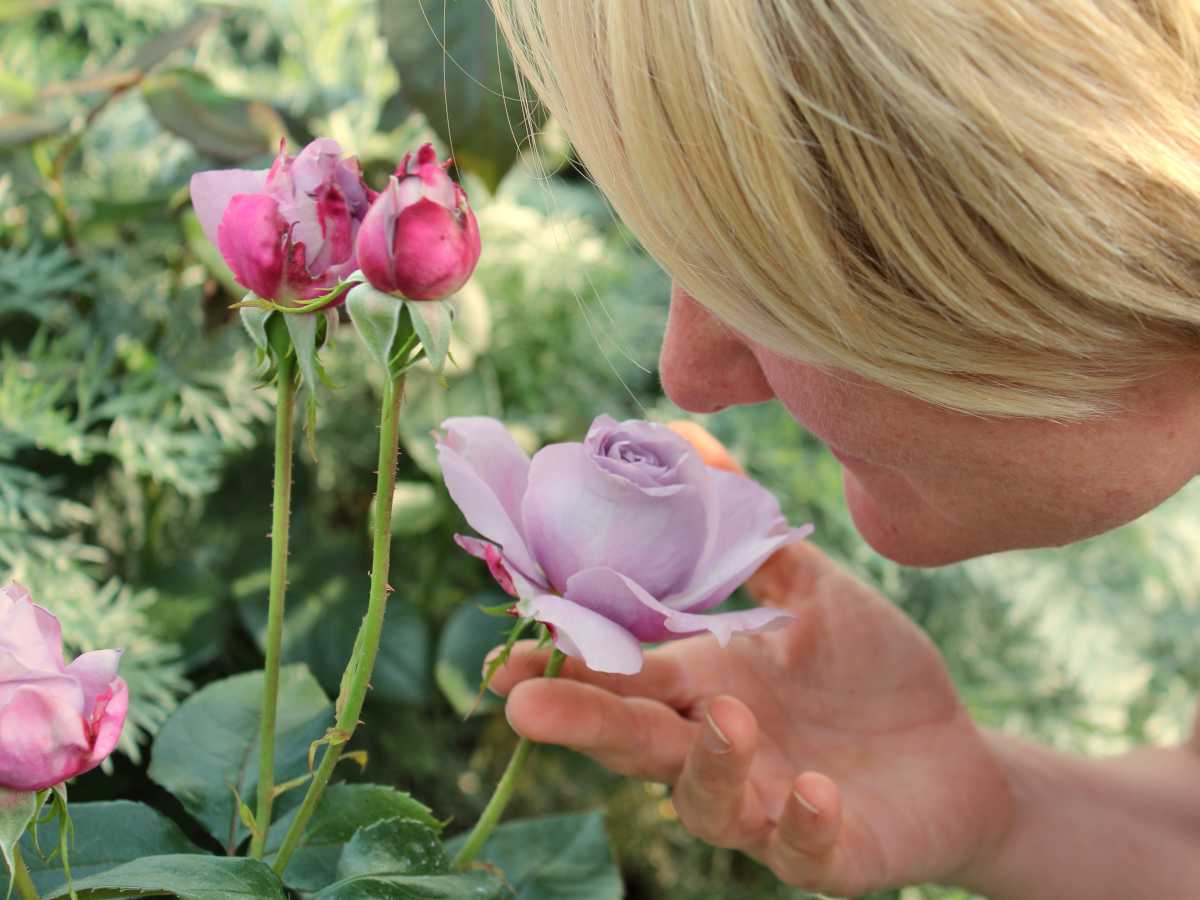
Plant strongly scented English roses beside a doorway, bench or path edge rather than mid-border, so you pass close enough to catch the fragrance, which is most noticeable in warm, sheltered, humid conditions.
For most English roses, gardeners suggest sniffing newly opened blooms on a warm, still, humid morning, when fragrance is often strongest, though peak scent timing and intensity vary by cultivar and conditions.
The myrrh note of English roses is an anise-like scent that some gardeners dislike, so smell a plant in flower at the nursery before buying rather than choosing a variety from its description.
Remove faded blooms from repeat-flowering English roses so the plant produces further flushes of scented flowers instead of putting its energy into forming hips.
Caring for English roses
English roses don’t call for any particular growing conditions. Like conventional roses, they appreciate a good exposure and cool, moist soil (mulch recommended).
Sold with bared roots, they are to be planted between November and March in soil amended with decomposed manure or compost, at a distance of 20 inches (50 cm) from any neighboring plant.
Add a little fertilizer at the beginning of spring to boost blooming and cut each rose tree back by a third in winter.
Before planting a bare-root English rose, soak the roots in a bucket of water for an hour or two and snip off any broken or dried root tips, so the plant establishes faster.
When planting an English rose, set the swollen graft union about 5cm (2in) below the soil surface, as UK guidance advises; this steadies the plant against wind-rock and shields the union from frost.
Remove faded English rose blooms by cutting back to a strong outward-facing leaf; deadheading this way tidies the plant and generally encourages a prompter, more generous repeat flush, since energy is not diverted into forming hips.
Avoid planting an English rose in ground where another rose has grown, or swap the soil in the planting hole for fresh topsoil, because rose replant problems stunt young plants.
Four recent English roses compared
The newer additions to the David Austin catalogue differ mainly in flower colour, habit and scent. The table below sums up what the article says about each, so you can pick the one that suits your border, wall or fragrance garden.
Four recent English roses compared
Variety
Flower colour and form
Habit or distinctive feature
Fragrance
‘Lady Gardener’
Apricot-coloured blooms
Born in 2013, the first English rose in this colour
Not specified
‘Albrighton Rambler’
Small pink flowers
Resilient rambling rose, for walls and supports
Not specified
‘Carolyn Knight’
Orange, double flowers
Double-flowered bush rose
Honey and almonds
‘Thomas à Becket’
Carmine red roses
Particularly resilient rose tree
Classic old English rose scent
Whichever you choose, all four share the soft-petalled, richly scented character that defines the group.
New English roses
‘Carolyn Knight’ bears orange double flowers smelling of honey and almonds
Every year, new creations enrich the David Austin catalog.
In 2013, the ‘Lady Gardener’ was born, first among the English roses to bear apricot-colored blooms.
The ‘Albrighton Rambler’ is a resilient rambling rose variety with small pink flowers.
‘Carolyn Knight’ bears orange double flowers smelling of honey and almonds.
The ‘Thomas à Becket’ variety is a particularly resilient rose tree, with carmin red roses that exhale the classic old English rose fragrance.
Laure Hamann
David Austin Roses recommends planting English roses in groups of three of one variety, set about 18 inches apart, so they grow together as a single bushier shrub with fuller bloom and stronger fragrance.
Give the ‘Albrighton Rambler’ a wall, arch or pergola to climb before planting, and tie its long stems in while they are still young and flexible, as older stems are stiffer and harder to train.
Prune a once-flowering rambler after flowering by cutting the oldest flowered stems out at the base and tying in strong young shoots; repeat-flowering ramblers are instead pruned more lightly in winter.
Site strongly fragrant roses beside a doorway, path or seat, where their scent is met at close range rather than drifting away across open lawn; check each variety’s described perfume before choosing.
Smart tip about English roses
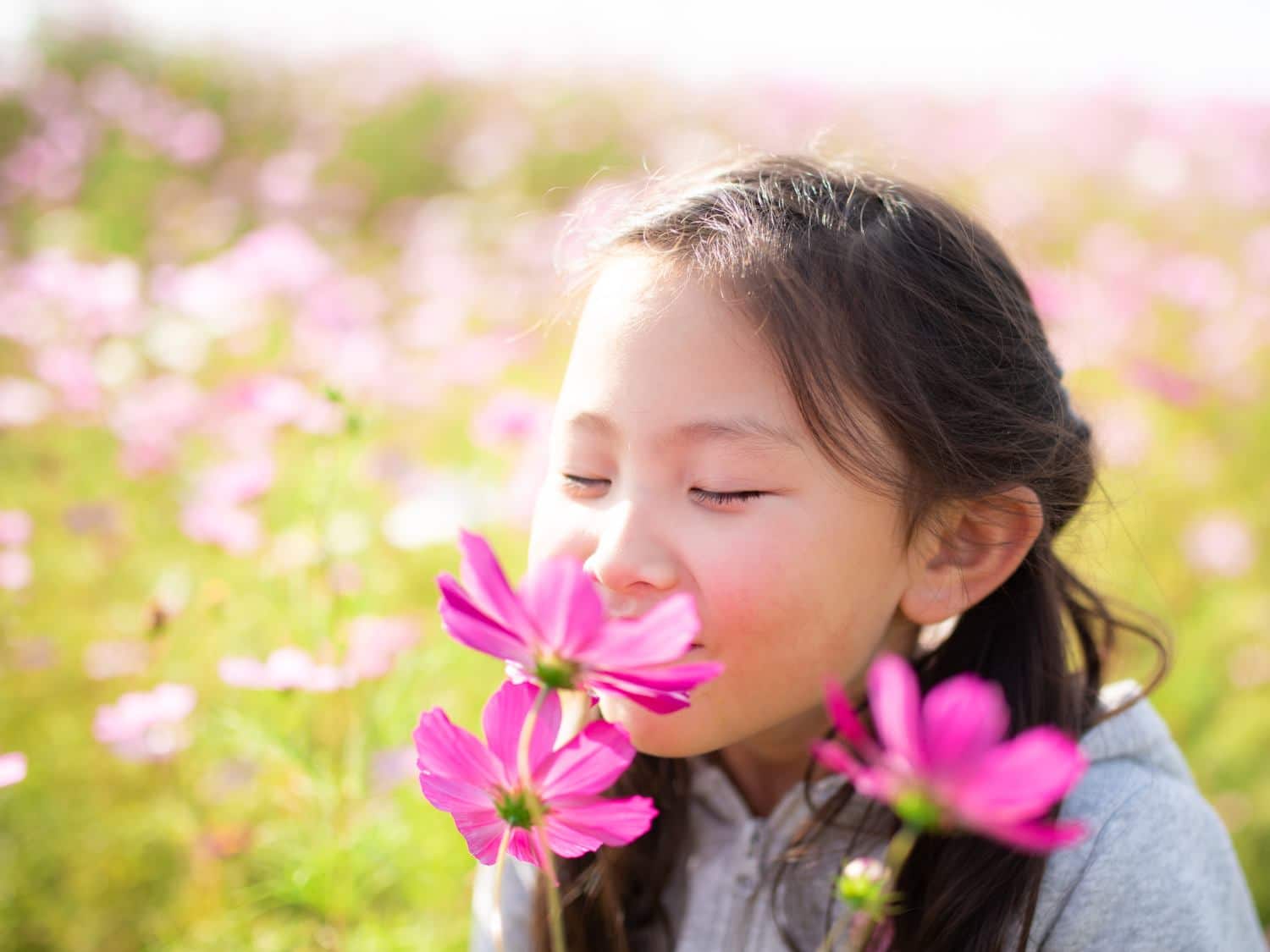
These delicious fragrant roses are a blessing when you can grow them in the meditation corner of your garden. They will help you reach that soothing focus where the entire body is at peace!