Home » Health » Moldy Food: Which Ones to Throw Away, and Which Are Safe
Moldy Food: Which Ones to Throw Away, and Which Are Safe
·
1
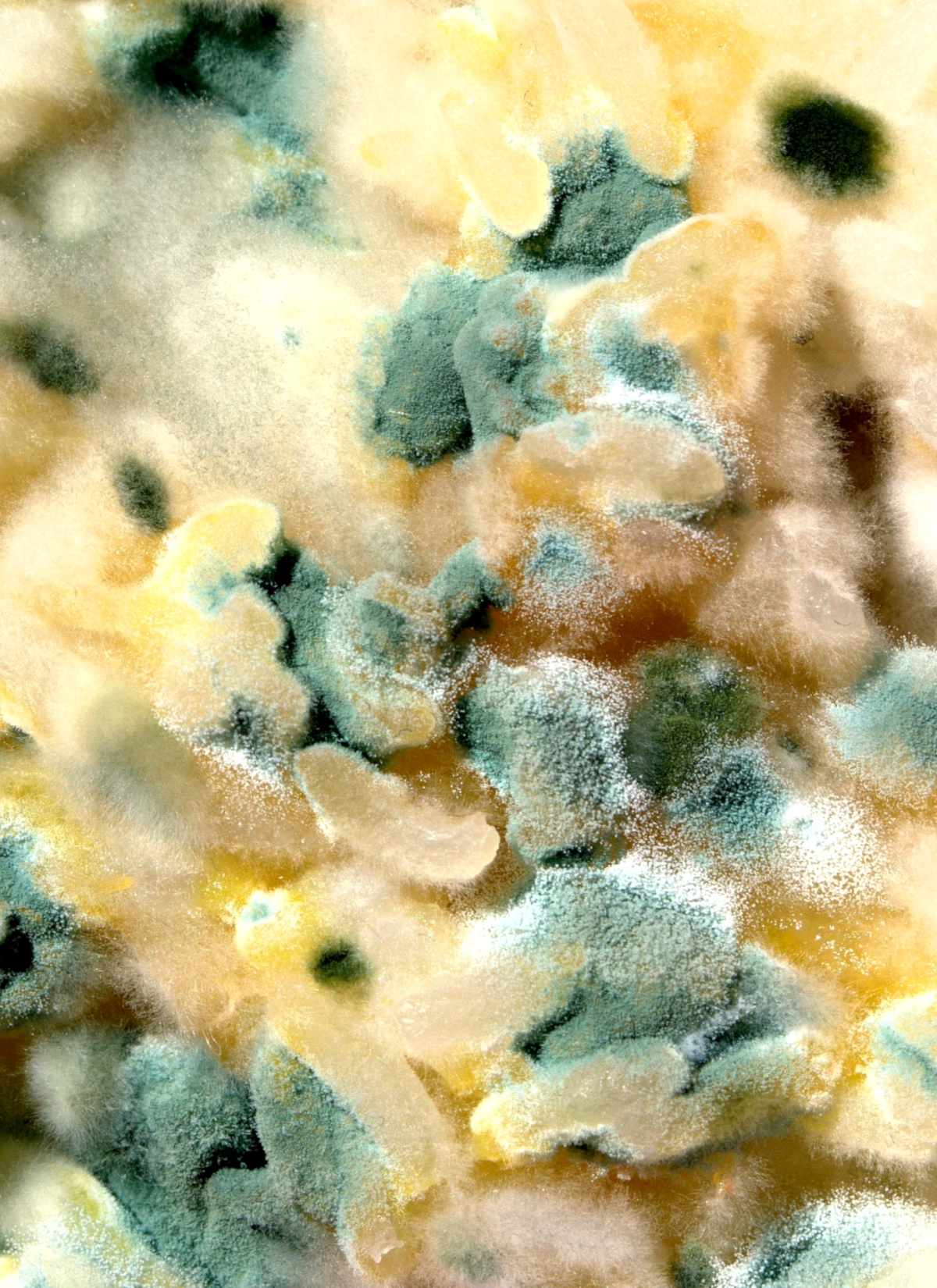
A blue-green spot on a tomato, a fuzzy patch on yesterday’s pasta, a bloom on the jam lid. Some of these mean the whole thing goes in the compost; others mean you cut, discard and carry on. This page sorts food into the two piles, explains why soft and cooked foods are the risky ones, and shows how to keep mold away in the first place.
Mold on food at a glance
Item
Detail
What it is
Microscopic fungi (genera such as Penicillium, Aspergillus, Rhizopus, Botrytis)
Group
Fungi — filamentous molds
Part affected
Surface plus the invisible network of threads underneath
Forms encountered
Fuzzy white, grey, green, blue, black or pink patches; slime; musty bloom
Season of greatest risk
Late summer to early autumn, when warmth, humidity and gluts of ripe fruit meet
Taste and smell
Musty, earthy, cellar-like; a sour or alcoholic edge on fruit
What kitchen practice says about it
Household tradition has always made the same distinction the food-safety guidance published by the USDA makes: mold on soft food, throw away; mold on cooked food, throw away.
Old kitchen habit keeps hard foods, cutting generously around and below the spot — the flesh is dense enough that the threads have not travelled far.
Cheesemakers and charcutiers have used mold deliberately for centuries: blue cheeses, bloomy rinds and dry-cured sausage owe their character to it.
Gardeners’ lore sums up the speed of spread in one line, and it is worth remembering when you tip a basket onto the kitchen table:
“A bad apple spoils the bunch!”
Cooks in the habit of bletting — letting sloes, medlars and mahonia berries soften past ripeness — accept that they are working at the very edge of the safe window, and check each fruit individually.
Foods to throw away when moldy
No list is ever complete, which is why the “soft or cooked” rule of thumb matters more than the list itself.
soft cheese, yogurt and sour cream
processed meats: luncheon meats, bacon, hot dogs
leftover cooked meat and poultry
leftover cooked grains and pasta
cooked casseroles and stews
jams and jellies
bread and baked goods
berries and ripe fruit
peanut butter
legumes — beans and bean dishes such as chili con carne or French cassoulet
nuts, including moldy walnuts picked up from under a tree
anything soft or cooked not named here — a moldy artichoke hummus goes out just the same
Discard. Cooking has already softened the food and opened it up.
Hard foods
Firm carrot, cabbage, hard cheese, dry-cured ham, firm apple
Cut well around and below the spot; see our page on safe moldy foods.
Mold-ripened foods
Blue cheese, bloomy-rind cheese, salami rind
The mold is part of the recipe — but any unexpected colour or fuzz on top is not.
How to handle it, step by step
Sort the basket first. Tip fruit out in a single layer and look at every piece before storing.
One moldy fruit does not condemn the rest. Keep the intact ones, provided the skin is not wounded, bruised or soft where it touched the moldy neighbour.
Bag the discard before it leaves the room. Moving a fuzzy item across the kitchen scatters spores over everything on the way.
Compost, don’t bin. Moldy fruit and vegetables belong in the compost heap, where the fungi are simply doing their job.
Wipe the container. Wash the bowl, box or fridge shelf with hot soapy water; a musty smell in the fridge means spores are still in residence.
Check the neighbours for two or three days. Mold spreads fast once established, so re-inspect what was stored alongside it.
Don’t sniff it. Inhaling a cloud of spores is an unnecessary risk, especially for anyone with asthma or allergies.
Bletted fruit: the special case
Sloes from the blackthorn, medlar and mahonia berries are at their best after bletting — that is, when over-ripe and sweetened.
That softened flesh is exactly what mold is looking for, so the window is narrow.
Leave medlars and sloes on the branch as long as the weather allows, from mid-autumn into early winter, rather than bletting them in a bowl indoors.
Preserve mahonia berries the same day they come in, in early summer, rather than letting them sit.
Frequently Asked Questions
The one thing to remember: mold on soft food or cooked food means the whole item goes in the compost — only dense, hard foods can be cut around.
Mold on soft fruit: the whole tomato goes in the compost
Can I just cut the moldy bit off a tomato or a strawberry?
No. The soft flesh lets the fungal threads spread far beyond the visible patch, so no part of the fruit can be trusted. It is safer to throw the whole fruit into the compost. The same applies to peaches, soft cheese, yogurt and jam.
Does cooking make moldy food safe again?
It does not. Cooking kills the living fungus, but many molds leave behind toxins that survive heat, so the risk stays in the dish. Reheating a moldy casserole or boiling moldy pasta changes nothing. Cooked food that has gone moldy is always a discard.
One fruit in my basket is moldy — must I bin the lot?
Not necessarily. You can still keep the intact fruits, as long as the skin is not wounded, bruised or soft on the spot that was touching the moldy neighbour. Remove the bad one straight away, wipe the container, and check the rest again over the next couple of days. Mold spreads fast if left unchecked.
Why are bletted fruits like medlars and sloes such a problem?
Bletting means letting the fruit go past ripeness until the flesh softens and sweetens, which is exactly the condition mold thrives in. The trick is to leave the fruit on the branch as long as the weather allows, from mid-autumn into early winter, rather than blet a bowlful indoors. Mahonia berries are best preserved the day they are picked.
Is the mold on blue cheese and salami the same thing?
Those molds are chosen and cultivated as part of the recipe, and they are doing the preserving. What is not part of the recipe is an unexpected fuzzy patch of a different colour on the surface — on a soft cheese, that means the whole piece goes. People with a weakened immune system are usually advised to avoid mold-ripened cheeses altogether.
This information is provided for general interest and reflects the traditional use of plants. It is not a substitute for medical advice. If you are on medication, pregnant, or in any doubt, ask a healthcare professional.
Written by Gaspard Lorthiois | Loves helping out, especially when it comes to growing things. Worked in herbal medicine, runs a farm, and dabbles in tech. Master's degree and engineer.