The thing is, Xylella fastidiosa is one of the most destructive plant bacteria on earth, and it is moving. Already responsible for wiping out millions of olive trees across southern Italy, it has now been confirmed in parts of France, Spain, and Portugal — targeting not just olives, but lavender, rosemary, and almonds too.
If you shoot up any of these plants, knowing what to look for is non-negotiable. It is urgent.
Xylella fastidiosa is a bacterium that colonises the xylem — the internal vessels that carry water up through a plant. Once inside, it forms a blockage.
The plant essentially dies of thirst from the inside out, even when the soil is perfectly moist.
It arrives via sap-sucking insects, most commonly the meadow spittlebug (Philaenus spumarius). You know that white foamy froth you sometimes see on olive tree, lavender and grass stems in summer? That is spittlebug nymph activity. The adult feeds, picks up the bacteria from an infected plant, and carries it to the next healthy one. Fast. Efficient. Invisible until it is not.
Different strains attack different hosts. The Apulia strain devastated Italian olives.
Another strain, already detected in Corsica and the Balearic Islands, targets lavender specifically — and that should alarm any gardener in southern Europe or anyone importing plants from those regions.
Devastating is not too strong a word. Since 2013, Xylella has killed or irreversibly damaged over 21 million olive trees in Puglia alone, according to the European Food Safety Authority. Some groves dating back centuries are gone entirely.
There is no cure. None.
Once a plant is confirmed infected, the only course of action is removal and destruction — not composting, not chipping for mulch. Burn or bury.
Doing nothing accelerates the spread dramatically. A single infected plant in a garden surrounded by lavender, rosemary, and olive becomes a reservoir.
And the spittlebugs feed, move on; the zone of infection widens with every warm week. Southern Hemisphere gardeners: this applies most directly to your December and January conditions, when spittlebug populations peak in your warm season.
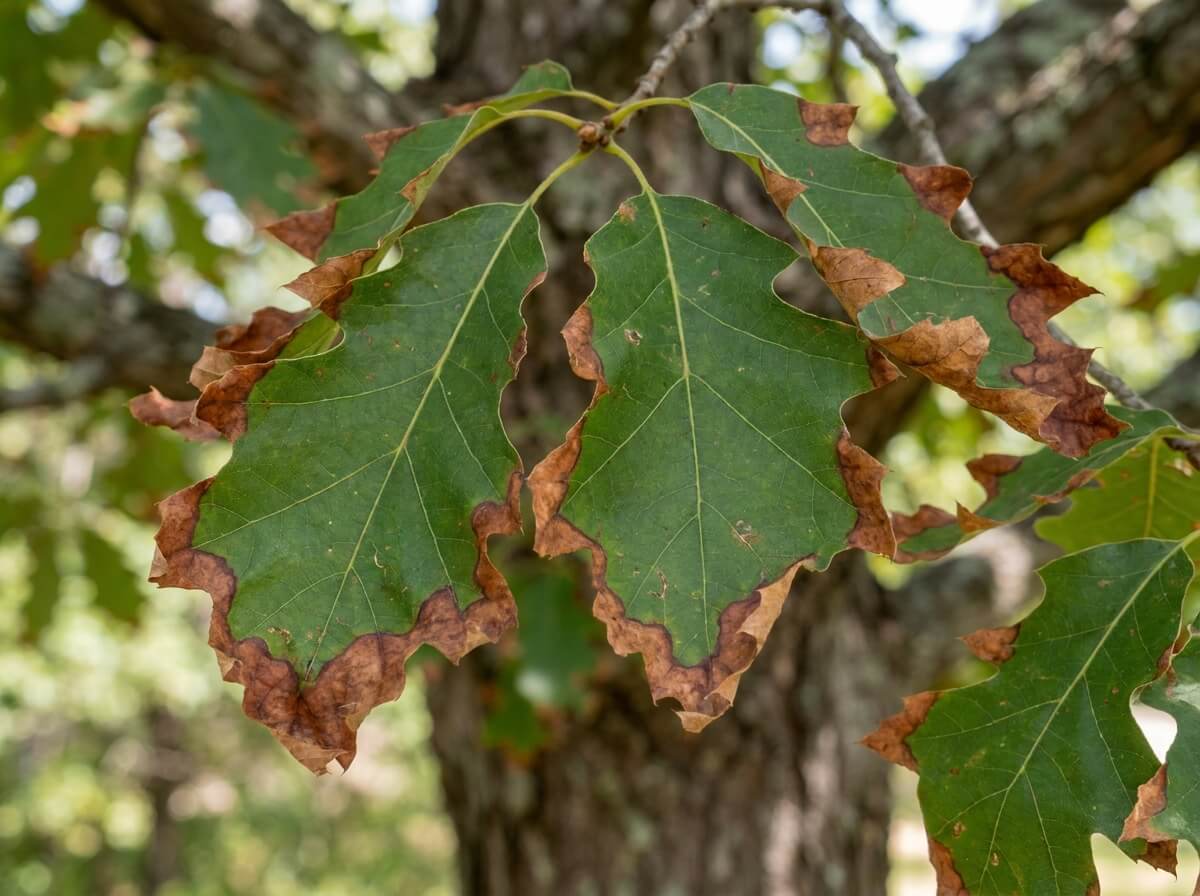
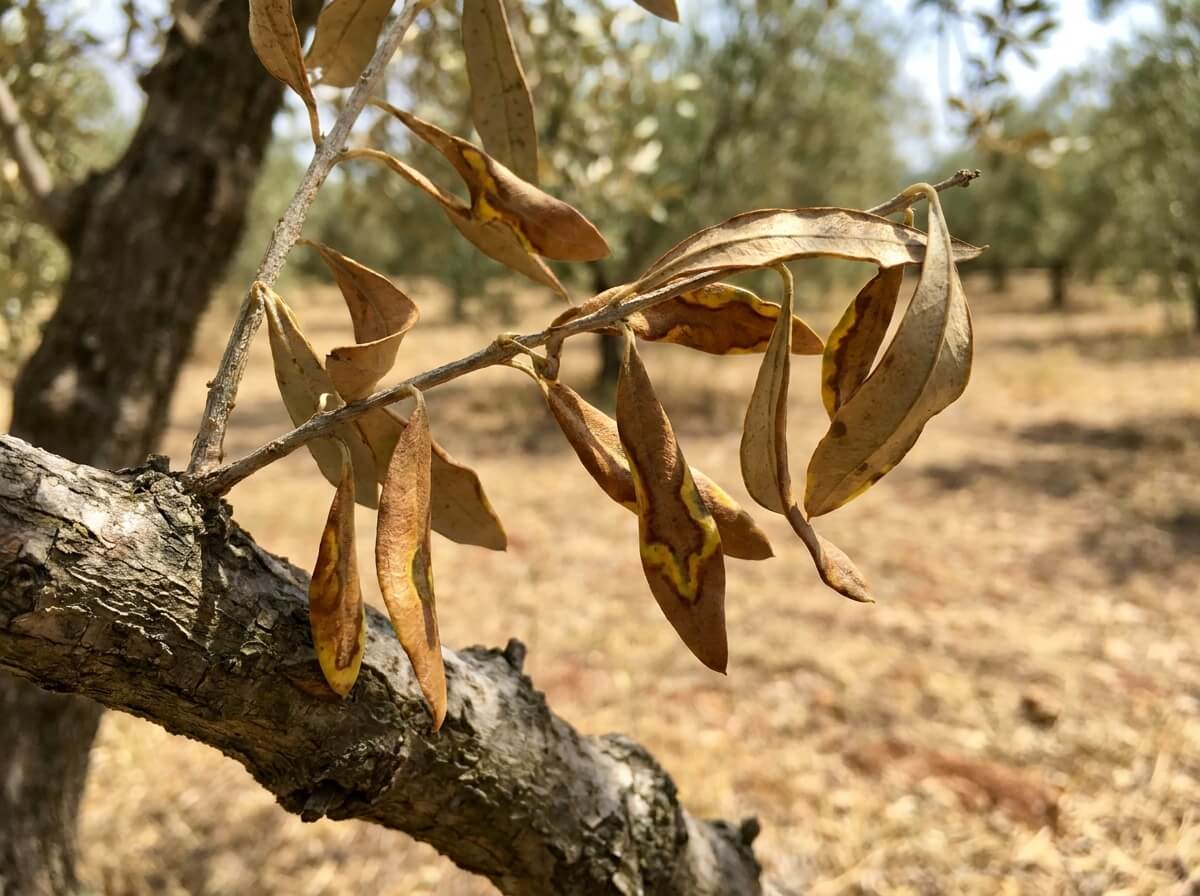
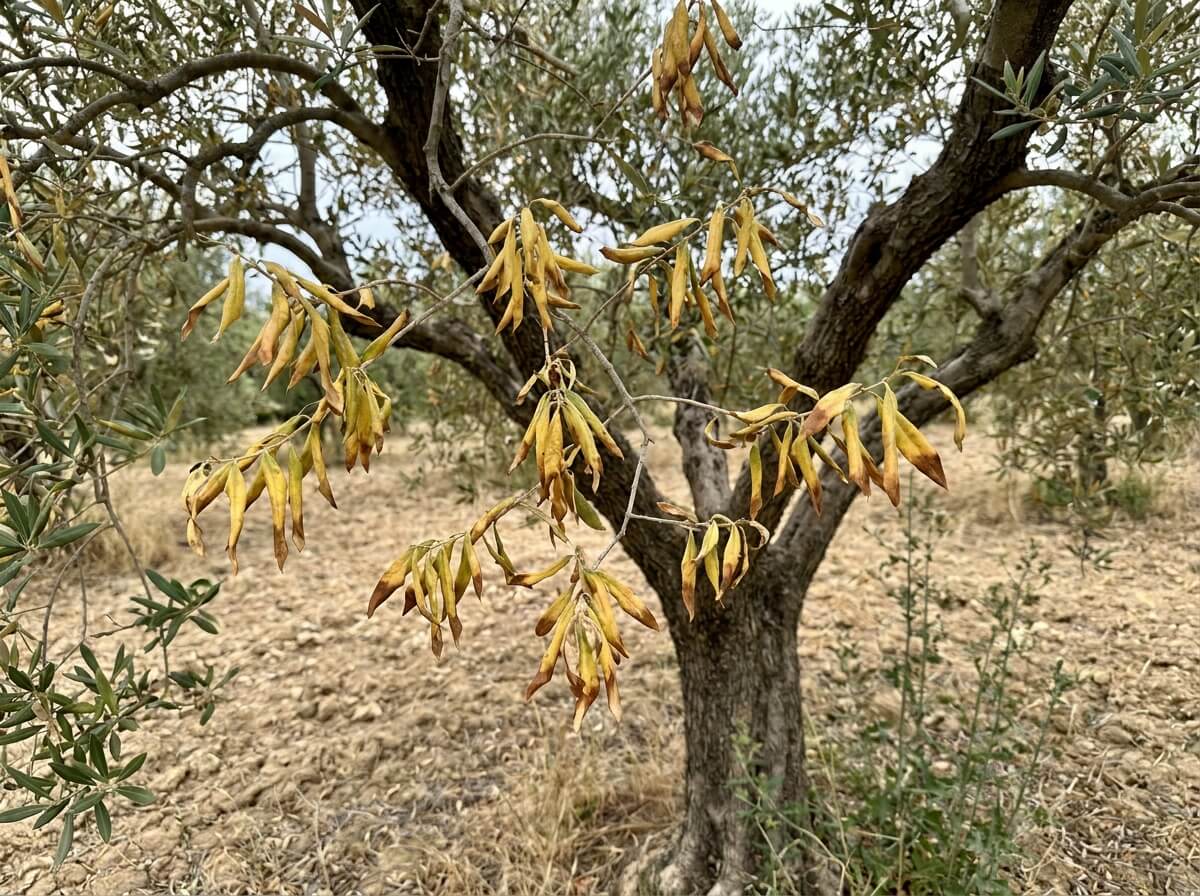
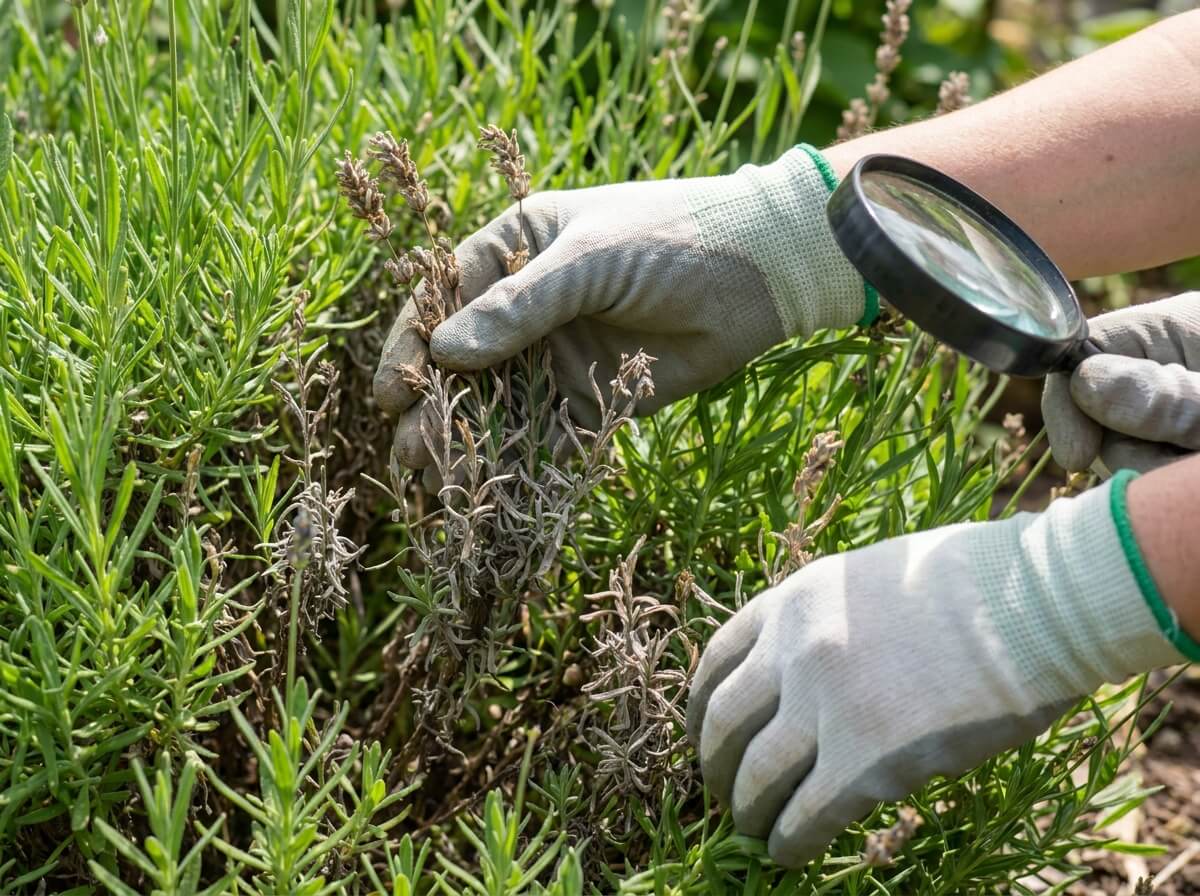
Start with a proper inspection. Get close to your olive trees and lavender — not a glance from three metres away, but a hands-on check of stems and leaves.
Look for:
If you suspect infection, do not prune and compost the cuttings. That only moves the disease. In the UK, Xylella is a notifiable pest under the Plant Health legislation monitored by the RHS and APHA. Report it to the Animal and Plant Health Agency (APHA) immediately. In the EU, report to your national plant health authority. In Australia, contact your state’s Department of Agriculture — Xylella has not yet been confirmed there. Keeping it out is absolutely paramount.
Reduce spittlebug populations by pulling off weedy ground cover beneath susceptible plants. A tidy, well-managed 1-metre zone around olives and lavender does wonders for eliminating overwintering habitat for nymphs.
And if you are buying new olive or lavender plants, buy from certified, disease-free nurseries — always ask for plant passports in the EU and UK.
Xylella’s host range is alarming. Beyond olives and lavender, confirmed hosts include rosemary, cherry, almond, holm oak, and polygala.
But if several different plant species in the same area are showing unexplained decline at once, that pattern presents a serious issue.
Watch for any scorch-like symptoms that appear on multiple unrelated plants simultaneously — this is not normal summer stress.
Cross-reference any decline with a check on spittlebug activity. If the froth is there and the symptoms match, act immediately.
Yes, the reporting process feels a bit much. Do it anyway — worth the bother, considering the difference between early reporting and late reporting is measured in thousands of lost trees.
Smart tip: Always buy olive and lavender plants with an official plant passport — it is your first line of defence against Xylella.
It has not established in the UK yet, but it is classified as a priority pest under UK plant health law. Any suspected case must be reported to APHA immediately.
No cure exists for Xylella fastidiosa. Infected plants must be removed and destroyed — never composted or moved to another site.
Drought stress browns leaves from the base or whole-plant simultaneously. Xylella typically shows branch-by-branch dieback with tip-inward scorch, often while the rest of the plant still looks healthy.
Xylella has not been confirmed in Australia or New Zealand, making biosecurity vigilance critical — especially when importing plant material from Europe or the Americas.