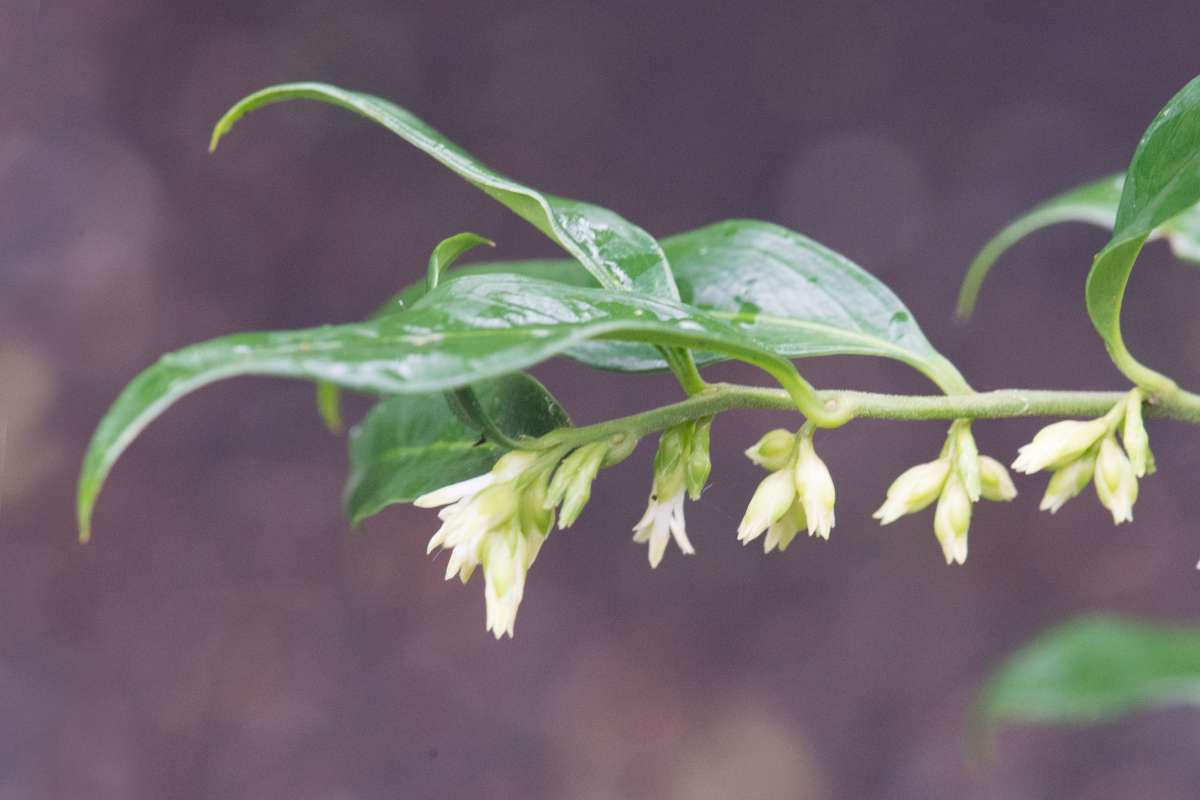
Tiny leathery leaves, tightly bound together, crowd the stems of this dark green evergreen, and from midwinter to early spring its flowers fill the air with scent before giving way to berries that set birds tweeting. Sweet box (Sarcococca) makes a fine low hedge, a topiary subject or a pot plant — give it soil that never waterlogs in winter.
| Name | Sarcococca |
|---|---|
| Family | Buxaceae |
| Type | shrub |
| Height | extremely variable, maximum 13 feet (4 meters) |
| Soil | ordinary |
| Exposure | sun and part sun |
| Foliage | evergreen |
| Flowering | midwinter to early spring |
It is very much appreciated for the fragrance that its flowers release. Related to boxwood, which makes it great for hedges.
For sweet box, planting is either in fall or in spring but avoid frost spells and high temperatures.
In the first case, settling in is easier, and in the second case, you’ll need to water regularly after having planted your sweet box.
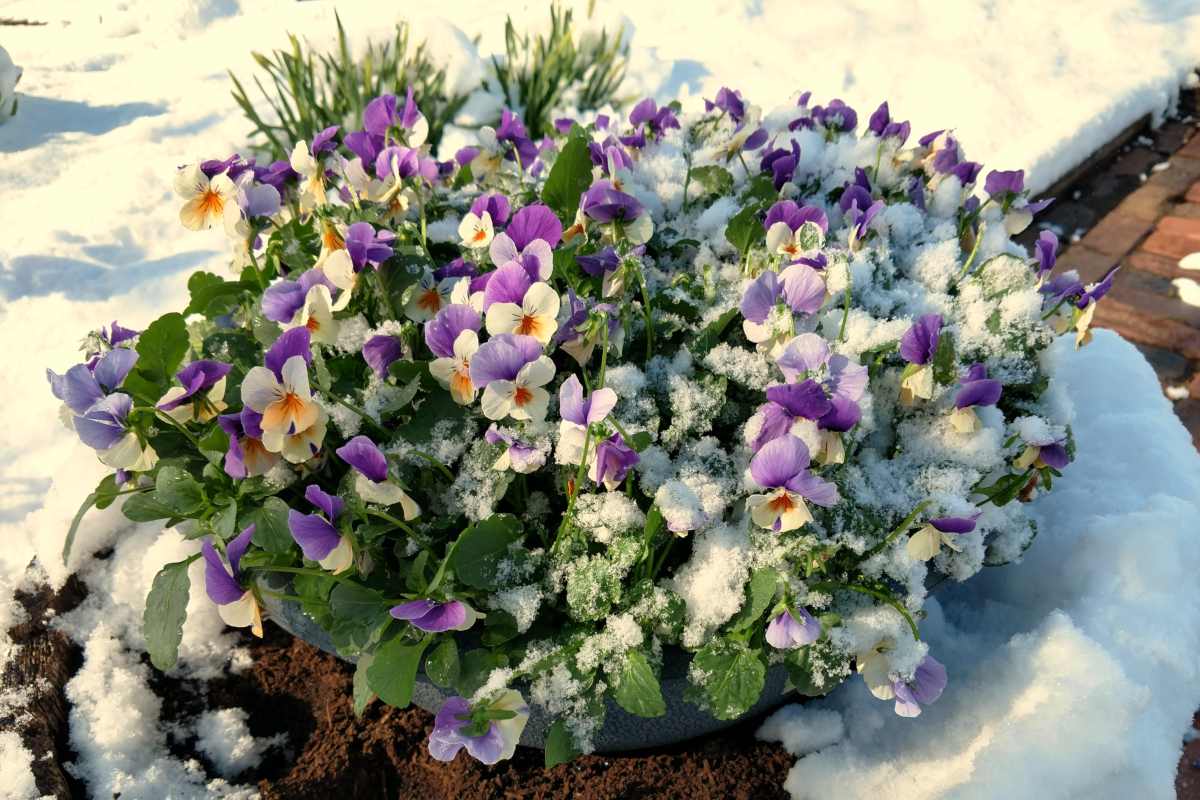
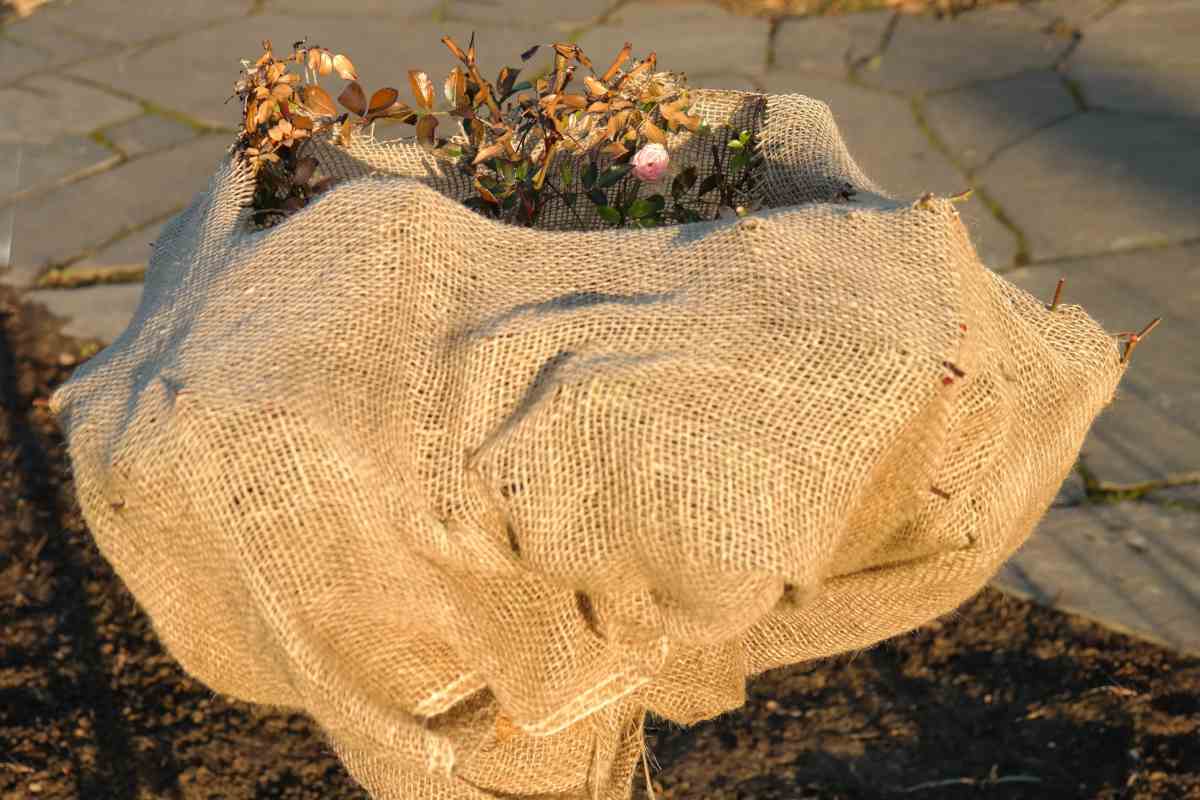
This shrub abhors cold winds and damp soil, especially clay soil that gets waterlogged in winter.
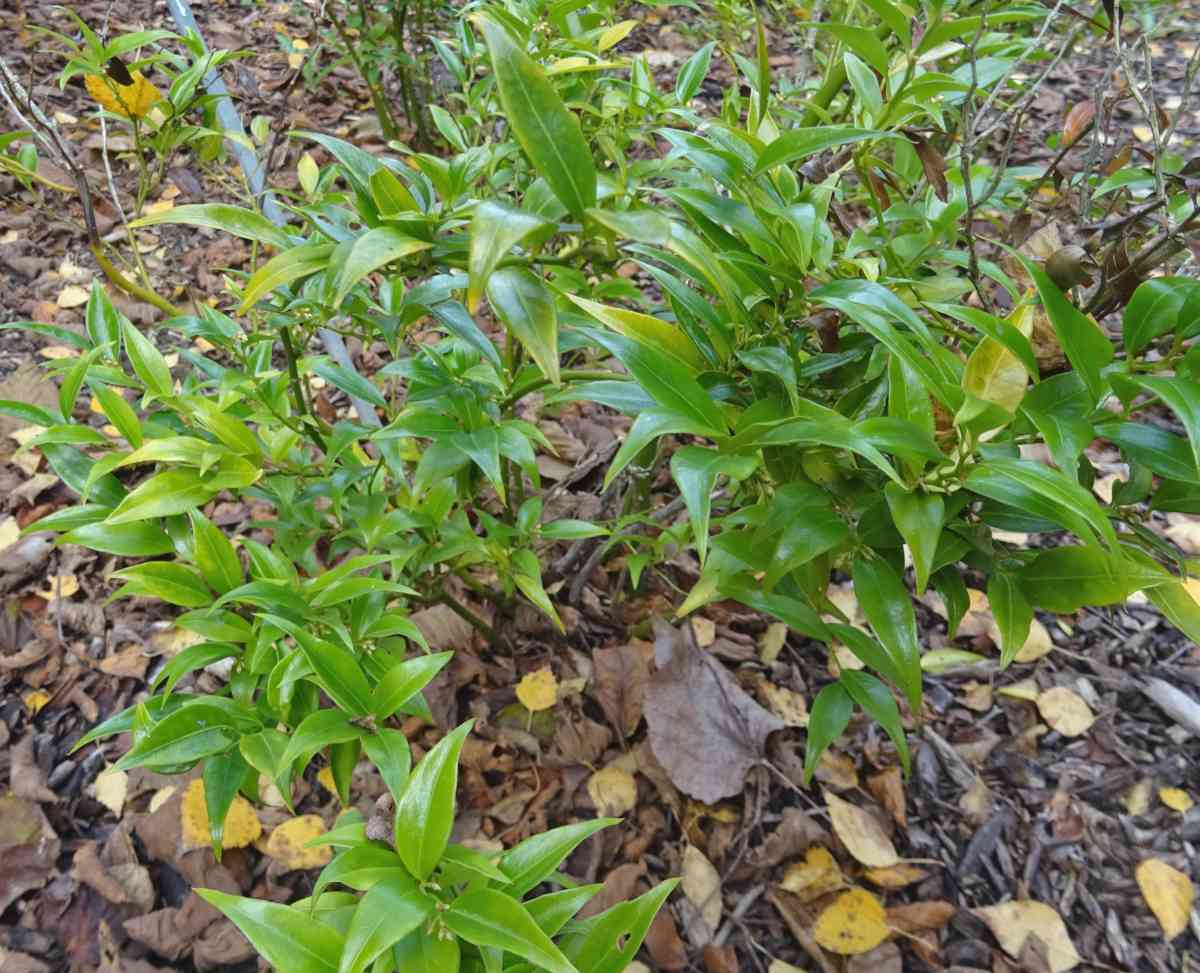
For sweet box planted in the ground, if you wish to grow a low-lying hedge, your 6 to 8 inch (15 to 20 cm) sweet box specimens should be planted 8 to 10 inches (20 to 25 cm) apart.
With more space between plants, your hedge can be taller.
Add soil mix blended with earth from your garden.
Sweet box is a shrub that requires very little work. Pruning is the only care that is actually needed, and even this can be converted from chore to passion, when the art of topiary is mastered!
Easy to care for, sweet box thus doesn’t need any care other than pruning, and even that isn’t mandatory.
There are no known sweet box diseases or parasites.
Although sweet box (Sarcococca) belongs to the box family, Buxaceae, it is generally not attacked by box tree caterpillar; it can, however, be infected by the box blight pathogen Calonectria pseudonaviculata.
Sweet box growing directly in the ground resists drought well, but potted sweet box quickly suffers in case of dry spell. Forgetting to water it could spell its death.
Watering potted sweet box
Watering sweet box when planted in the ground
Sweet box takes to the open ground, to a clipped low hedge and to a pot, but each situation asks for something slightly different at planting and afterwards. Use the table to find the one that matches your garden.
| Situation | What to do | Watering | Watch out for |
|---|---|---|---|
| Planting in fall | Plant and let the shrub settle in over winter | Little extra watering needed | Avoid frost spells |
| Planting in spring | Plant, then keep an eye on the young shrub | Water regularly after planting | Avoid high temperatures |
| Low-lying hedge | Set 6 to 8 inch plants 8 to 10 inches apart | Water abundantly after planting | More space between plants gives a taller hedge |
| In the ground | Soil mix blended with garden earth, then mulch | Only in drought, and only if the leafage turns yellow | Hates cold winds and damp clay soil |
| In a pot | Use planting or repotting soil mix | Regularly in heat, without drowning the roots | A drainage hole, or the roots rot |
Whichever you choose, the shrub asks for very little afterwards beyond an occasional prune.
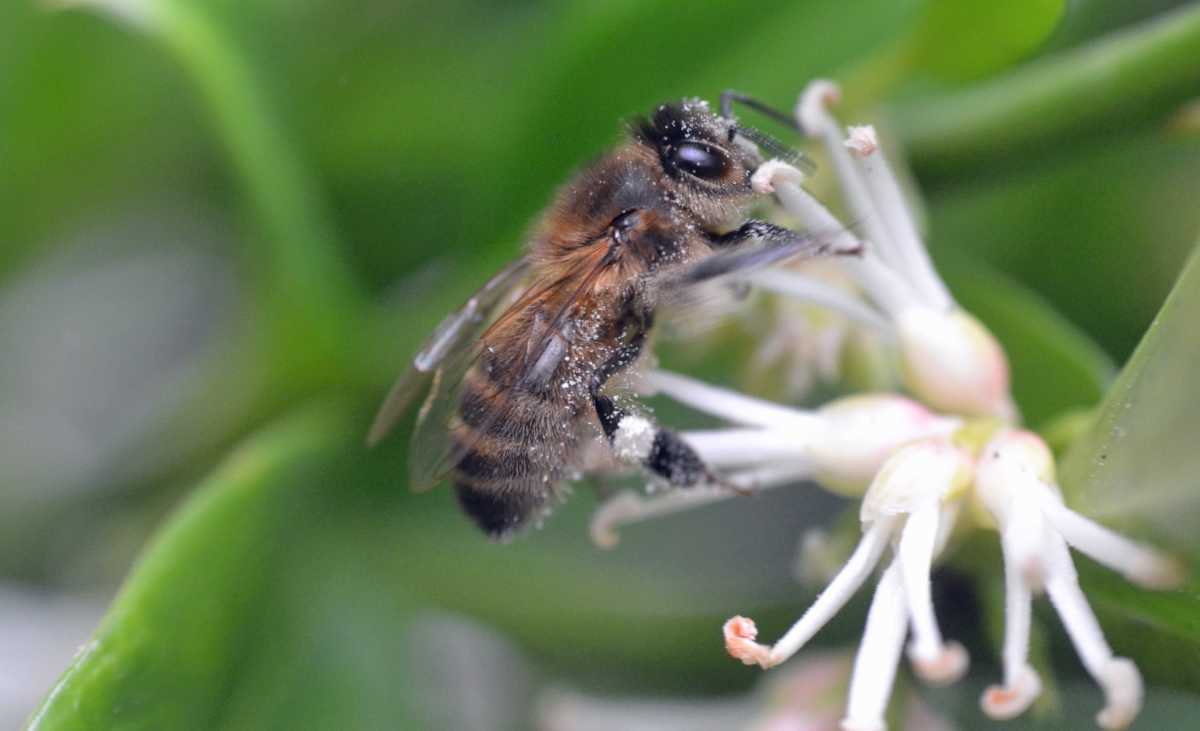
Native to East and South-East Asia and to the Himalayas, too, sweet box is a rather slow-growing shrub which has very appealing evergreen foliage, dark green in color. It blooms in winter.
The most widespread sweet box variety is confusa that can grow up to 6 ½ feet (2 meters) tall.
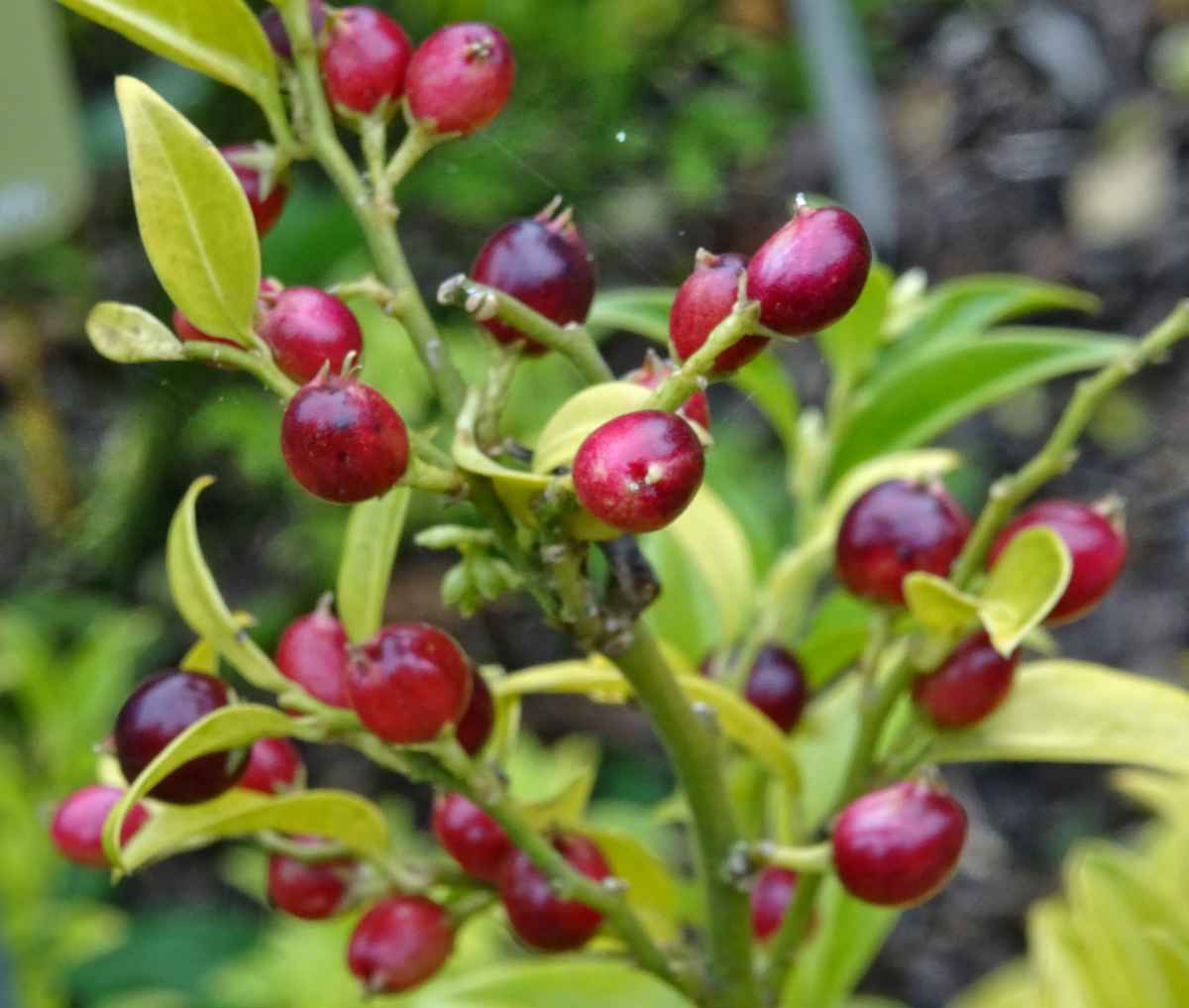
The scientific name Sarcococca comes from the two greek words sarkhos which means flesh and kokkos which means berries. Indeed, another appealing trait of sweet sweet box are its magnificent berries that decorate the shrub and make birds tweet with joy in summer.
Thanks to its tiny leaves, tightly bound together, this shrub is like a material that truly can be sculpted. Pruning and topiary is for some among us a passion that leads to amazing works of art.
Its hard wood and leathery leaves give it an extended longevity.
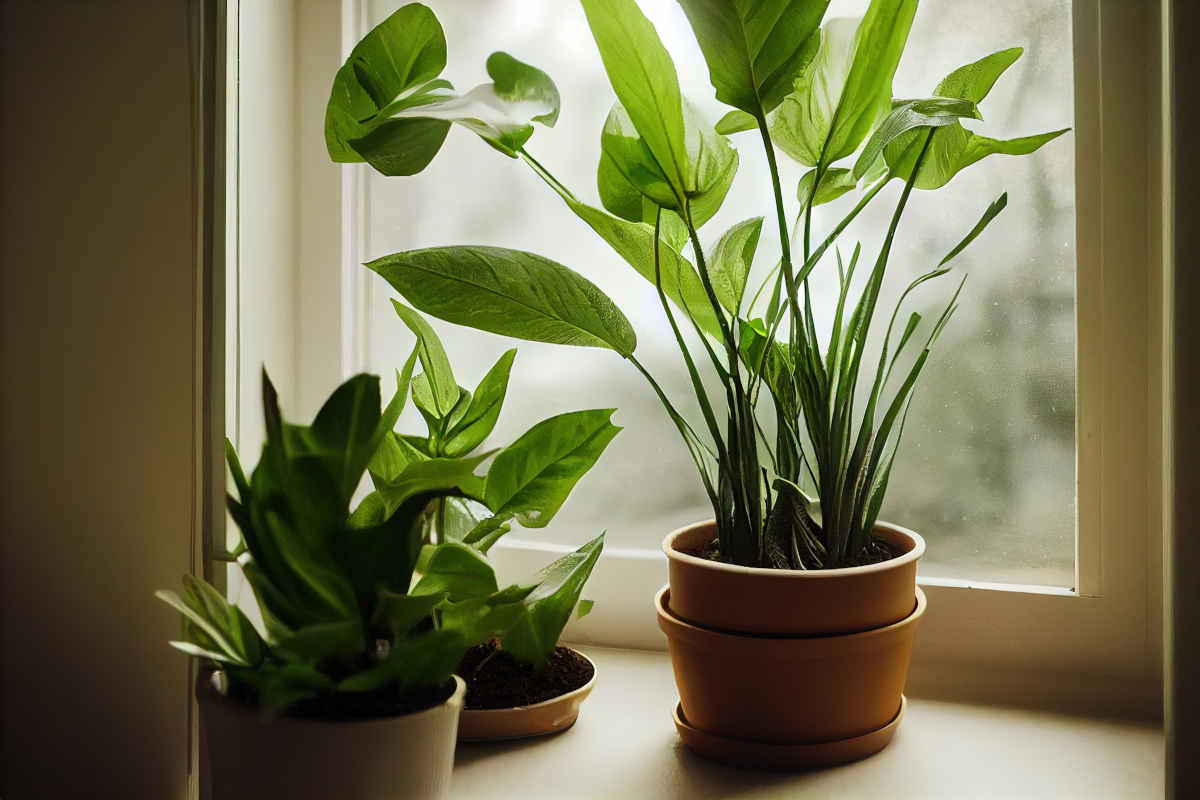
Sweet box is perfectly suited to growing in pots or in garden boxes for terraces and balconies.
It will thus decorate your deck and garden magnificently, and will survive the winter without giving you any problems…