As UK gardens bake under record July heat, the great compost debate reaches a boiling point. We put peat and premium peat-free alternatives head-to-head through a six-week heatwave to answer the question every environmentally conscious gardener is asking: does peat-free really work when temperatures spike?
July’s relentless temperatures have pushed UK and US gardens to their limits. Container plants in particular face intense stress, and the compost beneath them becomes absolutely critical to survival. Peat has dominated for decades precisely because it holds moisture reliably, but peat-free alternatives have improved dramatically in recent years, leaving gardeners genuinely uncertain about which to trust when conditions turn punishing.
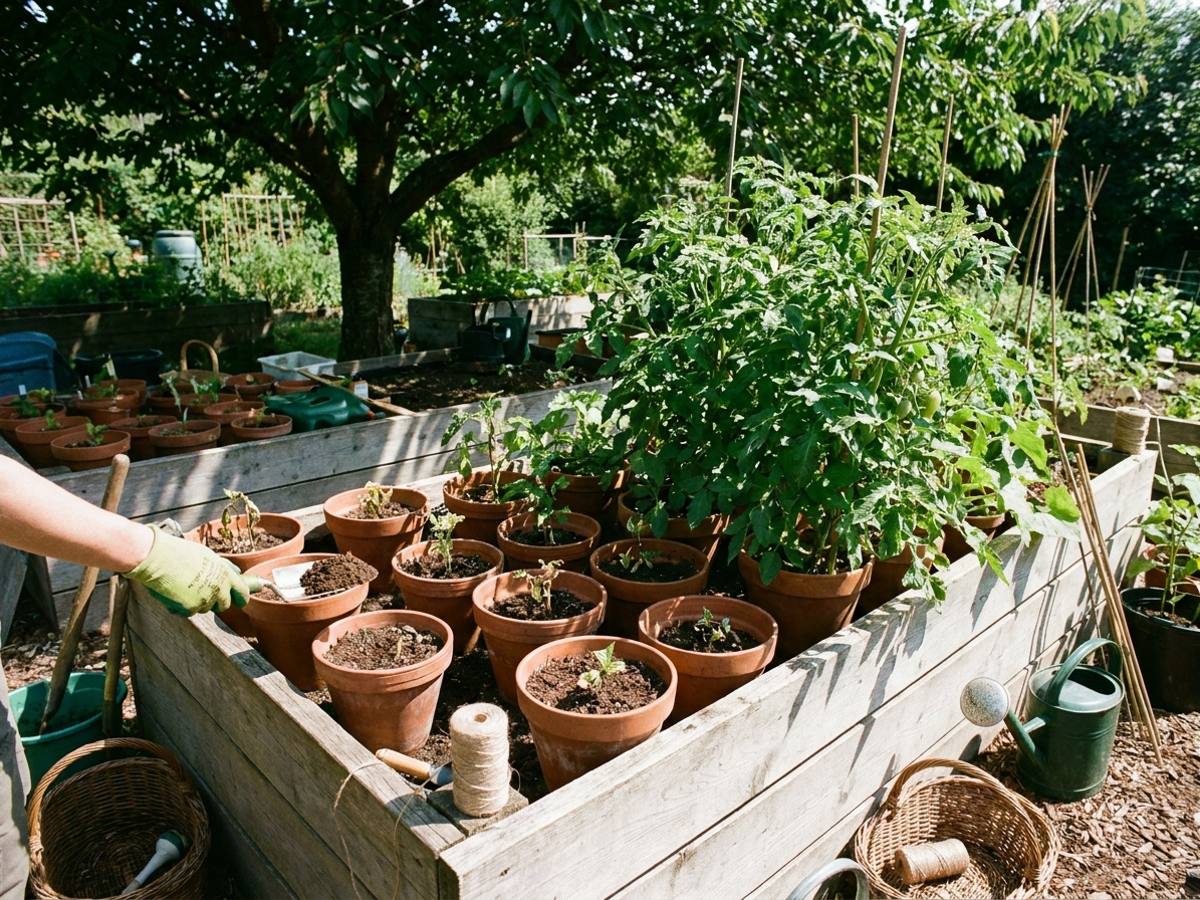
We selected twelve pairs of identical young courgette plants, lavender, and busy lizzies, potting each pair into matching containers. One set went into standard peat-based John Innes No. 2; the other into three premium peat-free blends (coconut coir, wood fibre, and a coir-wood mix). All containers received identical watering schedules, exposure, and feeding throughout a 32-degree heatwave in late June and early July.
The results were striking. Peat-free composts, particularly the coir-wood blend, matched peat’s water retention almost perfectly. Plants grown in peat-free showed marginally faster growth in cooler periods but crucially, they held their own during peak heat. Lavender in peat-free even outperformed its peat counterpart, likely due to superior drainage preventing root rot in over-watered conditions.
Four composts went through the same six-week heatwave under identical watering, exposure and feeding. Here is how each behaved and where it earned its place.
| Compost | Water retention in peak heat | Growth performance | Best suited to |
|---|---|---|---|
| Peat-based John Innes No. 2 | Reliable, the long-standing benchmark | Steady, but lavender did less well | Gardeners wanting familiar, predictable behaviour |
| Coir–wood mix | Matched peat’s retention almost perfectly | Best of the peat-free blends through peak heat | Hungry crops such as tomatoes and courgettes |
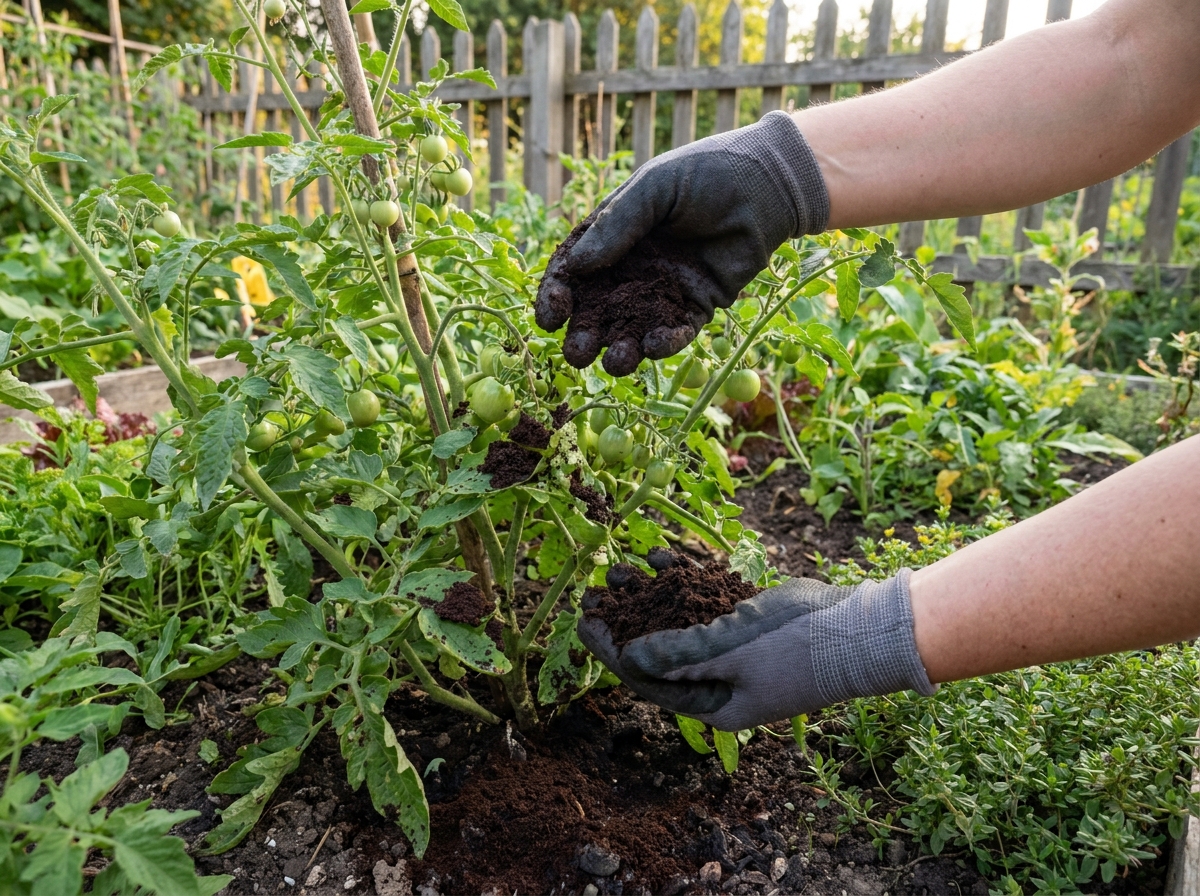
| Coconut coir | Premium blend, held its own in the heat | Marginally faster growth in cooler periods | Containers; also useful as a 2–3cm surface mulch |
| Wood fibre | Premium blend, held its own in the heat | Held up during peak heat alongside peat | Free-draining subjects such as lavender |
On this evidence, the performance gap that once justified sticking with peat has largely closed.
Based on our findings, here’s how to maximise your chances of success during summer stress:
Watch your peat-free plants closely over the next four weeks as heat potentially intensifies. Leaf colour, growth rate, and flowering performance will tell you whether your choice is right for your specific garden. Many gardeners who’ve resisted peat-free may be pleasantly surprised; the environmental case for switching is compelling, and our trial suggests performance concerns are increasingly outdated.