Peak edible flower season is here, and three UK and US gardeners who planted nasturtiums, calendula, borage, and violas report unexpected shifts in mood, focus, and stress levels. Over six months of cultivating and consuming these blooms, they noticed sharper attention spans, calmer mornings, and a profound reconnection to their outdoor space. We tracked their journey and discovered why July’s abundance matters more than just Instagram aesthetics.
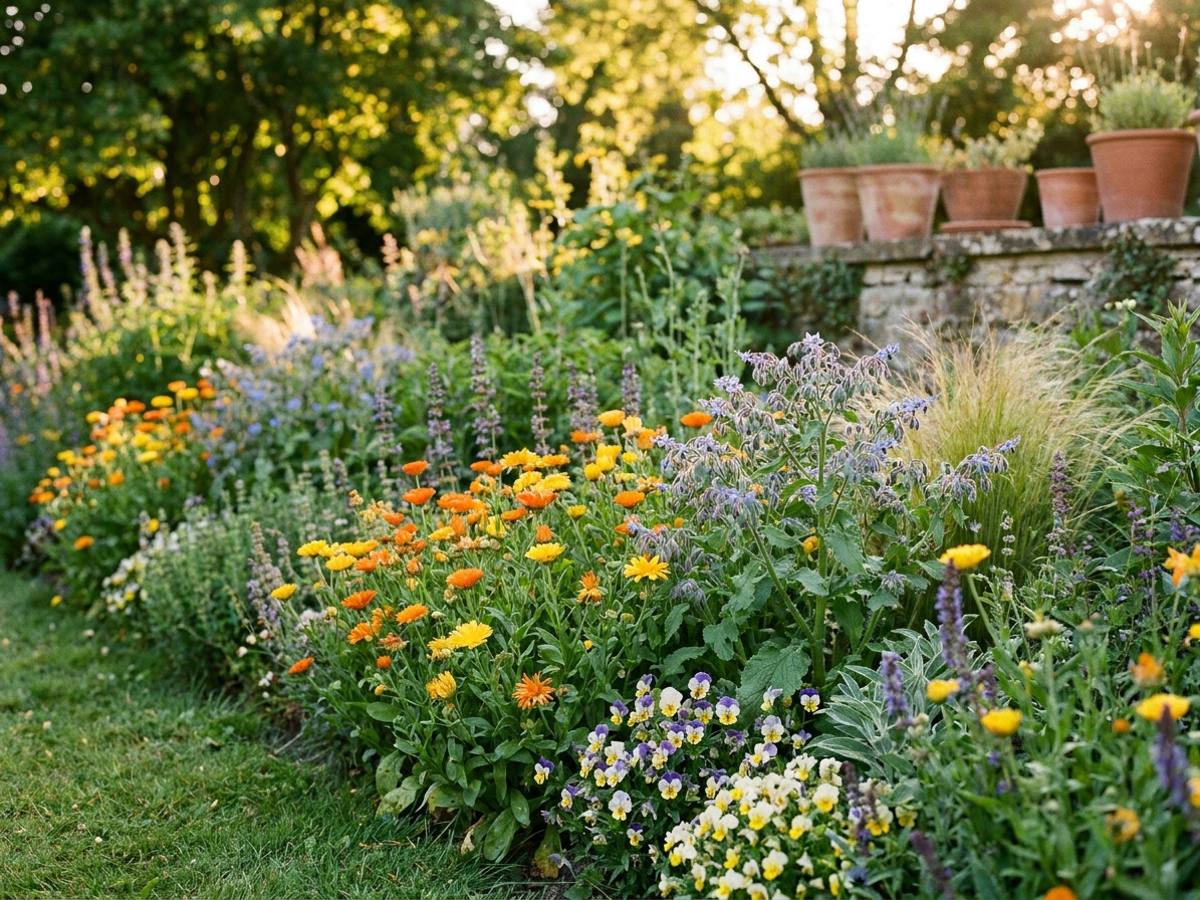
July is peak harvest month for edible flowers in both climates. Nasturtiums are cascading from containers, calendula petals are at their brightest, borage flowers are fully open despite the heat, and violas are producing their second flush before autumn fade. Gardens that looked bare in May are now vibrant, productive spaces offering daily colour and flavour.
This timing matters psychologically. Summer holidays begin, outdoor time increases, and gardeners have established routines with their plants. Unlike spring’s frantic planting phase, July offers continuity and reward.
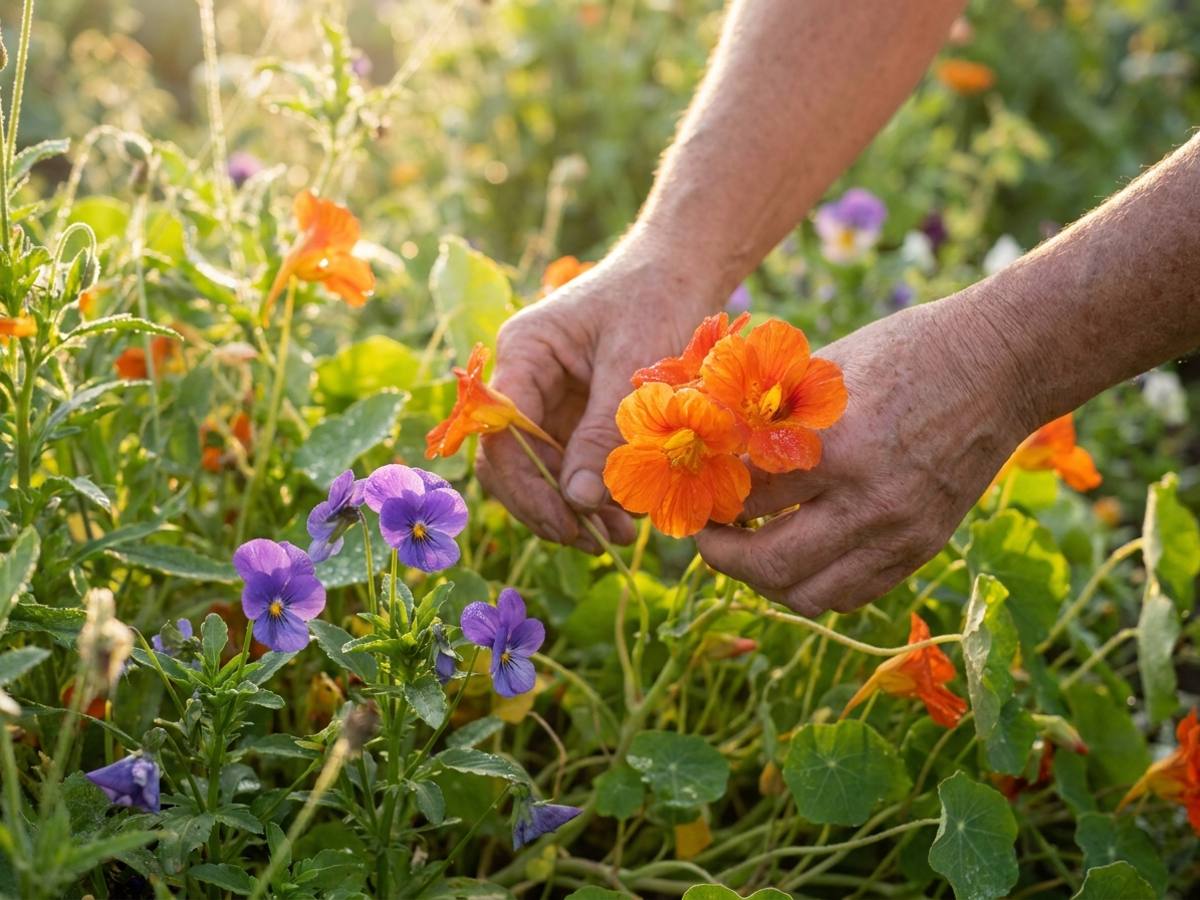
Gardeners have long known that digging in soil reduces cortisol levels, but edible flowers introduce a specific sensory loop. Plucking a nasturtium for lunch, tasting its peppery bite, and noticing the immediate flavour connection to soil, water, and sunlight creates a tangible proof of purpose. One participant reported that this daily micro-ritual shortened her morning anxiety window by roughly 40 minutes over the season.
The act of harvesting also interrupts screen time more effectively than general garden visits. Walking to pick borage flowers for tea required intentional movement and sensory focus, versus scrolling whilst sitting on a bench. Attention span improvements were noted by all three gardeners within four weeks of establishing a regular harvest rhythm.
Colour psychology plays a role too. Calendula’s golden-orange and viola’s deep purples activate different mood centres in the brain. Unlike ornamental flowers you observe passively, edible varieties demand engagement: you touch them, smell them closely, taste them, and plan meals around them.
If you’ve already planted these varieties, now is the moment to establish a harvest and consumption habit:
Monitor soil moisture carefully, as heat stress can reduce petal production and concentrate flavours unevenly. Deadhead spent flowers regularly to encourage July’s second bloom wave. By late July, observe which varieties thrive in your specific microclimate and note them for autumn and next year’s planting plan.