Growing Lavatera x clementii: care tips and garden uses
·
0
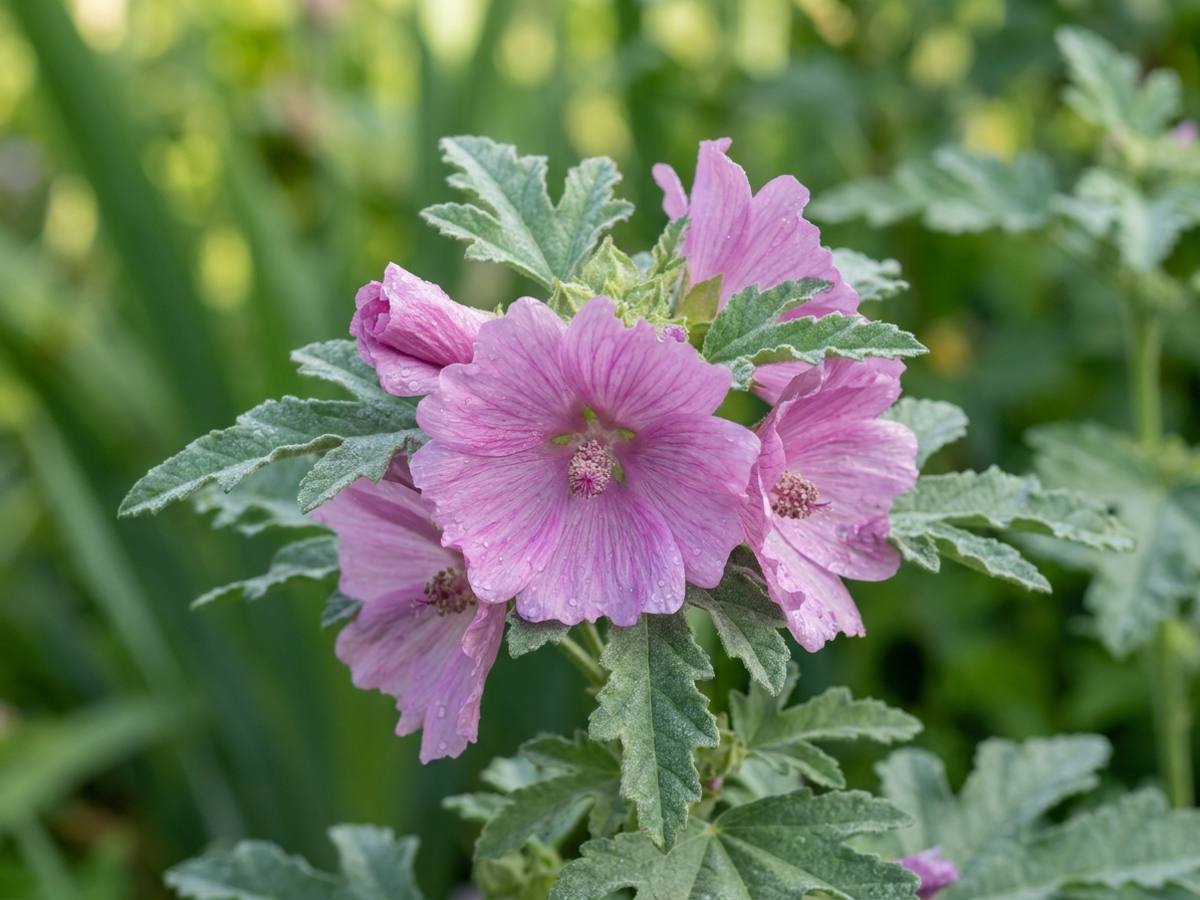
Few shrubs deliver as much colour for so little effort as Lavatera x clementii, the shrubby tree mallow. From early summer until the first frosts it smothers itself in silky, hollyhock-like funnels of pink, white or wine-red above soft grey-green foliage. It is astonishingly fast — a rooted cutting can reach 1.5 m in a single season — which makes it the go-to plant for filling an awkward gap in a hurry.
Growing conditions
Give tree mallow the sunniest spot you have. It flowers in direct proportion to the light it receives, and plants in partial shade grow leggy, flop and produce half the blooms. Shelter from strong wind matters too, because the stems are brittle and snap easily when laden with flowers.
Soil should be light and sharply drained above all else. Sandy, gravelly and chalky soils suit it perfectly, and it copes with a pH anywhere from mildly acidic to distinctly alkaline. Rich, heavily manured ground is counterproductive — it produces sappy growth that flops, flowers poorly and rarely survives a hard winter.
This is one of the finest shrubs for coastal gardens, shrugging off salt spray and sea wind. Inland, it is reliably hardy in most of Britain and Ireland, though cold, wet clay in a frost pocket will finish it off far quicker than the cold alone.
How to plant Lavatera
Plant in mid to late spring, once the soil has warmed and hard frosts have passed. Autumn planting is risky because young roots sitting in cold, wet ground through winter frequently rot.
Space plants 1.5–2 m apart — they fill their allotted space within two seasons and crowding encourages rust.
Set the rootball so the top sits level with the surrounding soil; never bury the woody base or crown.
On heavy ground, dig in plenty of horticultural grit or plant on a slight mound to lift the roots clear of winter wet.
Water in thoroughly, then keep the soil just moist for the first summer only; established plants resent regular watering.
Propagate from 10 cm softwood cuttings in late spring or semi-ripe cuttings in July — they root within three to four weeks in gritty compost.
Lavatera x clementii growing in a naturalistic garden border
Care through the seasons
Spring: Wait until you see buds swelling, usually in April, then cut the whole plant back hard to a framework 30–45 cm tall. This is the single most important job of the year, keeping the shrub compact and preventing it from becoming a bare-legged thicket. A light scattering of sulphate of potash encourages flowers; avoid nitrogen-rich feeds.
Summer: Growth is explosive, so check that stems are not rubbing or overhanging paths. Watering is rarely necessary once established — tree mallow is genuinely drought-tolerant and performs better slightly dry. Deadheading is optional but tidies the plant and prolongs the display into October.
Autumn: Resist the urge to prune hard now; leave the top growth intact to protect the crown. If the plant is very tall and exposed, shorten the longest stems by a third in November to reduce wind rock. Clear and bin fallen leaves, which can carry rust spores over winter.
Winter: Most plants keep some foliage in mild areas and become semi-deciduous in cold ones. In gardens colder than −10 °C, mulch the base with bark or straw and take a few insurance cuttings each summer, as tree mallows are short-lived and can die suddenly.
Best varieties to grow
All are similar in habit, so choose on flower colour and eventual size.
‘Barnsley’ — the classic, with white flowers carrying a crimson eye that age to soft pink; holds an RHS Award of Garden Merit but does occasionally revert to plain pink.
‘Rosea’ — the toughest and most reliable of the group, with vivid deep pink blooms and an AGM to its name.
‘Burgundy Wine’ — rich purple-pink flowers with darker veining on a slightly more compact frame, around 1.8 m.
‘Barnsley Baby’ — a dwarf sport of ‘Barnsley’ reaching just 1–1.2 m, ideal for smaller gardens and large containers.
‘Bredon Springs’ — dusky mauve-pink flowers over a long season, useful for softening hot colour schemes.
Pests, diseases and common problems
Hollyhock rust: Orange-brown pustules on leaf undersides with yellow spots above, causing early leaf fall. Remove and bin affected leaves promptly, thin congested growth to improve airflow, and never compost infected material.
Sudden death or dieback: Whole branches, or the entire shrub, collapse — usually caused by waterlogged roots or simple old age, as plants rarely exceed five to seven years. Improve drainage and always keep a young replacement coming on from cuttings.
Wind rock and snapped stems: Brittle branches split at the base after gales, letting in disease. Prune hard each spring to reduce the sail area, and stake young plants on exposed sites.
Aphids and capsid bugs: Distorted shoot tips and puckered leaves in early summer. Squash colonies by hand or blast with water, and encourage ladybirds and hoverflies rather than spraying.
🌿 Nature & Garden Newsletter
Gardening tips, recipes & seasonal advice, twice a week.