Gillenia trifoliata: expert tips and planting advice
0
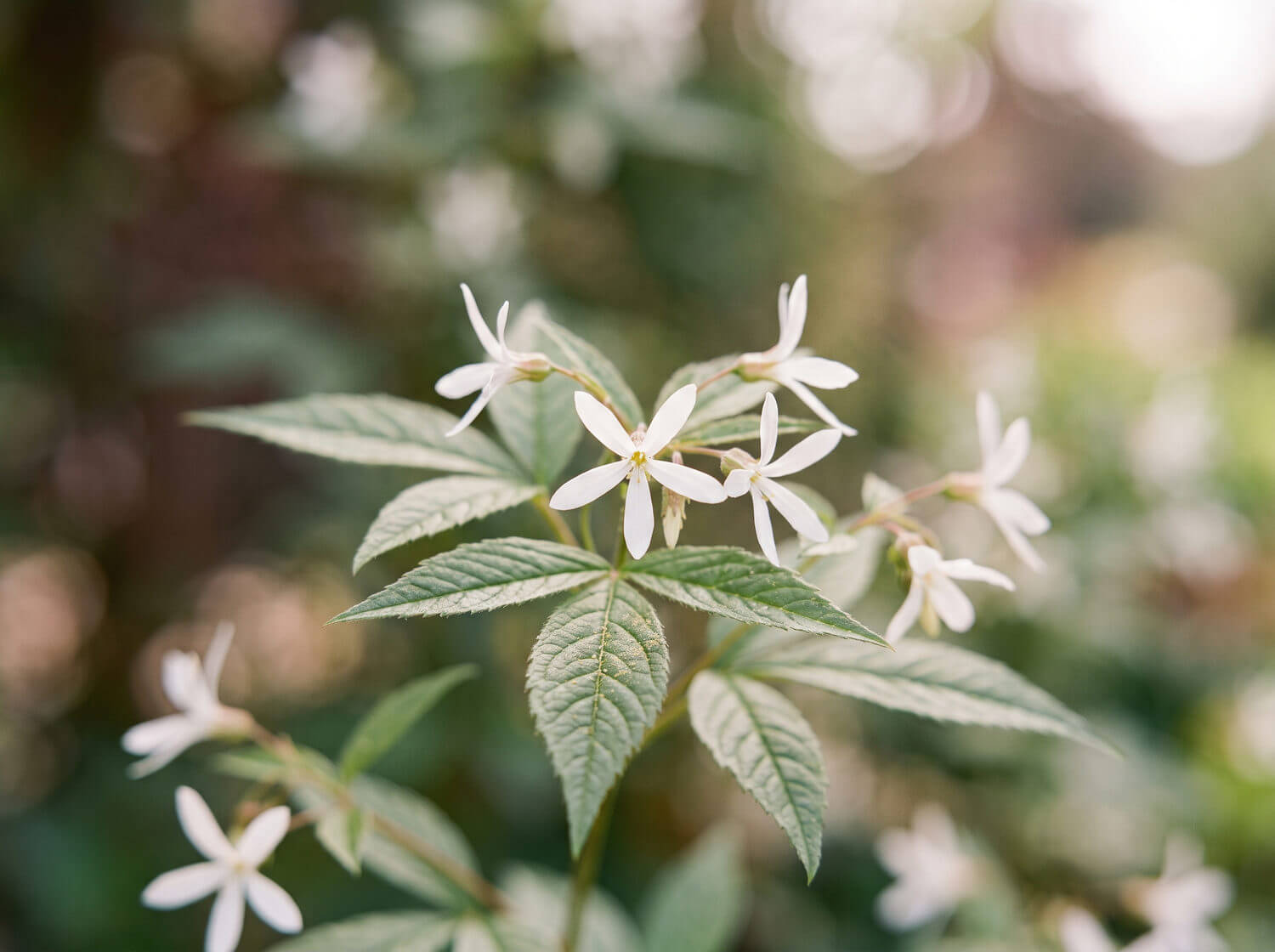
Few perennials bring quite the same airy grace as Gillenia trifoliata, whose wiry mahogany stems carry clouds of narrow-petalled white flowers like a flock of tiny butterflies. It is a long-lived, self-supporting woodlander that earns its place in a border for at least three seasons, finishing with bronze and orange autumn tints. Most distinctive of all are the small red calyces, which stay on the plant long after the petals have fallen and give the illusion of a second, ruby-coloured flowering.
Growing conditions
Dappled or partial shade suits Gillenia best, mirroring the woodland edges and open oak forests of the Appalachians where it grows wild. It will also perform beautifully in full sun, provided the soil never bakes dry. In deep, dark shade the stems stretch and flowering thins considerably.
Aim for a deep, humus-rich loam that holds moisture yet drains freely in winter. A slightly acid to neutral pH is ideal; thin chalky soils and heavy, waterlogged clay are the two situations it genuinely dislikes. Working in leaf mould or garden compost before planting makes a real difference to establishment.
Hardiness is excellent — the dormant crown shrugs off hard frost and prolonged cold. In warmer, drier regions, choose a north- or east-facing aspect and mulch generously to keep the root run cool.
How to plant Gillenia
Plant in early to mid-autumn while the soil is still warm, or in April once the worst frosts have passed. Autumn planting allows the slow-growing roots several months to settle before the first summer.
Space plants 45–60 cm apart: the stems fan outwards as they mature, and crowding encourages mildew in still air.
Set the crown level with the surrounding soil — burying it deeply invites rot in wet winters.
Fork a bucket of leaf mould or well-rotted compost into the planting hole and the surrounding area, as Gillenia feeds from a wide, fibrous root system.
Water in thoroughly, then keep young plants moist through their first two summers; drought at this stage is the commonest cause of failure.
Propagate by careful division in early spring just as shoots emerge, or sow fresh seed in autumn and leave the pots outdoors for winter cold to break dormancy.
Gillenia trifoliata growing in a naturalistic garden border
Care through the seasons
Spring: Dark red shoots push through in April and are a magnet for slugs, so protect new growth early. Top-dress with leaf mould or a thin layer of garden compost rather than a high-nitrogen feed, which produces floppy stems. Established clumps need no staking at all.
Summer: Water deeply during dry spells, especially on sandy soils or in sunny positions where leaf margins scorch quickly. There is no need to deadhead — leave the flowers to fade so the red calyces can colour up and extend the display into August. The plant is strictly clump-forming and never needs curbing.
Autumn: Allow the foliage to turn orange-bronze before cutting stems back to ground level in late autumn or, better still, leave them standing for winter structure. Divide only if you must, in early spring rather than autumn, and expect divisions to sulk for a season. A mulch of leaf mould over the crown feeds the plant and conserves moisture.
Winter: Gillenia disappears completely below ground and needs no protection in temperate gardens. Simply ensure the crown does not sit in standing water.
Best varieties to grow
Named selections remain scarce, so most plants are offered as the straight species — which is no hardship, as it holds the RHS Award of Garden Merit.
Gillenia trifoliata (species form) — the garden classic, with white starry flowers, red calyces and bronze autumn foliage; holder of the AGM.
Gillenia trifoliata ‘Pink Profusion’ — pink-flushed buds and petals over notably dark stems, useful where pure white would look stark.
Gillenia stipulata — the sister species, American ipecac, shorter and leafier with large, conspicuous stipules and slightly later bloom.
Seed-raised stock — worth buying in flower where possible, since plants vary in stem colour and in how strongly the red calyces develop.
Pests, diseases and common problems
Slugs and snails: They graze emerging spring shoots, leaving ragged or vanished stems. Apply a ring of sharp grit or wool pellets in March and hand-pick after evening rain.
Drought scorch: Crisp brown leaf edges and premature leaf drop follow dry spells in sun or dry shade under trees. Mulch 5–7 cm deep each spring and soak thoroughly rather than sprinkling often.
Crown and root rot: Shoots collapse or fail to appear after a wet winter on heavy soil. Improve drainage with grit and organic matter before planting, or raise the planting position slightly on clay.
🌿 Nature & Garden Newsletter
Gardening tips, recipes & seasonal advice, twice a week.