Scutellaria incana: your complete native wildflower guide
0
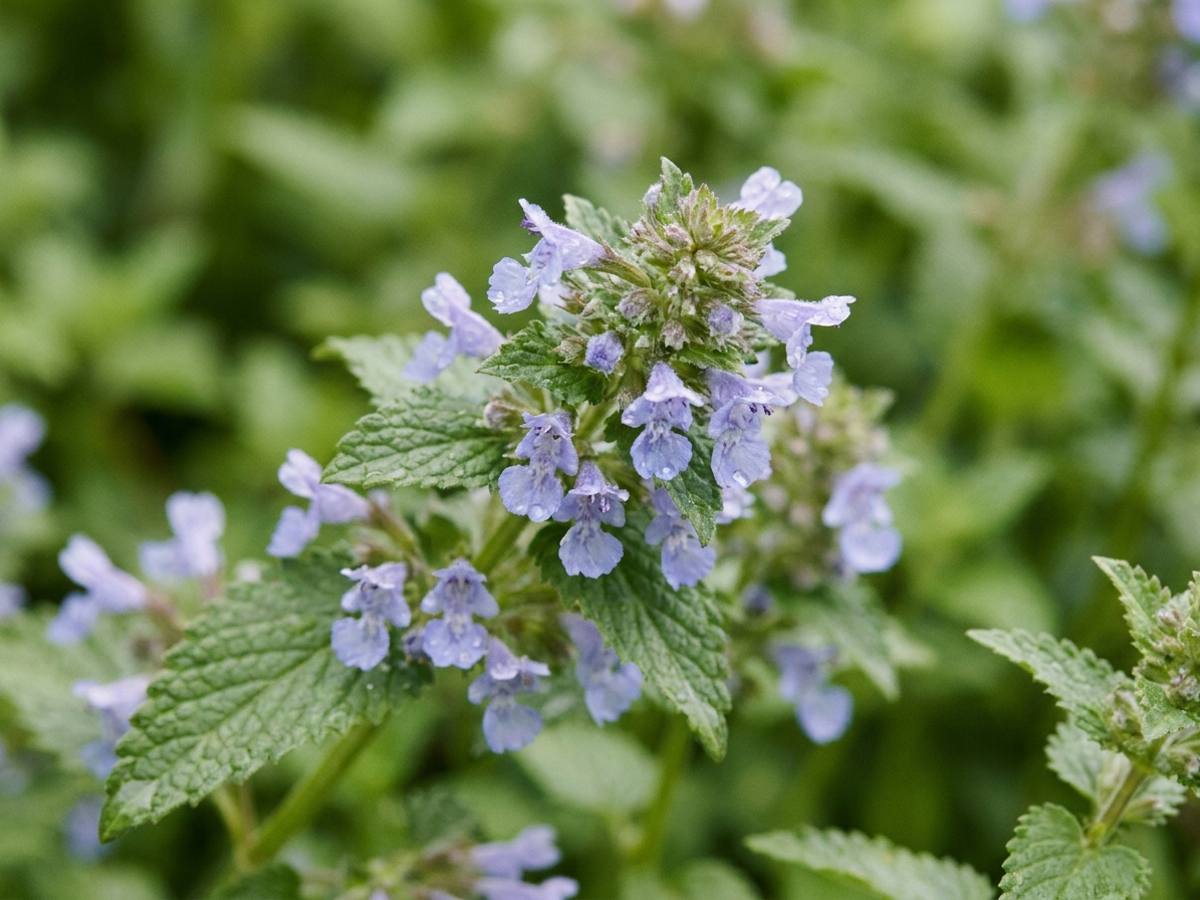
Scutellaria incana is one of the most obliging of the North American prairie perennials, sending up branched spires of soft violet-blue hooded flowers from midsummer well into autumn. Its downy, grey-green foliage — the source of the epithet incana, meaning “hoary” — gives the whole plant a silvered cast that flatters hot-coloured neighbours. It is a magnet for bumblebees, and unlike most of its mint-family relations it forms a well-behaved, non-running clump.
Growing conditions
Hoary skullcap is happiest in full sun to light dappled shade, and it is one of the few prairie perennials that will still flower respectably with only four or five hours of direct light. In deep shade the stems stretch, flowering thins and the clump flops outwards from the centre. A position with morning sun and afternoon shade suits hot, dry summer climates particularly well.
Give it a free-draining soil of average fertility — this is a plant of open woodland edges, rocky banks and limestone glades, not of pampered borders. It copes admirably with clay so long as winter water moves away, and it is genuinely happy on chalk, preferring a neutral to slightly alkaline pH of around 6.5 to 7.5. Overly rich, heavily manured ground produces lush growth that lodges in the first summer downpour.
It is fully hardy throughout the British Isles and across northern Europe, shrugging off hard frosts once dormant. The greater risk in a mild, wet maritime winter is waterlogging rather than cold, so on heavy ground plant on a slight ridge or improve drainage with grit.
How to plant Scutellaria
Plant container-grown stock in spring, once the soil has warmed above about 10 °C, so the roots establish through the growing season. Early autumn planting also works on light, free-draining soils, giving the plant a head start before summer drought.
Space plants 40–50 cm apart — close enough for the stems to lean on one another for support, far enough to keep air moving and mildew at bay.
Set the crown level with the surrounding soil; burying it deeper invites rot at the base of the stems.
Fork over the planting area and work in horticultural grit on clay, but resist adding rich compost or fertiliser.
Water in thoroughly at planting, then keep the soil just moist for the first six to eight weeks; after that, occasional deep soakings beat frequent sprinkles.
Propagate from basal cuttings taken in late spring, from seed given a cold-moist chill, or by dividing mature clumps in early spring as growth breaks.
Scutellaria incana growing in a naturalistic garden border
Care through the seasons
Spring: Purple-tinted shoots appear late, often not until mid to late spring, so mark the position to avoid hoeing through the crown. A thin mulch of leaf mould is all the feeding required. Divide congested clumps at this point, replanting the vigorous outer sections.
Summer: Flowering begins in July and continues for six to eight weeks. Water deeply during prolonged drought in the first season; established plants are markedly drought tolerant thanks to a deep, fibrous root system. Shearing the spent spires by about a third in early August often triggers a lighter second flush into September.
Autumn: Leave a proportion of the seed heads standing — the little dish-shaped calyces are handsome in frost and self-sown seedlings are an easy source of new plants. Cut back the remainder to about 10 cm once the foliage blackens. Avoid heavy mulching directly over the crown on wet soils.
Winter: The plant is completely dormant and needs no protection in temperate gardens. Its only real enemy is standing water around the crown between November and March.
Best varieties to grow
Named cultivars of Scutellaria incana are scarce in the trade, so the straight species remains the best buy — but these related skullcaps extend the season and the scale.
Scutellaria incana (species) — the benchmark: 60–100 cm of grey-downy stems topped with violet-blue spires, reliably bee-covered from July.
Scutellaria ovata — heart-leaved skullcap, shorter at 30–60 cm, with silvery foliage and earlier flowers; better for dry shade beneath trees.
Scutellaria serrata — showy skullcap, a compact woodland species around 40 cm with larger, deeper blue flowers in early summer.
Scutellaria resinosa ‘Smoky Hills’ — a tough, dwarf, alpine-scale skullcap for gravel gardens and raised beds, flowering over a very long season.
Pests, diseases and common problems
Powdery mildew: A grey-white bloom on the leaves late in summer, worst in dry soil with stagnant air. Thin crowded stems, water the root zone rather than the foliage, and remove affected growth at the autumn cut-back.
Slugs and snails: The late-emerging spring shoots are a favourite target and can be grazed to nothing. Protect new crowns with wool pellets or a ring of sharp grit until the stems are 15 cm tall.
Flopping stems: Usually a sign of too much shade, too much nitrogen or a lone plant with no support. Plant in groups of three or more, skip the feed, and pinch the shoots once in late May to encourage sturdier branching.
🌿 Nature & Garden Newsletter
Gardening tips, recipes & seasonal advice, twice a week.