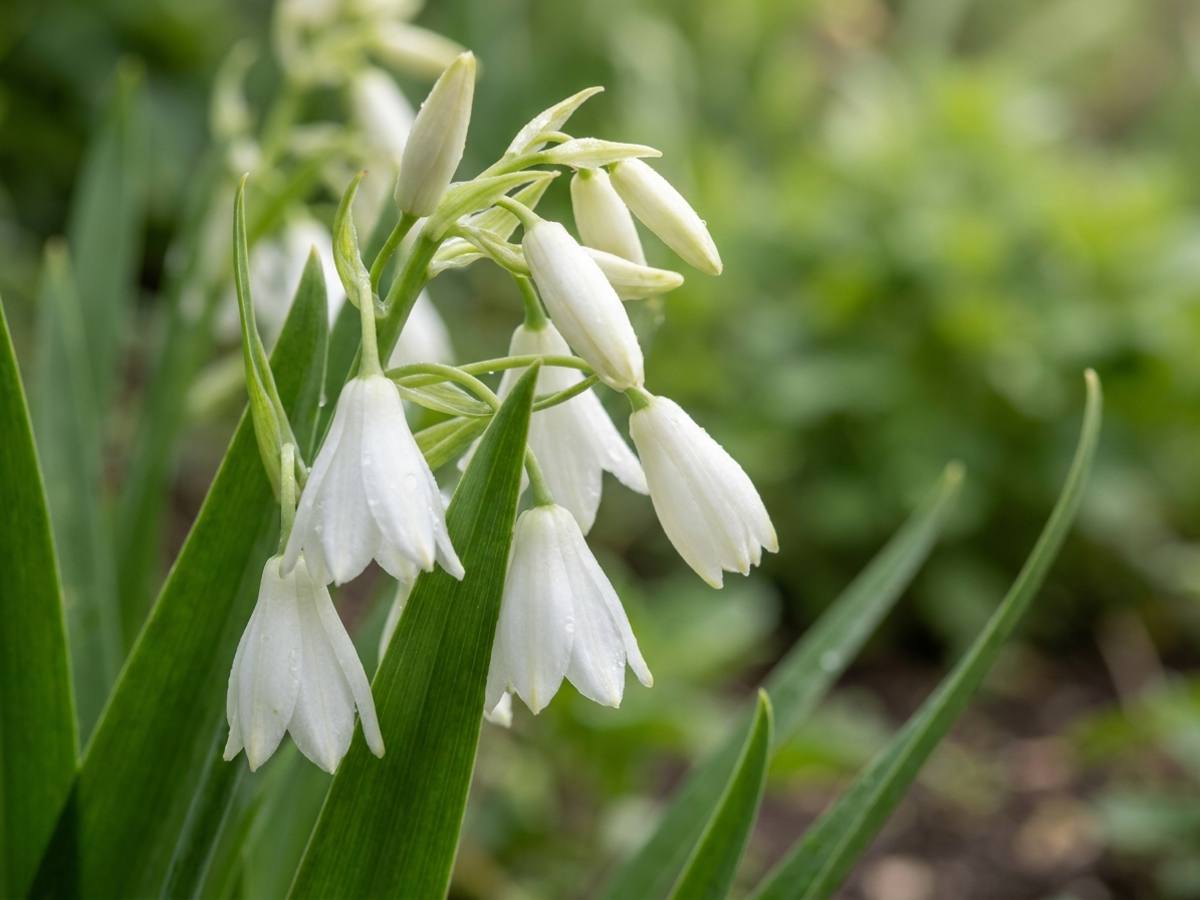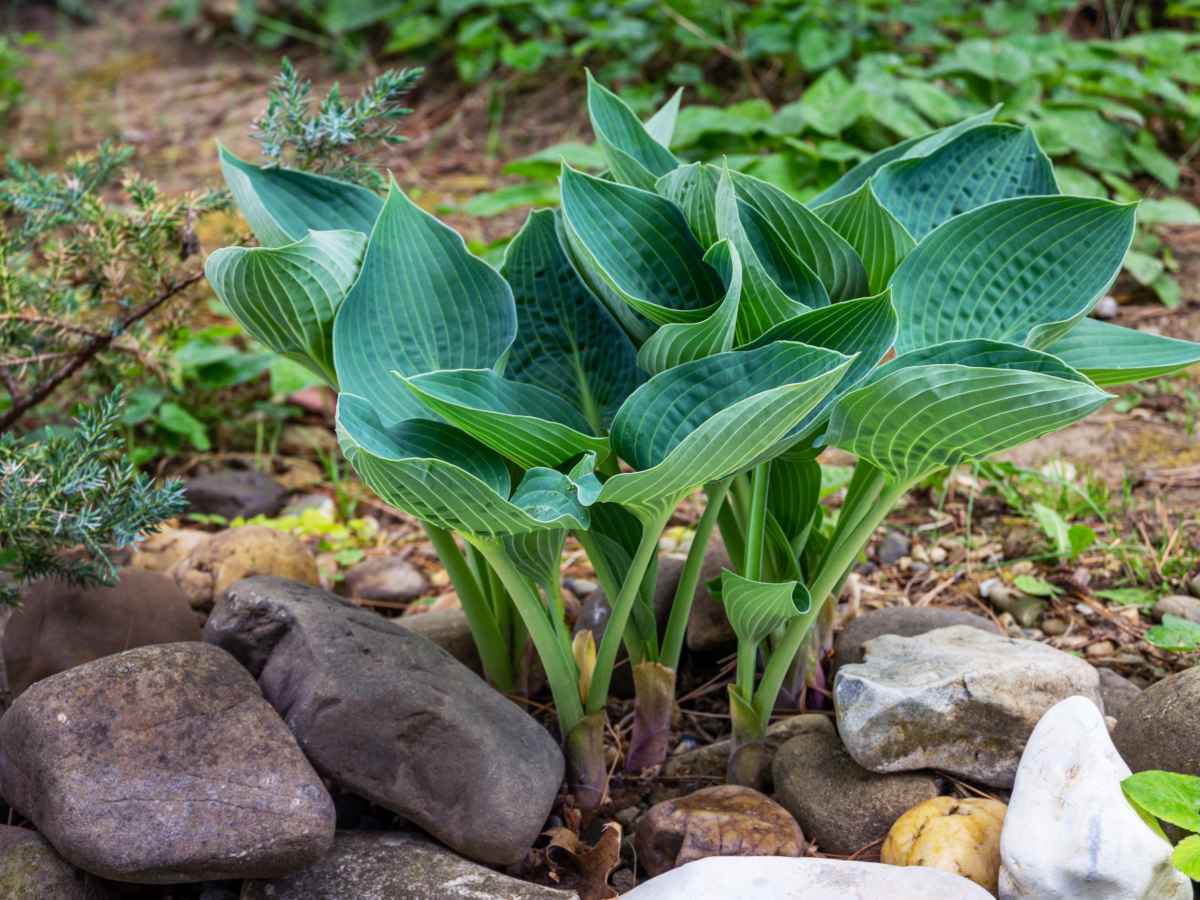
Broad oval leaves in several colours build into spreading clumps, and above them rise small white flowers, sometimes violet-blue, from late spring to early autumn. Funkia, the older name for Hosta, is grown above all for that foliage and makes a splendid ornamental ground cover; keep it out of full sun, in cool soil, and it needs almost nothing else.
| Name | Funkia |
|---|---|
| Family | Liliaceae (lily family) |
| Type | Perennial |
| Height | 8 to 32 inches (20 to 80 cm) |
| Exposure | Part sun and shade |
| Soil | Rather rich |
| Flowering | late spring to early autumn |
| Foliage | Deciduous |
Both in pots or in the ground, it is easy to care for and will quickly appeal to you for its numerous qualities. Funkia is another, older, name given to Hosta.
The first thing you should know is that funkias have a repugnance to having too much sun or heat.
Applying a layer of leaf mould or bark mulch around a hardy perennial’s clump is a widely recommended practice, as such organic mulches help conserve soil moisture, suppress weeds and insulate roots.
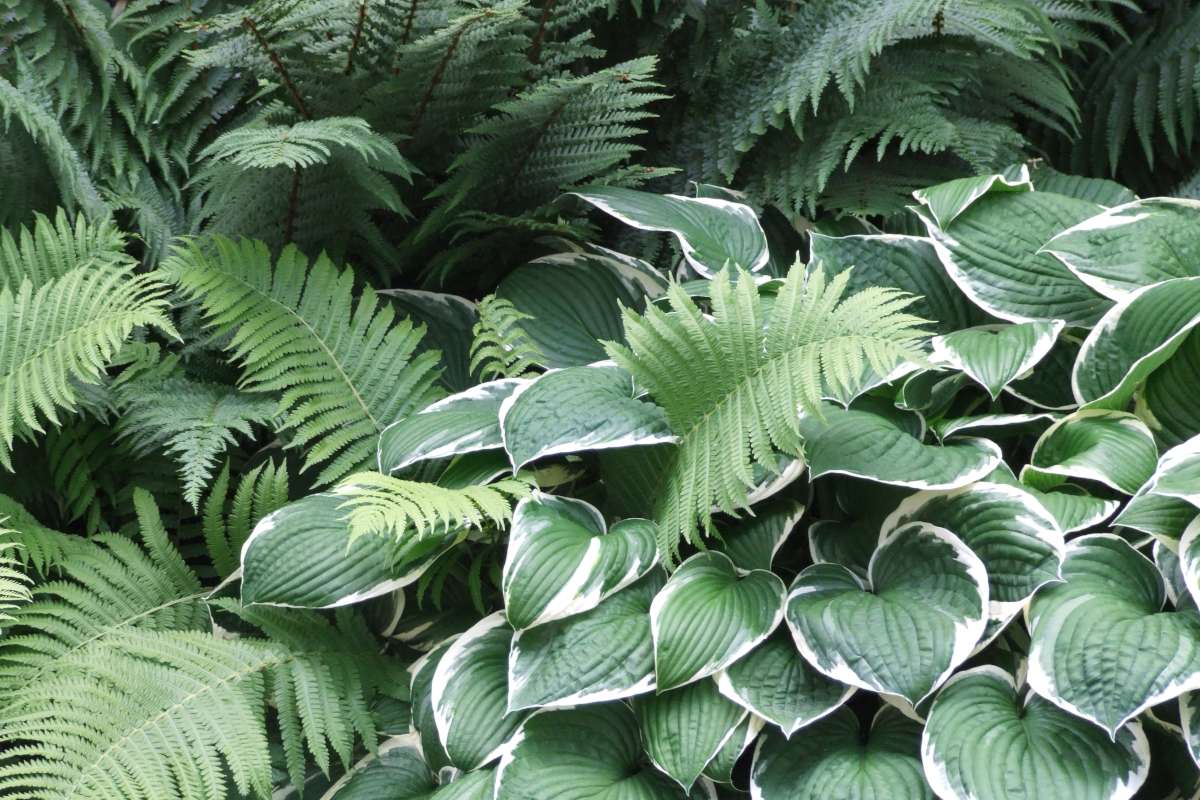
Funkia requires little care.
Since it prefers shade, best check on whether you’re watering enough when you’re in part sun. Droopy leaves are a sign that you need to water more.
Funkia, being a shade or part shade plant, fancies cool soil but scorns excess moisture.
If slugs invade the funkia
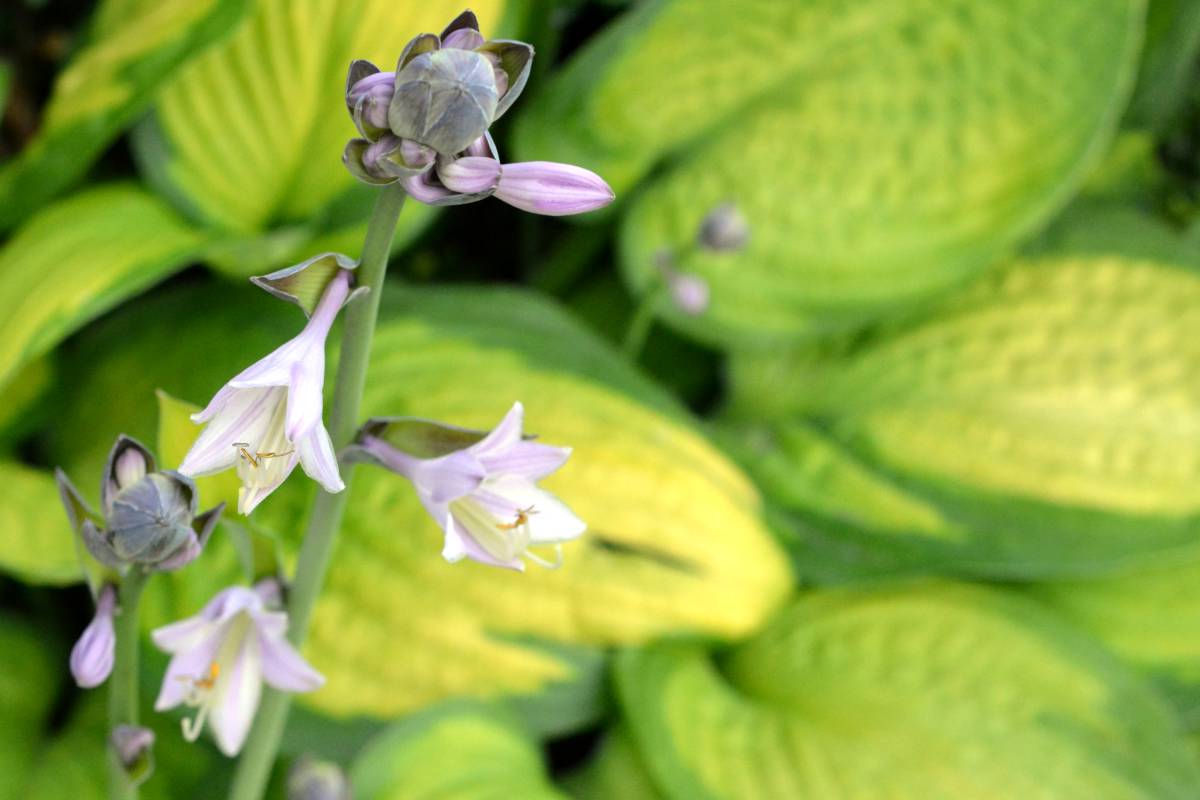
Slugs frequently overrun funkia because they are attracted to the leaves and shady environments.
Funkia asks for very little, but the few things it does ask for decide how good the foliage looks. Here is what to give it, and what to keep an eye on.
| Factor | What funkia needs | What to watch for |
|---|---|---|
| Exposure | Part sun to shade, with cool air in summer | Too much sun or heat is badly tolerated |
| Watering in the ground | Regular but moderate watering | Droopy leaves mean it needs more water; soggy soil is worse than dry |
| Watering in pots | Shorter intervals between waterings in summer | Soil should stay slightly moist, never wet |
| Slugs | Slug granules derived from Ferramol | Leaves and shade attract slugs, which quickly overrun the clump |
| Spacing at planting | 16 to 20 inches (30 to 40 cm) between plants | Growth is fast and spreading, so clumps soon fill the gaps |
Meet those five points and the plant looks after itself, since no pruning is formally required.
The named varieties differ mainly in leaf colour and in the size of the finished clump, which is what decides where they belong in the garden. Use the table below to match a funkia to the spot you have in mind.
| Variety | Leaf colour | Position | Best use |
|---|---|---|---|
| Blue Angel | Blue-grey, very large leaves | Shade to part shade | Bold specimen clump |
| Golden Tiara | Green with gold margin | Part shade | Containers and path edges |
| Frances Williams | Blue-green with cream margin | Shade, avoid midday sun | Feature plant in beds |
| Patriot | Dark green, broad white edge | Part shade to shade | Pots and shaded borders |
| Wide Brim | Blue-green, wide cream margin | Part shade | Bed fronts and pots |
| Francee | Deep green, white edge | Part shade to shade | Edging and ground cover |
| Halcyon | Steely blue-grey | Shade, cool soil | Massed ground cover |
| Sum and Substance | Chartreuse to gold | Part shade, tolerates more light | Large clump, lights up shade |
Learn more about Funkia
Forming very beautiful oval and multi-colored leaves, funkia also puts forth cute white flowers that can sometimes be violet-blue.
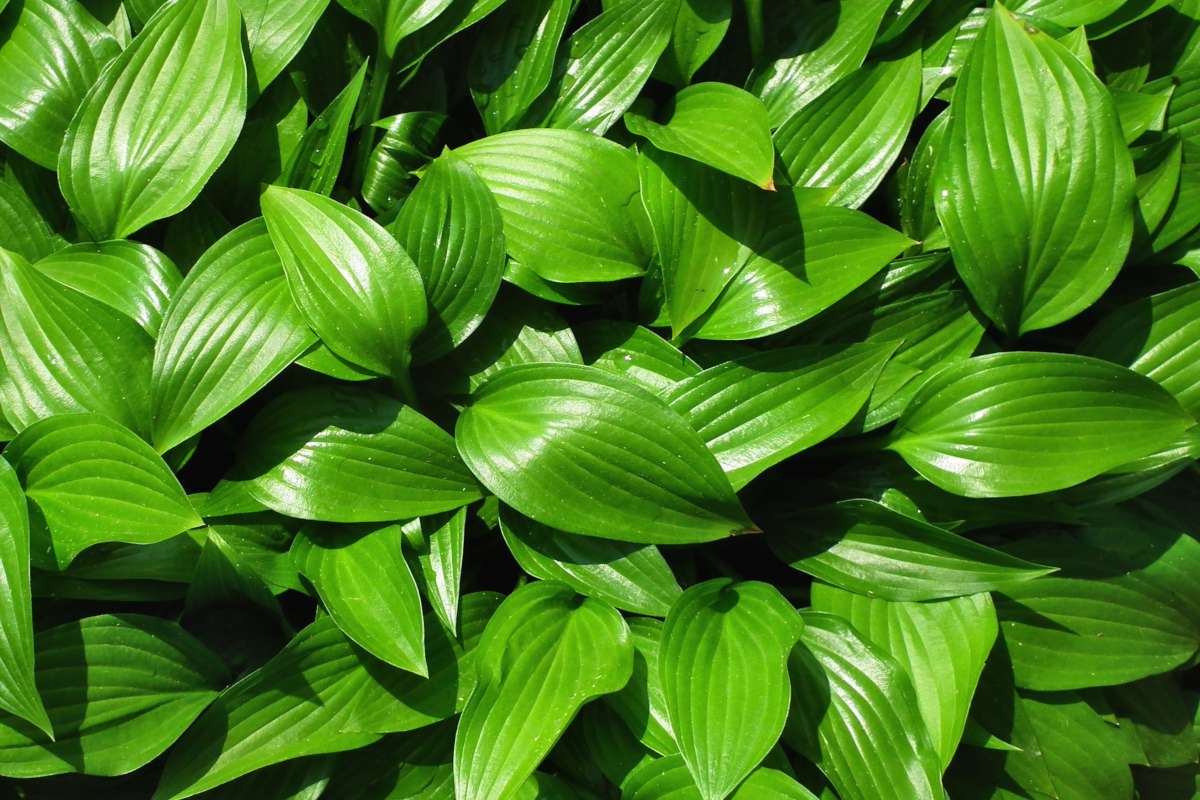
Fast-growing, it even has a tendency to spread, which makes it a splendid ornamental ground cover.
It will also merge perfectly in landscaping projects in flower beds or garden boxes.
Among the most renowned varieties one can find:
Blue Angel, France Williams, Honeybells, Wide Brim, Golden Tiara, Fire and Ice, Francee, Undulata and Golden Sunburst.
Read also about perennials:
Take care not to plant your funkia in full sun because it requires cool air in summer.