Home » Gardening » News » Stop removing autumn leaves from borders – science backs laziness
Stop removing autumn leaves from borders – science backs laziness
0
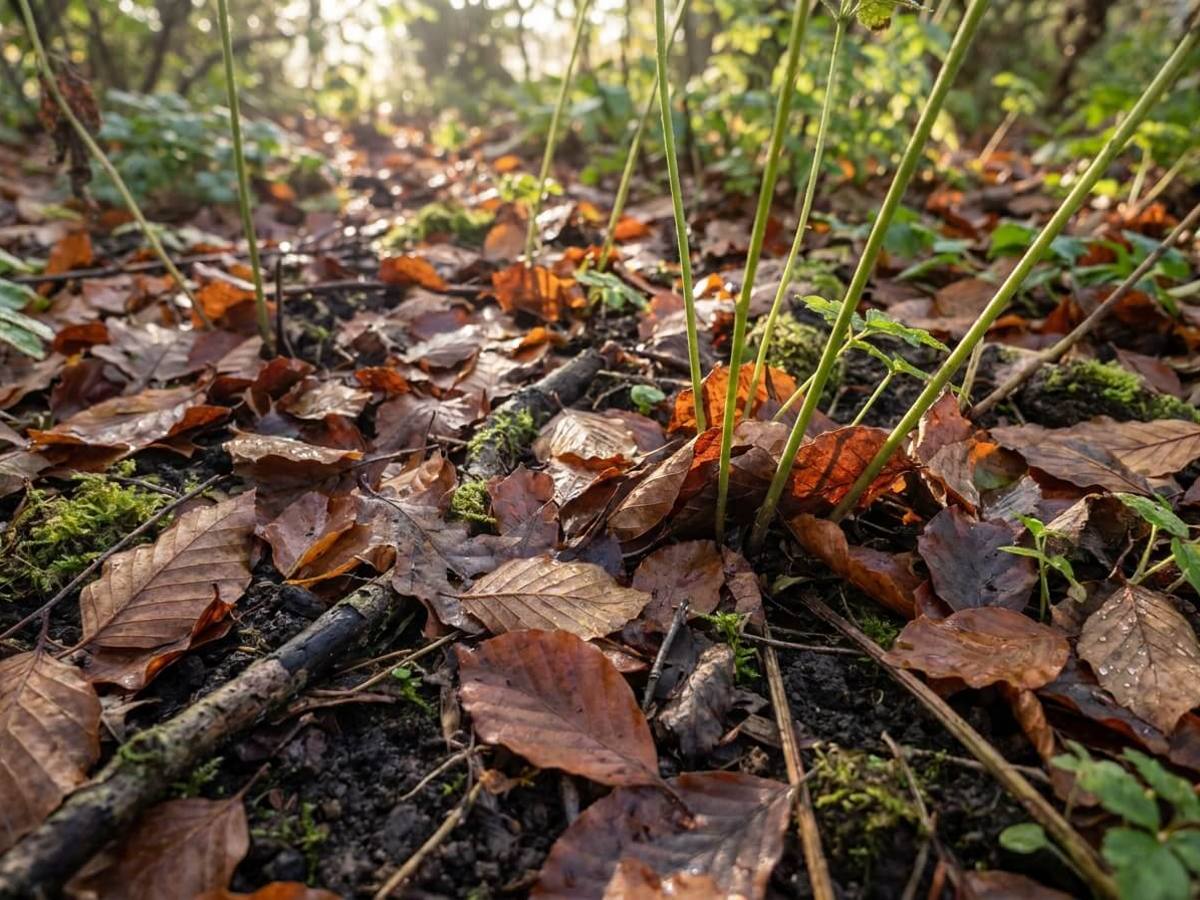
Autumn leaves carpeting your borders feel like a chore, but science reveals they’re doing invisible work. New research shows that leaving fallen leaves in place builds soil structure, shelters beneficial insects, and naturally suppresses spring pests. This October, your laziness might actually be the smartest gardening decision you make.
October leaves: the season’s biggest gardening misconception
As October progresses and trees shed their foliage across the UK and US, gardeners reach for rakes with a sense of obligation. The traditional wisdom dictates that borders must be cleared, tidy, and bare before winter arrives. Yet across garden beds and herbaceous plantings right now, a transformation is beginning that most gardeners interrupt before it starts.
Why fallen leaves deserve to stay put
Leaving leaves in situ offers measurable benefits that rake-and-remove routines destroy. Research from the University of Massachusetts found that leaf litter increases soil organic matter by 5 to 10 percent annually, improving structure, water retention, and microbial activity. More than 2,000 invertebrate species depend on autumn leaf layers for overwintering habitat, including ground beetles and spiders that consume pest eggs and slugs come spring.
When you rake leaves away, you’re removing a free mulch, a carbon source for soil biology, and a pest-control agent all at once. The leaf layer insulates soil from temperature fluctuations, keeping roots of perennials and dormant plants at more stable temperatures. In spring, as these leaves break down, they feed microorganisms that suppress fungal diseases and promote nutrient availability precisely when new growth resumes.
How to embrace leaves this October
Shifting to a leaf-friendly approach requires a mindset change more than physical effort.
Leave leaves in borders where they land, especially around perennials, shrubs, and ground covers that benefit from insulation and organic matter accumulation.
Shred fallen leaves with a mower before spreading them if appearance concerns you, creating a neater-looking layer that breaks down faster.
Clear leaves only from lawn areas and pathways where they cause slip hazards or smother grass; let woodland edges and under-planting spaces remain untouched.
Pile leaves beside hedges or fences to create insect hotels and naturally manage them without transport or disposal effort.
Watching winter unfold with intention
Over the coming weeks and months, observe what happens beneath that leaf cover. You’ll notice fewer slugs in spring, healthier soil structure by summer, and plants that seem more vigorous without the energy drain of raking and clearing. Gardens that work with autumn’s rhythms rather than against them reward patience with resilience.
🌿 Nature & Garden Newsletter
Gardening tips, recipes & seasonal advice, twice a week.