Growing Coreopsis grandiflora: Expert Tips and Planting Advice
0
Coreopsis grandiflora, commonly known as large-flowered coreopsis or tickseed, is a cheerful perennial beloved for its brilliant golden-yellow blooms and exceptionally long flowering season. This North American native produces masses of daisy-like flowers from late spring through to the first autumn frosts, making it a reliable workhorse in mixed borders and cottage gardens. Its vigorous, upright habit and drought tolerance once established make it an excellent choice for gardeners seeking low-maintenance colour.
Growing conditions
Coreopsis grandiflora thrives in full sun, requiring at least six to eight hours of direct sunlight daily for abundant flowering. Plants grown in partial shade will produce fewer flowers and become leggy; north-facing positions should be avoided. Maximum colour and vigour are achieved in open, sunny spots with good air circulation.
This plant is remarkably unfussy about soil type and actually performs best in well-drained, light soils rather than rich, moisture-retentive ones. Sandy, gravelly or poor soils suit it perfectly; heavy clay should be improved with grit or compost before planting. Neutral to slightly acidic soil is ideal, though it tolerates alkaline conditions reasonably well.
Coreopsis grandiflora is fully hardy across most of the UK and northern Europe, surviving winter temperatures to −15 °C. In warmer southern regions, it may even flower sporadically throughout winter. No winter protection is necessary in USDA zones 6–9, though in zone 5 gardens, mulching around the crown offers added security.
How to plant Coreopsis
Plant Coreopsis grandiflora in spring, once the risk of hard frost has passed, or in early autumn to establish strong root systems before winter. Container-grown plants can be planted throughout the growing season provided they are watered regularly after planting.
Space plants 30–45 cm apart to allow for full mature spread and adequate air circulation
Plant with the crown at soil level; burying the crown invites rot
Improve poor soils with a sprinkling of grit or horticultural sand rather than rich compost
Water thoroughly after planting and maintain consistent moisture for the first four to six weeks
Divide established clumps in spring or autumn every two to three years to rejuvenate plants and propagate new stock
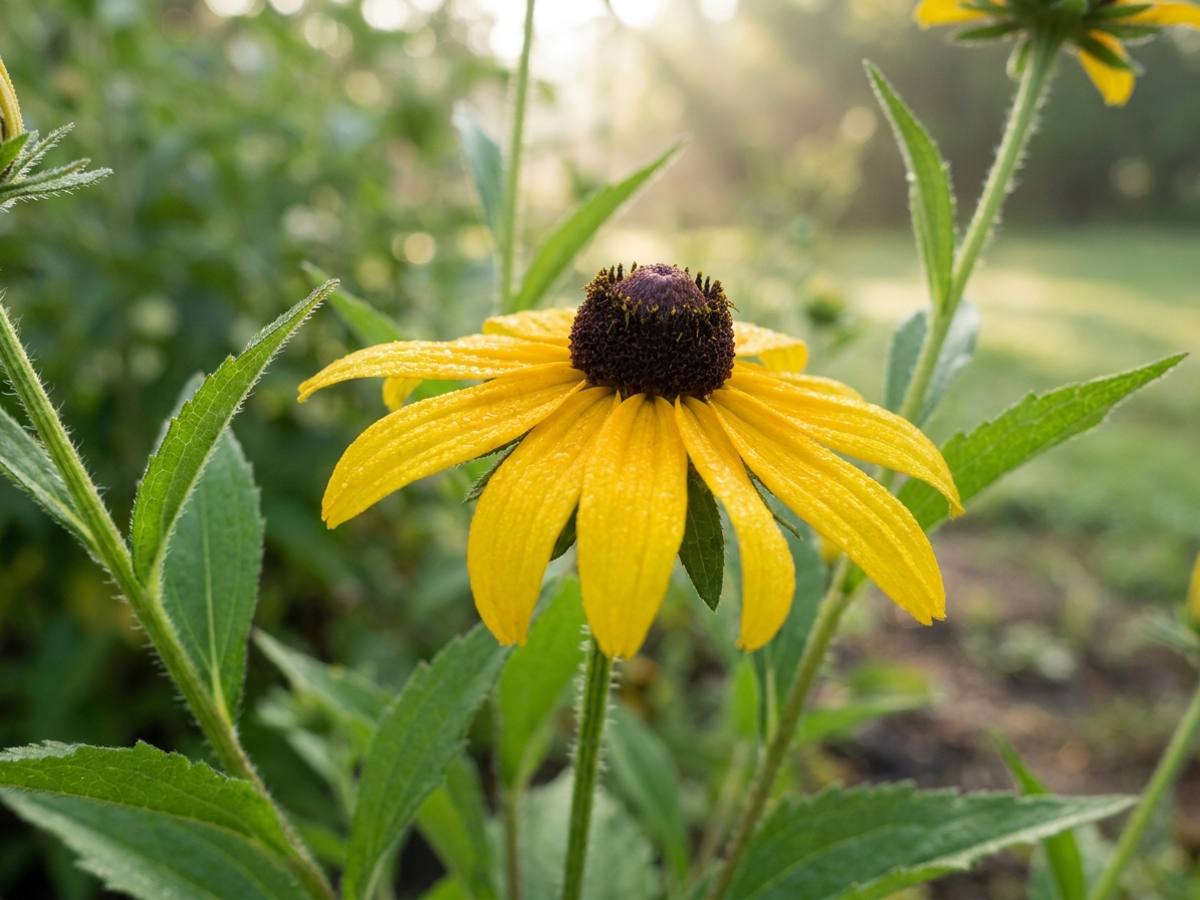
Coreopsis grandiflora growing in a naturalistic garden border
Care through the seasons
Spring: Cut back any dead growth from winter as new shoots emerge. Divide congested clumps or weak plants in early spring, replanting vigorous sections with at least three shoots each. A light application of balanced fertiliser encourages strong, bushy growth; avoid high-nitrogen feeds, which promote leafy growth at the expense of flowers.
Summer: Deadhead spent flowers regularly—removing blooms every two to three days stimulates continuous flowering and prevents self-seeding. Water during prolonged dry spells, but once established, Coreopsis grandiflora is remarkably drought-tolerant and rarely needs watering unless conditions are exceptionally arid. Avoid overhead watering in humid climates to reduce fungal problems.
Autumn: Continue deadheading to extend the flowering display until the first hard frost. In late autumn, cut plants back to 10–15 cm above ground level and remove dead foliage to tidy the plant and reduce overwintering pests. Light mulching with compost (avoiding the crown) protects roots in colder areas.
Winter: Established plants require no attention and remain dormant until spring. In severe winters or poorly drained soils, ensure water does not accumulate around the crown, as waterlogging is the primary winter killer.
Best varieties to grow
Several excellent cultivars offer varying heights and flower forms, each deserving garden space.
Coreopsis grandiflora ‘Sunburst’ — A robust cultivar reaching 60 cm, bearing fully double golden-yellow flowers throughout summer and autumn; reliably long-flowering.
Coreopsis grandiflora ‘Early Sunrise’ — A compact form at 30–45 cm, producing semi-double flowers from early summer; excellent for smaller borders and containers.
Coreopsis grandiflora ‘Domino’ — A striking deep golden-yellow variety with a slightly darker centre ring, reaching 45 cm and flowering reliably from May onwards.
Coreopsis grandiflora ‘Badengold’ — A vigorous award-winning selection with bright single blooms, growing to 60 cm and flowering continuously from late spring to October.
Pests, diseases and common problems
Powdery mildew: A white fungal coating may appear on foliage, particularly in humid conditions or overcrowded plantings. Improve air circulation by spacing plants correctly and removing lower foliage; spray affected plants with a dilute baking soda solution (one teaspoon per litre of water) if necessary.
Leaf spot (fungal): Brown or grey spots with concentric rings develop on leaves, occasionally causing defoliation. Remove affected foliage promptly and avoid overhead watering; allow the soil surface to dry between waterings.
Crown rot: Waterlogging or poor drainage causes the plant base to collapse and rot, particularly over winter. Improve soil drainage before planting and avoid mulching against the crown; replant in a well-drained position if rot has destroyed the plant.
Slugs and snails: Young growth in spring may be nibbled; typically damage is minor and the plant recovers quickly. Apply organic pellets around the base if damage is severe, or encourage ground beetles and frogs by providing shelter and water nearby.
🌿 Nature & Garden Newsletter
Gardening tips, recipes & seasonal advice, twice a week.