Trumpet vine: expert tips for growing vibrant climbing flowers
0
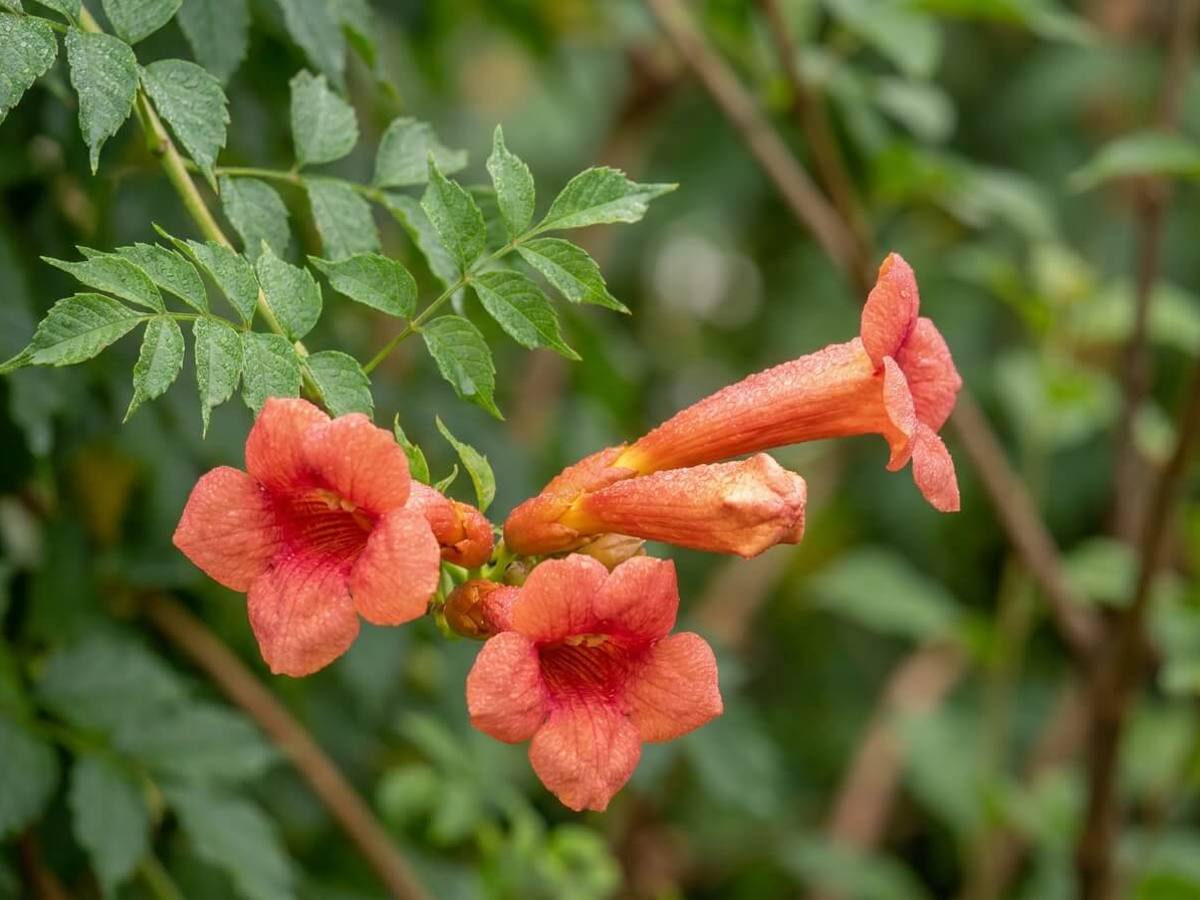
Few climbers deliver the sub-tropical drama of Campsis grandiflora, whose fat, flaring trumpets of apricot-orange hang in loose clusters from midsummer until the first chills of autumn. It is the plant to choose for clothing a hot, sun-baked wall, a pergola or an ugly garage gable in a single wave of colour. Unlike its American cousin, it produces very few aerial roots, so it leans and scrambles rather than gluing itself to masonry.
Growing conditions
Sun is non-negotiable. Campsis grandiflora needs at least six hours of direct light a day and, crucially, summer warmth to ripen its wood and set flower buds. A south- or west-facing wall that stores heat overnight is the single best position in a cool-temperate garden.
Soil should be moderately fertile and sharply drained — waterlogged winter soil is far more likely to kill this climber than cold alone. It is unfussy about pH, thriving on neutral to alkaline ground including thin chalk, and copes with clay provided the planting hole is not a sump. Very rich soil encourages sappy growth and fewer flowers.
In mild maritime regions it flowers reliably; in colder inland gardens or where summers are cool and grey, expect vigorous foliage and disappointing bloom unless you give it the hottest spot you have. In zones 5 and colder it is best treated as a wall shrub with winter root protection.
How to plant Campsis
Plant in mid to late spring, from April to May, once the soil has warmed. Spring planting gives a full growing season for roots to establish before the first hard frosts, which matters far more than it does for tougher climbers.
Spacing: allow 2.5–3 m between plants — a single specimen will cover a surprising amount of wall within four or five years.
Distance from the wall: set the root ball 40–45 cm out from the brickwork, where rain actually falls, and lean the stems back towards the support.
Depth: plant at the same depth as it sat in the pot; do not bury the base of the stems.
Soil preparation: fork a bucket of garden compost and a handful of grit into the base of the hole, but avoid heavy nitrogen feeds at planting.
Watering in: soak thoroughly with 10 litres, then mulch with bark or compost, keeping it clear of the stems.
Propagation: take semi-ripe cuttings in late summer, root cuttings in midwinter, or simply detach a rooted sucker in early spring.
Campsis grandiflora growing in a naturalistic garden border
Care through the seasons
Spring: Prune in late February or March, cutting last season’s shoots back to two or three buds from the permanent framework. Campsis breaks into leaf notoriously late — often not until May — so never assume a bare plant is dead. Apply a potassium-rich feed such as sulphate of potash, and tie in new shoots as they extend.
Summer: Water deeply during prolonged dry spells in the first three summers; established plants are markedly drought-tolerant. Tie in or shorten wayward growth to keep the flowering spurs close to the support. Remove any suckers appearing in nearby borders by pulling rather than cutting them.
Autumn: Leave the main pruning until spring, but shorten very long whippy growth in November to prevent wind-rock. Mulch the root zone with 7–8 cm of leaf mould or compost after leaf fall, especially on young plants. Collect the long bean-like seed pods if you want to raise seedlings, though these take several years to flower.
Winter: The plant is fully deciduous and dormant, its bare stems entirely hardy in most gardens. In cold districts, heap dry mulch or bracken over the crown once temperatures drop below about −5 °C regularly.
Best varieties to grow
Named forms of the true species are scarce, so many gardeners grow closely related hybrids that offer greater hardiness or a longer season.
Campsis grandiflora (species) — the classic, with the largest and most widely flared trumpets of the genus in warm apricot-orange.
‘Morning Calm’ — a Korean selection with soft peach-apricot flowers, reputedly freer-flowering and more cold-tolerant in cooler summers.
Campsis × tagliabuana ‘Madame Galen’ — a vigorous hybrid of C. grandiflora and C. radicans with salmon-red trumpets, holder of the RHS Award of Garden Merit.
Campsis × tagliabuana ‘Indian Summer’ — more restrained in growth, flowering young, useful where space is limited.
Pests, diseases and common problems
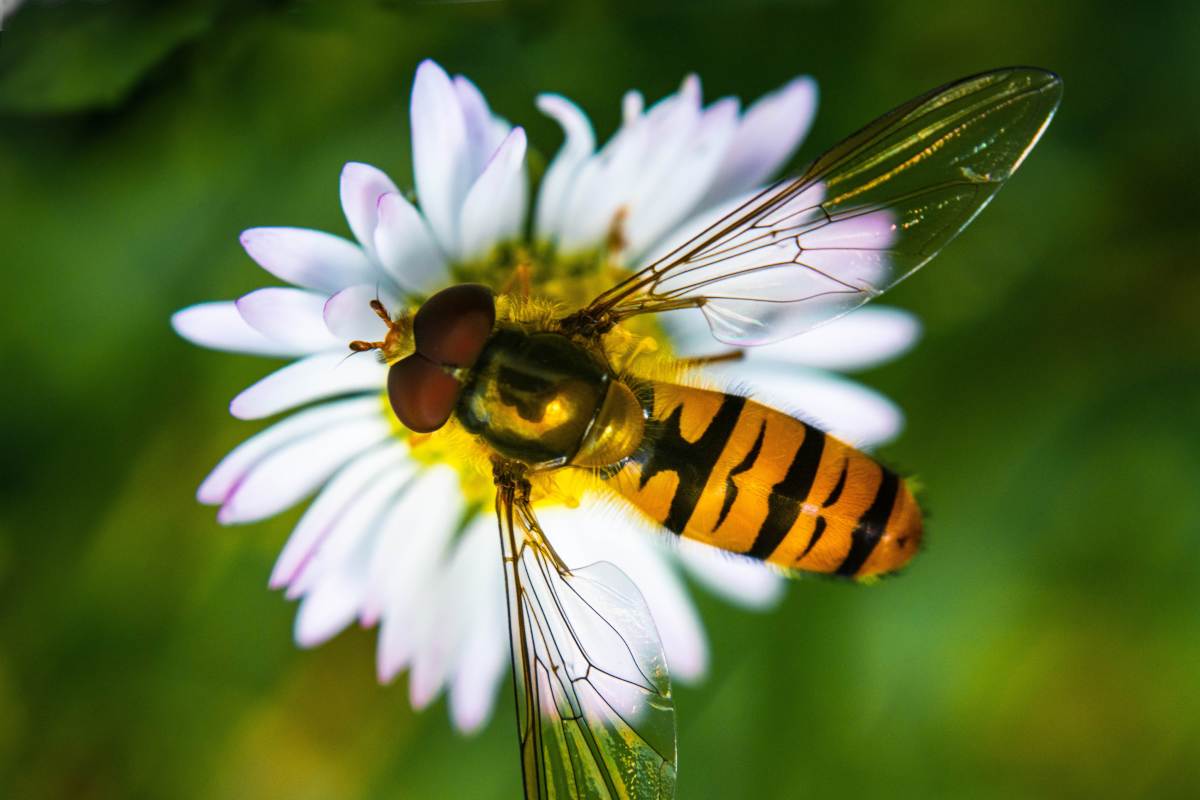
Aphids: dense colonies on soft shoot tips distort growth and leave sticky honeydew followed by sooty mould. Blast them off with a jet of water and encourage ladybirds and hoverflies rather than spraying.
Scale insects: brown limpet-like bumps on older stems, again causing honeydew. Scrub them off with a soft brush and soapy water in spring, or treat young crawlers in early summer with an organic plant oil.
Failure to flower: the commonest complaint, caused by too much shade, excess nitrogen, or pruning that removes the current year’s flowering wood. Move to full sun, switch to a high-potash feed and confine pruning to late winter.
Powdery mildew: white bloom on leaves in dry summers at the foot of a wall. Mulch and water at the roots to reduce stress, and improve air movement by thinning congested growth.
🌿 Nature & Garden Newsletter
Gardening tips, recipes & seasonal advice, twice a week.