Clematis viticella: varieties, planting and garden uses
0
With its nodding, lantern-shaped flowers borne in generous sprays from midsummer until the first frosts, Clematis viticella is arguably the most reliable climber in the whole genus. It is a slender, deciduous scrambler that clothes obelisks, arches and tired shrubs without ever becoming a dense, woody tangle. Best of all, it shrugs off clematis wilt, the disease that so often defeats the big-flowered hybrids.
Growing conditions
Viticella clematis flower most freely with at least five or six hours of direct sun on the top growth. They will also perform respectably on a west- or even east-facing wall, though flowering thins noticeably in deep shade. The roots, by contrast, prefer cool, shaded ground — the old advice of “head in the sun, feet in the shade” holds perfectly true here.
Give them a deep, fertile, moisture-retentive soil that nevertheless drains freely in winter. They are markedly tolerant of alkaline conditions and grow well over chalk, but heavy, waterlogged clay should be improved with grit and garden compost before planting. A pH between 6.5 and 7.5 suits them best.
Cold is rarely an issue: the species is hardy well below −20 °C and thrives across most of northern Europe and much of North America. In hot, dry summer climates, choose a position sheltered from fierce afternoon sun and mulch generously.
How to plant Clematis
Autumn and early spring are the ideal planting seasons, when the soil is warm and moist enough for roots to establish before flowering begins. Container-grown plants can go in at any point during the growing season provided they are watered faithfully.
Space plants 90 cm to 1.2 m apart along a fence or pergola so each has room to develop without competing for moisture.
Plant with the crown 5–8 cm below soil level; buried buds act as insurance and encourage multiple stems from the base.
Dig a hole twice the width of the rootball and fork in well-rotted manure or garden compost, keeping the planting hole at least 30 cm out from a wall base where soil is driest.
Water in with at least 10 litres, then mulch with 5–7 cm of compost or bark, leaving a gap around the stems.
Propagate by internodal cuttings taken in late spring and early summer, or by simple layering of a long shoot in autumn — layers usually root within a year.
Clematis viticella growing in a naturalistic garden border
Care through the seasons
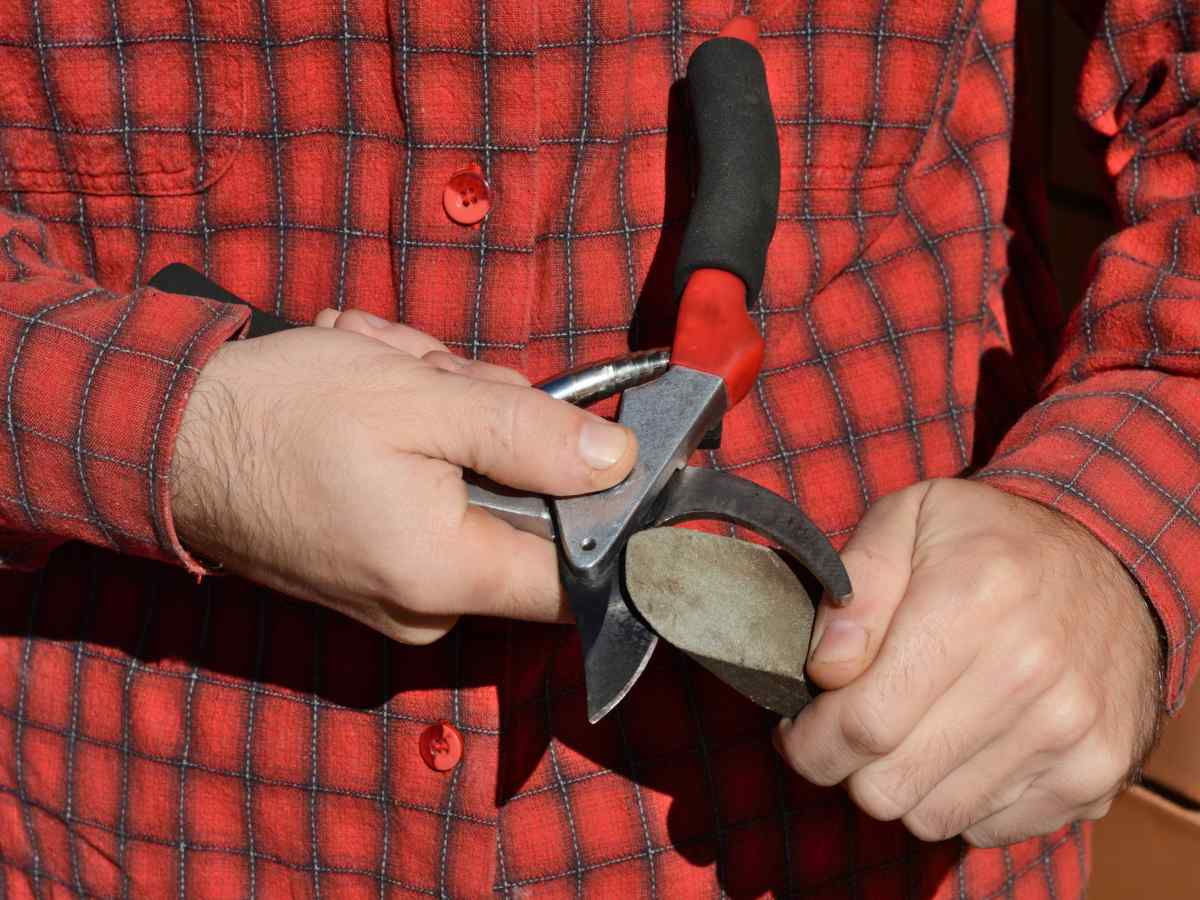
Spring: Prune hard in late winter or very early spring, cutting every stem back to a pair of strong buds 20–30 cm above the ground. Follow with a generous mulch and a handful of a balanced granular feed, or rose fertiliser, around the root zone. Guide the first shoots onto their supports before they tangle, as they snap easily.
Summer: Water deeply once or twice a week in dry spells — a thorough soaking beats frequent sprinkling. A high-potash liquid feed every fortnight from late May until the buds colour up will noticeably lengthen the display. Deadheading is optional, but removing spent flowers on early-blooming plants can prompt a second flush.
Autumn: Allow the last flowers to set their silky seedheads, which catch the low light beautifully. Top up the mulch once the ground is damp, and take hardwood layers if you want extra plants. Resist the urge to cut everything down until late winter, as the old stems offer a little frost protection to the crown.
Winter: The plant is fully deciduous and dies back to a woody framework near the base, needing no protection in open ground. Containers should be moved against a sheltered wall or wrapped, since roots in pots freeze far more readily.
Best varieties to grow
Nearly all the popular viticella cultivars are exceptionally trouble-free and many hold the RHS Award of Garden Merit.
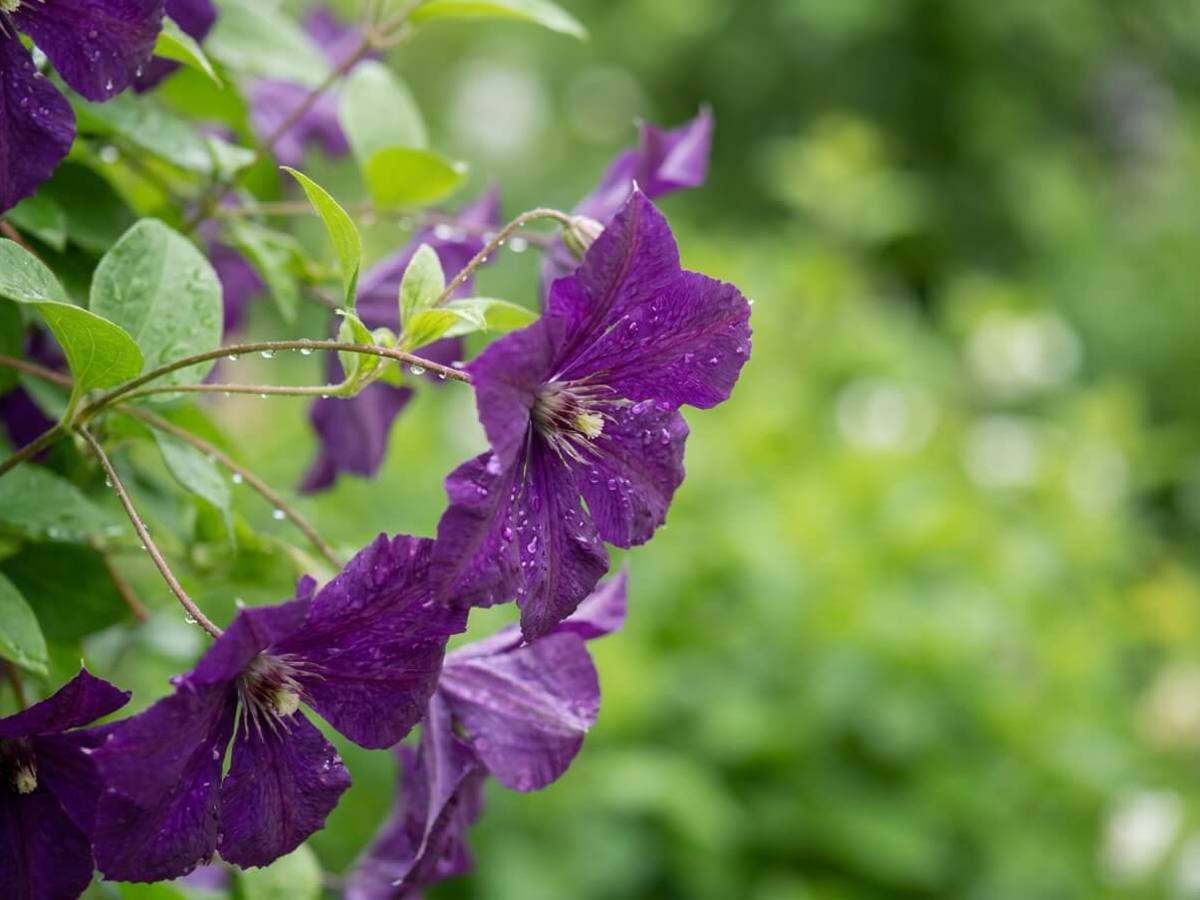
‘Étoile Violette’ — deep violet-purple flowers with golden stamens, produced in huge quantity; an AGM favourite and one of the most vigorous.
‘Madame Julia Correvon’ — wine-red, slightly twisted sepals over a long season, holding the AGM and superb woven through a pale rose.
‘Alba Luxurians’ — quirky white flowers tipped with green, giving a cool, airy effect in shadier corners; also an AGM holder.
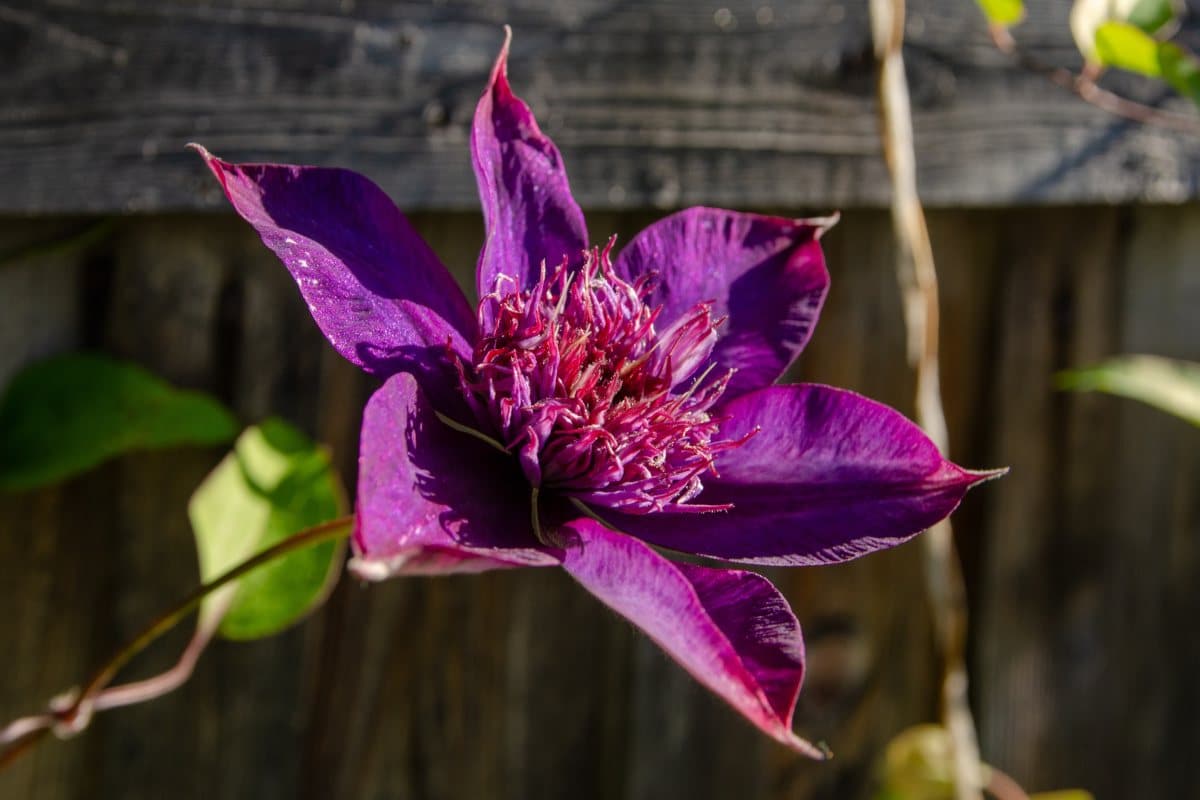
‘Purpurea Plena Elegans’ — an historic double form with rosette-like dusky purple blooms that last remarkably well; AGM.
Pests, diseases and common problems
Slug and snail damage: Soft new shoots are grazed off at ground level in spring, sometimes wiping out the year’s growth. Protect the crown with sharp grit or wool pellets and patrol on damp evenings until stems are woody.
Earwigs: Ragged holes in petals and young leaves appear overnight in midsummer. Invert a straw-filled flowerpot on a cane nearby and empty it away from the plant each morning.
Clematis wilt: Rare in this group, but occasionally a stem collapses suddenly with blackened leaves. Cut the affected stem right back to healthy tissue or to ground level, destroy the prunings, and the plant will almost always reshoot from below soil level.
🌿 Nature & Garden Newsletter
Gardening tips, recipes & seasonal advice, twice a week.