Deutzia gracilis: your complete flowering shrub guide
0
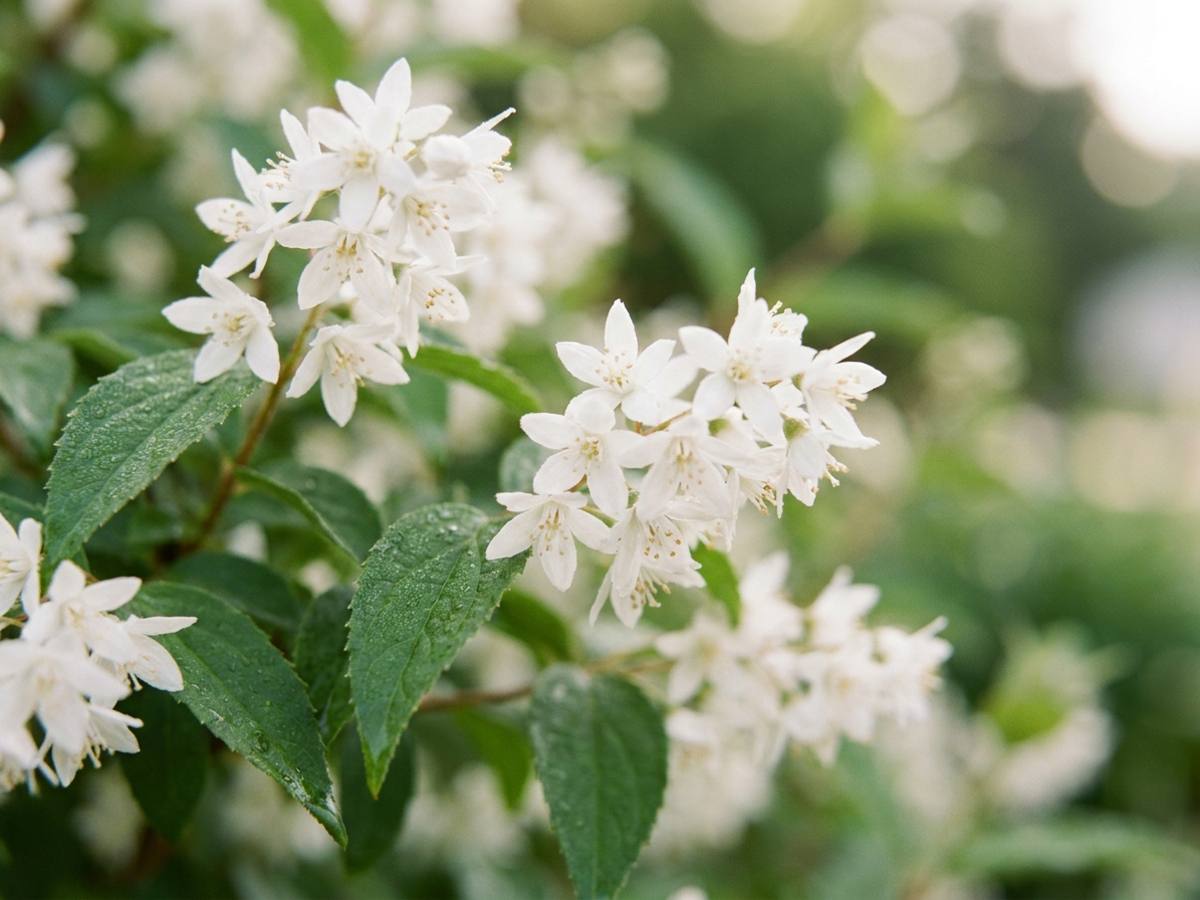
Deutzia gracilis, the slender deutzia, smothers itself in sprays of pure white, star-shaped flowers in late spring, transforming a modest green mound into a fountain of blossom. It is one of the most reliable small deciduous shrubs for the front of a border, low informal hedging or a shady corner that needs lifting. Unusually for such a floriferous shrub, it asks for almost nothing beyond a light prune after flowering.
Growing conditions
Slender deutzia flowers most generously in full sun, where the arching stems ripen well and set plenty of buds. It is equally happy in dappled or partial shade, though expect a slightly looser habit and fewer blooms. Avoid deep, dry shade beneath large conifers, where it sulks and becomes leggy.
Almost any reasonable garden soil suits it, provided drainage is decent. Moist but free-draining loam is ideal, yet it copes admirably with heavy clay improved by organic matter, and it is genuinely tolerant of chalk. Soil pH is not a concern — anything from mildly acidic to strongly alkaline works.
Hardy throughout the British Isles and most of northern Europe, it withstands around −20 °C without damage. In cold, exposed gardens, a sheltered spot protects the early flower buds from late frosts and drying spring winds.
How to plant Deutzia
Autumn is the ideal planting season, allowing roots to establish in warm, moist soil before winter. Container-grown plants can go in at any time from October to April, provided the ground is neither frozen nor waterlogged.
Space plants 80 cm–1 m apart for borders, or 50–60 cm apart for a low informal hedge that will knit together within two seasons.
Set the rootball so the top sits level with the surrounding soil — deutzias resent being planted too deeply.
Fork over a generous area and work in two spadefuls of garden compost or well-rotted manure, especially on heavy clay or thin chalk.
Water in thoroughly with at least 10 litres per plant, then mulch with 5 cm of bark or compost, keeping it clear of the stems.
Propagate from softwood cuttings in June or hardwood cuttings in late autumn; both root readily in a gritty compost, and low branches will often self-layer.
Deutzia gracilis growing in a naturalistic garden border
Care through the seasons
Spring: Scatter a handful of general-purpose fertiliser or pelleted poultry manure around the base as buds break in March. Refresh the mulch and check that the previous year’s pruning has produced plenty of vigorous young shoots. Water newly planted specimens during dry spells, as flower buds forming now depend on steady moisture.
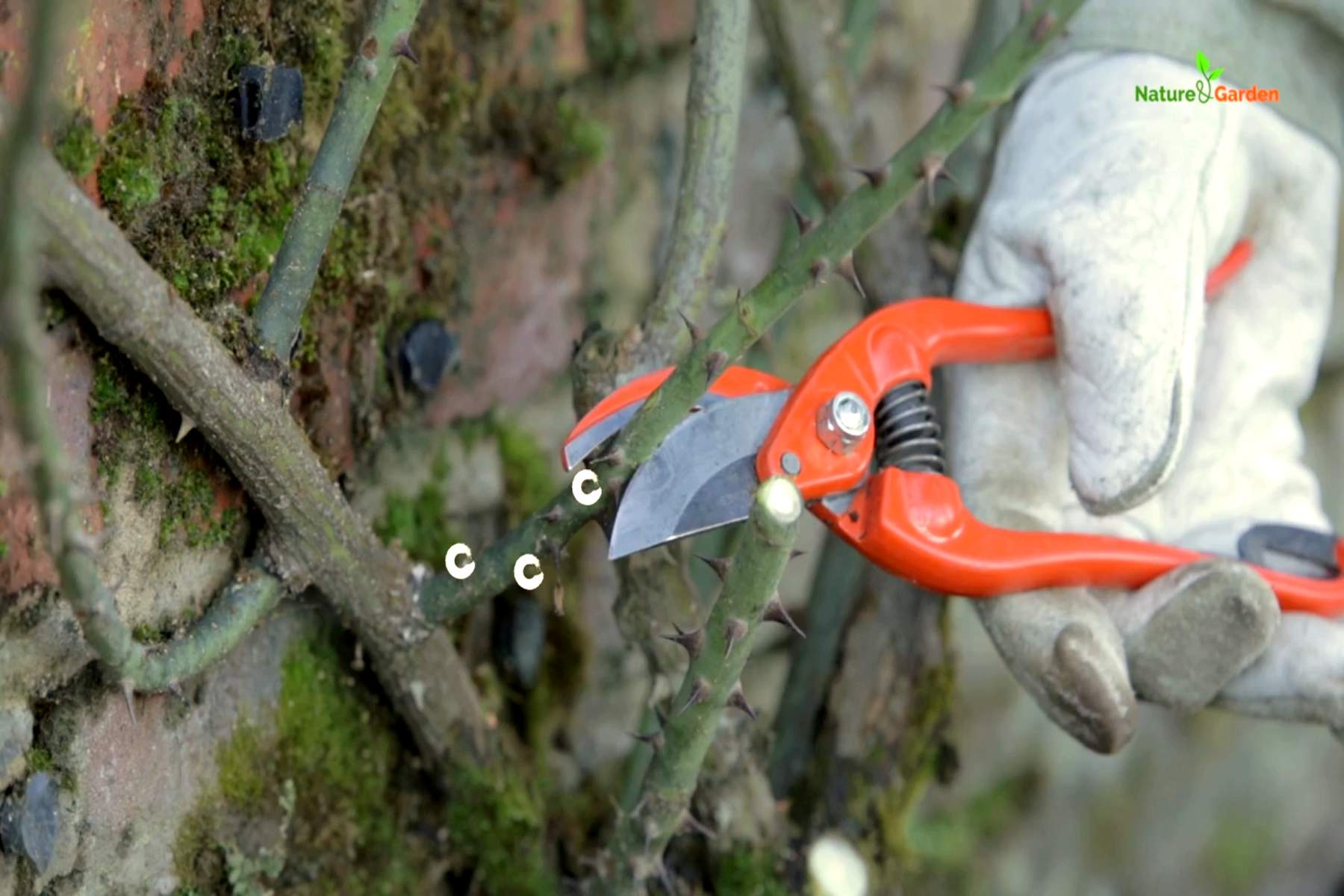
Summer: Prune immediately after flowering finishes, usually late June, cutting flowered stems back to a strong new shoot and removing one in four of the oldest branches at the base. This is the single most important task, since Deutzia gracilis flowers on wood made the previous year. Established plants tolerate short droughts, but young shrubs need a deep soak weekly in prolonged dry weather.
Autumn: Leaves colour to soft yellow or bronze-purple before falling — no cutting back is needed. This is the best moment to plant, move or divide congested clumps, as the shrub suckers gently at the base. Top-dress with well-rotted compost to feed the roots over winter.
Winter: Fully dormant and completely hardy, it needs no protection in open ground. Container-grown plants benefit from being moved against a wall or wrapped in fleece to stop the rootball freezing solid.
Best varieties to grow
Compact selections have largely replaced the plain species in modern gardens, offering better foliage and tidier shapes.
Deutzia gracilis ‘Nikko’ — a low, spreading dwarf reaching just 50 cm, with burgundy autumn colour; excellent as ground cover and holder of an RHS Award of Garden Merit.
Deutzia gracilis ‘Nikko Blush’ — the same neat habit but with buds and flowers flushed soft pink, softening white-heavy planting schemes.
Deutzia gracilis ‘Duncan’ (Chardonnay Pearls) — bright chartreuse-yellow foliage that lights up shade, topped with pearl-like white buds.
Deutzia gracilis ‘Yuki Cherry Blossom’ — a very compact pink-flowered form under 60 cm, ideal for pots and small courtyard gardens.
Pests, diseases and common problems
Failure to flower: Almost always caused by pruning at the wrong time, since winter or early spring cuts remove the flower buds. Prune only within six weeks of the last flowers fading.
Leaf-eating weevils and caterpillars: Notched leaf margins or ragged holes appear in early summer. Pick off pests by hand at dusk and encourage birds; damage is cosmetic and rarely warrants treatment.
Powdery mildew: A white bloom on leaves during hot, dry summers, worst on plants in poor, dry soil. Improve mulching and watering, thin congested stems to increase airflow, and remove affected leaves.
🌿 Nature & Garden Newsletter
Gardening tips, recipes & seasonal advice, twice a week.