Spanish Bluebell: varieties, planting and garden uses
0
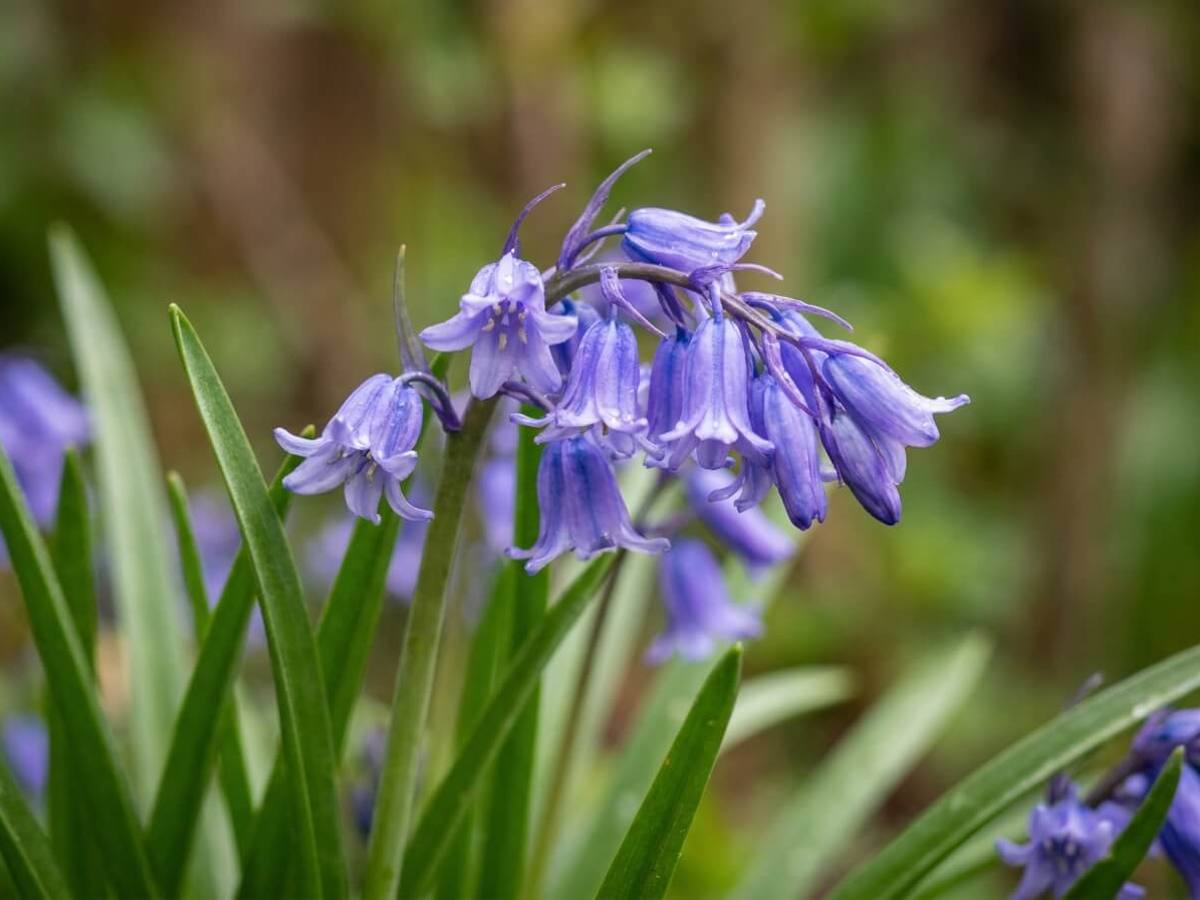
The Spanish bluebell is a sturdy, upright bulb that throws up stout spires of waxy, bell-shaped flowers in mid-spring, in shades of violet-blue, pink and white. Broader in the leaf and far more robust than the native English bluebell, it copes happily with dry shade, town gardens and heavy soils where other spring bulbs sulk. Its flowers hang all the way round the stem rather than drooping to one side — the quickest way to recognise it at a glance.
Growing conditions
Spanish bluebells are woodland-edge plants at heart and flower best in dappled or partial shade, particularly beneath deciduous trees and shrubs that leaf up after the bulbs have done their work. They tolerate full sun in cooler, damper regions, though the flowers fade faster and the foliage yellows earlier. Deep, dry shade under conifers is the only situation where they genuinely struggle to bulk up.
Soil is rarely a limiting factor. They accept heavy clay, thin chalk and sandy loam alike, from acid through to alkaline, provided the ground does not sit waterlogged through winter. A moisture-retentive soil enriched with leaf mould gives the largest flower spikes, but drought in summer is no problem at all once the bulbs are dormant.
They are exceptionally cold-hardy and need no winter protection anywhere in the British Isles or northern Europe. In hotter, Mediterranean-style climates, plant them on a north-facing aspect or under shrubs so the bulbs stay cool during their summer rest.
How to plant Hyacinthoides
Plant dry bulbs from September to early November, while the soil is still warm enough for roots to establish before winter. Spanish bluebell bulbs have no papery tunic and shrivel quickly, so buy them fresh and get them in the ground promptly rather than storing them.
Spacing: set bulbs 10–15 cm apart; closer planting looks generous in year one but clumps congest and flowering drops off within a few seasons.
Depth: plant 10 cm deep, with the pointed nose upwards — deeper, around 12 cm, on light sandy soils.
Soil preparation: fork over the planting area and work in leaf mould or garden compost; break up any pan on compacted clay so water drains away.
Watering in: water once after planting to settle the soil around the bulbs, then leave them be — autumn rainfall usually does the rest.
Propagation: lift and split congested clumps in early summer as the leaves yellow, replanting the offsets immediately at the same depth.
Hyacinthoides hispanica growing in a naturalistic garden border
Care through the seasons
Spring: Shoots push through from late February and flower spikes follow in April. A light scattering of general-purpose fertiliser as growth appears helps the bulbs build reserves. Deadhead as soon as the last bell drops — this is the single most effective way to stop unwanted seedlings appearing across the garden.
Summer: Leave the foliage to yellow naturally for at least six weeks after flowering; never knot it or cut it green, or next spring’s display suffers. No watering is needed once the leaves collapse, as the bulbs are fully dormant. Rake off seed heads you may have missed before they split open in June.
Autumn: Plant new bulbs and, where colonies have grown too thick, lift and thin them. A 3–5 cm mulch of leaf mould over the planting area in October feeds the soil and mimics woodland leaf litter. Mark the position with a cane if you are prone to forgetting where the bulbs sit.
Winter: The bulbs are entirely dormant below ground and need no protection whatsoever, even in prolonged frost. Early leaf tips may appear in mild spells from late winter and are unharmed by cold snaps.
Best varieties to grow
Named cultivars are more restrained and better behaved than the plain species, and hold their colour reliably.
‘Excelsior’ — the classic, with tall, broad spikes of violet-blue bells striped darker blue; vigorous and excellent for naturalising in a managed border.
‘Dainty Maid’ — soft rosy-mauve flowers on neat stems, lovely threaded through ferns and hostas.
‘Queen of the Pinks’ — clear, warm pink bells that lift shady corners and combine well with white narcissi.
‘White City’ — pure white, faintly green-tipped flowers that glow at dusk beneath dark evergreens.
Pests, diseases and common problems
Slugs and snails: emerging shoots and flower buds are grazed into ragged stumps in damp springs. Apply wool pellets or a night-time torch patrol as soon as the tips break ground.
Bluebell rust (Uromyces muscari): bright orange-yellow pustules on the leaves, worst in crowded, humid clumps. Remove and bin affected foliage — do not compost it — and thin congested colonies to improve airflow.
Bulb rot and non-flowering: soft, mushy bulbs follow winter waterlogging, whilst blind, leafy clumps usually mean overcrowding or too much shade. Improve drainage with grit and lift and divide clumps every four to five years.
🌿 Nature & Garden Newsletter
Gardening tips, recipes & seasonal advice, twice a week.