Spring bulbs in clay soil: the planting depths nobody mentions
0
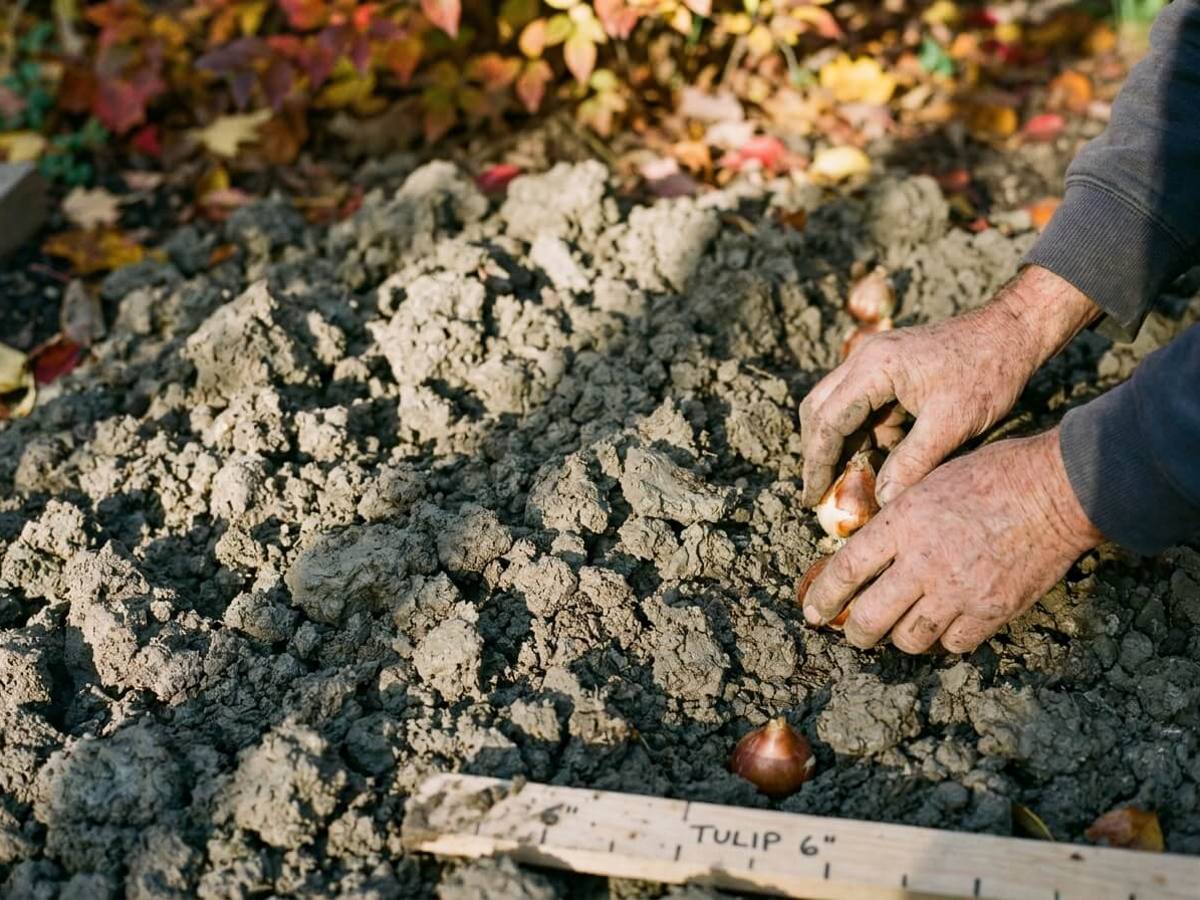
September is bulb-planting season, but gardeners with heavy clay soil who follow standard depth charts will watch their tulips and daffodils rot by spring. The problem isn’t the bulbs, it’s the depth. Clay holds water far longer than the instructions assume, and deeper planting means slower drainage and fungal disease. Shallow planting, paired with the right varieties, transforms clay gardens into reliable spring displays.
Why clay gardeners need to unlearn traditional planting depths
As autumn approaches and soil temperatures drop below 13°C, September becomes the critical window for planting spring bulbs across the UK and US. Most gardening guides recommend planting tulips at three times their height, and daffodils at four times theirs, based on soil conditions that don’t exist in clay. Clay soil drains slowly, remains waterlogged through winter, and creates an anaerobic environment where bulbs simply suffocate and rot.
The clay soil trap that catches most gardeners
In standard loamy or sandy soil, deeper planting provides insulation and anchoring. But clay behaves differently. A tulip bulb planted 15 centimetres deep in clay may sit in cold, stagnant moisture for months, particularly in regions with heavy autumn and winter rainfall. The result is basal rot, a fungal collapse that destroys the entire bulb from underneath. Studies from garden extension services suggest clay gardeners experience failure rates of 30 to 50 per cent when following conventional depths.
The secondary issue is tilting. Shallow planting can cause bulbs to lean sideways during frost heave, a natural upward movement of soil as it freezes and thaws. This matters less than rotting, but it looks untidy and exposes the bulb crown to harsh weather.
How to plant spring bulbs in clay this September
Adopt these proven techniques to ensure survival and spring colour in heavy soil:
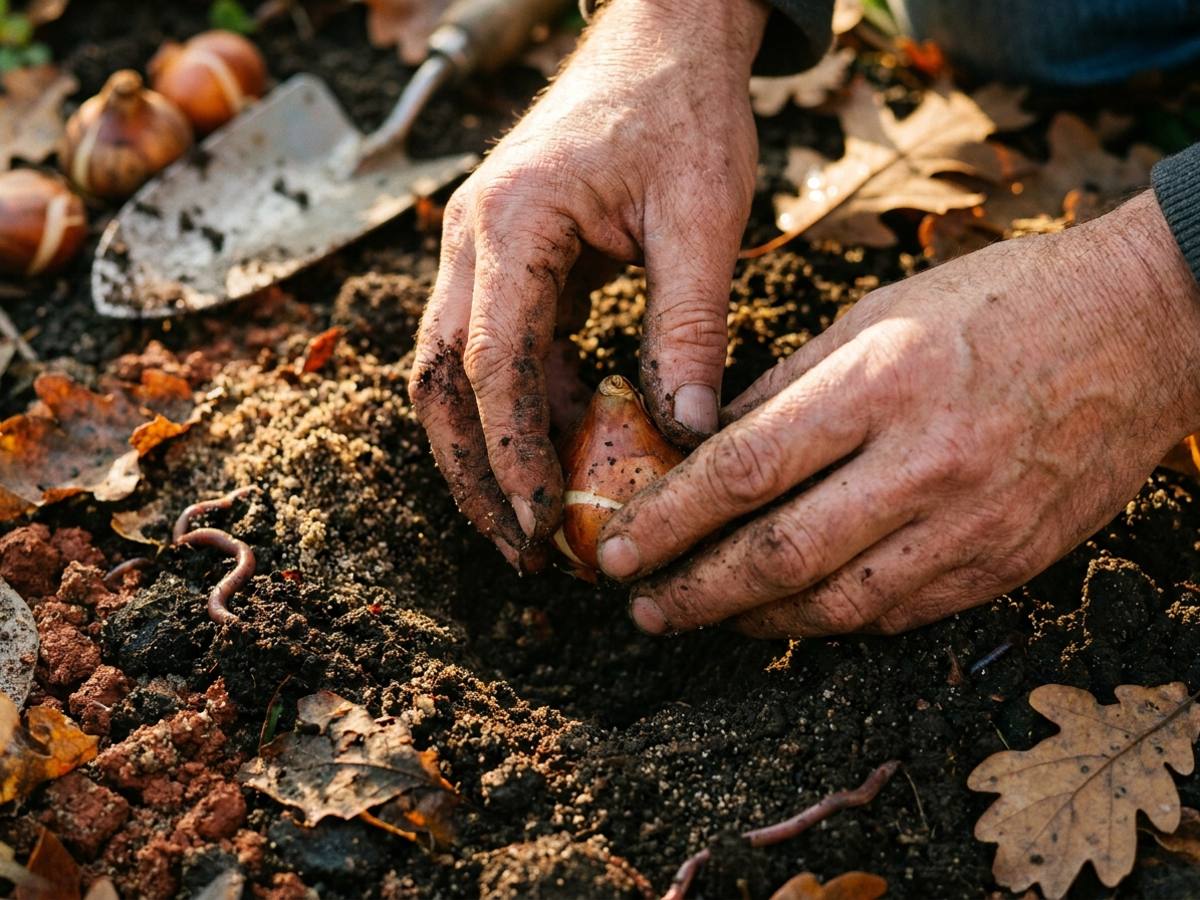
Plant tulips and daffodils at half the recommended depth, typically 8 to 10 centimetres rather than 15, to reduce water exposure and encourage faster drainage away from the bulb base.
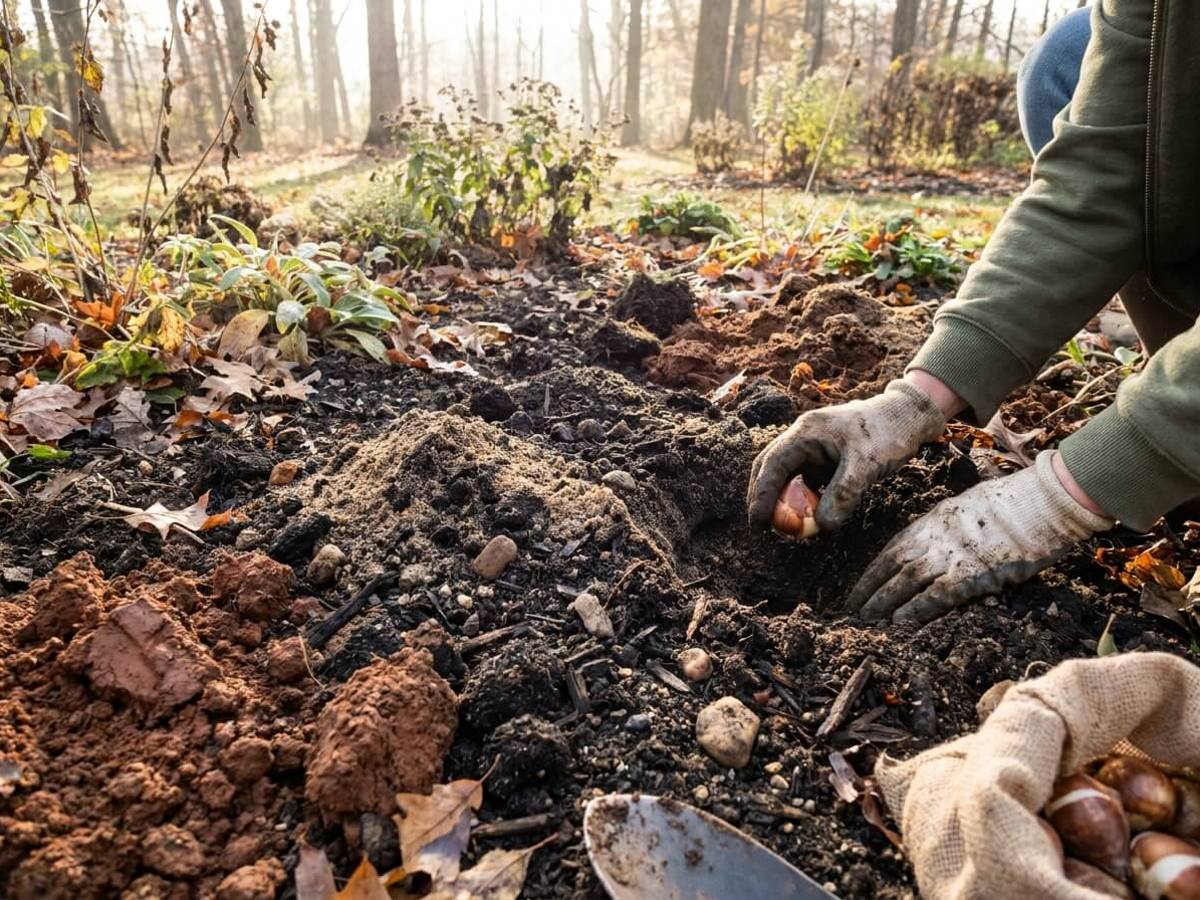
Add grit or coarse sand to planting holes, creating a well-draining pocket beneath and around each bulb that breaks the clay’s water-holding cycle.
Choose clay-tolerant varieties such as Narcissus ‘February Gold’, Tulipa ‘Angelique’, and Crocus tommasinianus, which tolerate shallower placement without tilting or bolting unevenly.
Mulch lightly with compost after planting to improve soil structure over time, but avoid piling it against the bulb crown where it traps moisture.
Monitor soil conditions through winter and into spring
As temperatures drop and winter sets in, observe how your planted areas drain after heavy rain. Standing water weeks after rainfall signals inadequate drainage and the need for deeper intervention, such as raised beds or French drains, in future seasons. Watch for shoots emerging at roughly the same time in spring; uneven emergence often indicates bulb death from waterlogging in pockets of the bed. Early spring success here transforms confidence for years to come.
🌿 Nature & Garden Newsletter
Gardening tips, recipes & seasonal advice, twice a week.