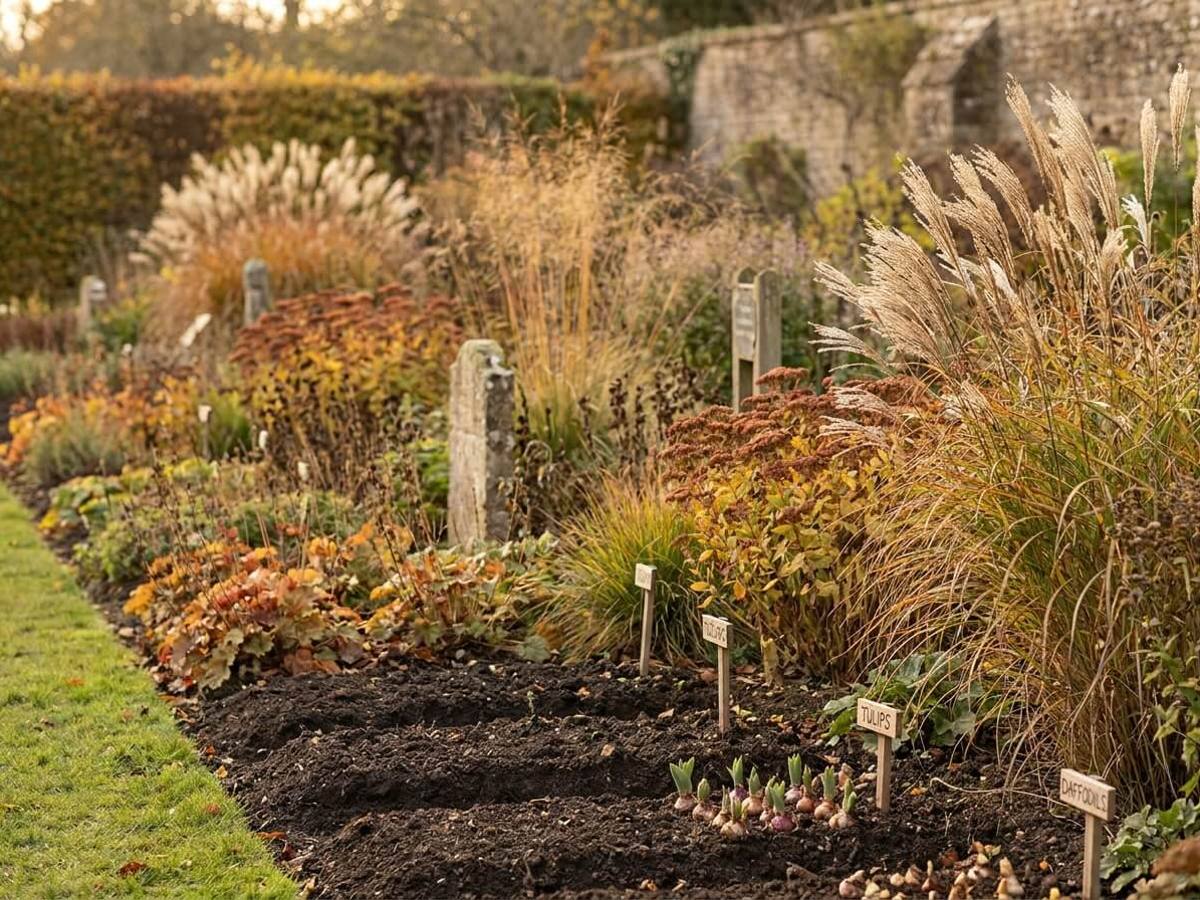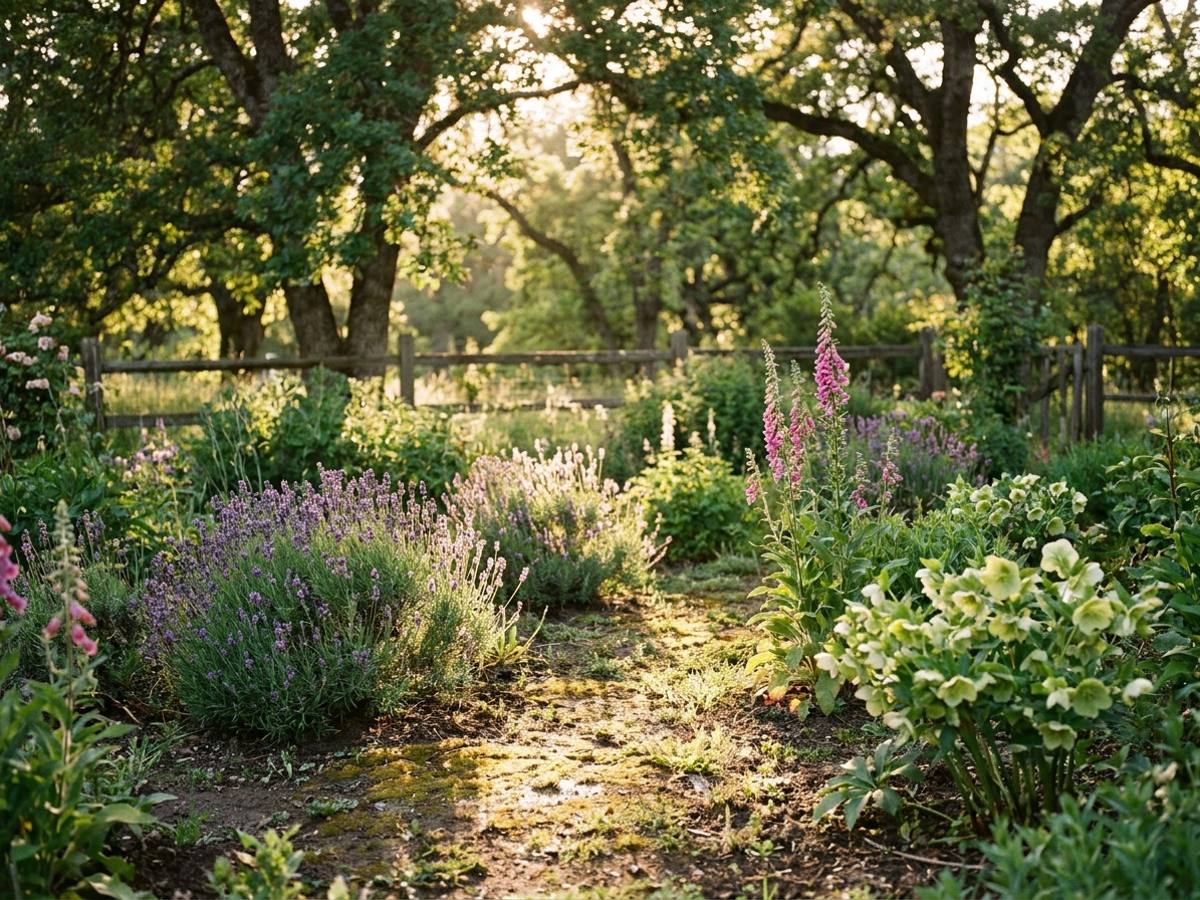
September marks the critical window for autumn bulb layering, a sequential planting technique that’s revolutionising how gardeners extend their flowering seasons. Rather than relying on a single spring burst, layering creates waves of colour from January through May, eliminating the dreaded spring gap that’s plagued gardens for decades. Home gardeners across the UK and US are abandoning traditional all-at-once planting in favour of this scientifically-proven method.
As summer fades and soil temperatures drop below 15 degrees Celsius, conditions become ideal for bulb establishment. Early autumn is when the most forward-thinking gardeners begin their layering preparations, planning successive plantings that will unfold over the coming months. The ground is still workable, yet cool enough to trigger the chilling period bulbs require for spring flowering.
Traditional spring planting creates a predictable but frustrating pattern: tulips and daffodils bloom in a concentrated four-week window, leaving gardens bare before late spring perennials emerge. Gardeners lose an entire month of colour just when they’re desperate for winter’s end. Studies from horticultural societies show that layered planting can extend the flowering season by up to eight weeks, transforming gardens that once felt dormant into spaces with continuous blooms.
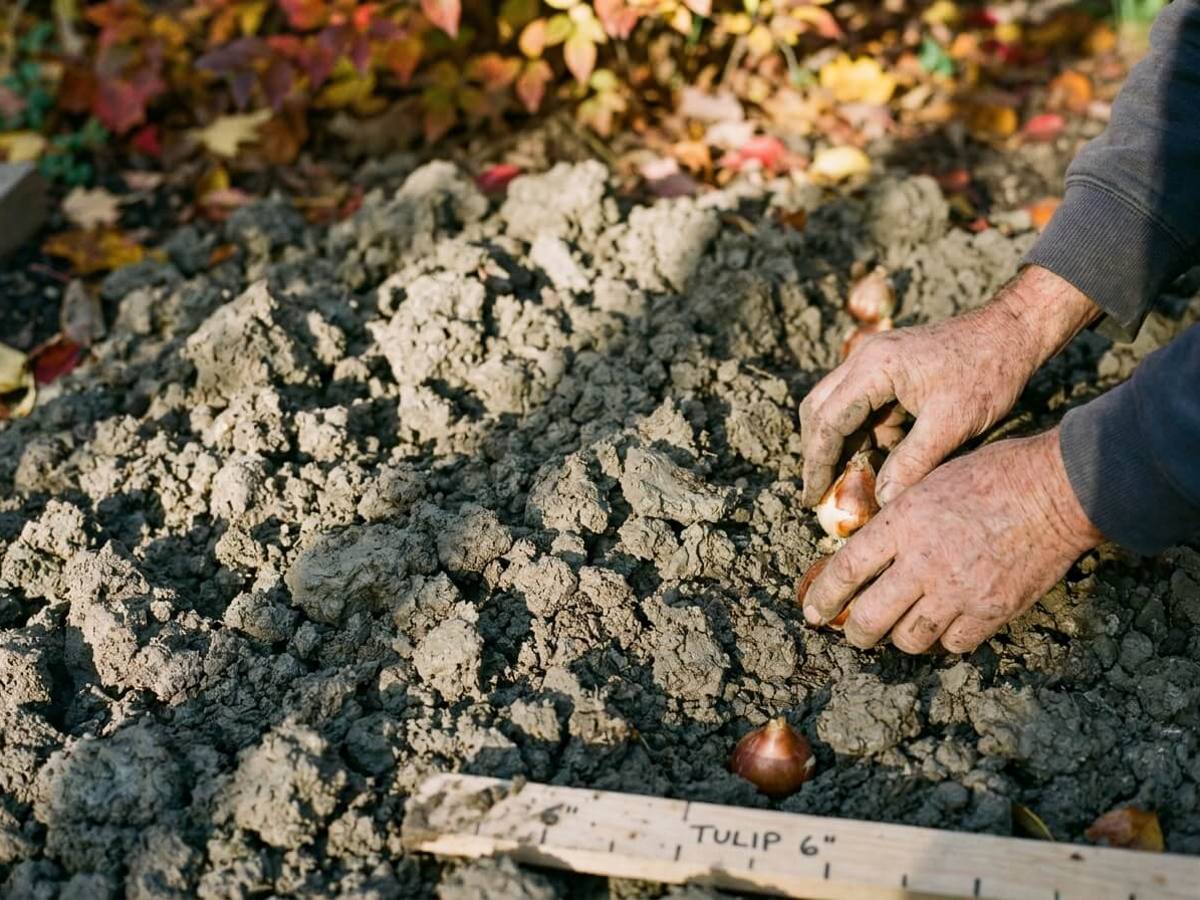
The technique works by planting bulbs at different depths and in succession. Early-flowering crocuses go down first, followed by daffodils, then tulips, and finally late bloomers like alliums. Each layer emerges according to its own schedule, creating a choreographed display that feels natural rather than designed.
Layering works because each group of bulbs is planted at its own depth and comes up on its own schedule. Here is the running order the technique follows, from the shallowest early bloomers to the last of the season.
| Layer | Bulbs | Planting order and depth | Flowering |
|---|---|---|---|
| First layer | Crocuses and snowdrops | Planted first, typically 5 to 8 centimetres deep | Earliest of the sequence, from midwinter |
| Second layer | Daffodils | Planted after the early bloomers, at a staggered depth | Spring, in a concentrated four-week window |
| Third layer | Tulips | Follow the daffodils, deeper again in the staggered sequence | Spring, alongside and after the daffodils |
| Final layer | Alliums | Planted last in the succession | Late bloomers, closing the display in late spring |
Choosing at least three different bloom times from this sequence is what removes the bare patch between the last tulip and the first perennial.
Begin by mapping out which bulbs suit your garden’s light and soil conditions, then follow this sequence:
Once planted, water thoroughly and leave beds undisturbed. Watch for any signs of rot or pest damage as temperatures fluctuate through autumn and into winter. By late winter, you’ll notice shoots emerging at different times, a reassuring sign that your layering strategy is working. The real reward arrives from late winter onwards, when your garden will showcase an unbroken sequence of blooms that keeps neighbours asking for your secret.