Updated on 24 September 2026 · Published on 30 July 2022
Yellow cup-shaped flowers on leafless branches, silvery fuzz on willow catkins, snowdrops hanging their three white sepals — winter flowers carry colour from bare trees down to bulbs at ground level. Most ask only for well-draining soil and the right light, from full sun to shade, and they will flower on through the coldest months.
Read also:
Did you know?
The ‘witch’ in witch hazel comes from the Old English wice, meaning pliant or bendable, not from sorcery, though forked twigs of the American species were long carried by water diviners hunting hidden springs.
Chimonanthus praecox has been cultivated in Chinese gardens for over a thousand years under the name lamei, or ‘wax plum’, while its botanical name translates from Greek as ‘winter flower’.
Choosing between the main winter-flowering varieties
Most of the plants below are sold as named cultivars, and the choice comes down to flower colour, when the display peaks and where the plant will sit. Use this table to line up shrubs, perennials, climbers, bulbs and small trees side by side before you buy.
Winter flower shrubs
Wintersweet:
Variety: Chimonanthus praecoxFlowering period: December to MarchFlower color: yellow cup-shaped flowers appear on leafless branchesExposure: full sunSoil: cool but with perfect drainageCherry on the top? fragrant blooming that also spread through the house when in a cut flower bouquet
Hamamelis ‘Arnold Promise’ : Witch hazel ‘Arnold Promise’ opens bright yellow in January
Variety: Hamamelis intermedia Arnold Promise (witch-hazel)Flowering period: January to FebruaryFlower color: bright yellow petals shaped like strands of yarnExposure: sun, part sunSoil: cool, neutral to acidic.Cherry on the top ? yellow leaves with reddish rims in fall5 keys for a beautiful winter garden
Prune wintersweet just after the last flowers fade , since it blooms on the previous year’s wood.A seed-raised Chimonanthus praecox may sulk for many years before its first flower, so buy a grafted or already-flowering plant if you want blooms quickly.
Witch hazels such as ‘Arnold Promise’ are grafted, usually onto Hamamelis virginiana, so cut away any suckers rising below the graft union before they smother the cultivar.
Witch hazel roots run shallow , so mulch the base and water through summer dry spells rather than hoeing around it.
Perennial winter flowers
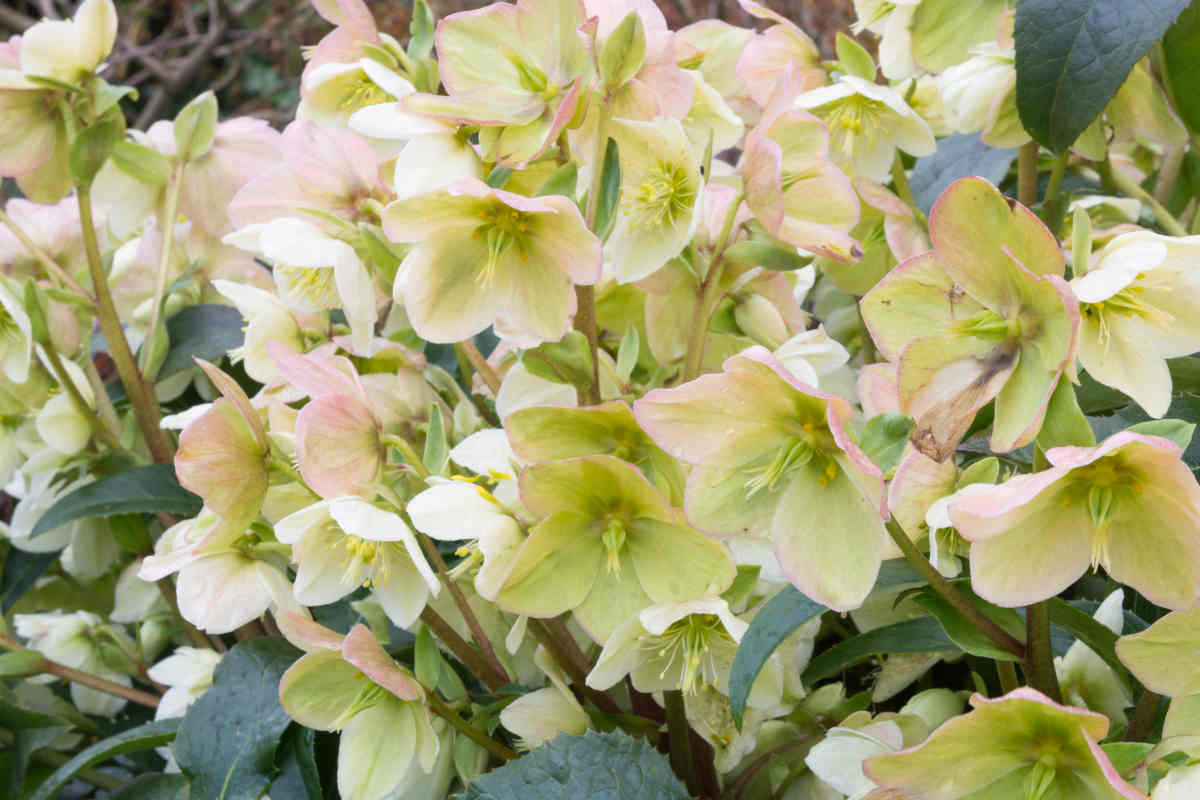
Christmas rose or Corsican Hellebore:
Variety: Helleborus argutifoliusBlooming period: from January to MarchFlower color: pistachio green drooping cup-shaped flowers Corsican hellebore droops pistachio green cups in shade xposure:
Soil: light, softCherry on the top? foliage is bright green, which lightens up dark corners of the garden
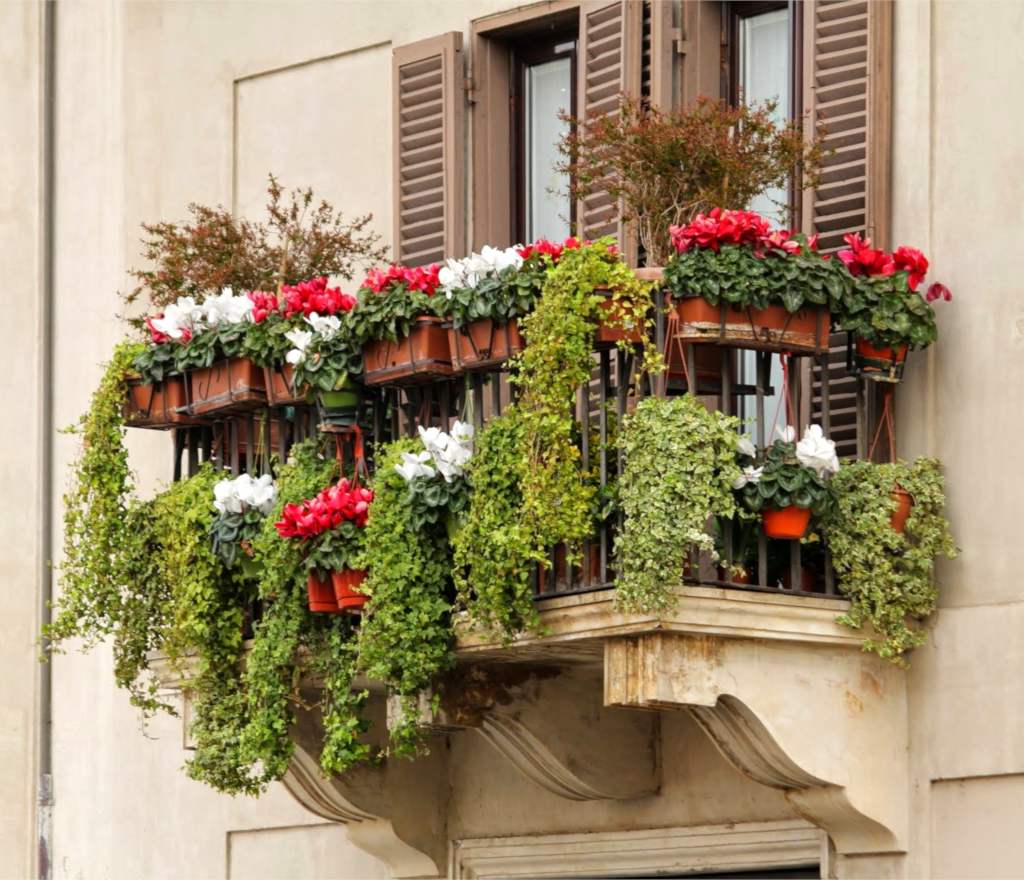
Cyclamen:
Variety: Cyclamen coum ‘Album’Blooming period: February to AprilFlower color: white flowers with blood-red center, 5 rounded petalsExposure: part shade, shadeSoil: well-draining and lightCherry on the top? spreads until it forms a carpet of flowers
Cut each Corsican hellebore flowering stem right down to the base once the seed pods have formed, since that stem will never flower again.Remove any hellebore leaves marked with black blotches and bin them , as leaf spot spreads onto the opening buds.The leaves of Cyclamen coum vanish completely after flowering, so mark the colony to avoid spearing dormant tubers with a fork.
Climbing plants that flower in winter
Winter jasmine:
Variety: Jasminum nudiflorum Flowering period: December to MarchLeafless winter jasmine branches covered in electric yellow flowers Flower color:
Exposure: full sunSoil: richCherry on the top? while still without a single leaf, branches are entirely covered with electric yellow flowers
Clematis ‘Winter Beauty’:
Variety: Clematis campanella ‘Winter Beauty’Flowering period: December to FebruaryFlower color: white bell-shaped flowersExposure: sun, part sunSoil: rich, deep and draining wellCherry on the top ? : not very hardy, this clematis is ideal in a greenhouse or against a sunny wall, sheltered from wind
Winter jasmine does not twine or cling, so tie its long shoots onto wires or a trellis as they grow.
Wherever a trailing stem of winter jasmine rests on soil it roots by itself , so you can sever and lift free plants for another wall or bank.
Bulb flowers for the end of winter
Snowdrop:
Variety: Galanthus nivalisFlowering period: January to MarchSnowdrop flowers face down, showing three large white sepals Flower color:
three large white sepals that cover more smaller petalsExposure: sun, part sun, shadeSoil: well-drainingCherry on the top? grows very well in pots
Chionodoxa:
Variety: Chionodoxa sardensisBlooming period: February to AprilFlower color: small blue star-shaped flowers with a white centerExposure: sun, part sunSoil: light, cool, and well-drainingCherry on the top? this perennial bulb forms a ground cover of starry white flowers at the end of winter
Lift and divide congested snowdrop clumps in the green , just after flowering, while the leaves are still up.Snowdrop bulbs shrivel quickly once out of the ground, so plant dry-sold ones the day they arrive and water them in.
Let the leaves of snowdrops and chionodoxa yellow and collapse on their own, as they are refuelling the bulb for the following flowering.
Chionodoxa seeds itself about freely, so delay mowing any grass it colonises until its foliage has faded .
Trees that bloom in winter
Mimosa (Acacia dealbata):
Variety: Acacia dealbata Flowering period: January to MarchFlower color: clusters of fragrant yellow pompom flowersExposure: full sunSoil: well-drainingCherry on the top ? evergreen foliage, elegantly detailed, just as ornamental as the flowers themselves
Goat willow (a type of pussy willow):
Variety: Salix capreaBlooming period: February to MarchFlower color: silvery fuzz covers its buds and tiny yellow flowers cover the catkinsSilvery fuzz and tiny yellow flowers cover goat willow catkins Exposure:
Soil: ordinary, deepCherry on the top? melliferous and loaded with nectar, a blessed resource for pollinators in this dire season
>> Read also:
Written by Gaspard Lorthiois | Loves helping out, especially when it comes to growing things. Worked in herbal medicine, runs a farm, and dabbles in tech. Master's degree and engineer.