Home » Health » Guava: traditional uses, how to prepare the fruit and leaves, and what to watch for
Guava: traditional uses, how to prepare the fruit and leaves, and what to watch for
·
0
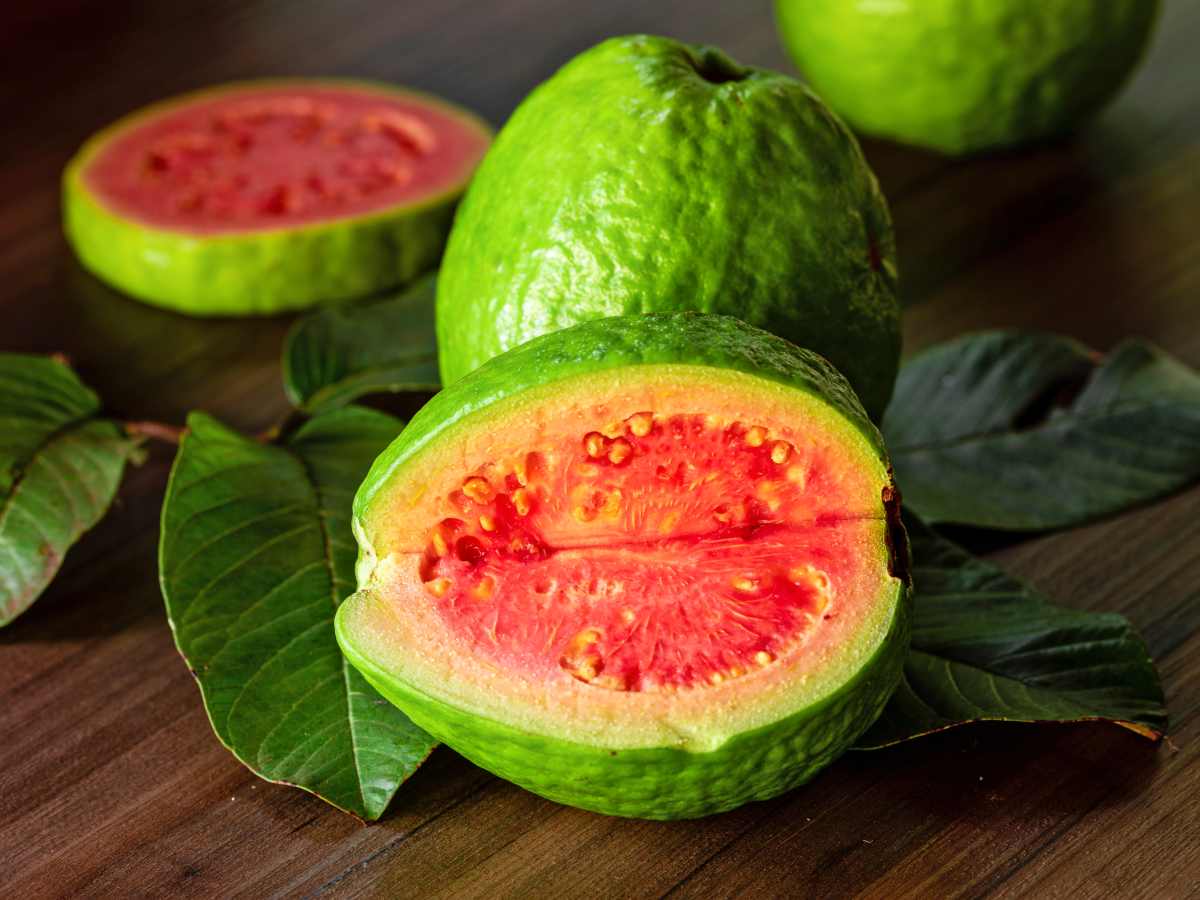
Guava is a tropical fruit with a musky, sweet-tart flesh — and a tree whose leaves have been brewed and gargled for centuries. This page covers what the fruit and the leaves actually contain, what herbalists and traditional practice credit them with, how to prepare an infusion, a decoction, a hair rinse or a scrub, and who should be careful.
Fibre, vitamin C and minerals in a low-fat tropical fruit
Guava at a glance
Guava identity card
Item
Detail
Botanical name
Psidium guajava
Family
Myrtaceae
Origin
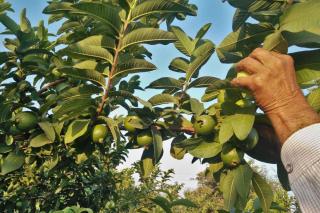
South America (Brazil); now grown in China, India, the Caribbean and across the tropics
Size of tree
10 to 20 feet (3 to 6 metres)
Parts used
Ripe fruit (flesh and skin), fresh or dried leaves
Fruit in early to mid-autumn; imported fruit widely sold through winter. Leaves picked year-round in frost-free climates
Taste
Sweet and musky, slightly tart, strongly perfumed; the leaf brew is green, tannic and astringent
What guava is credited with
These are traditional and naturopathic uses, not medical claims.
Digestive comfort. Because the fruit is rich in fibre, naturopathy credits it with supporting regular intestinal transit.
Loose bowels. In traditional African, Caribbean and South American herbalism, an infusion of guava leaves — or simply chewing a young leaf or the seeds — was the classic home remedy for an unsettled gut.
Sore throats and mouth discomfort. Herbalists have long used the leaf decoction as a gargle or mouthwash for a scratchy throat, tender gums and toothache.
Astringency. The tannins in the leaves give the decoction a drawing, tightening feel; it has a reputation in folk practice for being dabbed onto grazes and minor skin irritation.
Queasiness. Traditional use credits the leaf brew with settling the stomach when nausea threatens.
Water retention. Guava has a reputation in naturopathy as a diuretic fruit, favoured when the body feels puffy.
Antioxidant intake. The fruit is a well-known dietary source of antioxidant compounds, which naturopathy associates with countering the effects of free radicals on skin and cells.
Fresh breath. Chewing the leaves is a traditional mouth-freshening habit in several guava-growing regions.
The leaves, not just the fruit, carry the traditional uses
How to use it
Leaf infusion (the everyday brew)
Use a small handful of fresh leaves, or a heaped tablespoon of dried crumbled leaves, per 1 quart (1 litre) of water.
Pour water just off the boil over the leaves, cover, and leave 10 minutes.
Strain well, then sip through the day rather than all at once.
Taste: green, tannic, a little bitter. A slice of lemon or a spoon of honey softens it.
Traditional practice keeps this to a few days at a time, not as a permanent daily drink.
Leaf decoction (stronger, for external use and gargling)
Put the leaves in cold water, bring to the boil, simmer 10 to 15 minutes, then cover and cool.
Strain through a fine sieve or muslin.
Gargle warm, two or three times a day, and spit it out.
For skin, soak a cotton pad and dab onto the area; let it dry rather than rinsing.
Keeps 48 hours in the fridge, no longer — it has no preservative.
Chewing
One or two young, well-washed leaves, chewed slowly and spat out.
Very astringent — it dries the mouth immediately.
The fruit, in the kitchen
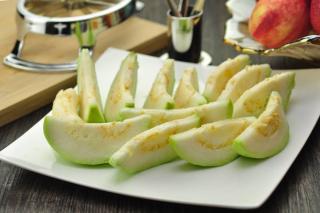
Eat it raw, skin and all, once it gives slightly under the thumb and smells perfumed.
Juice it, blend it into smoothies, fold it into mousse, ice cream and fruit salads.
Cook it down into jam or a sauce; guava jam with cottage cheese is a classic pairing.
It flavours cakes and cheesecake beautifully.
Pair with raspberry, strawberry, mango, coconut or pomegranate.
For a sweet-and-sour snack, dip slices in soy sauce or a splash of vinegar.
The juice is the backbone of guava punch and many cocktails.
Raw, juiced, blended or cooked into jam and sauce
Beauty preparations
Cleansing lotion: boil fruit and leaves together, strain, keep the liquid in the fridge, apply on a cotton wad.
Hair rinse: boil leaves, strain, and after your usual shampoo pour the cooled brew over as a final rinse. Traditionally used by those bothered by hair fall.
Natural scrub: blend one guava with one kiwi, add a spoonful of honey, massage over the body in the shower, rinse.
Quick tonic: halve a guava and rub the cut face over clean skin in circles, then rinse.
Leaf paste: mash fresh leaves with a little water, apply to the face for a few minutes, rinse well. A traditional gesture for congested skin.
Always patch-test a new preparation on the inner forearm and wait a day.
Which guava preparation for which purpose
Form
How it is made
Traditionally used for
Leaf infusion
Leaves steeped 10 min in hot water, strained
Sipped through the day for digestive comfort
Leaf decoction
Leaves simmered 10–15 min, strained, cooled
Gargle for a scratchy throat and tender gums; dabbed on skin
Chewed leaf
One or two washed young leaves, spat out
Freshening the mouth; a folk gesture for toothache
Fresh fruit and juice
Eaten raw, blended or pressed
Fibre, vitamin C and minerals in the daily diet
Hair rinse
Boiled leaves, strained, used cool after shampoo
A traditional finishing rinse for the scalp
Fruit picked in early to mid-autumn, leaves all year in warm climates
Frequently Asked Questions
The one thing to remember: eat the ripe fruit freely as food, and treat the leaf infusion or decoction as a short, occasional traditional remedy — strong, tannic, and not for pregnancy or small children.
Can I eat guava skin, or do I peel it?
The skin is edible and holds much of the fruit’s fibre and aroma. Wash it well and eat the fruit whole once it gives under the thumb. Only peel it if the skin is bruised or unpleasantly tough.
How do I make guava leaf tea?
Use a small handful of fresh leaves or a heaped tablespoon of dried leaves per 1 quart (1 litre) of water. Pour on water just off the boil, cover for 10 minutes, strain, and sip through the day. It tastes green and tannic; lemon or honey rounds it off.
How long does guava keep?
Ripe guava is a fragile fruit and holds about two days in the refrigerator. Firm fruit ripens at room temperature over a few days, so buy it slightly under-ripe and let it come round on the counter.
When is guava harvested?
The fruit is picked in early to mid-autumn, and imported guava is widely available in stores through winter, often shaped like small pears or apples. Leaves can be gathered year-round from a frost-free tree, preferably young ones from the branch tips.
Is guava leaf tea safe for everyone?
No. It is best avoided in pregnancy and breastfeeding, and is not suitable as a remedy for young children. Its tannins can interfere with iron and with some medicines, so leave a gap between the brew and any tablet, and check with a healthcare professional if you are on regular medication.
This information is provided for general interest and reflects the traditional use of plants. It is not a substitute for medical advice. If you are on medication, pregnant, or in any doubt, ask a healthcare professional.
Written by Gaspard Lorthiois | Loves helping out, especially when it comes to growing things. Worked in herbal medicine, runs a farm, and dabbles in tech. Master's degree and engineer.