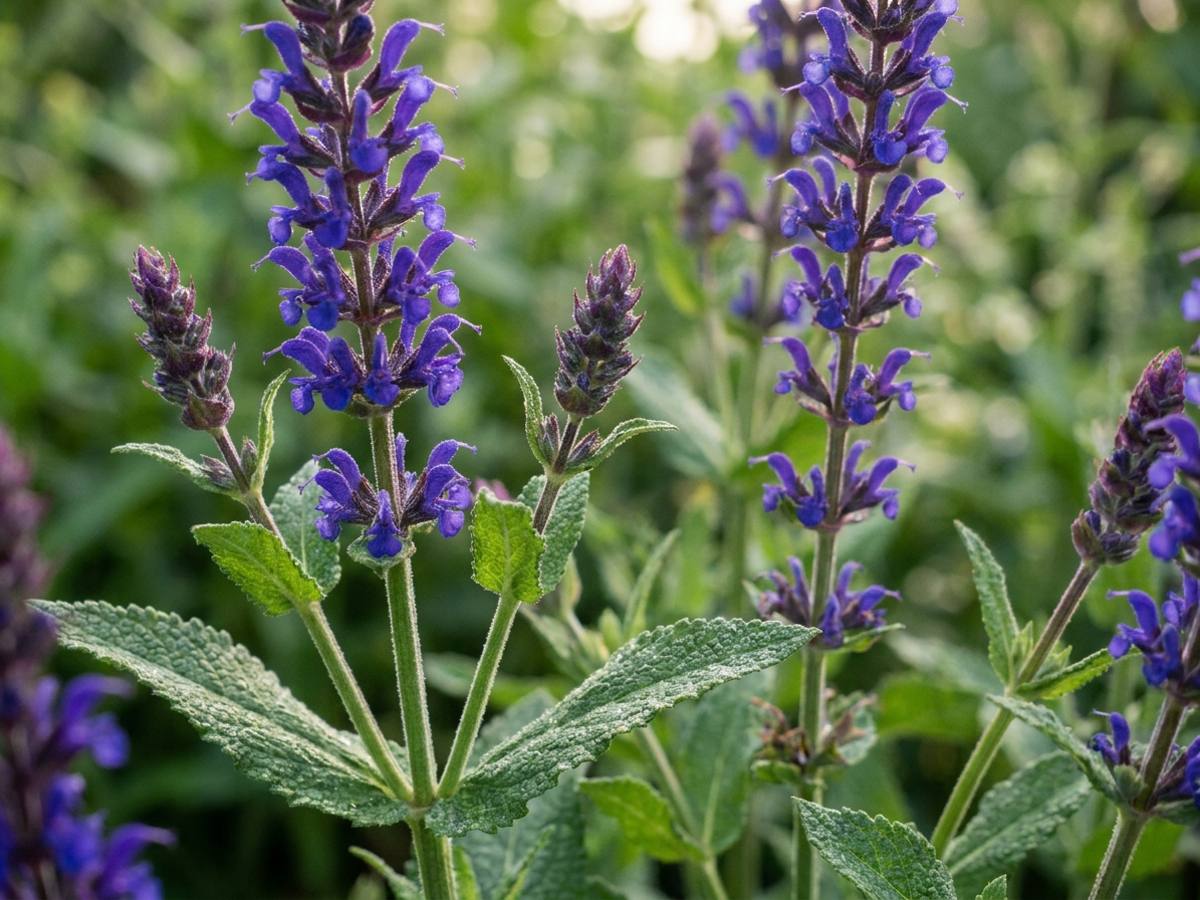
Veronicastrum virginicum, commonly known as Culver’s root or blackroot, is a tall, elegant North American perennial prized for its distinctive flower spikes and upright architectural form. The plant produces long, tapering racemes of tiny, pale lilac, pink, or white flowers that rise proudly above a base of glossy, whorled foliage. It brings height and a cottage-garden charm to borders whilst requiring minimal fuss once established.
Growing conditions
Culver’s root thrives in full sun to partial shade, ideally receiving at least six hours of direct sunlight daily for robust flowering. In hotter regions, light afternoon shade helps prevent scorching and keeps the plant fresher during summer drought stress.
This perennial prefers fertile, well-drained soil that retains moisture without becoming waterlogged. A slightly acidic to neutral pH of 6.0–7.0 suits it best, though it tolerates chalk and clay soils provided drainage is adequate. Amending the planting area with organic matter—such as well-rotted compost or leaf mould—encourages vigorous establishment.
Veronicastrum is fully hardy across Britain and Northern Europe, coping well with cold winters. In warmer climates, ensure consistent moisture during hot spells to prevent premature senescence.
How to plant Veronicastrum
Plant bare-root specimens in autumn or early spring; container-grown plants may be planted any time the soil is workable. Spring planting gives roots time to establish before summer demands.
Space plants 45–60 cm apart to allow for full, bushy growth without crowding neighbouring specimens.
Set the crown level with the soil surface; planting too deep risks rot, whilst shallow planting exposes the crown to frost.
Work in 5–7 cm of compost or composted bark into the upper 30 cm of soil before planting.
Water thoroughly after planting, then maintain consistent moisture for the first four weeks whilst roots establish.
Divide established clumps every four to five years in early spring or autumn to rejuvenate vigour and prevent decline.
Upright spikes bring height and cottage charm to borders
Which Culver’s root to choose
Cultivars of Veronicastrum virginicum differ mainly in height and flower colour, which decides whether they suit a small border or the back of a deep one. Use the table to settle on a plant before working out how to keep it upright.
Which Culver’s root to choose
Cultivar
Flower colour
Height
Best use
‘Temptation’
Pink
60–75 cm
Smaller borders; needs least support
‘Album’
Pure white
120–150 cm
Cooling effect in mixed borders
‘Erica’
Soft pink
Strong upright habit
Cutting
‘Lacinatum’
Pale lilac
90–120 cm
Foliage texture before flowering
Compact cultivars ask far less of you in an exposed garden than the towering forms.
Care through the seasons
Spring: As growth emerges, apply a balanced feed (10–10–10 NPK) or sprinkle bonemeal around the base. Mulch with 5 cm of compost to suppress weeds and conserve soil moisture. Deadhead any winter-damaged stems at ground level.
Summer: Water deeply during dry spells—the plant prefers consistent moisture and struggles if left parched. Tall varieties may require staking in windy gardens or on exposed borders; insert a sturdy cane or ring support early in growth. Avoid overhead watering in humid conditions to reduce powdery mildew risk.
Autumn: Cut back spent flower spikes once petals fade if you dislike self-seeding; leave them standing if wildlife food and winter structure appeal to you. In late autumn, cut back all growth to ground level and apply a 5 cm mulch of compost or shredded bark for winter protection in colder zones.
Winter: This hardy perennial requires no special protection in the UK. In extreme cold regions (USDA zone 3), an extra 5 cm of mulch helps safeguard the crown against frost heave.
Best varieties to grow
Several cultivars offer colour and size variation for different garden situations.
Veronicastrum virginicum ‘Temptation’ — Compact, reaching 60–75 cm, with striking pink flower spikes; ideal for smaller borders.
Veronicastrum virginicum ‘Album’ — Pure white flowers on plants 120–150 cm tall, creating an elegant, cooling effect in mixed borders.
Veronicastrum virginicum ‘Erica’ — A German cultivar with soft pink flowers and strong upright habit; excellent for cutting.
Veronicastrum virginicum ‘Lacinatum’ — Finely cut foliage adds textural interest before flowers appear; pale lilac blooms on 90–120 cm stems.
Pests, diseases and common problems
Powdery mildew: Whitish coating on leaves, worst in humid, crowded plantings. Improve air circulation by thinning stems, avoid overhead watering, and spray with organic fungicide (sulphur or neem oil) if severe.
Rust: Orange pustules on leaf undersides indicate rust infection. Remove and bin affected leaves immediately; apply sulphur-based fungicide if infection spreads.
Root rot: Plants wilt despite moist soil, indicating waterlogged conditions or fungal decay. Improve drainage and avoid planting in heavy clay without amending; severely affected plants must be removed and the area left fallow briefly.
Slugs and snails: Young shoots are nibbled in spring, though established plants recover quickly. Hand-pick pests, encourage ground beetles with habitat, or use organic slug pellets sparingly around the base.
Flopping or leaning: Tall plants bend or fall over in wind or from over-feeding. Stake early, avoid excess nitrogen, and avoid planting in wind-exposed sites without shelter.