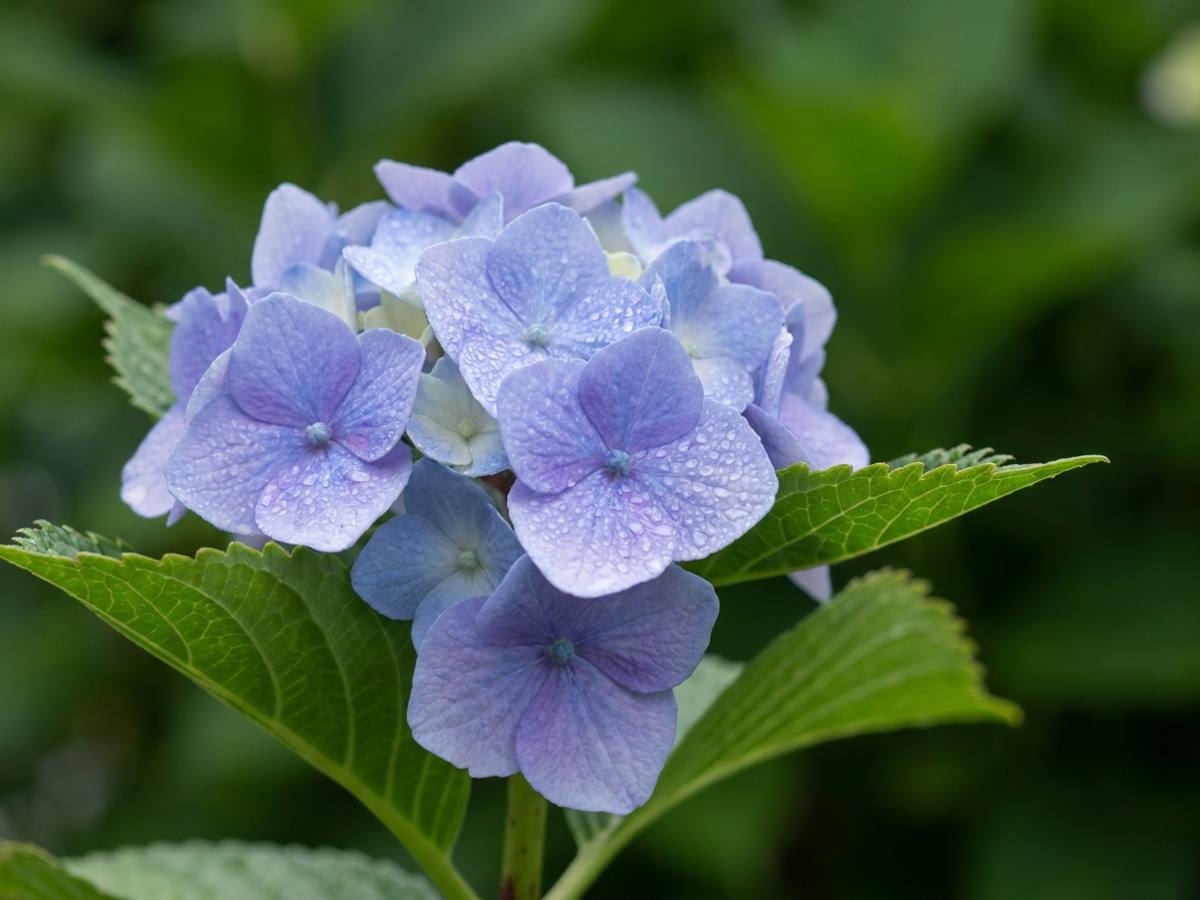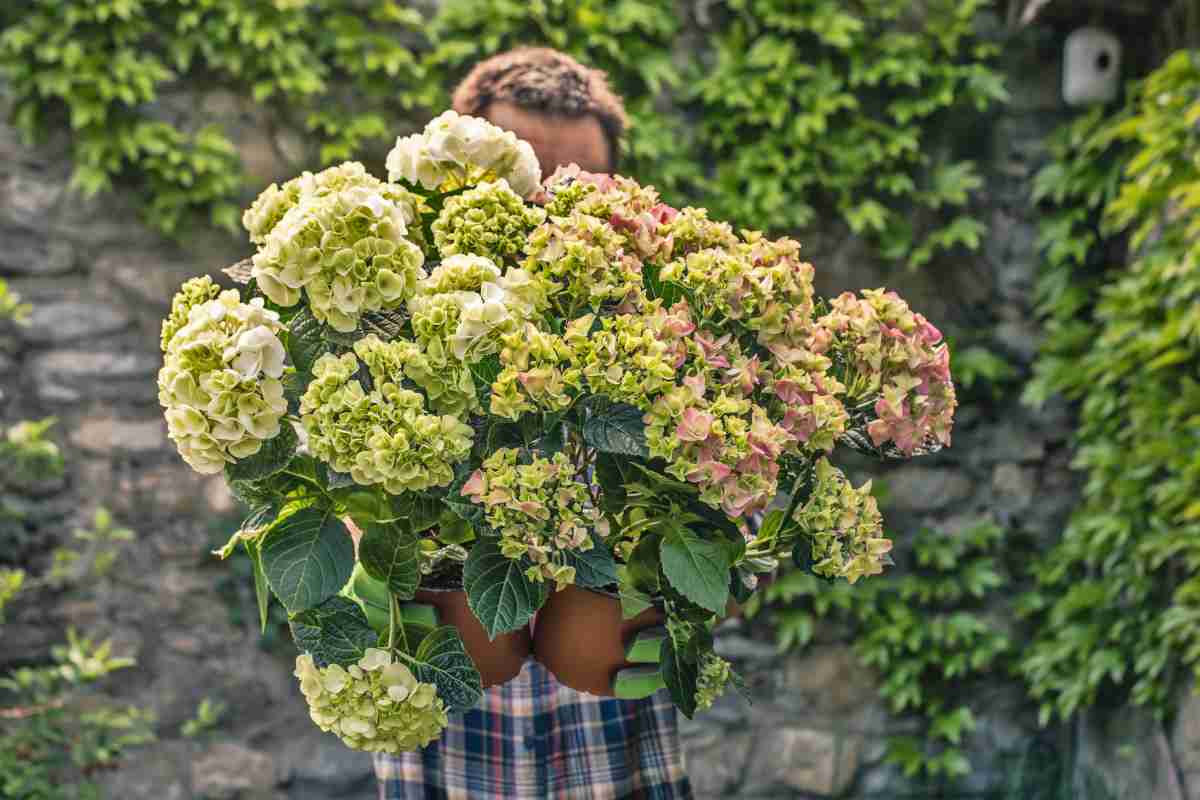
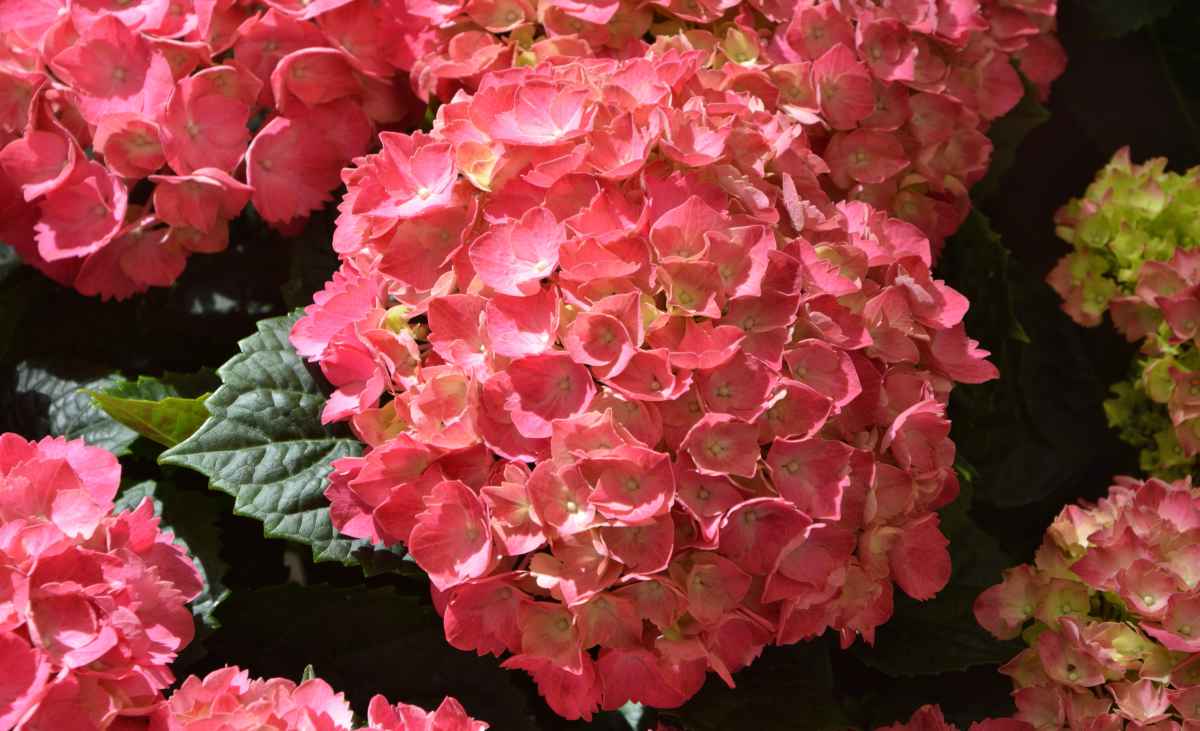
Great round flowerheads in fuchsia, pink or blue open at the start of summer and hold on until autumn, when they fade to an almost golden tone. The hydrangea (Hydrangea macrophylla) is one of the most decorative shrubs for a shaded garden, bed, hedge or balcony pot — match the soil acidity and the colour follows.
They generally bloom from the beginning of summer to the end of fall. Native to Asia, hydrangeas are now grown everywhere.
Read also:
Soil acidity is what determines the color of their flowers. This is why some plants boast elegant fuchsia colors and others are in hues of blue.
Hydrangeas are appealing whatever the color of their flowers. They are perfect for shaded spots and bring touches of bright colors to enlighten those darker corners.
Clearly, hydrangeas, or Hydrangea macrophylla as their latin name goes, are among the most decorative shrubs in any garden.
In flower beds beneath majestic deciduous trees, as part of seaside flowered hedges, or climbing on a north-facing wall, they sooth our view with their round flowers that turn almost golden in the fall. These are not their only strengths… Hydrangeas are also very comfortable in pots for those who have a balcony instead of a garden.
Finally, they require very little care and maintenance. Prune once a year, after the last frost spells around March, as this will help boost flower-bearing. Cut branches older than three years at the base, near where young shoots emerge, to lighten up the hydrangea’s silhouette and spur the growth of these new shoots. Also, at the end of fall, remember to cut wilted flowers.
Hydrangeas ask for very little, but the little they ask falls at set moments of the year. Here are the jobs the article describes, and the season each belongs to.
| Task | When | What to do |
|---|---|---|
| Planting in autumn | early to mid-autumn | Plant while the soil is still warm, then mulch well before winter |
| Planting in spring | early spring | Wait until the last frost spells have passed |
| Annual pruning | early spring | Cut branches older than three years at the base, near the young shoots |
| Tidying spent blooms | late autumn | Cut the wilted flowers off |
| Scale insect prevention | midwinter | Apply an organic scale-insect spray as a preventive treatment |
Keep to those few dates and the shrub will largely look after itself.
Their many assets have convinced you to indulge and you have also fallen victim to the hydrangea’s charms…
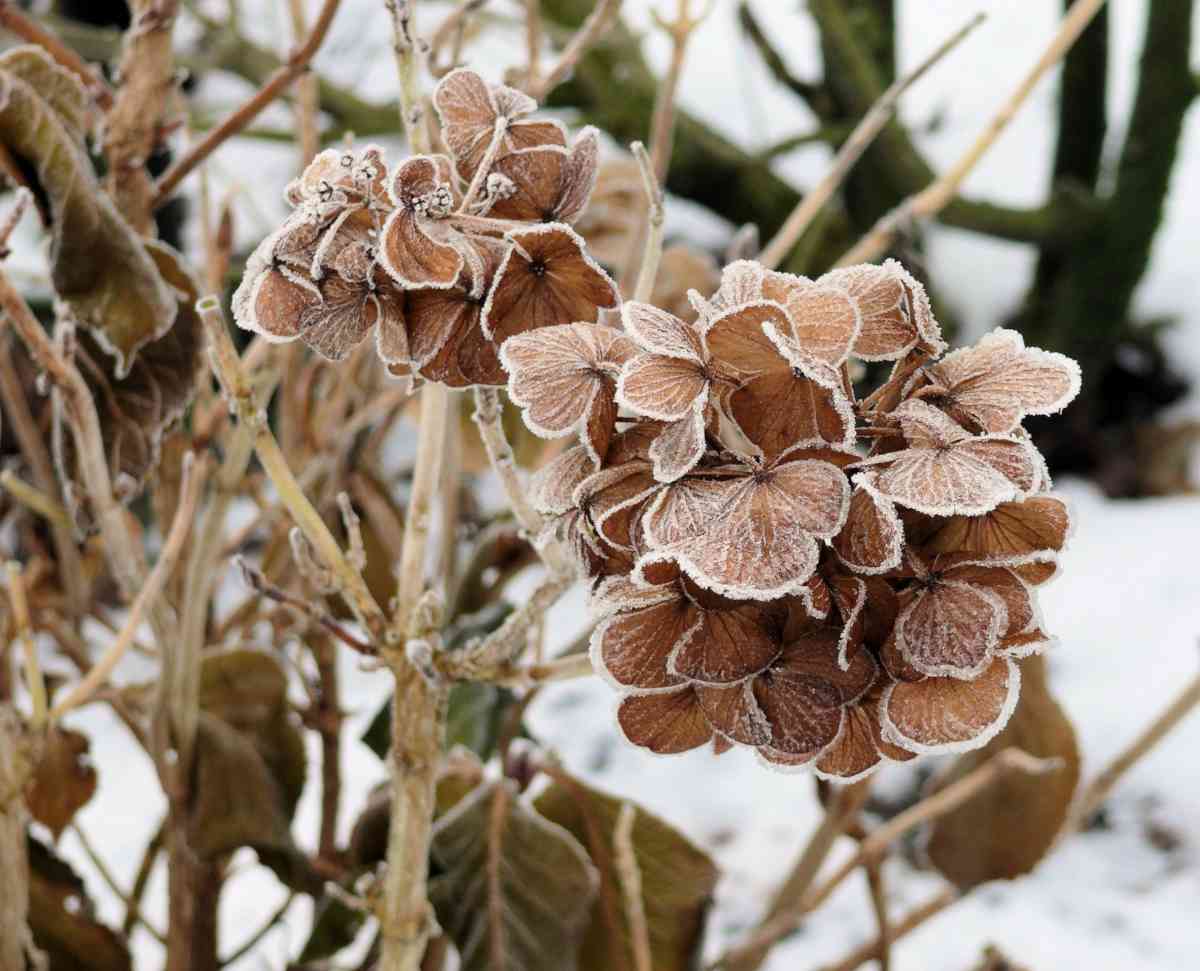
Make the best of either of two most favorable seasons to plant them in your garden:
Once your hydrangea has settled in, check on it every once and a while…
This type of shrub regularly comes under attack by scale insects. If so, you’ll find white balls on stems, or leaves will turn black. To avoid this, go for a winter treatment of scale-insect organic spray.
→ Discover: a video on how to prune hydrangeas
Read also:
Yes, hydrangeas are very comfortable growing in pots on balconies, making them an excellent choice for those without a garden. They perform well in container growing alongside their traditional garden bed uses.
Prune hydrangeas once a year after the last frost spells around March to boost flower-bearing. Cut branches older than three years at the base near where young shoots emerge, and remove wilted flowers at the end of fall to lighten the plant’s silhouette and encourage new growth.
Scale insects regularly attack hydrangeas, causing white balls on stems or blackened leaves. To prevent infestation, apply a winter treatment of scale-insect organic spray.
Soil acidity determines hydrangea flower color—acidic soil produces blue flowers, while neutral or chalky soil results in pink to red hues. The more acidic the soil, the bluer the flowers will be.
Plant hydrangeas from the beginning of September through fall while soil is still warm (mulch well before winter), or in early spring once the last frost spells have passed. These are the two most favorable seasons for planting.