New Zealand spinach, grow Tetragonia in your garden
·
0
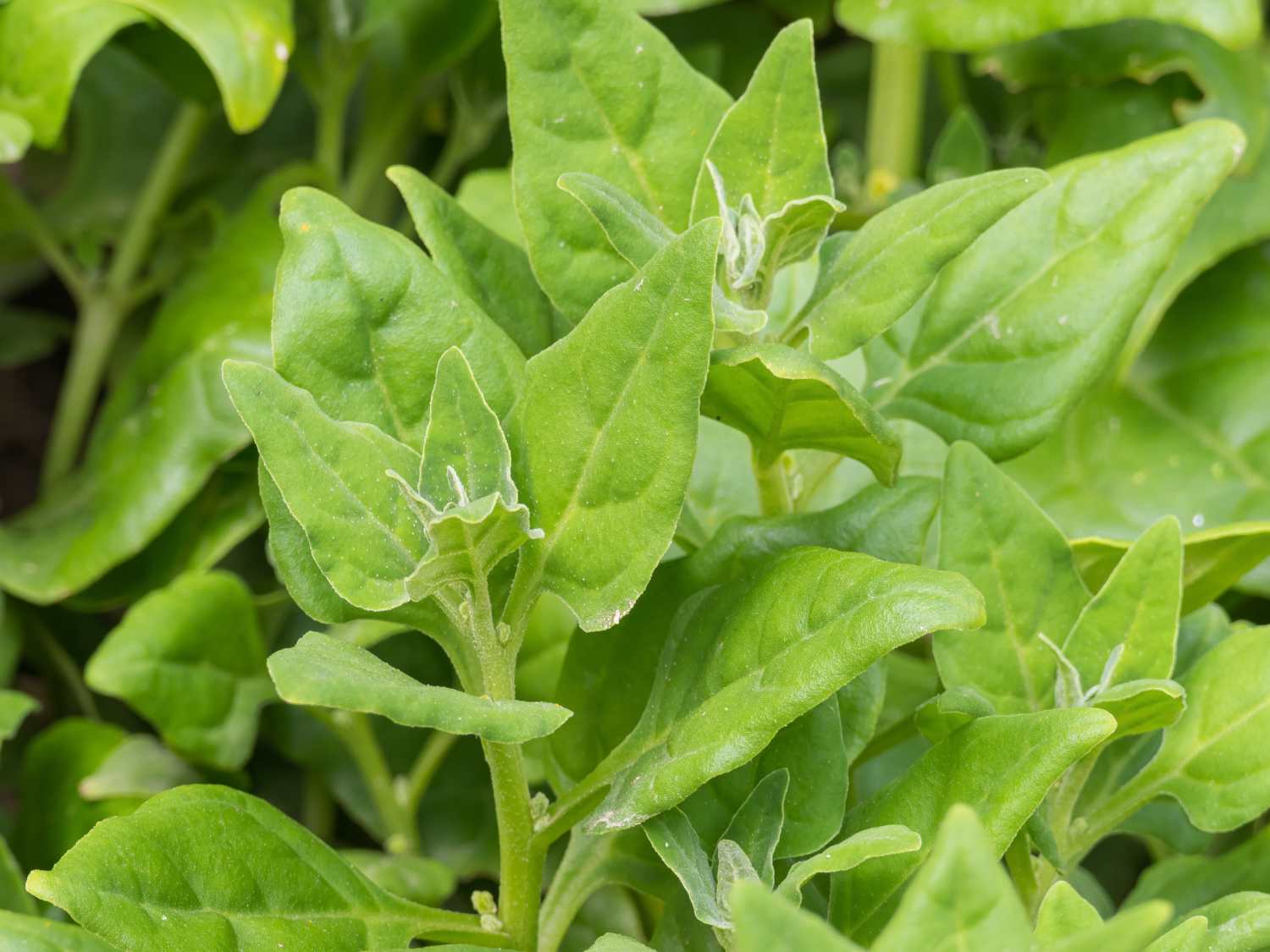
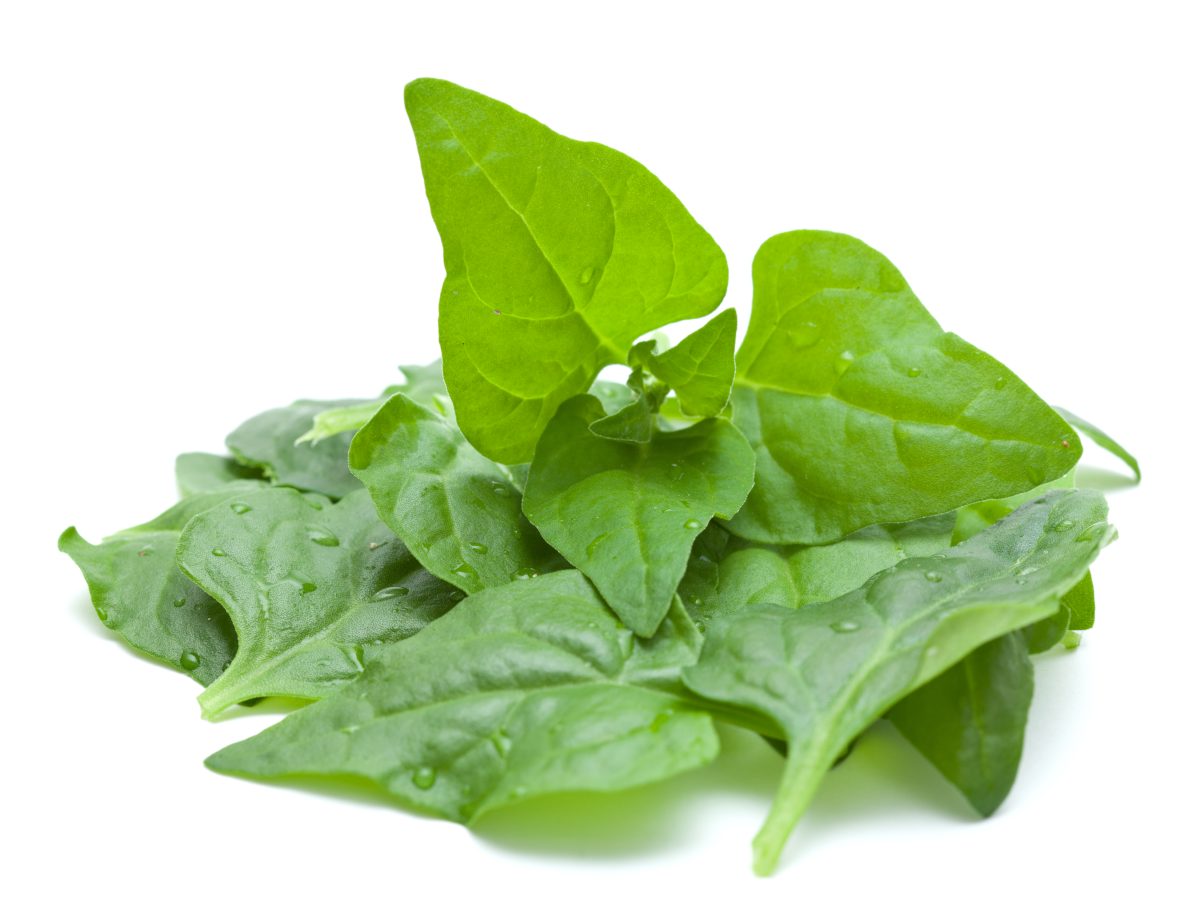
Soft, spinach-like leaves on an annual that reaches about a metre, New Zealand spinach (Tetragonia tetragonoides) is grown for greens eaten raw in salads or cooked exactly like spinach. It shrugs off heat and dry spells, but give it full sun, humus-rich soil and water in drought and it out-produces true spinach.
New Zealand spinach at a glance
Latin names
Tetragonia expansa, Tetragonia tetragonoïdes
Common names
tetragonia, New Zealand Spinach
Family
Aizoaceae
Type
Leafy vegetable
Height
about 3.3 feet (1 m)
Planting distance
32 inches (80 cm)
Exposure
Sunny
Soil
limestone to neutral, light, rich in humus
Planting
April-May
Harvest
July to October
Spin your garden game up with Tetragonia, a brilliant annual plant. It’s easy to grow, doesn’t care for drought, and is more productive than traditional spinach.
Its taste is nearly identical, and since it comes from New Zealand it’s also dubbed “New Zealand spinach.”
Planting Tetragonia
Tetragonia doesn’t ask for much, but it loves well-worked soil. So, during the fall before planting, take time to amend and till the soil. You’ll be happy to know it’s a vegetable that loves growing in full sun, in a warm spot.
Key soil preparation steps:
Soak the seeds 24 hours before sowing
Here’s how you ready your garden for New Zealand spinach:
Got clay-heavy soil? Mix in some sand. And over the winter, if you’ve got a fireplace, sprinkle some of your wood ashes.
Loosen the soil with a spading fork. If you’re afraid of back problems, go for a broadfork which has better ergonomics.
Seed sowing and planting:
For planting New Zealand spinach, you’ve got two options:
Directly in the ground
Around mid-spring, April-May, soak seeds for 24 hours. Next day, line them up in a row or seed holes. They need their space — plant them apart by at least 32 inches (80 cm).
Start indoors and transplant
Another option is to kick things off early spring, in March. After a 24-hour seed soak, sow them into pots or trays. Use a mix of potting soil and sand. Once they show 2 or 3 leaves, select the more vigorous ones transfer them to the growing bed. Tip: wait for any frosts to end first.
Tetragonia from soil preparation to harvest
The whole season of New Zealand spinach fits into a handful of dates. Use the table to decide when to prepare the bed, which sowing method suits you, and when the picking begins.
Tetragonia from soil preparation to harvest
Stage
When
What to do
Soil preparation
The autumn before planting
Amend and till the bed, adding humus and loosening with a spading fork or broadfork
Sowing indoors
Early spring, March
Soak seeds 24 hours, sow in pots or trays of potting soil and sand
Sowing in the ground
Mid-spring, April-May
Soak seeds 24 hours, then sow in a row or seed holes 32 inches (80 cm) apart
Transplanting
After the last frosts
Move the most vigorous seedlings to the growing bed once they show 2 or 3 leaves
Harvest
July until the first frosts
Pick the leaves; they keep in the fridge for a few days
Sowing under cover in March simply brings the first pickings forward; both methods end in the same long harvest.
Caring for and growing New Zealand Spinach
Watering in dry spells keeps production high
Tetragonia thrives in heat and can stand up to dry spells, but it still requires water to truly flourish and reach maximum productivity.
So, keep an eye on watering, especially during long-lasting dry spells.
Pests and diseases:
Tetragonia shows great resilience to diseases. Beware of snails and slugs. They just can’t resist those tender young shoots. It’s like candy to them.
On bushy herbs with branching stems, such as basil or mint, pinching out the shoot tips encourages side shoots and a leafier plant; avoid this with rosette-forming or single-stemmed species.
A mulch of straw or grass clippings around the base keeps the soil cool and cuts how often you need to water during hot weather.
Tetragonia self-seeds readily and seedlings will pop up around the old bed to be kept or hoed off as you please.
Harvesting and storing
Depending on when you sowed your seeds, harvest can start in July, and continue until frost starts nipping at the leaves (around October or November). After picking, these greens can keep in your fridge for a few days.
Blanch the leaves briefly and discard the water before freezing, since this leaches out some of the soluble oxalates in tetragonia and helps mellow the sharpness of the raw leaves.
With New Zealand spinach (Tetragonia tetragonioides), leave a few shoots unpicked at the end of the run: the hard, horned fruits will drop and often self-sow in the same bed.
Cooking with New Zealand spinach
Leaves are eaten raw in salads or cooked
Whether cooked or raw, these spinach-like leaves fit into a variety of tasty dishes:
Blanch the leaves briefly in boiling water and discard that water, since this leaches out much of the soluble oxalate in New Zealand spinach, leaving the cooked greens milder and less astringent.
Blanched leaves freeze well once squeezed dry, so a heavy picking need not go to waste.
Images: 123RF: David Jalda, vaivirga; adobestock: Tamara Kulikova
Written by Christophe Dutertre | With a formal degree in landscaping and an informal love of gardens, Christophe will introduce you to this passion we all share. Novelty, down-to-earth tips and environment-friendly techniques are marked on the map, so let's get going!