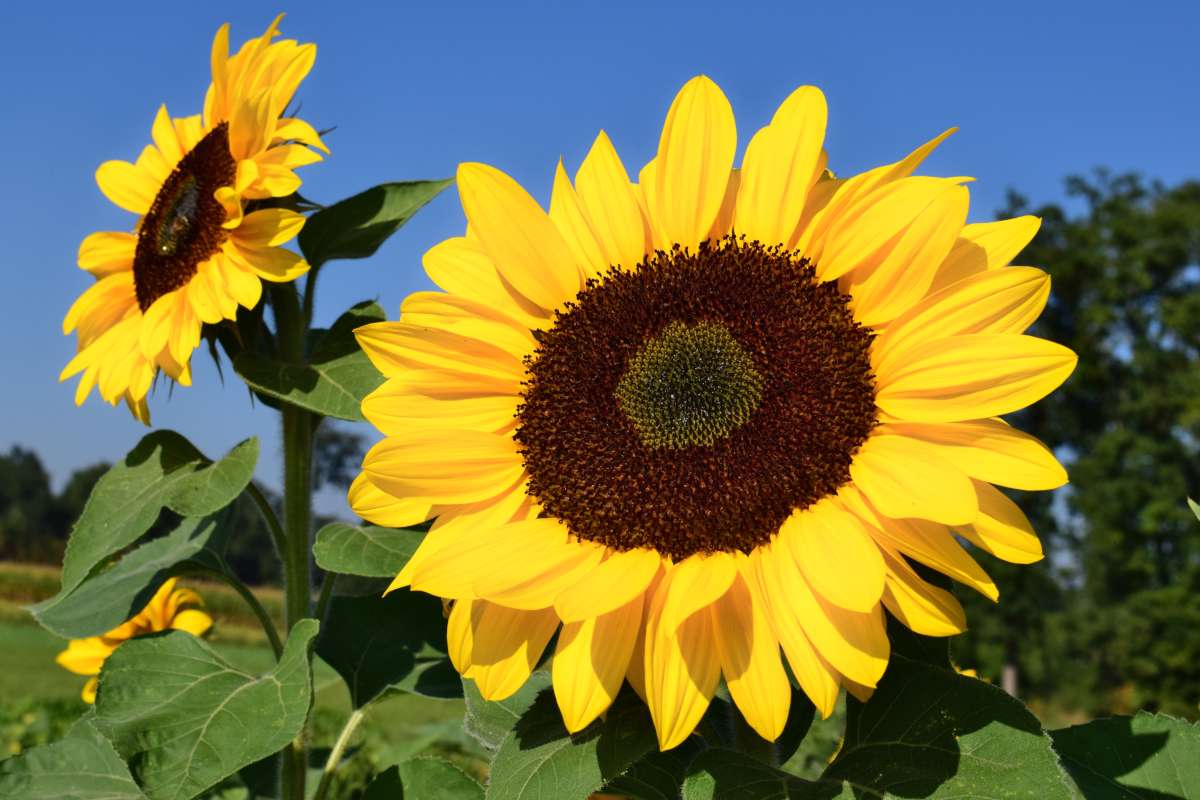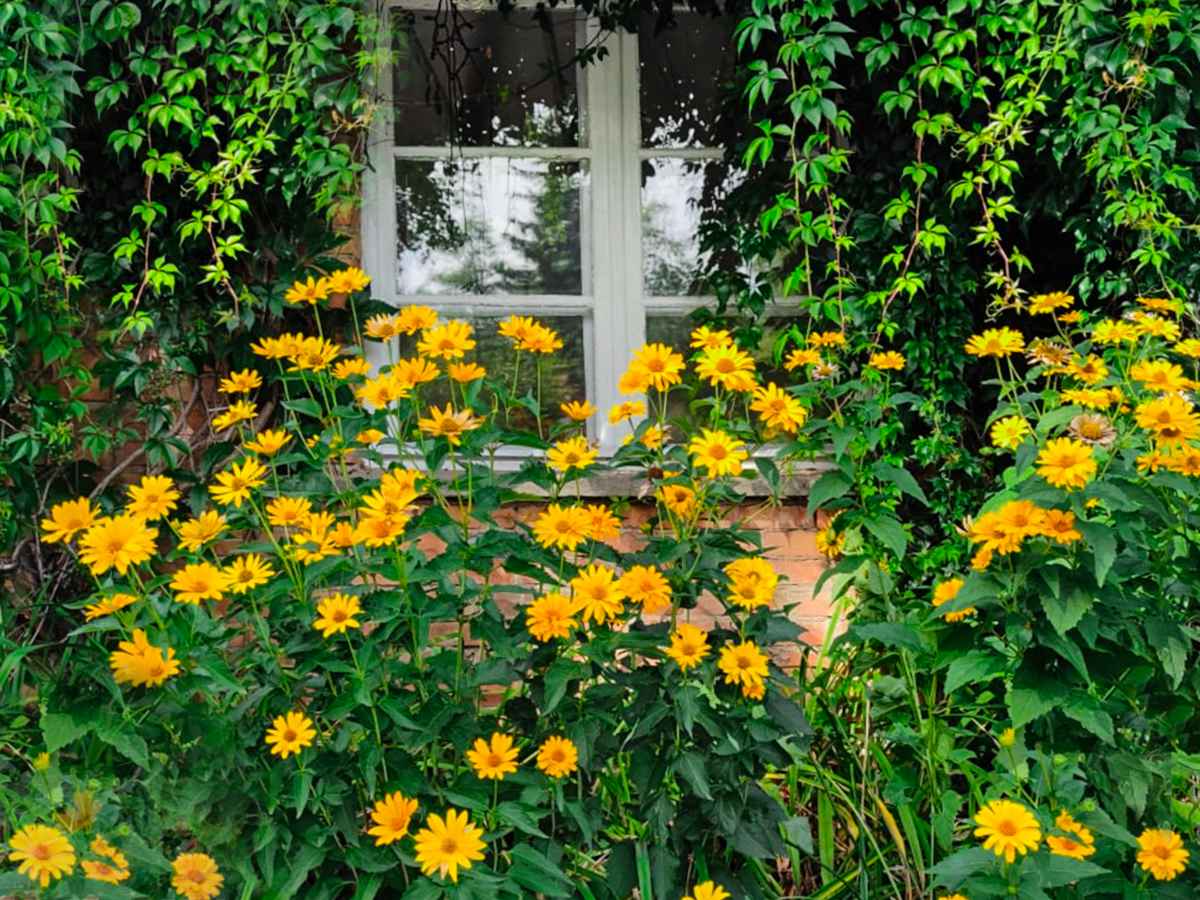
A gold yellow that nothing else in the garden quite matches, on generous daisy flowers from summer through to early autumn: rudbeckia is as good in a hedge or a bed as it is in a bouquet. Water it through summer, ideally under a mulch, and the same clumps will keep colouring the garden for years.
| Name | Rudbeckia |
|---|---|
| Family | Asteraceae |
| Type | perennial or annual |
| Height | 12 to 32 inches (30 to 80 cm) |
| Exposure | full sun |
| Soil | rich enough |
| Flowering | summer to early fall |
Don’t be afraid of planting loads of them because their decorative impact is guaranteed and care is so easy. Its yellow color is unique in the garden!
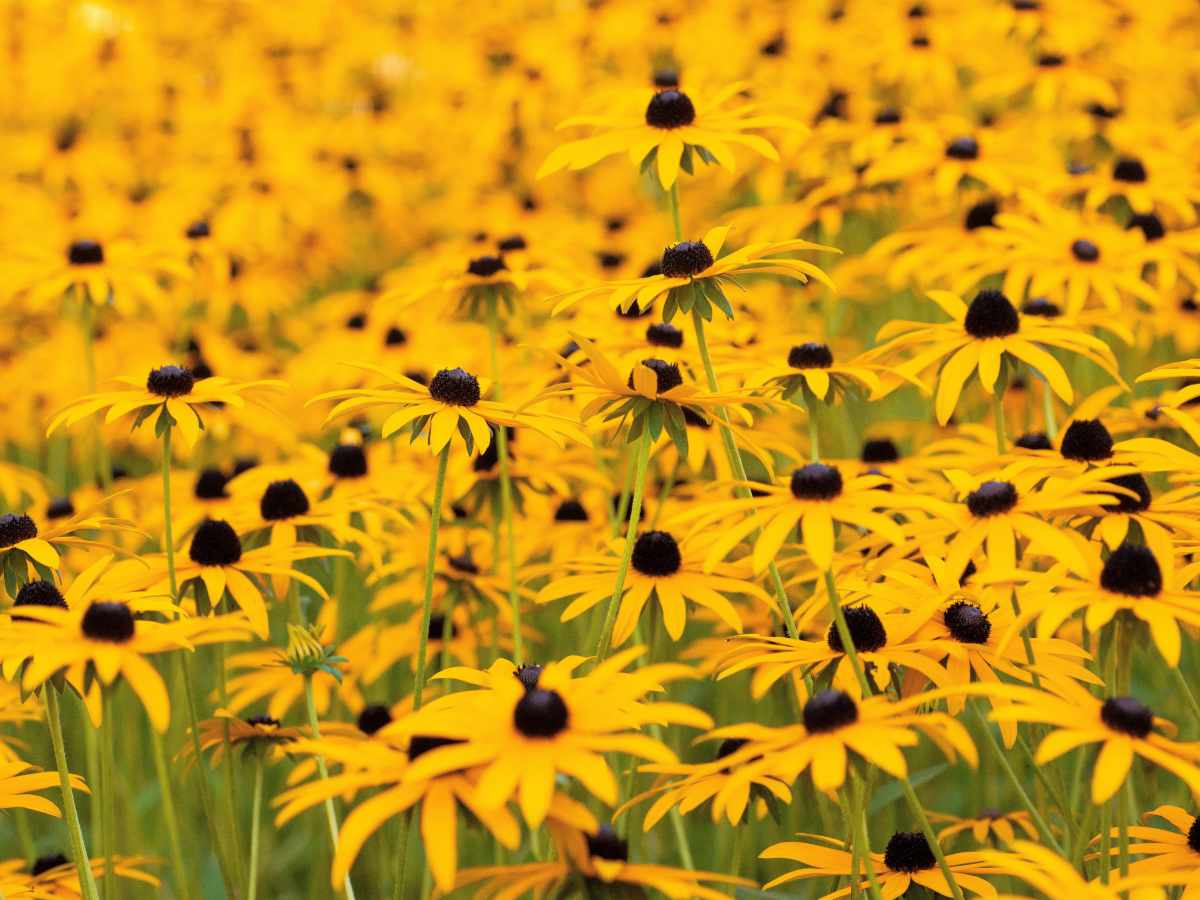
First, the perennials: it is recommended to plant them in spring in a blend of soil mix and garden soil, with a distance of about 16 inches (40 cm) between plants.
For annuals, proceed to covered sowing during the month of March or sow directly in the plot starting in April.
In the first case, transplant to nursery pots in April and set in place during the month of May.
Usually, gardeners multiply their rudbeckia by dividing the clump.
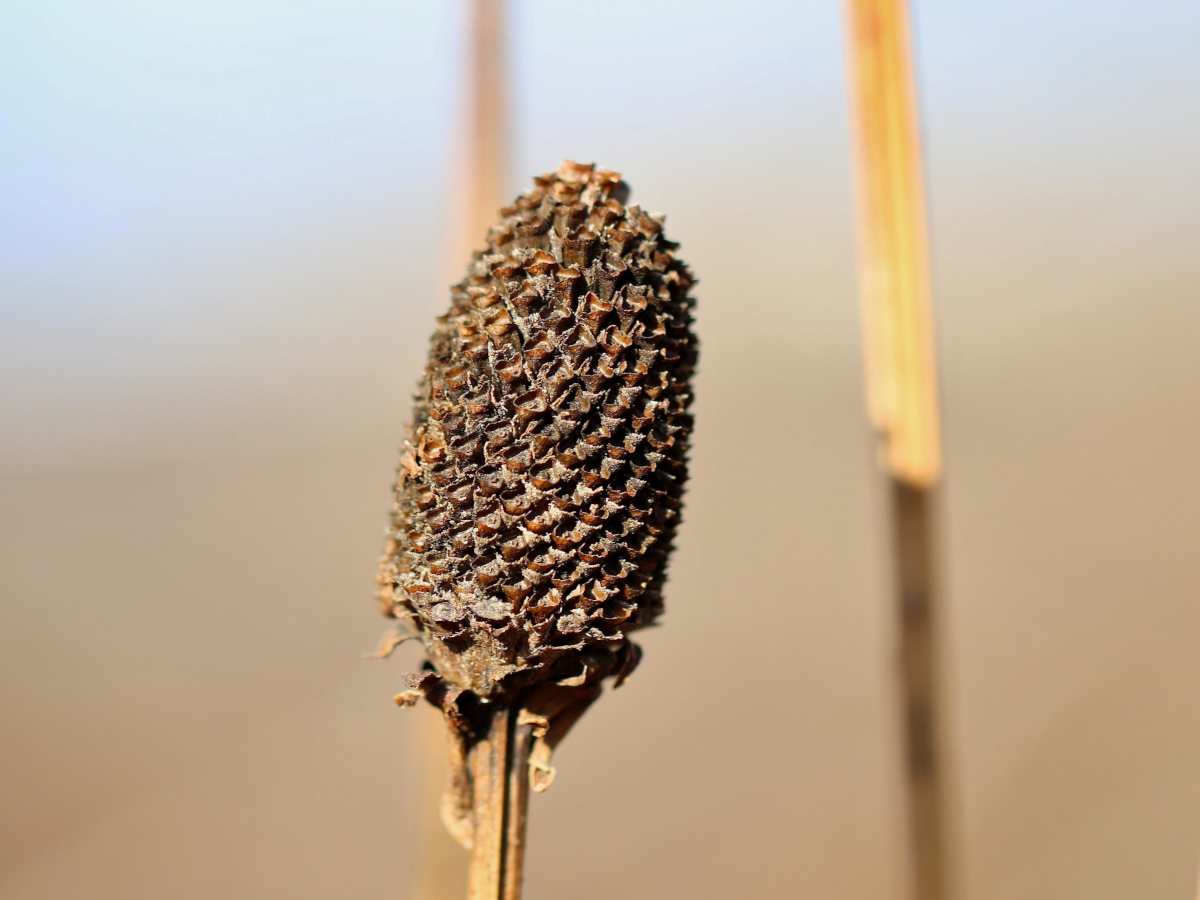
An alternative is keeping and sowing seeds:
To boost flower-bearing, remove wilted flowers regularly (deadheading).
In fall, it is possible to cut back the clump of perennials to let them keep a tight, dense bearing. They’ll burst back to life in the following spring even more, and anyhow don’t have much ornamental value during winter.
Rudbeckia has huge needs in water, especially in summer. Proper mulch will help avoid a good deal of watering chores since it helps retain moisture in the ground.
Perennial and annual rudbeckia are not handled the same way, and each job has its own moment. Annuals can also be sown straight into the plot from April instead of being started under cover.
| Job | When | How | What it gives you |
|---|---|---|---|
| Planting perennials | Spring | Blend of soil mix and garden soil, about 16 inches (40 cm) between plants | Clumps that come back year after year |
| Sowing annuals under cover | March | Transplant to nursery pots in April, set in place in May | Plants ready to flower the same summer |
| Dividing the clump | Fall or beginning of spring | Crown division, repeated every 3 to 4 years | More plants, and renewed blooming on older specimens |
| Saving seed | After flowering | Keep a few flowers on the plant so they go to seed, then sow as above | Free plants for the following season |
| Cutting back | Fall | Cut the clump of perennials down | A tight, dense habit and stronger regrowth in spring |
| Deadheading | All through flowering | Remove wilted flowers regularly | More flowers over a longer season |
Spread over the year, these few jobs are all the care rudbeckia asks for.
Rudbeckias range from knee-high edging plants to back-of-border giants, and some are true perennials while others are grown as annuals from seed. The table below sets the most widely sold varieties side by side.
| Variety | Type | Flower | Best use |
|---|---|---|---|
| ‘Little Goldstar’ | Perennial | Golden yellow, dark eye | Front of border, pots |
| ‘Goldsturm’ | Perennial | Golden yellow, black eye | Borders, mass planting |
| ‘Cherry Brandy’ | Annual from seed | Deep red, dark eye | Cutting, containers |
| ‘Marmalade’ | Annual from seed | Deep orange-gold, black eye | Bedding, cutting |
| ‘Toto’ | Annual from seed | Gold yellow, brown eye | Pots, window boxes |
| ‘Goldquelle’ | Perennial | Double yellow pompon | Borders, cutting |
| ‘Prairie Sun’ | Annual from seed | Yellow, green eye | Cutting, large beds |
Whatever the configuration – hedge, bed or bouquet – the rudbeckia will enchant you with the beauty of its flowers.
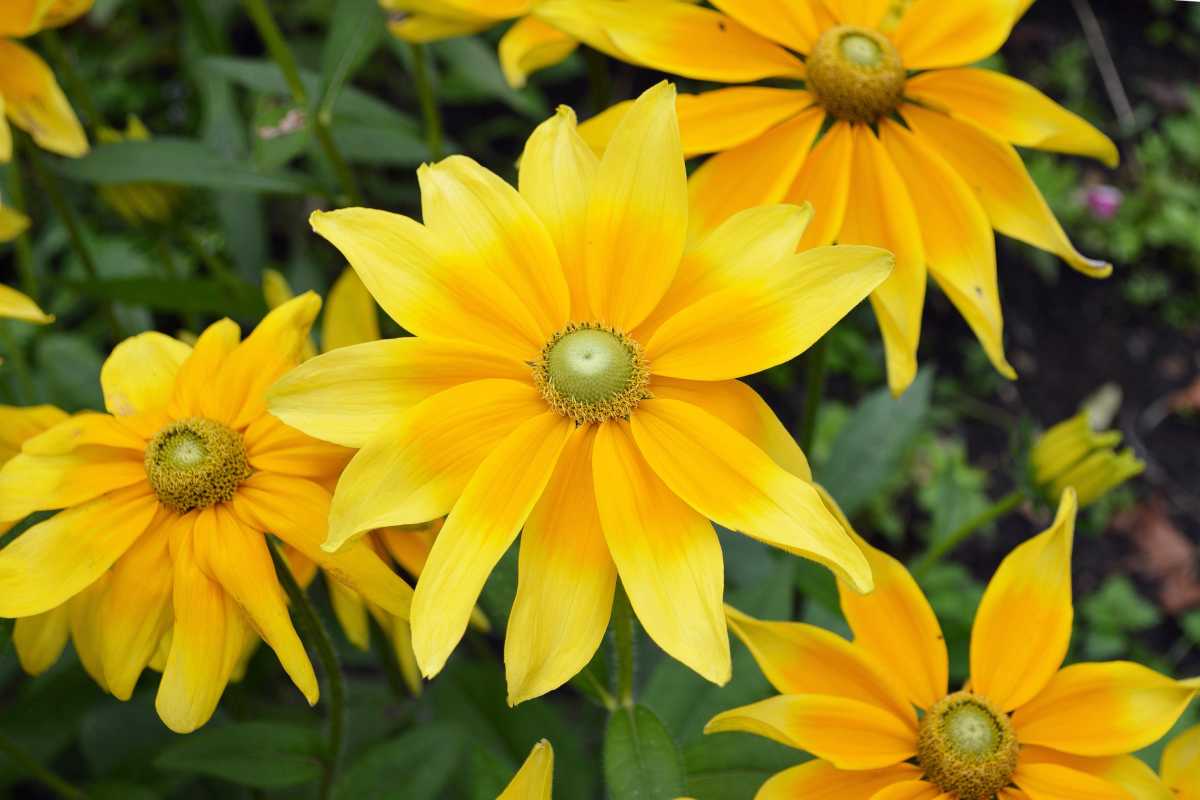
With a distinctive gold yellow color and quite a long lifespan, this plant, perennial or annual, will bring a magnificent touch of color to your garden, terrace or home indoors.
If you love butterflies and you wish to attract them to your garden, plant rudbeckia!
Lastly, if you prefer purple flowers, select the purple variety of rudbeckia called Echinacea purpurea.
This yellow daisy is easy to grow and doesn’t require any specific amendments.
Watering must be reduced to the barest: simply in case of hot weather and very dry air.