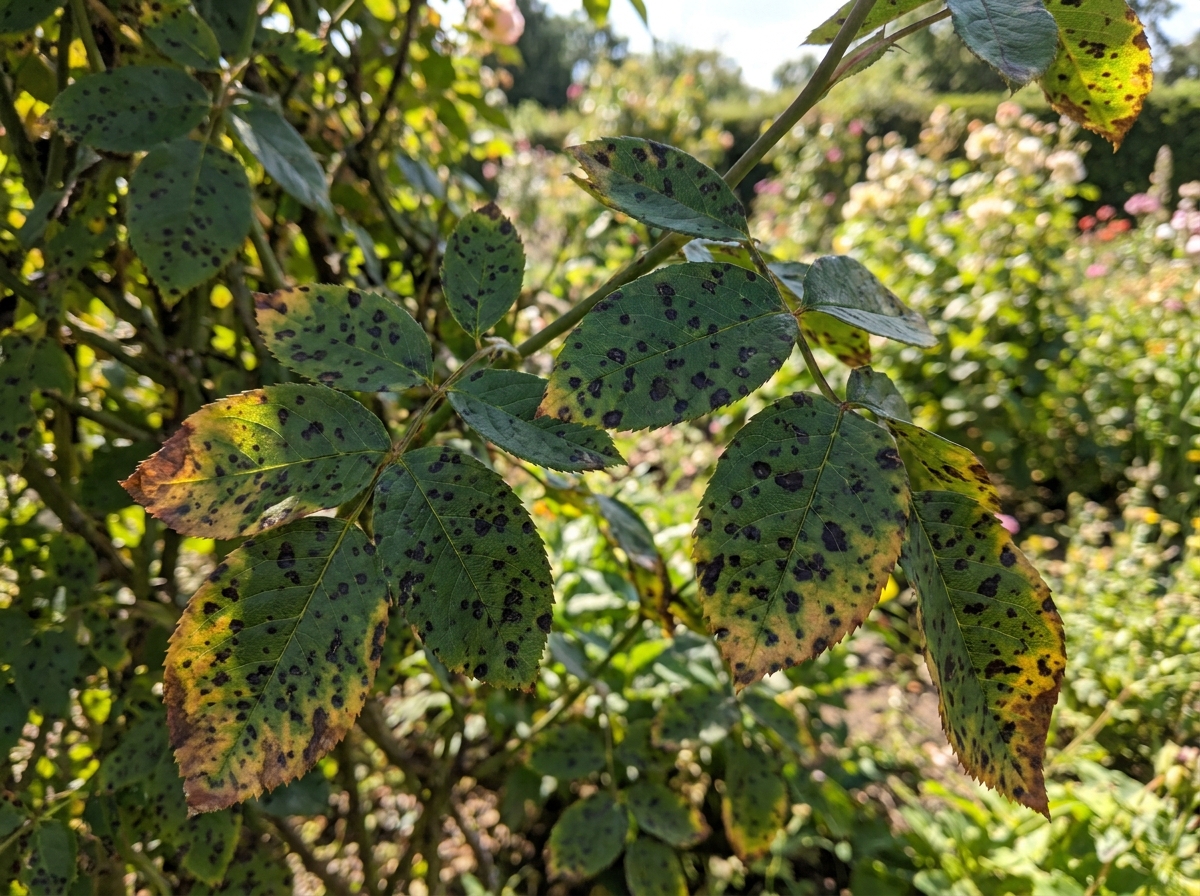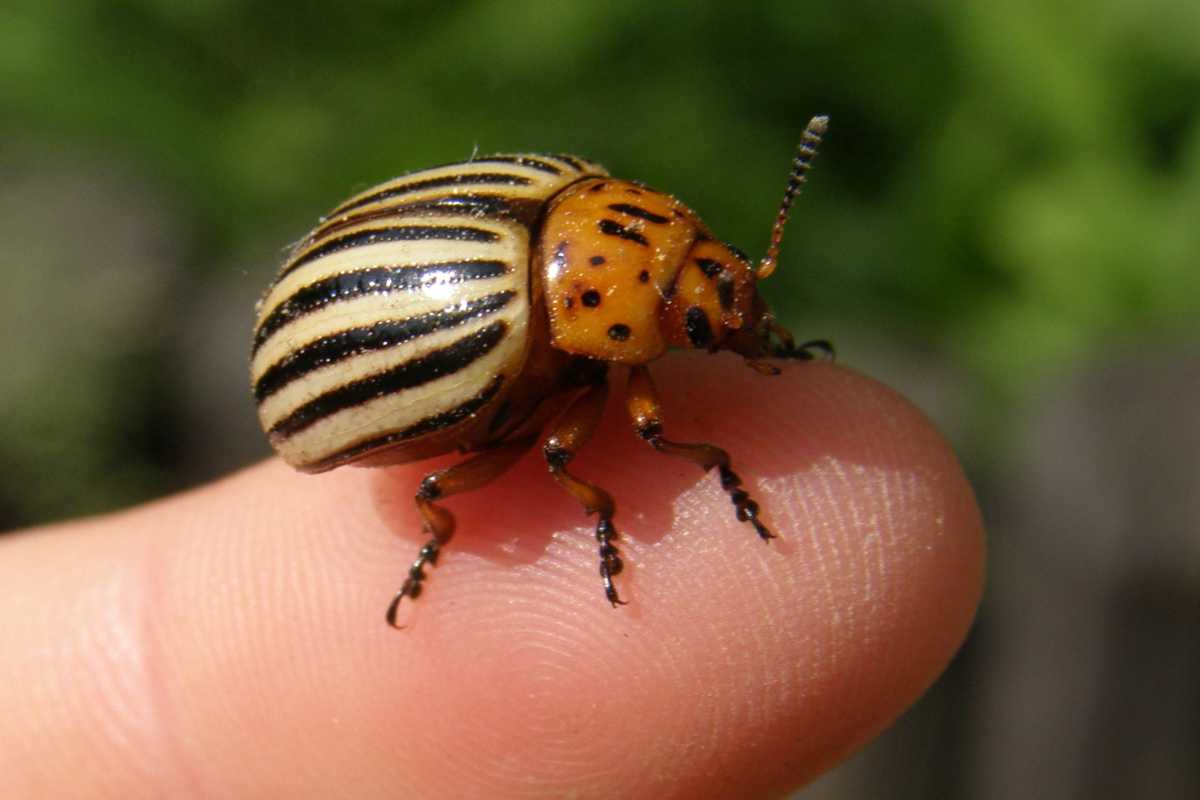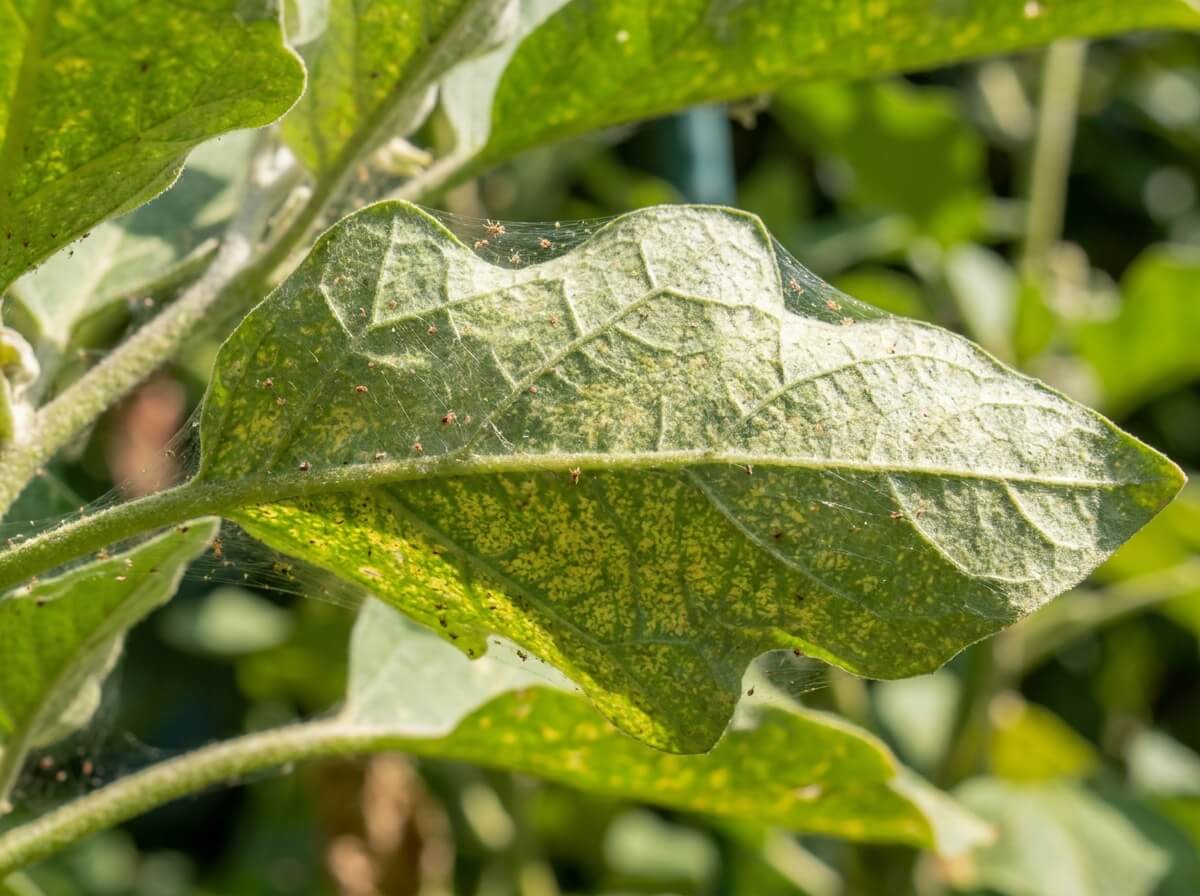
Those pale, stippled leaves? It’s not a watering issue. Look closer. On the leaf’s underside, you’ll find tiny moving specks and a gossamer-fine webbing. That delicate shroud will feel almost powdery between your fingers. And it’s properly dodgy.
Red spider mites thrive in heat, low humidity, dry soil. That’s exactly what summer delivers. They shoot up in 8 days flat, and one overlooked plant becomes a whole-garden headache. And it spreads faster than you might expect.
Red spider mites (Tetranychus urticae) don’t wait for an invitation. They’re already in your garden, dormant, hardly visible. Waiting for the mercury to climb. Above 27°C (80°F), their reproductive cycle accelerates explosively. What took weeks in spring now takes mere days in a summer heatwave. The thing is, they’re lurking.
Drought-stressed plants? They are the ultimate target. When a plant is under water stress, its cell walls weaken. Mites pierce those cells and feast on the contents. Roses, tomatoes, cucumbers, strawberries, beans, and herbs like rosemary are consistently hit hardest. Indoor plants near sunny windows are completely vulnerable too. And with El Niño driving record summer temperatures this season, conditions are bang on for a mite explosion.
And the webbing comes later. You often don’t see it immediately. But by the time it’s clearly visible, the colony is already in the thousands. You’re properly behind by then. Don’t fall for it.
Mites feed by puncturing leaf cells and draining them. The damage looks like:
A lightly infested plant can lose 30% of its photosynthetic capacity in just 10 days. Fruiting plants like tomatoes, strawberries, and courgettes? Their productivity drops sharply. Quickly.
Severe infestations kill young plants outright. That’s a fact. The RHS classes heavy infestations as a non-negotiable threat to garden crops, particularly during prolonged dry spells. Pay attention.
Don’t wait for the webbing. It’s already a proper menace. You are far behind by then. No joke.
Start with the undersides of leaves. That’s where 90% of the population lives. Turn leaves over and look. If you see specks moving (bring a magnifying glass; they’re a mere 0.5mm across), act that same day. No dilly-dallying.
Your most potent organic options:
Skip broad-spectrum pesticides entirely. This method does not work. Skip it. They eliminate lacewings, predatory beetles, and other natural mite predators — and leave the mites themselves largely unharmed. You are wasting your time.
Yes, it seems counterintuitive. Worth it. The difference is night and day, trust us. It is bang on advice.
If you’re already dealing with other pest pressure this summer, the approach for organic aphid treatments on hibiscus overlaps nicely. Neem oil does wonders for both. Sorted.
Mite damage is sometimes mistaken for nutrient deficiency or sun scorch. Both cause yellowing and bronzing. But it’s a clear difference: mite damage stipples uniformly across the whole leaf surface. Nutrient deficiency tends to start at edges or between veins instead. That’s your clue.
Watch these situations especially closely:
Check weekly through summer. Always. Turn a leaf, then run a fingertip across the underside. Be thorough.
Faint gritty texture. Tiny specks. The ghost of webbing, just starting to form — catch it there, and you’ve won. Fail to act, and you are properly out of luck.
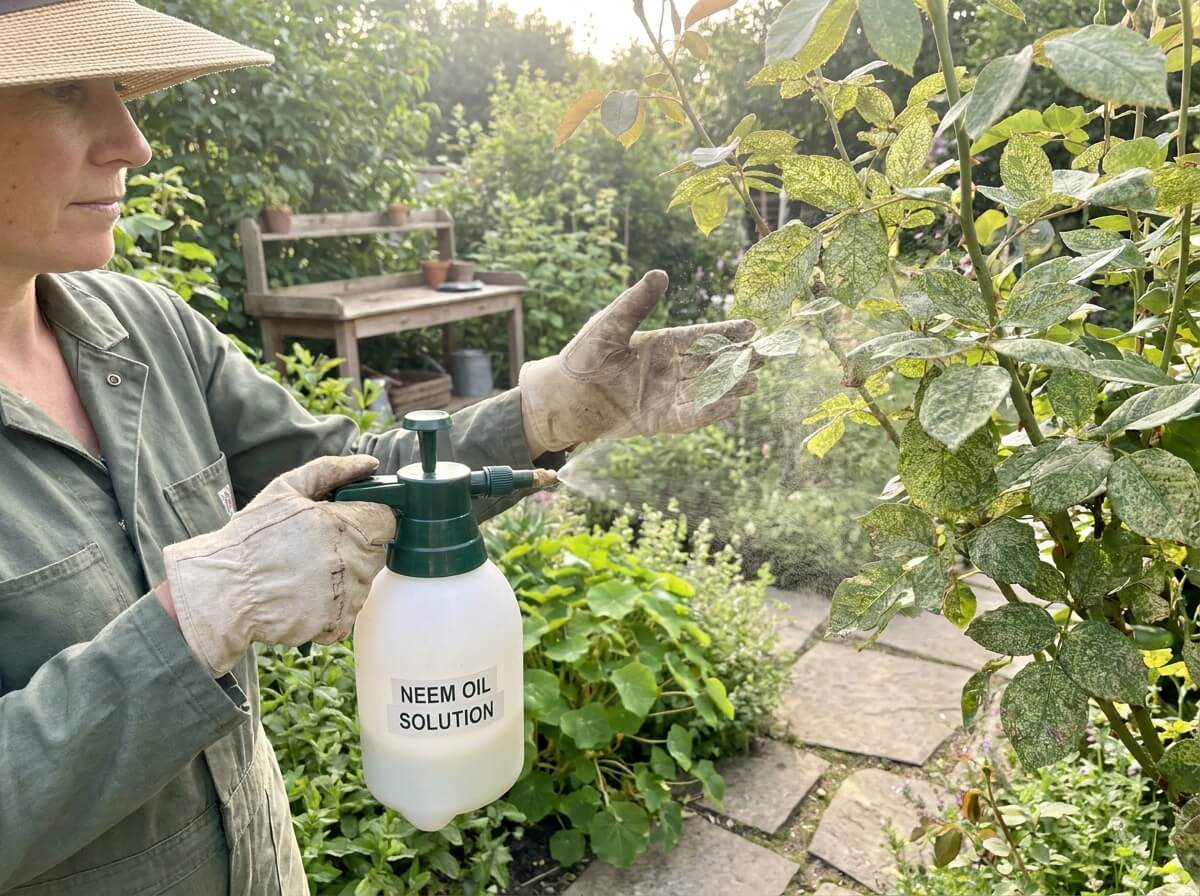
Smart tip: Always spray neem oil in the evening. Morning or midday application simply causes leaf scorch under summer sun. No debate.
Just barely. They appear as tiny orange or red specks, about 0.5mm long. But a magnifying glass makes identification much faster and properly reliable. Yes, you will need one.
Absolutely. They hitchhike on clothing, tools, and any plant moved indoors. It’s their speciality.
Inspect every plant before bringing it inside, and quarantine new purchases for 7 days.
You’ll see a reduction in active mites within 48 hours of the first application. But full control? That requires at least 3 treatments, 4 days apart. It’s the only way to break the egg cycle. Don’t cut corners.
Yes. Females overwinter in bark, leaf litter, and soil, emerging when temperatures rise above 12°C (54°F). Clearing dead plant debris in autumn does wonders for reducing next season’s starting population. It truly helps.