Luma apiculata: expert tips for growing this evergreen Chilean myrtle
0
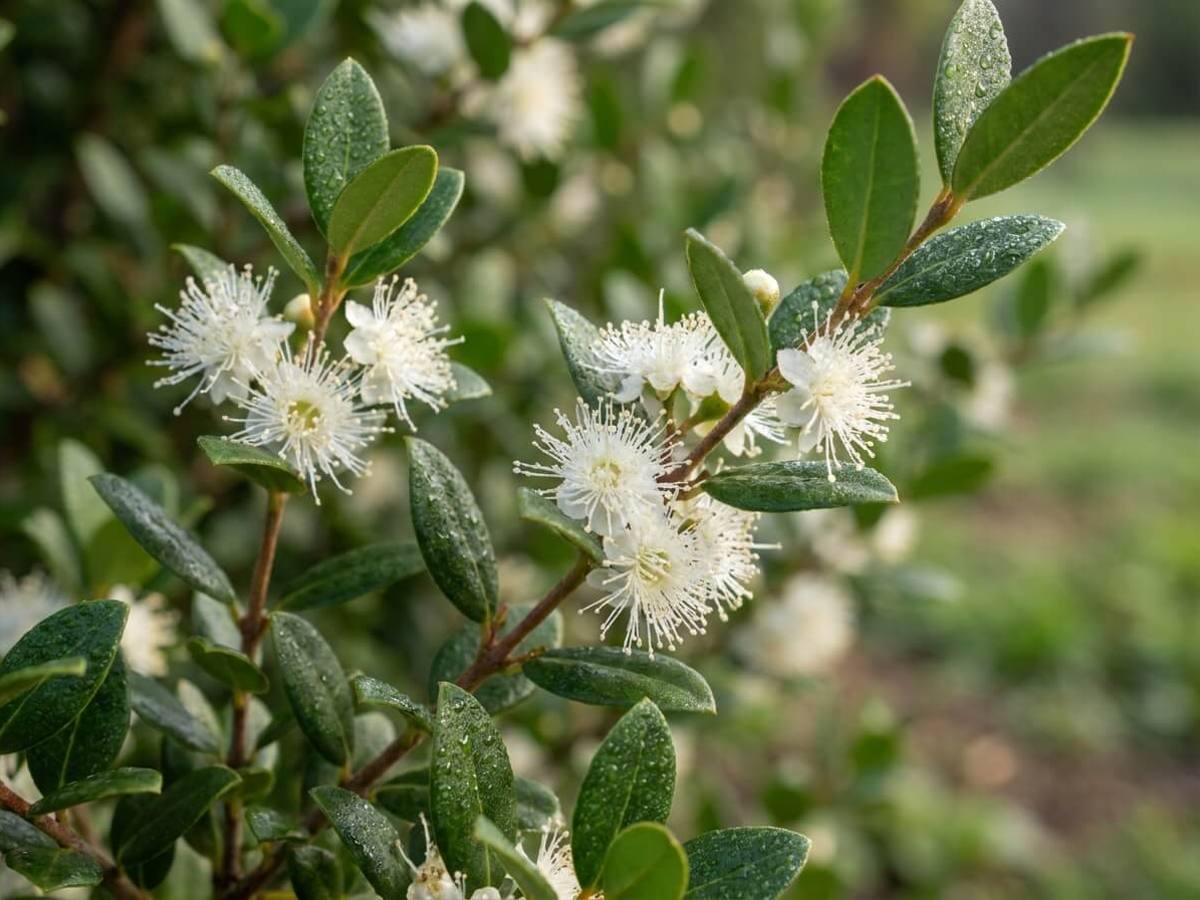
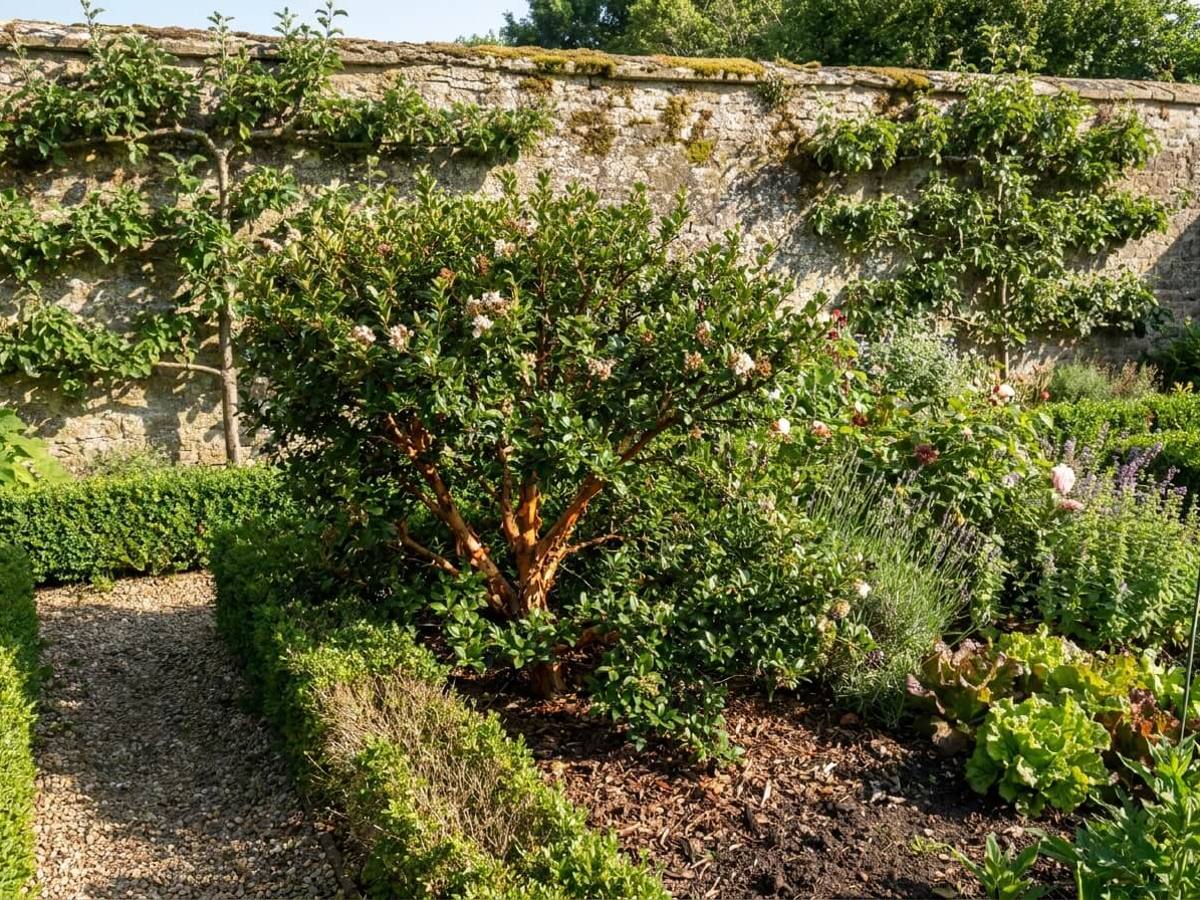
Luma apiculata is one of the most arresting evergreens you can plant in a mild garden, grown as much for its sinuous cinnamon-orange trunks as for its foliage. Small, glossy, aromatic leaves clothe the branches year-round, and from midsummer the whole canopy is sprinkled with tiny white flowers that bees adore. Left to mature, it becomes a multi-stemmed small tree whose peeling bark glows against winter light.
Growing conditions
Give Chilean myrtle full sun if you want dense growth, heavy flowering and the brightest bark colour. It copes well with light dappled shade, though plants drawn up under trees flower less and develop thinner trunks. Shelter matters more than sunshine: cold, dry easterly winds scorch the foliage far faster than frost alone.
Soil should be moisture-retentive yet free-draining, ideally a loam enriched with leaf mould or composted bark. A pH between 5.5 and 7 suits it best; on thin, chalky soils leaves often turn yellow between the veins. Waterlogged winter ground is the quickest way to lose a young plant.
It excels in mild maritime climates — Cornwall, west Wales, Ireland, western Scotland, the Pacific Northwest and coastal New Zealand. Inland or colder gardens should plant against a sheltered south or west-facing wall, or grow it in a large container that can be moved under cover below −5 °C.
How to plant Luma
Mid to late spring is the safest planting season, giving the roots a full growing season to establish before their first winter. In frost-free coastal gardens, early autumn planting also works well whilst the soil is still warm.
Space specimen plants 3 m apart so the multi-stemmed habit and peeling bark can be appreciated from all sides.
For a clipped hedge or screen, plant 60–75 cm apart in a single staggered row.
Set the plant at exactly the same depth it sat in its pot — burying the stem base encourages rot.
Fork plenty of garden compost into the planting area, and break up any compacted subsoil to improve drainage.
Water in thoroughly with at least 10 litres, then mulch with 5 cm of bark, keeping it clear of the trunk.
Propagate from semi-ripe cuttings in late summer with bottom heat, or sow fresh seed cleaned from the ripe purple berries.
Luma apiculata growing in a naturalistic garden border
Care through the seasons
Spring: Apply a balanced slow-release feed or a mulch of well-rotted compost as growth resumes. This is the time to prune: shorten or remove frost-damaged shoots and shape the plant, since flowers are borne on the current season’s growth. Lift the lower branches of young plants to reveal the developing bark.
Summer: Water young plants weekly in dry spells for the first two or three seasons — established specimens are reasonably drought-tolerant but flower poorly if parched. Trim formal hedges in early summer, before flower buds form. Avoid feeding with high-nitrogen fertiliser, which produces soft growth vulnerable to autumn frost.
Autumn: Leave the late flowers to set their edible, blackcurrant-flavoured berries, which birds strip quickly. Top up the mulch to insulate the root zone, and avoid any pruning after early September so new shoots can harden off. Collect self-sown seedlings now if you want free plants.
Winter: The plant stays fully clothed in leaf and the bark is at its most striking. In gardens that regularly drop below −8 °C, wrap young plants in horticultural fleece and protect container roots with bubble insulation.
Best varieties to grow
There are few named forms, but each offers something quite distinct.
Luma apiculata — the straight species holds an RHS Award of Garden Merit for its vigour, flowering and unrivalled cinnamon bark.
‘Glanleam Gold’ — creamy-yellow leaf margins flushed pink in cold weather; slower and more compact, and also an AGM holder.
‘Penwith’ — grey-green leaves edged soft cream, a subtler variegation that suits mixed shrub borders.
‘Nana’ — a dwarf, densely twiggy form reaching around 1 m, useful for low hedging and large pots.
Pests, diseases and common problems
Scale insects: Sticky honeydew and sooty mould on the leaves betray their presence; wipe accessible stems with insecticidal soap and encourage ladybirds and lacewings.
Wind and frost scorch: Browned, crisped foliage after a hard winter looks alarming but is rarely fatal — wait until mid-spring, then cut back to live wood and feed.
Lime-induced chlorosis: Yellowing between green veins on alkaline soils; mulch with composted bark or ericaceous matter and apply chelated iron, or grow in a container of acidic compost.
Myrtle rust: Bright yellow pustules on young growth, a serious disease of Myrtaceae in Australasia and some warm regions; remove and bag affected growth and report it where it is a notifiable pathogen.
🌿 Nature & Garden Newsletter
Gardening tips, recipes & seasonal advice, twice a week.