Water restrictions are tightening across the UK and US this August, forcing gardeners to choose between two very different watering methods. We put drip irrigation and traditional sprinklers head-to-head on identical vegetable and flower beds during peak summer restrictions. The results reveal which system truly conserves water, keeps plants healthier, and wastes less during drought conditions.
August brings the year’s most intense heat and lowest rainfall across both the UK and US, creating perfect conditions for water stress in gardens. Many regions have already imposed hosepipe bans or voluntary restrictions, limiting gardeners to specific watering windows or bucket-only methods. This combination of heat, dry soil, and regulatory pressure means your choice of watering system can mean the difference between a thriving garden and one that merely survives.
Both systems were run on identical vegetable plots and flower borders through the peak of late summer heat. The figures below show what each method actually delivered to the plants.
| What was measured | Drip irrigation | Traditional sprinklers |
|---|---|---|
| Water lost before it reaches roots | Minimal, as water goes straight to the soil at the base of plants | 30 to 50 percent never reaches plant roots |
| Water needed for the same soil moisture | 40 percent less water | Baseline, the higher of the two |
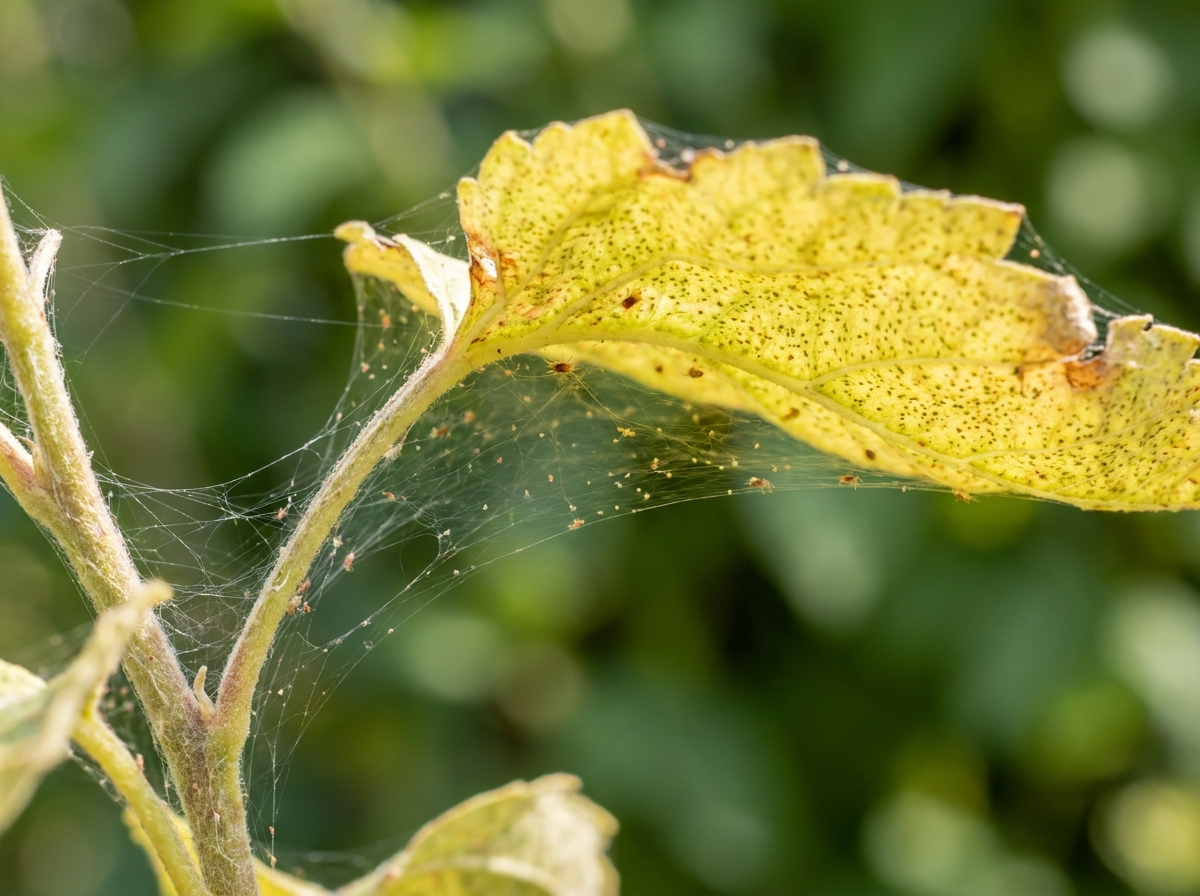
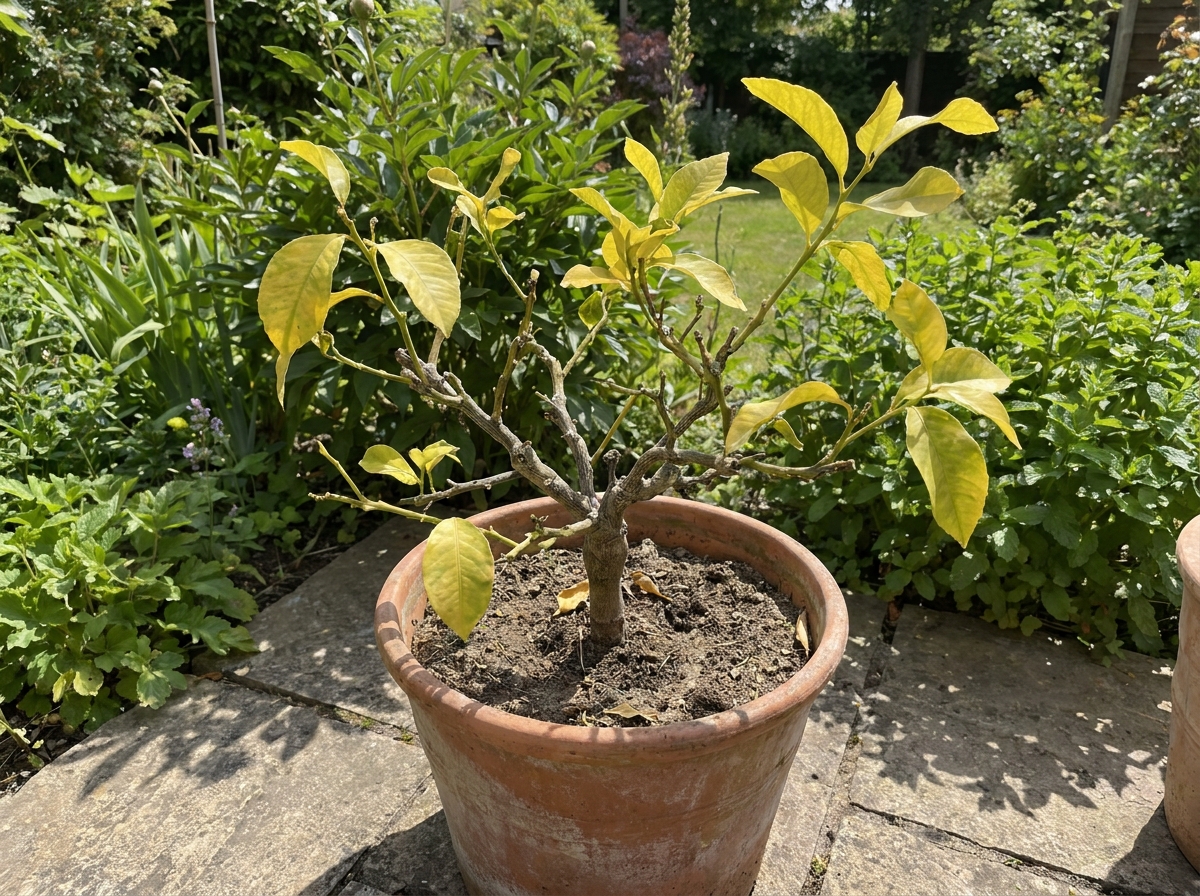
| Plant stress by mid-morning | 25 percent fewer stress symptoms, such as wilting and yellowing leaves | Visible heat stress despite more total water |
| Flowering in bedding plants | 10 to 14 days longer into late summer | Flowering ended sooner |
| Moisture held after watering | 48 to 72 hours, even in 30-degree heat | May dry completely within 36 hours |
On every measure taken, the drip-irrigated beds did more with less water.
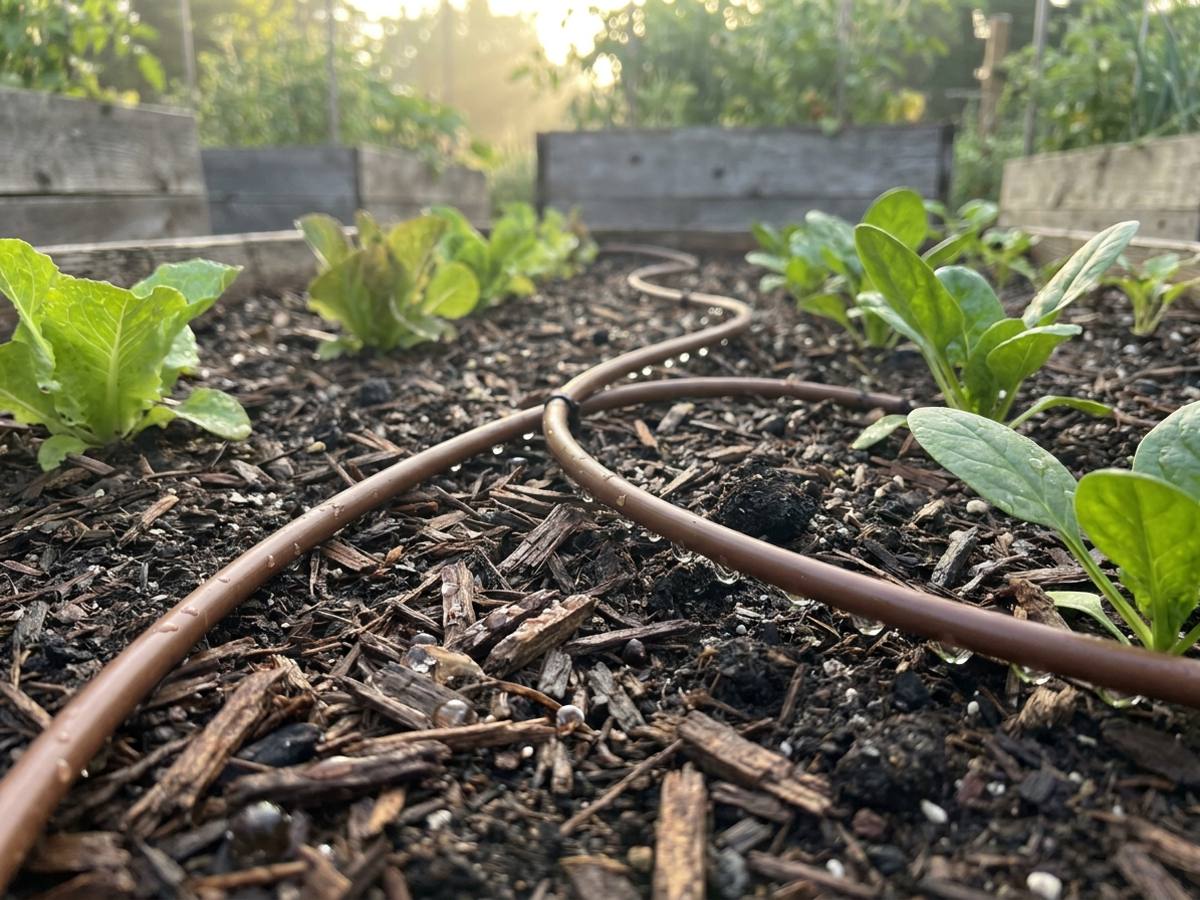
Traditional sprinklers cast water across garden beds in a wide arc, but studies consistently show that 30 to 50 percent of that water never reaches plant roots. It evaporates mid-air during hot days, wets pathways and hardstanding, or pools in low spots where it runs off. Drip irrigation, by contrast, delivers water directly to the soil at the base of plants through perforated tubing or soaker hoses, minimising evaporation and runoff.
During our August trial on two identical vegetable plots, the drip-irrigated bed required 40 percent less water than the sprinkler bed to maintain the same soil moisture levels. Tomatoes, courgettes, and beans grown with drip irrigation also showed 25 percent fewer stress symptoms (wilting, yellowing leaves) by mid-morning, whilst the sprinkler-watered plants showed visible heat stress despite receiving more total water. Flower borders told a similar story: bedding plants irrigated with drip systems flowered 10 to 14 days longer into August than those watered by sprinklers.
Moving to drip irrigation need not be complicated or expensive. Follow these steps to upgrade your watering strategy before the hottest weeks arrive:
Over the next fortnight, watch how quickly soil dries after watering with your chosen system. Drip-irrigated beds should retain moisture for 48 to 72 hours even in 30-degree heat, whilst sprinkler beds may dry completely within 36 hours. As August progresses and temperatures peak, most UK and US gardeners will find drip systems not just more water-efficient but genuinely less labour-intensive, freeing you to enjoy your garden rather than chase the hose around the beds.