Growing Cotoneaster horizontalis: care tips and garden uses
·
0
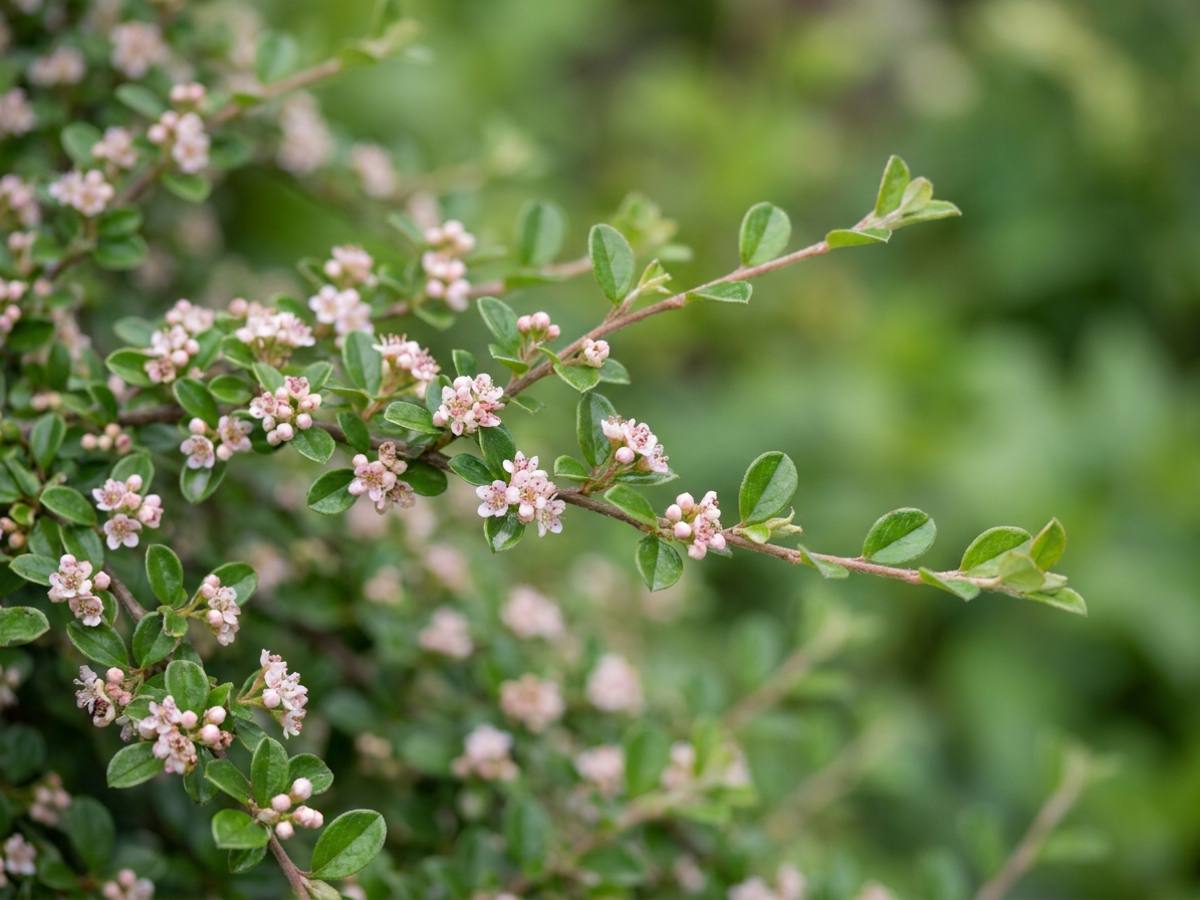
With its rigid branches arranged in flat, herringbone tiers, Cotoneaster horizontalis is one of the most architectural of all low shrubs. Tiny pink-white flowers in late spring give way to glossy scarlet berries that cling on well into winter, whilst the small leaves turn fiery red before falling. It is the classic choice for clothing a low wall, a dry bank or an awkward corner where little else will thrive.
Growing conditions
Full sun produces the heaviest crop of berries and the best autumn leaf colour, so give it an open position if fruit is your aim. It copes willingly with partial shade and north-facing walls, though flowering and fruiting will be lighter there. Exposure is rarely a problem: it shrugs off wind, coastal salt spray and urban pollution.
Almost any reasonably drained soil suits it, from heavy clay to thin chalk and rubble-filled builders’ soil. The plant is markedly tolerant of alkalinity, acidity and drought once established, but it dislikes waterlogged ground where roots sit wet all winter. Improve very sticky clay with grit rather than rich compost, as lean soil keeps growth compact.
Hardy throughout the British Isles and northern Europe, it also performs in continental climates down to zone 5. In hot, dry regions plant it where it receives some afternoon shade to prevent leaf scorch.
How to plant Cotoneaster
Autumn is the ideal planting season, as warm soil and reliable rainfall let roots establish before growth begins. Container-grown plants can go in at any time from October to April, provided the ground is neither frozen nor waterlogged.
Spacing: allow 1.2–1.5 m between plants for groundcover, so the tiers can knit together without crowding into a congested mound.
Depth: set the plant so the top of the rootball is level with the surrounding soil — never bury the stem base.
Soil preparation: fork over a square metre, remove perennial weeds and add a spadeful of grit on heavy ground; skip the rich manure.
Watering in: soak thoroughly with 10 litres of water, then mulch with bark or gravel, keeping the mulch clear of the stems.
Propagation: take 10 cm semi-ripe cuttings in July or August, or simply lift and pot self-sown seedlings, which appear in abundance nearby.
Cotoneaster horizontalis growing in a naturalistic garden border
Care through the seasons
Spring: Tidy any frost-damaged or wayward shoots in late March, before the flower buds swell. Established plants need no feeding, though a light mulch of garden compost helps young shrubs on impoverished soil. Leave the flowers strictly alone — they are what become the autumn berries, and they are magnets for bees.
Summer: Water new plants weekly through their first two summers; after that they are genuinely drought-proof. Shorten over-long shoots after flowering in late June if you are training the plant flat against a wall, cutting back to a side branch to preserve the herringbone pattern. Watch for silken webbing in July, a sign of cotoneaster webber moth.
Autumn: This is the plant’s finest hour, with scarlet berries and crimson foliage, so resist pruning and enjoy it. Remove seedlings from paths, gutters and neighbouring borders now, while the soil is soft and they pull up easily. Top up mulch on very dry banks.
Winter: The bare, tiered branchwork stays handsome, and berries feed blackbirds, thrushes and waxwings through the coldest months. No winter protection is needed anywhere in Britain or Ireland.
Best varieties to grow
The species itself is widely sold, but a few selections offer better manners or brighter foliage.
Cotoneaster horizontalis ‘Variegatus’ — slower and neater, with cream-edged leaves that flush pink-red in autumn; holds an RHS Award of Garden Merit.
Cotoneaster horizontalis ‘Perpusillus’ — a dwarf, tight-growing form barely 30 cm tall, ideal for rock gardens and the tops of retaining walls.
Cotoneaster horizontalis ‘Robustus’ — a more vigorous, upright clone with larger leaves and heavier berrying, useful for covering big banks quickly.
Cotoneaster dammeri ‘Coral Beauty’ — not a horizontalis, but a well-behaved evergreen alternative for gardeners in regions where C. horizontalis is restricted.
Pests, diseases and common problems
Fireblight: shoots blacken suddenly and die back as though scorched, with flowers wilting first. Cut affected growth back 30 cm into healthy wood, burn the prunings and disinfect secateurs between cuts; there is no chemical cure.
Cotoneaster webber moth: caterpillars spin dense webs over shoot tips in midsummer and strip the leaves. Pick off and squash the webs by hand as soon as they appear — plants recover fully and no spraying is warranted.
Woolly aphid and scale insects: white fluffy patches or brown limpet-like bumps on stems, often with sticky honeydew and sooty mould. Brush off with a stiff brush and soapy water, and encourage ladybirds and lacewings rather than spraying.
Honey fungus: sudden dieback with white fungal sheets beneath the bark at the base. Cotoneasters are highly susceptible; remove the whole plant with its roots and avoid replanting Rosaceae in that spot.
🌿 Nature & Garden Newsletter
Gardening tips, recipes & seasonal advice, twice a week.