Home » Health » Gaultheria (wintergreen): how to use the oil, and what it is credited with
Gaultheria (wintergreen): how to use the oil, and what it is credited with
·
0
Gaultheria — wintergreen — is a creeping shrub barely six inches tall whose leaves smell of camphor and mint the moment you crush them. What reaches most homes is the essential oil, distilled from leaf and berry. This page covers what is in it, what herbalists and sports massage traditions credit it with, how to dilute it, and who should leave it alone.
Leaves from late spring to late summer; berries from early autumn to early winter
Taste and smell
Sharp, sweet, minty-camphor — the classic “wintergreen” note
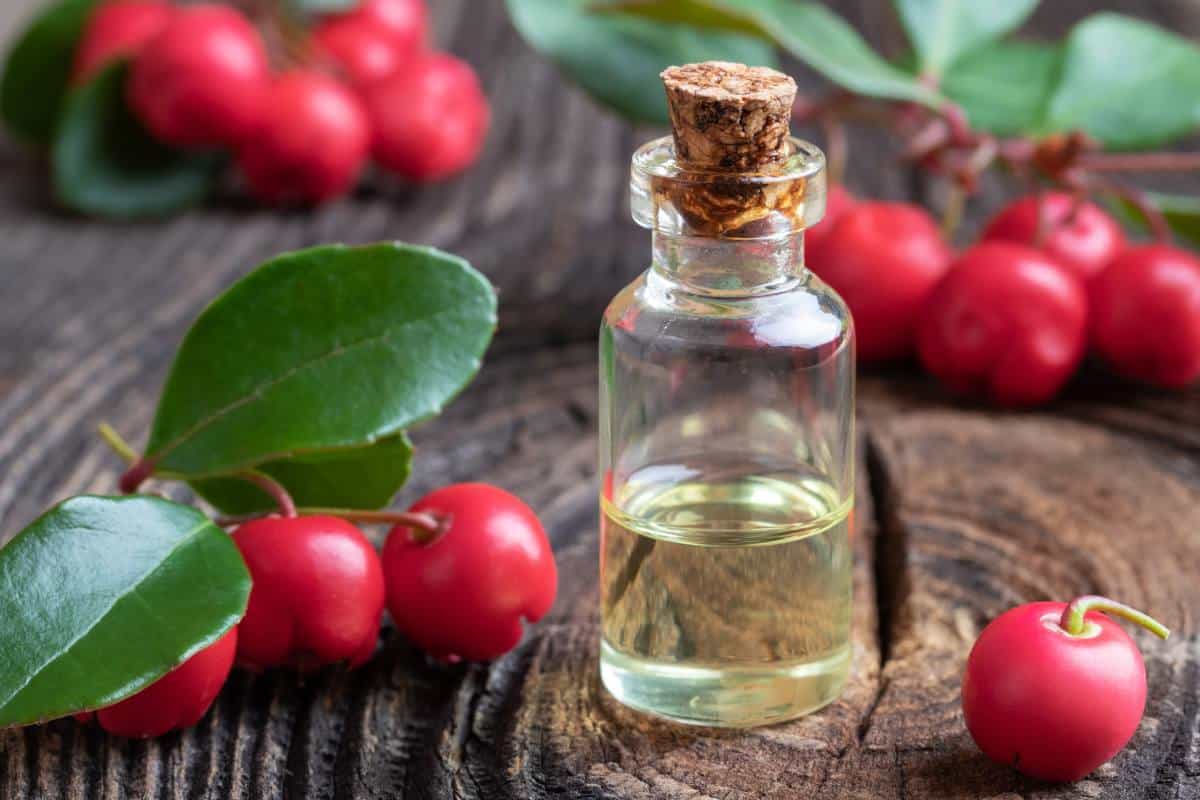
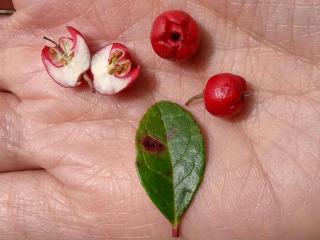
Bright red berries and deep green leaves: gaultheria is easy to recognise
What it is credited with
Herbalists reach for gaultheria oil, well diluted, as a warming massage oil for tired muscles after sport or hard physical work.
Sports massage tradition uses it on stiffness, cramp and the ache that follows unaccustomed effort, often alongside arnica preparations.
Naturopathy credits the diluted oil with a comforting effect on stiff joints and a heavy back, thanks to its warming sensation on the skin.
Indigenous peoples of what is now Canada chewed the leaves and drank leaf infusions to bring down fever and ease aching joints — a documented traditional use, not a modern recommendation.
In older European herbal writing, gaultheria was among the plants rubbed in for rheumatic aches, in the same family of remedies as willow bark.
It has a reputation among aromatherapists for the relief of a tension headache when a very small diluted amount is smoothed over the neck and shoulders, away from the eyes.
Diffused, its bracing camphor note is valued for clearing a stuffy room and for the sense of “waking up” it gives.
How to use it
Gaultheria is an external plant in practice. Everything below is applied to skin, added to water, or diffused into air — never swallowed.
The base dilution, first
Mix 1 drop of gaultheria essential oil into 10 drops of a plant oil — sweet almond, macadamia, hazelnut or sunflower.
Dab a little on the inside of the forearm and wait a full day before using it more widely.
Never apply the oil neat, and never on broken, sunburnt or irritated skin.
Massage blend for tired legs and shoulders
Work the diluted blend in with slow, firm strokes on the area that aches, for two or three minutes.
For heavy legs, massage upwards, from ankle towards the heart.
Wash your hands afterwards; keep the blend well away from eyes, lips and mucous membranes.
In the bath
Stir a few drops into a spoonful of milk, unscented shower base or bath dispersant before adding it to the water — essential oils do not dissolve in water on their own.
A warm, not scalding, bath of fifteen to twenty minutes is what tradition suggests after a long walk or a hard training session.
Rinse the tub after: the oil leaves a film.
Diffusion
Use a few drops in a cold-mist diffuser, in short sessions of ten to fifteen minutes in a ventilated room.
Do not diffuse in a room occupied by babies, young children, pregnant women, or pets.
Pair it with lavender or lemon if the camphor note feels too sharp on its own.
Blending partners
Arnica macerate — the classic base for a post-exercise rub.
Rosemary and bay laurel — traditional companions in a warming muscle blend.
Thyme and tropical basil — used in old herbal rubs for stiff, cold-feeling joints, always heavily diluted in hazelnut oil.
Forms of use compared
Form
How it is prepared
What it is used for
Massage oil
1 drop of essential oil to 10 drops of plant oil
Traditionally rubbed on tired muscles, stiff shoulders, heavy legs
Bath
A few drops dispersed in milk or a bath base, then added to warm water
Valued for general relaxation after effort
Diffusion
A few drops in a cold-mist diffuser, short sessions
Used for its bracing, air-clearing camphor note
Leaf infusion (historical)
Dried leaves steeped in hot water
The old North American practice; not the modern home use
Frequently Asked Questions
The one thing to remember: one drop of gaultheria to ten drops of plant oil, on the skin only, after a patch test — and never in the mouth.
Can I put gaultheria oil straight onto my skin?
No. It is one of the essential oils that should always be diluted, at about one drop to ten drops of a plant oil such as sweet almond or macadamia. Test the diluted blend on a small patch of forearm and wait a day before using more. Undiluted, it can irritate skin badly.
Why is aspirin allergy such a problem with this plant?
Gaultheria contains methyl salicylate, the molecule from which aspirin is made. Anyone allergic to aspirin or to salicylates is strongly advised not to use gaultheria in any form. The same caution applies if you take blood-thinning medication or other salicylate products.
What does it smell and taste like?
Sharp, sweet and minty with a strong camphor edge — the wintergreen note familiar from old-fashioned liniments. The taste of the leaf is intensely aromatic, which is why it was once chewed. The essential oil itself, however, is never to be swallowed.
What is it traditionally used for?
Herbalists and sports massage tradition use the diluted oil on tired muscles, stiff shoulders and heavy legs after effort, often with arnica. Indigenous peoples of Canada chewed the leaves and drank leaf infusions to ease fever and aching joints. These are traditional uses, not treatments.
Can children or pregnant women use it?
It is not recommended during pregnancy or breastfeeding, nor for children under 12. It should also not be diffused in a room occupied by babies, young children or pets. If in doubt, ask a healthcare professional first.
This information is provided for general interest and reflects the traditional use of plants. It is not a substitute for medical advice. If you are on medication, pregnant, or in any doubt, ask a healthcare professional.
Written by Gaspard Lorthiois | Loves helping out, especially when it comes to growing things. Worked in herbal medicine, runs a farm, and dabbles in tech. Master's degree and engineer.