Home » Health » Dog rose and rose hips: traditional uses, infusions and cautions
Dog rose and rose hips: traditional uses, infusions and cautions
·
0
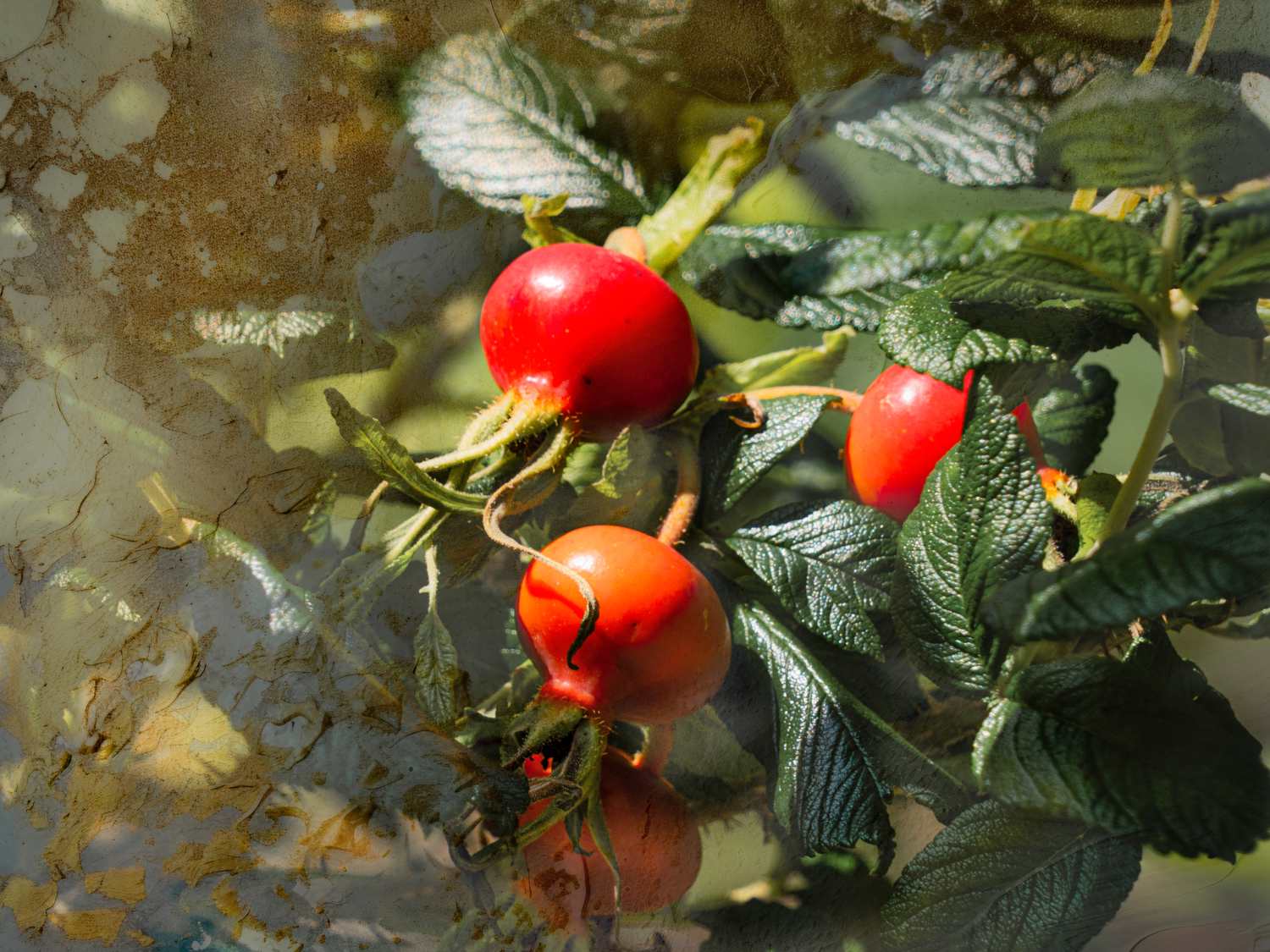
Dog rose is the wild, thorny rose of hedges and woodland edges, and its scarlet autumn fruit — the rose hip — is one of the richest sources of vitamin C in temperate gardens. This page covers which part to pick, how to turn it into an infusion, a syrup or a jam tonight, what it tastes like, and who should be careful with it.
Dog rose at a glance
Item
Detail
Botanical name
Rosa canina
Other names
Wild rose, hedge rose, dogberry, witch’s briar; the flower alone is called eglantine
Family
Rosaceae
Part used
Hips (fleshy hull, seeds and hairs removed), petals, occasionally the seed oil
Forms of use
Infusion, decoction, syrup, jam and jelly, soup, dried powder, tincture, seed oil for the skin
Harvest season
Petals in late spring to early summer; hips from late summer to late autumn, sweetest after the first frosts
Taste
Tangy and fruity, faintly apple-and-tomato, sweeter and softer once frosted
A wild rose with a long past
The thorny hedge rose behind centuries of kitchen and household use
A thorny shrub reaching up to 10 feet (3 m), with pink or white flowers followed by red hips.
Ancient Greek practice credited the flowers with soothing chills and irritated throats.
In the seventeenth century, the hips had a reputation for settling a loose digestion.
In Chinese tradition, hips of related roses were used for lingering digestive and urinary complaints.
During the Second World War, British authorities gathered hips for their vitamin C content when citrus was scarce.
North American peoples valued the hips as a survival food — and warned that swallowing the fine inner hairs brought considerable discomfort on the way out.
What it is credited with
Herbalists reach for rose hip first as a vitamin C plant, traditionally taken as an early-winter tonic when appetite for fresh fruit is low.
Naturopathy credits the hips with supporting general vitality and helping the body through periods of tiredness and run-down winters.
Folk tradition across Europe used hip decoctions to ease a loose or unsettled gut, thanks to their astringent tannins.
Northern European household use gave rose hip powder a reputation for easing stiff, aching joints in older people.
Traditional herbalism used petal infusions as a gentle, fragrant drink for tension-filled days and a heavy head.
Old herbals list the hips as astringent, mildly diuretic and toning.
In cosmetics, rose hip seed oil has a long-standing reputation for supple, well-conditioned skin, and is applied to marked or dry skin, stretch marks and tired hair.
Rose hip syrup has long been used simply to make other preparations palatable, especially for children.
How to use it
Everything below starts from dried or frozen hips with the seeds and hairs removed. Strain well: grit and hairs are what spoil a rose hip drink.
Infusion of dried hips — the everyday drink
Crumble a heaped tablespoon of dried hip flesh per large cup.
Start it in cold water, bring just to the boil, then take off the heat.
Cover and steep about 10 minutes.
Strain through a fine sieve or cloth. Two or three cups spread across the day is the usual habit, taken for a week or two at the turn of the seasons rather than all year round.
Tangy and pleasantly fruity; a spoon of honey suits it, and it is good cold too.
Decoction — stronger and more astringent
A generous handful of chopped hips to about 1 quart (1 litre) of water.
Simmer gently, lid on, for around 5 minutes, then steep a further quarter of an hour off the heat.
Strain carefully and drink a cupful, traditionally with breakfast, for a few days at most.
Petal infusion
Pick petals on a dry morning in late spring to early summer, from bushes well away from roads and sprays.
A small handful of fresh petals per cup, poured over with hot but not boiling water, covered, 5 minutes.
Since Roman times petals have also been infused into milk or syrup to perfume pastries.
In the kitchen
Jam, jelly, marmalade, syrup and even a sweet-sour ketchup, alone or with apples and other autumn fruit.
Rose hip juice is a favourite in Armenia; Sweden serves rose hip soup as a dessert with cream or vanilla ice cream; rose hip tea is a daily staple in Chechen kitchens.
Purée the cooked flesh and push it through a sieve — that single step removes hairs and seeds in one go.
Tincture, capsules and oil
Macerated in alcohol and sweetened, the hips give a household wine or elixir, taken by the small glass before a meal.
Ready-made tinctures and dry-extract capsules exist: follow the maker’s instructions on the label and no more.
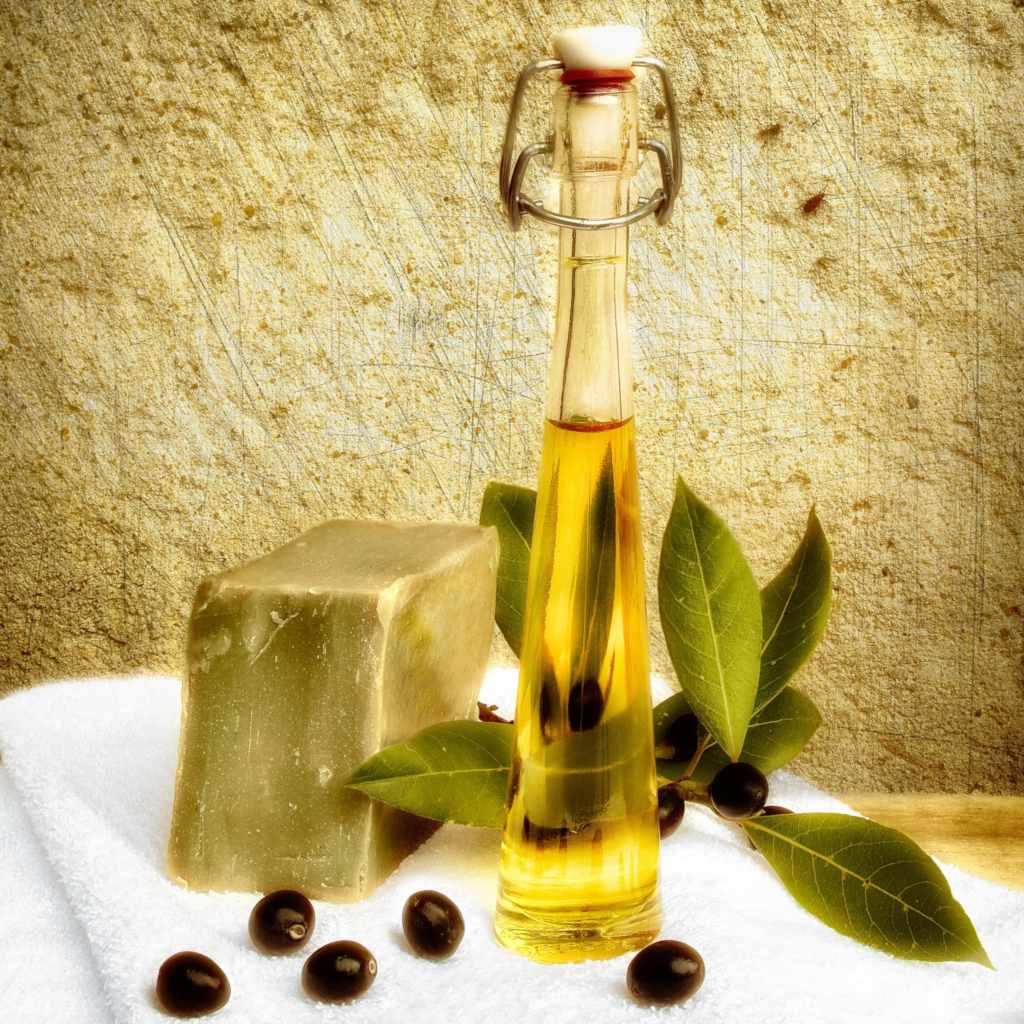
Rose hip seed oil is for the skin and hair only — a few drops massaged into clean, slightly damp skin at night.
Forms of use, preparation and purpose
Form
How it is prepared
What it is traditionally used for
Infusion (hips)
Crumbled dried flesh, brought to the boil, steeped 10 minutes, strained
The everyday vitamin C drink and winter tonic of herbalists
The more astringent version, used in folk practice for an unsettled gut
Infusion (petals)
Fresh petals, hot water, 5 minutes, covered
A fragrant, calming cup; also used to flavour pastries
Syrup and jam
Cooked flesh, sieved, sweetened and bottled
Kitchen use, and to make other preparations palatable
Tincture or capsules
Alcohol maceration, or dried powdered extract
A concentrated form — follow the label, not guesswork
Seed oil
Pressed from the seeds; applied externally
Skin conditioning and hair care in natural cosmetics
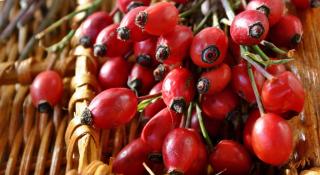
Pick the hips before winter settles in, then clean and dry them
Frequently Asked Questions
The one thing to remember: pick the red hips in late autumn, take out the seeds and hairs, dry the flesh, and you have a tangy vitamin C infusion all winter.
Which part of the dog rose do I actually use?
The fleshy hull of the red fruit, called the rose hip, is the main part. The seeds and the fine hairs inside are removed and discarded, since the hairs irritate the gut. Petals are used too, fresh, for a fragrant infusion or to perfume pastries.
What do rose hips taste like?
Tangy and fruity, somewhere between apple and tomato, with a clean sharpness from the malic and citric acids. Hips picked after the first frosts are noticeably sweeter and softer. A spoon of honey rounds out an infusion nicely.
When should I pick them?
Flowers in late spring to early summer, hips from late summer to late autumn. Aim to have the hips in before winter settles in, choosing fruit that is fully red and just soft to the touch.
Can I drink rose hip infusion every day?
Traditional practice treats it as a seasonal tonic rather than a permanent habit: two or three cups a day for a week or two at the turn of the seasons. Stay within the usual amounts, and if you are pregnant, breastfeeding or on medication, ask a healthcare professional first.
Is rose hip oil the same thing as the infusion?
No. The oil is pressed from the seeds and is used on the skin and hair, where it has a long-standing reputation in natural cosmetics for suppleness and condition. It is not a drink. The infusion and decoction are made from the dried flesh instead.
This information is provided for general interest and reflects the traditional use of plants. It is not a substitute for medical advice. If you are on medication, pregnant, or in any doubt, ask a healthcare professional.
Images: CC BY-SA 2.0: Judy Dean; Pixabay: Michaela, Olga Lisa
🌿 Nature & Garden Newsletter
Gardening tips, recipes & seasonal advice, twice a week.