Coffee is the roasted seed of a tropical shrub, brewed in minutes and drunk more widely than almost anything else. This page covers what is actually in the cup, what herbalists and traditional practice make of it, how to brew it for flavour rather than habit, who should be careful with it, and how to put the spent grounds to work in the garden and the bathroom.
The roasted seed, ground fresh, is where the aroma lives
Coffee at a glance
Item
Detail
Botanical name
Coffea arabica
Family
Rubiaceae
Part used
Seed (the “bean”) from inside the ripe cherry; spent grounds for external and garden use
Forms of use
Filter brew, espresso, cafetière, cold brew, coffee extract in cooking, grounds as a scrub or soil amendment
Harvest season
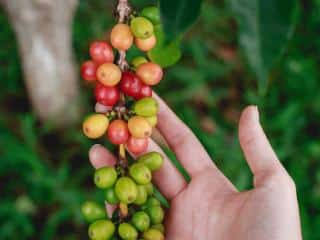
Cherries picked deep red as they ripen; in most growing regions the main pick falls between late autumn and early spring locally, with a lighter second pass
Taste
Bitter and roasted, with acidity that can read as citrus, cocoa or dried fruit depending on origin and roast
What it is credited with
Traditionally drunk as a stimulant: it has a long-standing reputation for lengthening how long you stay alert and for pushing back the first feelings of tiredness.
Herbalists class coffee among the nervine stimulants, and turn to it for ordinary daytime sluggishness and low energy rather than for anything long-standing.
Traditional use also describes it as diuretic — it is commonly said to increase the need to pass water.
Old domestic practice took a strong black cup for a dull, heavy head, and caffeine keeps that reputation in folk use to this day.
Naturopathy credits it with waking up digestion after a heavy meal, which is where the after-dinner espresso comes from.
It supplies magnesium and potassium in small amounts — useful to note, though a cup is not a mineral supplement.
In home cosmetics, ground coffee has a reputation as a firming, decongesting scrub, used on thighs and hips for the look of the skin.
How to use it
The everyday brew
Filter or cafetière: roughly one rounded tablespoon of medium-ground coffee per cup. Water just off the boil, never boiling. Brew four minutes in a cafetière, then plunge and pour straight away.
Espresso: finely ground, tamped, extracted in about 25 to 30 seconds. Short, thick, bitter — the classic after-meal form.
Cold brew: coarse grounds steeped in cold water overnight in the fridge, then strained. Much less bitter, noticeably smoother, and easy to dilute.
Timing: traditional practice puts coffee in the first half of the day. Cutting it off by mid-afternoon is the usual advice for anyone who sleeps lightly.
How much: most habitual drinkers settle at two or three cups spread across the morning. Beyond that, the unwanted effects start showing up before the useful ones.
In the kitchen
Coffee extract flavours creams, cakes, ice cream and macaroons.
A spoonful of strong brewed coffee deepens chocolate desserts without tasting of coffee.
Finely ground coffee works as a dry rub component for beef and lamb, alongside pepper and salt.
The spent grounds
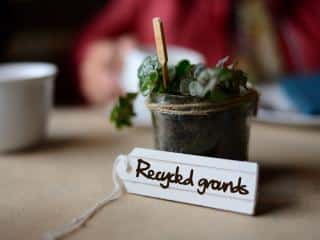
In the garden: sprinkle grounds at the foot of plants and rake them lightly into the soil. They act as a mild organic amendment and tend to discourage slugs and snails.
On the hands: rub a pinch of grounds between your palms after chopping garlic or onion — it lifts the smell immediately.
As a scrub: mix grounds with coconut oil and coarse salt for a firm exfoliating paste. Work it over damp skin in circles, then rinse well.
Dry used grounds on a tray before storing them, or they go mouldy within days.
Spent grounds go to the soil, the hands or the scrub jar
Forms of coffee and what each is used for
Form
Preparation
Usual purpose
Filter or cafetière brew
One rounded tablespoon medium grind per cup, water off the boil, four minutes
The long morning cup; the everyday stimulant form
Espresso
Fine grind, tamped, 25 to 30 seconds under pressure
Short and concentrated, traditionally taken after a meal
Cold brew
Coarse grind steeped in cold water overnight, then strained
Low-bitterness drink for hot weather or sensitive palates
Coffee extract
Concentrated brew or commercial extract, by the spoonful
Flavouring creams, cakes, ice cream, macaroons
Spent grounds
Dried, then used neat or mixed with oil and salt
Soil amendment, odour remover, body scrub
Frequently Asked Questions
The one thing to remember: grind fresh, brew with water just off the boil, keep it to the first half of the day, and send the grounds to the garden rather than the bin.
How much coffee is a sensible amount?
Most habitual drinkers settle at two or three cups across the morning. Past that, restlessness, anxiety and broken sleep tend to arrive before any of the useful effects. If a cup makes your heart race, that is your answer.
Why does coffee taste bitter and burnt sometimes?
Usually because the water was fully boiling or the coffee sat too long on the heat. Use water just off the boil, brew four minutes in a cafetière, and pour it out straight away rather than leaving it on the grounds.
Is coffee safe during pregnancy?
Caffeine crosses the placenta and passes into breast milk, so intake is normally limited during pregnancy and breastfeeding. There is no single figure that fits everyone. Ask your midwife or doctor what applies in your case.
What can I do with used coffee grounds?
Rake them lightly into the soil at the foot of plants as a mild organic amendment that also discourages slugs and snails. Rub them on your hands to strip garlic and onion smells. Mixed with coconut oil and coarse salt they make a firm exfoliating scrub. Dry them first if you are storing them.
Can I grow my own coffee tree?
Yes, as a pot plant. Coffea arabica wants deep, rich, well-drained soil full of humus, part shade, and warm humid air. Indoors it makes an attractive glossy-leaved houseplant, though the harvest will be more of a curiosity than a crop.
This information is provided for general interest and reflects the traditional use of plants. It is not a substitute for medical advice. If you are on medication, pregnant, or in any doubt, ask a healthcare professional.
Written by Gaspard Lorthiois | Loves helping out, especially when it comes to growing things. Worked in herbal medicine, runs a farm, and dabbles in tech. Master's degree and engineer.